
Fun Variations for Sourdough Olive Bread
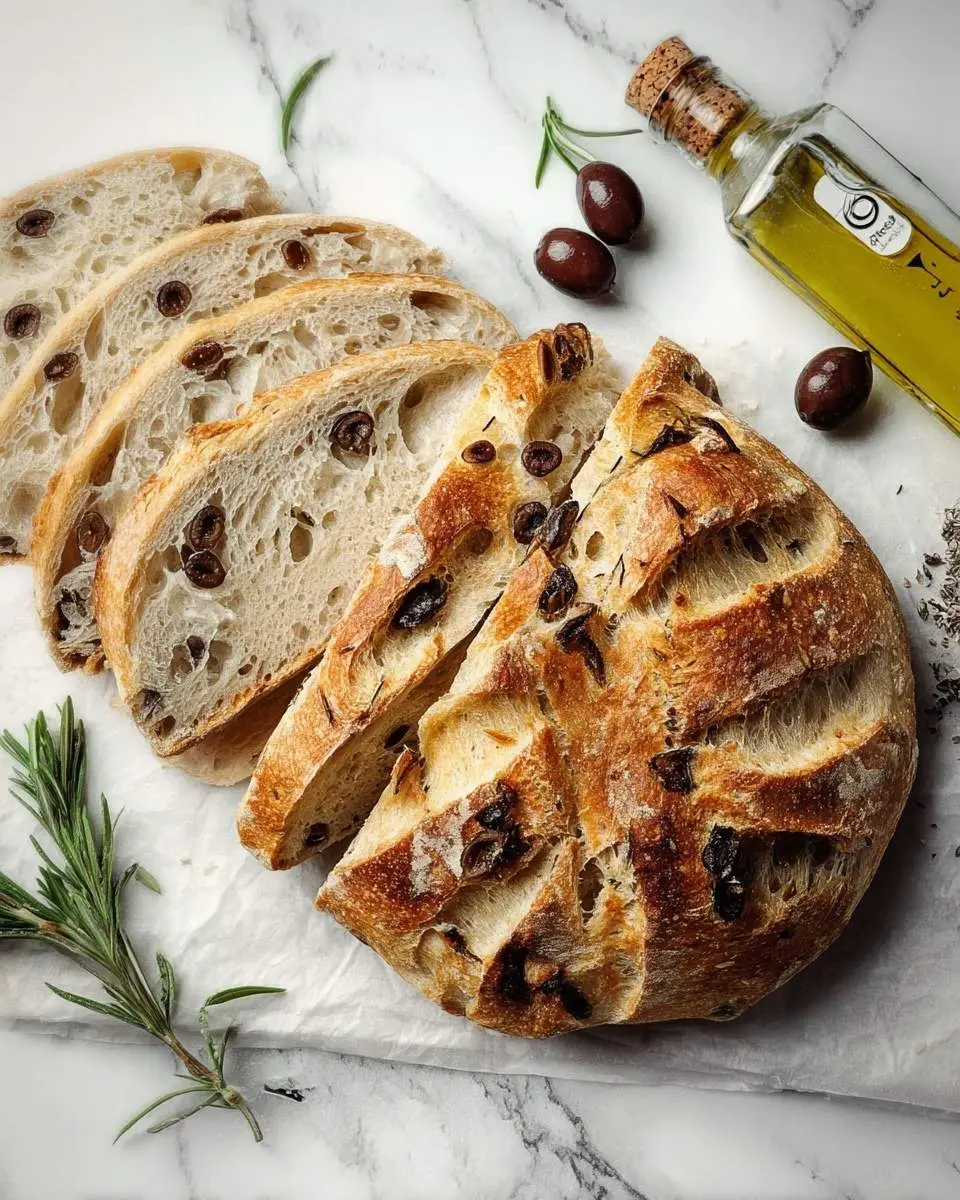
While this Sourdough Olive Bread is perfect as is, I love to experiment with little twists, depending on what I have on hand or what mood strikes! It’s fun to make it your own, much like adding different grains to a honey oat sourdough bread recipe. My family loves when I add some extra Mediterranean flair!
- Herbaceous Additions: Try adding a tablespoon of dried oregano or rosemary to the dough when mixing for an extra aromatic kick. Fresh herbs like finely chopped parsley or thyme can also be a wonderful addition, offering a vibrant freshness to your Sourdough Olive Bread.
- Cheesy Delight: For a richer flavor, fold in half a cup of crumbled feta cheese or shredded provolone along with the olives. The cheese melts beautifully into the bread, creating pockets of savory goodness.
- Spicy Kick: If you enjoy a bit of heat, consider adding a pinch of red pepper flakes to the dough, or even a few finely chopped sun-dried tomatoes alongside the olives for a sweet-tart contrast.
What to Serve With Sourdough Olive Bread
This hearty Sourdough Olive Bread is incredibly versatile and pairs beautifully with so many dishes, whether it’s a cozy weeknight meal or a special gathering. It’s a staple in my home, often disappearing quickly!
- With Soup or Stew: There’s nothing quite like dipping a slice of warm Sourdough Olive Bread into a hearty lentil soup or a rich beef stew on a chilly evening. It’s the ultimate comfort food pairing.
- As Part of an Antipasto Platter: Arrange slices alongside cured meats, cheeses, roasted vegetables, and a good quality olive oil for dipping. It’s perfect for entertaining and always a crowd-pleaser.
- Simple with Butter or Dip: Sometimes, the best way to enjoy this bread is simply toasted with a generous spread of good quality butter, or alongside a creamy hummus or baba ghanoush. My practical tip: always have some good olive oil on hand for dipping!
How to Store Sourdough Olive Bread
Proper storage ensures your delicious Sourdough Olive Bread stays fresh and enjoyable for as long as possible. My goal is always to make sure every last crumb is savored!
To keep your Sourdough Olive Bread fresh, store it at room temperature in a breathable linen bag or wrapped loosely in beeswax wrap for up to 3-4 days. For longer storage, slice the cooled loaf and freeze the slices in an airtight container for up to a month. My personal tip: when reheating, a quick toast brings back that wonderful crispy crust and warm, soft interior.
Nutritional Benefits
This Artisan Sourdough Olive Bread offers more than just incredible flavor; it’s also a nutritious choice for your family. Sourdough fermentation can improve digestibility and nutrient absorption, while the whole wheat flour adds fiber. Plus, olives provide healthy fats and antioxidants, making this Sourdough Olive Bread a wholesome addition to any meal.
FAQs
Can I use a different type of olive in this recipe?
Absolutely! While Kalamata olives offer a distinct briny flavor, feel free to experiment with other varieties like green olives, or even a mix. Just ensure they are pitted and well-drained to maintain the ideal moisture balance for your Sourdough Olive Bread. This is a great way to personalize your loaf.
Why is my sourdough olive bread not rising properly?
Several factors can affect your Sourdough Olive Bread’s rise. The most common reasons are an inactive sourdough starter, insufficient bulk fermentation, or inadequate shaping. Ensure your starter is very bubbly and active, and give your dough enough time to develop strength before baking for a good oven spring.
Can I make this recipe without a cold proof?
While you can bake Sourdough Olive Bread without a cold proof, it significantly enhances the flavor and makes the dough easier to handle. The long, slow fermentation in the refrigerator develops deeper sour notes and allows for a more controlled bake, contributing to a superior crust and crumb.
How do I know when my sourdough olive bread is fully baked?
Your Sourdough Olive Bread is fully baked when it has a deep golden-brown crust and sounds hollow when tapped on the bottom. For precision, an internal temperature of 200-210°F (93-99°C) indicates it’s perfectly done. Allowing it to cool completely before slicing is crucial for the crumb to set.

Artisan Sourdough Olive Bread
Ingredients
Equipment
Method
Notes
Conclusion
Baking this Artisan Sourdough Olive Bread is truly a rewarding experience, bringing wholesome, delicious flavors to your family table with a touch of Mediterranean flair. It’s a testament that nourishing meals can be both satisfying and practical for busy home cooks. I hope you enjoy creating and sharing this wonderful Sourdough Olive Bread as much as I do!
Follow us on Social Media : Pinterest
When the aroma of freshly baked Sourdough Olive Bread fills my kitchen, it immediately transports me to happy childhood mornings, baking alongside my Nonna. This isn’t just any bread; it’s a rustic masterpiece, boasting a beautifully crusted exterior and a soft, airy interior studded with briny olives. It’s the kind of bread that elevates a simple meal into something truly special, much like a hearty sourdough focaccia bread can transform a dinner table.
I remember once, as a young girl, trying to bake bread with my dad, and let’s just say it was more like a dense brick than a fluffy loaf! We laughed so hard, but it taught me the patience and love that goes into every perfect bake. That memory still makes me smile whenever I pull a beautiful loaf from the oven.
This Artisan Sourdough Olive Bread recipe brings that same comforting warmth with practical ease. It’s a low-stress way to enjoy a hearty, flavorful bread that’s perfect for busy families, proving that nourishing your body with delicious, homemade food doesn’t have to be complicated. My secret? Always trusting the process and enjoying every step!
What You Need to Make This Recipe
Crafting this delightful Sourdough Olive Bread relies on a few simple yet powerful ingredients: an active sourdough starter for that signature tang, strong bread flour for structure, and of course, plump Kalamata olives for bursts of briny flavor. Just like how a good sourdough sandwich bread needs quality flour, this recipe thrives on its core components. The full list with exact measurements awaits you in the recipe card below.
How to Make Sourdough Olive Bread
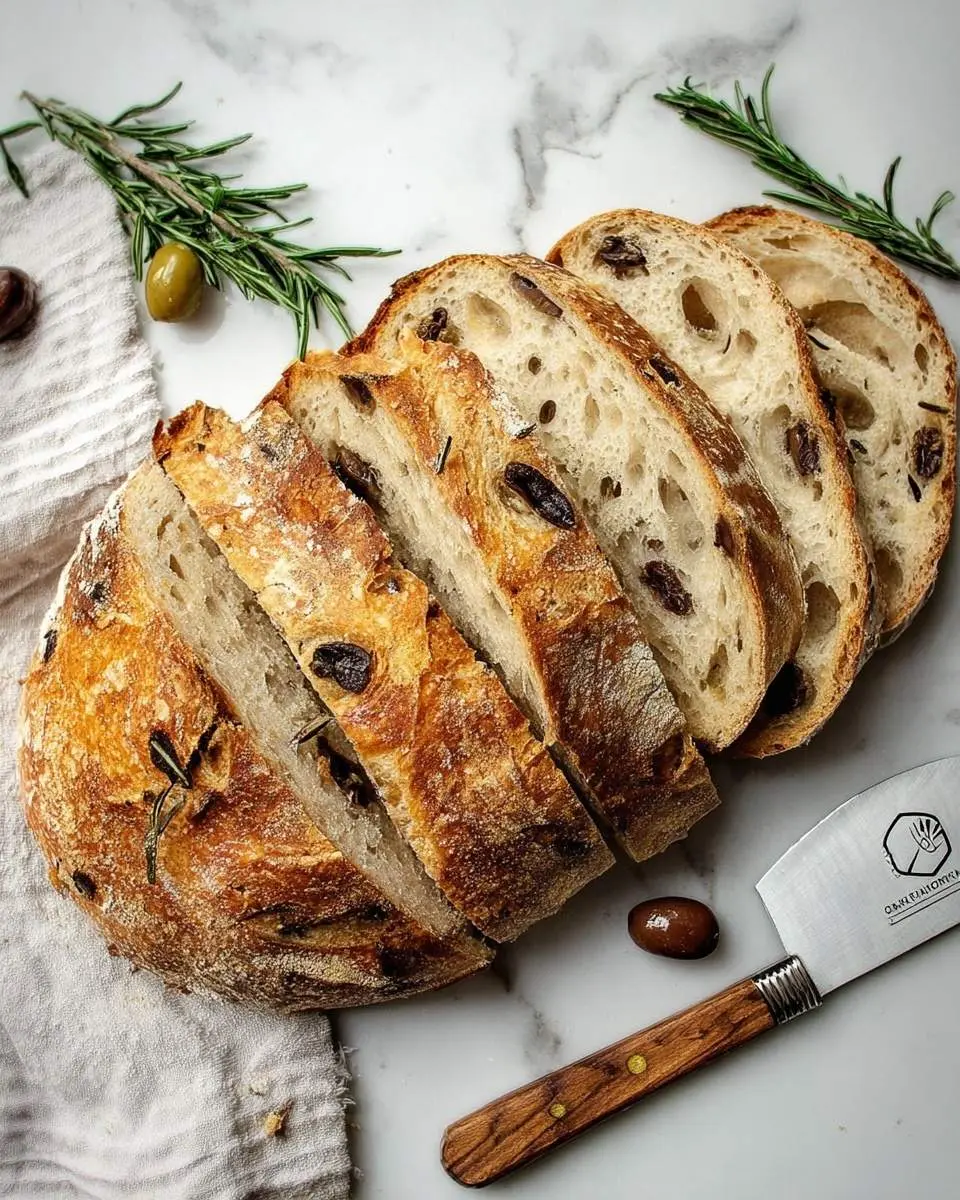
Making this Sourdough Olive Bread is a journey of patience and simple steps, starting the night before with a levain. The next morning, it’s a gentle autolyse, then mixing the dough, followed by several gentle stretch and folds during bulk fermentation, much like the rhythmic process for a sourdough herb garlic twist loaf. After shaping and a cold proof, it bakes to golden perfection, filling your home with an irresistible aroma.
Pro Tips for Making This Sourdough Olive Bread
I’ve learned a few things over the years that truly make a difference when baking any sourdough, and this Sourdough Olive Bread is no exception. Paying attention to these small details will ensure your loaf turns out beautifully every time.
My Secret Trick: I always make sure my olives are thoroughly patted dry before adding them to the dough. Excess moisture can impact the texture and rise of your Sourdough Olive Bread, making it a bit denser than desired. A little extra step here goes a long way!
- Active Starter is Key: Ensure your sourdough starter is active and bubbly before you begin. A strong starter gives your bread the lift and incredible open crumb we all love.
- Gentle Hand with Olives: When incorporating the olives, be gentle. You want them distributed evenly without tearing the gluten structure you’ve worked hard to build.
- Listen to Your Dough: Don’t be too rigid with fermentation times. Humidity and temperature vary, so learn to feel when your dough is properly proofed – it should be jiggly and have a few bubbles when gently shaken.
Fun Variations for Sourdough Olive Bread
While this Sourdough Olive Bread is perfect as is, I love to experiment with little twists, depending on what I have on hand or what mood strikes! It’s fun to make it your own, much like adding different grains to a honey oat sourdough bread recipe. My family loves when I add some extra Mediterranean flair!
- Herbaceous Additions: Try adding a tablespoon of dried oregano or rosemary to the dough when mixing for an extra aromatic kick. Fresh herbs like finely chopped parsley or thyme can also be a wonderful addition, offering a vibrant freshness to your Sourdough Olive Bread.
- Cheesy Delight: For a richer flavor, fold in half a cup of crumbled feta cheese or shredded provolone along with the olives. The cheese melts beautifully into the bread, creating pockets of savory goodness.
- Spicy Kick: If you enjoy a bit of heat, consider adding a pinch of red pepper flakes to the dough, or even a few finely chopped sun-dried tomatoes alongside the olives for a sweet-tart contrast.
What to Serve With Sourdough Olive Bread
This hearty Sourdough Olive Bread is incredibly versatile and pairs beautifully with so many dishes, whether it’s a cozy weeknight meal or a special gathering. It’s a staple in my home, often disappearing quickly!
- With Soup or Stew: There’s nothing quite like dipping a slice of warm Sourdough Olive Bread into a hearty lentil soup or a rich beef stew on a chilly evening. It’s the ultimate comfort food pairing.
- As Part of an Antipasto Platter: Arrange slices alongside cured meats, cheeses, roasted vegetables, and a good quality olive oil for dipping. It’s perfect for entertaining and always a crowd-pleaser.
- Simple with Butter or Dip: Sometimes, the best way to enjoy this bread is simply toasted with a generous spread of good quality butter, or alongside a creamy hummus or baba ghanoush. My practical tip: always have some good olive oil on hand for dipping!
How to Store Sourdough Olive Bread
Proper storage ensures your delicious Sourdough Olive Bread stays fresh and enjoyable for as long as possible. My goal is always to make sure every last crumb is savored!
To keep your Sourdough Olive Bread fresh, store it at room temperature in a breathable linen bag or wrapped loosely in beeswax wrap for up to 3-4 days. For longer storage, slice the cooled loaf and freeze the slices in an airtight container for up to a month. My personal tip: when reheating, a quick toast brings back that wonderful crispy crust and warm, soft interior.
Nutritional Benefits
This Artisan Sourdough Olive Bread offers more than just incredible flavor; it’s also a nutritious choice for your family. Sourdough fermentation can improve digestibility and nutrient absorption, while the whole wheat flour adds fiber. Plus, olives provide healthy fats and antioxidants, making this Sourdough Olive Bread a wholesome addition to any meal.
FAQs
Can I use a different type of olive in this recipe?
Absolutely! While Kalamata olives offer a distinct briny flavor, feel free to experiment with other varieties like green olives, or even a mix. Just ensure they are pitted and well-drained to maintain the ideal moisture balance for your Sourdough Olive Bread. This is a great way to personalize your loaf.
Why is my sourdough olive bread not rising properly?
Several factors can affect your Sourdough Olive Bread’s rise. The most common reasons are an inactive sourdough starter, insufficient bulk fermentation, or inadequate shaping. Ensure your starter is very bubbly and active, and give your dough enough time to develop strength before baking for a good oven spring.
Can I make this recipe without a cold proof?
While you can bake Sourdough Olive Bread without a cold proof, it significantly enhances the flavor and makes the dough easier to handle. The long, slow fermentation in the refrigerator develops deeper sour notes and allows for a more controlled bake, contributing to a superior crust and crumb.
How do I know when my sourdough olive bread is fully baked?
Your Sourdough Olive Bread is fully baked when it has a deep golden-brown crust and sounds hollow when tapped on the bottom. For precision, an internal temperature of 200-210°F (93-99°C) indicates it’s perfectly done. Allowing it to cool completely before slicing is crucial for the crumb to set.
Artisan Sourdough Olive Bread
Ingredients
Equipment
Method
Notes
Conclusion
Baking this Artisan Sourdough Olive Bread is truly a rewarding experience, bringing wholesome, delicious flavors to your family table with a touch of Mediterranean flair. It’s a testament that nourishing meals can be both satisfying and practical for busy home cooks. I hope you enjoy creating and sharing this wonderful Sourdough Olive Bread as much as I do!
Follow us on Social Media : Pinterest