
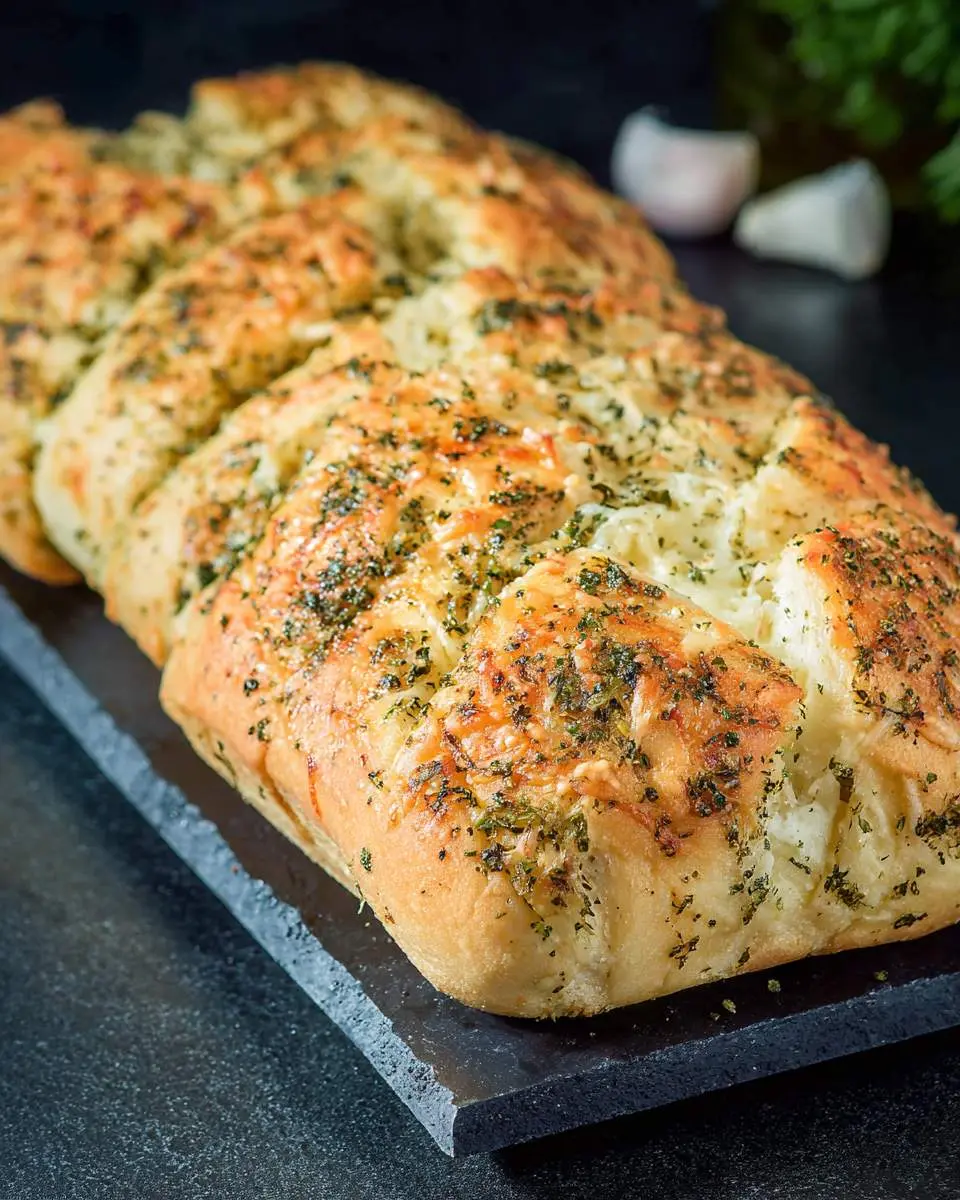
The first time I pulled a loaf of homemade bread from my oven, the smell stopped me in my tracks. It was this Italian Herb and Cheese Bread, and I stood there in my kitchen just breathing it in, rosemary and oregano mixing with melting mozzarella, the crust crackling softly as it cooled. I had no idea something I made with my own hands could smell like a corner bakery in Rome.
My grandmother never measured her herbs. She’d pinch dried basil between her fingers and declare it enough, and somehow her bread always tasted like Sunday dinner. I think about her every time I make this loaf, especially when I’m generous with the cheese, just like she was. Some recipes carry people forward with them.
This bread has become my go-to for everything from weeknight soups to fancy dinner parties. If you’re new to yeast breads, don’t worry, we’ll walk through it together. And if you want something simpler to start, my cloverleaf dinner rolls build the same confidence with less commitment.
The Ingredients That Make This Loaf Sing
Fresh rosemary and dried Italian herb blend do completely different jobs here. The fresh rosemary perfumes the dough as it rises, while the dried oregano and basil hold their punch through baking. I use a sharp aged Parmesan in the dough itself, it creates these little salty pockets that surprise you, then blanket the top with low-moisture mozzarella so you get stretch without sogginess. The real magic is the olive oil, it keeps the crumb tender for days. For another vegetable-forward loaf, my carrot zucchini bread uses similar moisture tricks.
How to Make Italian Herb and Cheese Bread
I start this bread the night before, mixing the dough and letting it rise slowly in the refrigerator. The cold fermentation develops flavor you can’t rush. The next morning, I punch it down gently, fold in the herbs and cheese, and shape it into a tight round. The second rise happens fast, about forty minutes, and you’ll know it’s ready when you press a finger in and the dough springs back slowly.
Baking is where your senses take over. The kitchen fills with that herby, yeasty perfume around the fifteen-minute mark. I rotate the loaf halfway through because my oven has hot spots, and I watch for the cheese on top to turn deeply golden with a few darker spots, that’s when the crust is perfect. Let it cool on a wire rack for at least twenty minutes, I know it’s torture, but cutting too early steams the crumb and ruins the texture. For a flatter, dimpled alternative, my rosemary focaccia bread uses the same herb principles with a completely different method.
What I Learned After Baking This Six Times
Don’t skip the cold rise. I tried making this start-to-finish in one day, and the flavor was flat. The overnight refrigerator rest lets enzymes break down starches into complex sugars you can actually taste.
Grate your own cheese. Pre-shredded mozzarella is coated in cellulose to prevent clumping, and that coating repels moisture, meaning your cheese won’t melt into the proper gooey layer. Ten extra seconds with a box grater changes everything.
Score the dough deeply. I was timid with my lame at first, making shallow decorative slashes. A confident half-inch cut lets the bread expand properly and creates those beautiful ear formations where cheese bubbles up.
My Secret Trick: I brush the hot loaf with garlic-infused olive oil the moment it comes out of the oven. The bread drinks it in, and the residual heat blooms the garlic flavor without any harshness. This one step transformed my results.
How to Store Italian Herb and Cheese Bread
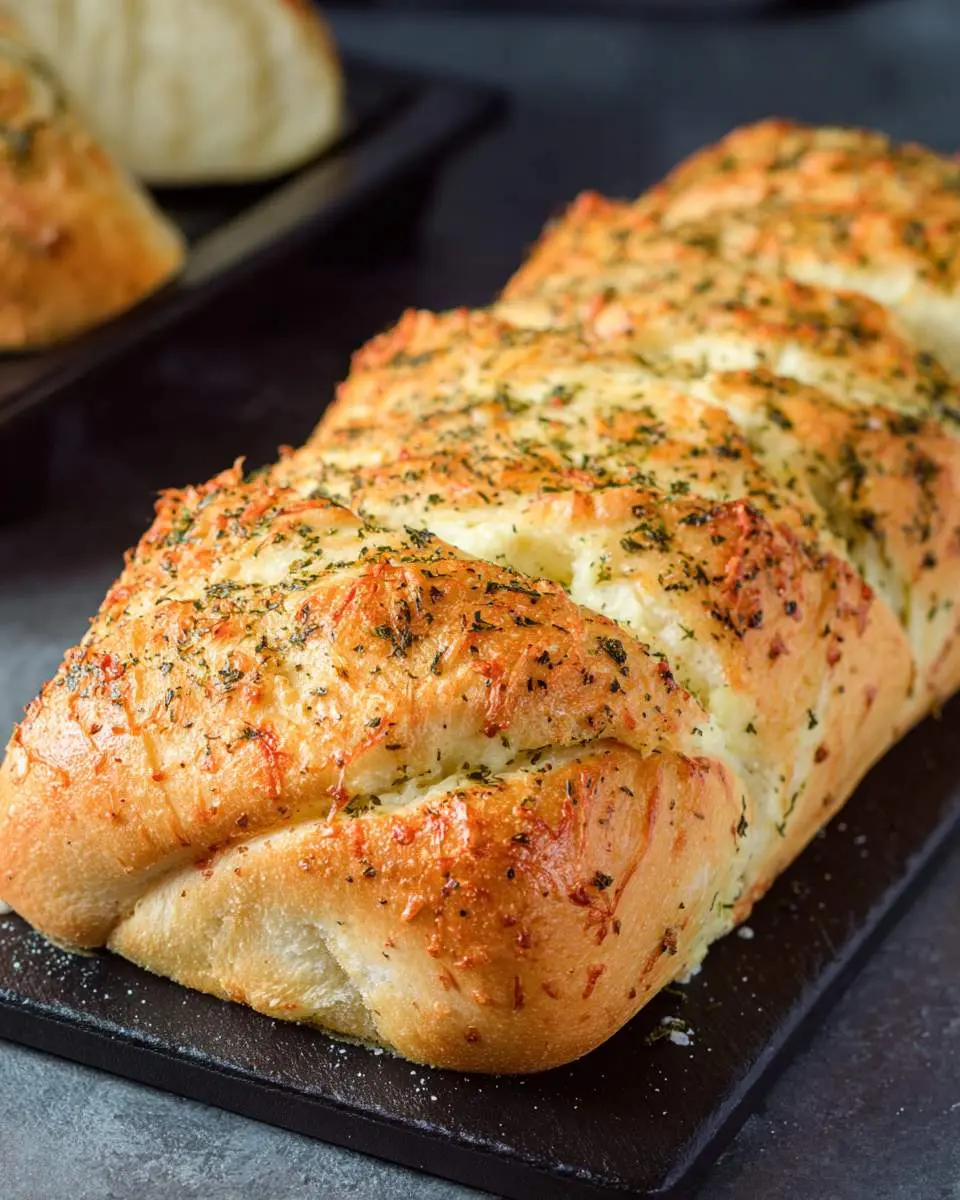
- Room temperature: Wrap completely cooled loaf in foil or place in a bread box for up to 3 days. The cheese means it stales faster than plain bread.
- Refrigerator: Not recommended. The cold accelerates starch retrogradation, making the crumb gummy and tough within 24 hours.
- Freezer: Slice first, then wrap individual portions in plastic wrap and foil. Freeze up to 2 months. Thaw at room temperature or toast directly from frozen.
- Reheating: Wrap in foil and warm in a 350°F oven for 10 minutes to restore the crust’s crackle without drying the interior.
Why This Bread Belongs in Your Regular Rotation
Olive oil and herbs aren’t just flavor here, they’re functional. The monounsaturated fats in good extra-virgin olive oil contribute to heart health, and the rosemary contains compounds studied for cognitive support. This Italian Herb and Cheese Bread satisfies deeply without the heaviness of butter-rich loaves, making it genuinely nourishing rather than just comforting. I reach for it when I want something that feels indulgent but leaves me energized.

FAQs
Can I use fresh herbs instead of dried?
Yes, but triple the amount and add them with the cheese, not during the initial mix. Fresh herbs contain moisture that can throw off hydration if incorporated too early. I use a full tablespoon of minced fresh rosemary and two tablespoons fresh basil when I have them.
Why did my cheese burn on top?
Your oven runs hot, or the rack was too high. Try lowering one position and tenting loosely with foil after the first fifteen minutes. The cheese should be deeply golden, not blackened. Every oven is different, so watch closely during the final ten minutes.
Can I make this without a stand mixer?
Absolutely. I made my first four loaves by hand, folding and kneading for about ten minutes until the dough passed the windowpane test. It’s sticky at first, but resist adding extra flour. A bench scraper helps manage the shaggy mass.
What cheese works best for this Italian Herb and Cheese Bread?
Low-moisture whole milk mozzarella melts beautifully without weeping, and aged Parmesan in the dough adds savory depth. I’ve also used fontina for extra richness. Avoid fresh mozzarella, its high water content creates a soggy bottom crust.

Italian Herb and Cheese Bread
Ingredients
Equipment
Method
Notes
Conclusion
This Italian Herb and Cheese Bread has earned its place in my kitchen through pure repetition, I make it when I need comfort, when I want to impress, when the house needs warming. Start it tonight, bake it tomorrow, and let your kitchen fill with something wonderful. For a simpler Italian classic, my Italian bread skips the cheese but keeps all the soul.
Follow us on Social Media : Pinterest