
The smell of yeast blooming in warm milk takes me straight back to my grandmother’s kitchen, where she taught me that bread is never just bread. It is patience, and warmth, and the quiet magic of watching something humble transform into something that makes people close their eyes at the first bite. That is exactly what happens with these Cloverleaf Dinner Rolls, three tender petals nestled together like a little blessing on your dinner plate.
I made these for the first time on a Sunday when my sister came to visit, and I still remember her face when she pulled one apart, steam rising, butter melting into the crevices. She did not say anything for a full minute. Just nodded, mouth full, reaching for another. That is the moment I knew this recipe had earned a permanent spot in my collection.
If you have been baking your way through quick breads lately, you might appreciate how different yeast breads feel. There is something almost meditative about the waiting, the rising, the shaping. Speaking of which, if you are in the mood for something savory and vegetable-packed, I recently fell in love with this carrot zucchini bread that bridges the gap between quick and yeast bread beautifully.
The Ingredients That Make These Rolls So Tender
The magic of Cloverleaf Dinner Rolls starts with whole milk, not water, which gives the crumb that subtle richness you cannot quite name but definitely miss when it is gone. Then there is the butter, worked into the dough and brushed on top, creating that soft, slightly shiny crust that tears so satisfyingly. I use active dry yeast because I love watching it foam and prove it is alive, though instant works if you are in a hurry. The real secret weapon is a touch of sugar, not for sweetness really, but to feed the yeast and help the rolls brown into that perfect golden color. If you are curious about how fruit and nuts can transform a loaf, this cranberry pecan pumpkin bread taught me a lot about balancing flavors in enriched doughs.
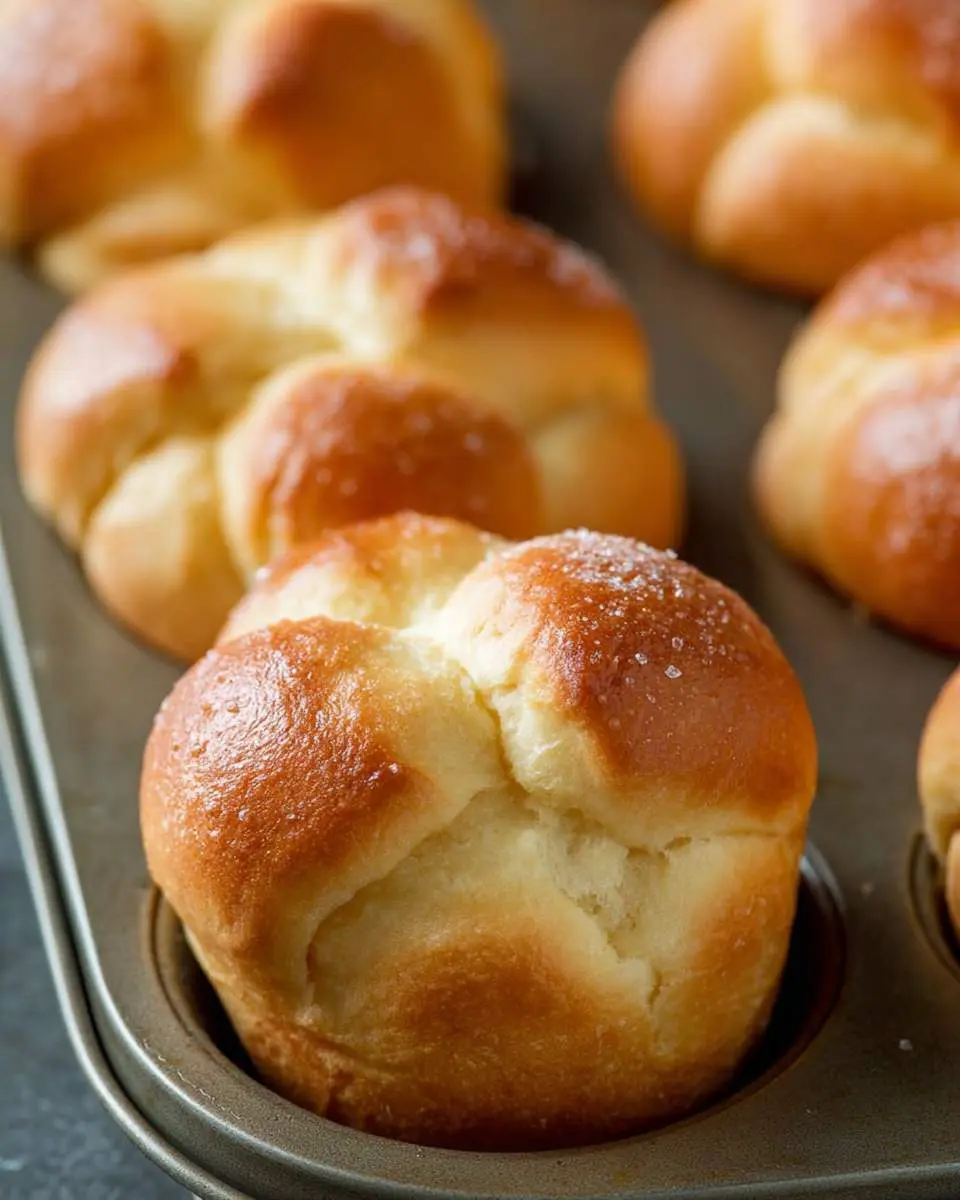
How to Make Cloverleaf Dinner Rolls
The process begins with patience, warming milk to that perfect temperature where it feels like a comfortable bath, not a hot tub. I sprinkle the yeast over the surface and wait for it to bloom into a frothy, fragrant foam that smells like possibility. From there, the dough comes together in a shaggy, sticky mass that transforms under kneading into something smooth and elastic, almost alive beneath my palms. The first rise happens in a warm spot, covered, until the dough doubles and my finger leaves an indentation that stays, slowly, slowly filling back in. Then comes the shaping, my favorite part, dividing the dough into small balls, three per muffin cup, nestled together like they are sharing secrets. They rise again, puffy and soft, before baking into golden domes that fill the kitchen with a smell so good it makes people wander in from other rooms asking what is ready. For anyone who loves that classic soft roll experience, these remind me of the copycat Texas Roadhouse rolls I make when I want that restaurant-style nostalgia.
What I Learned Making These Three Times
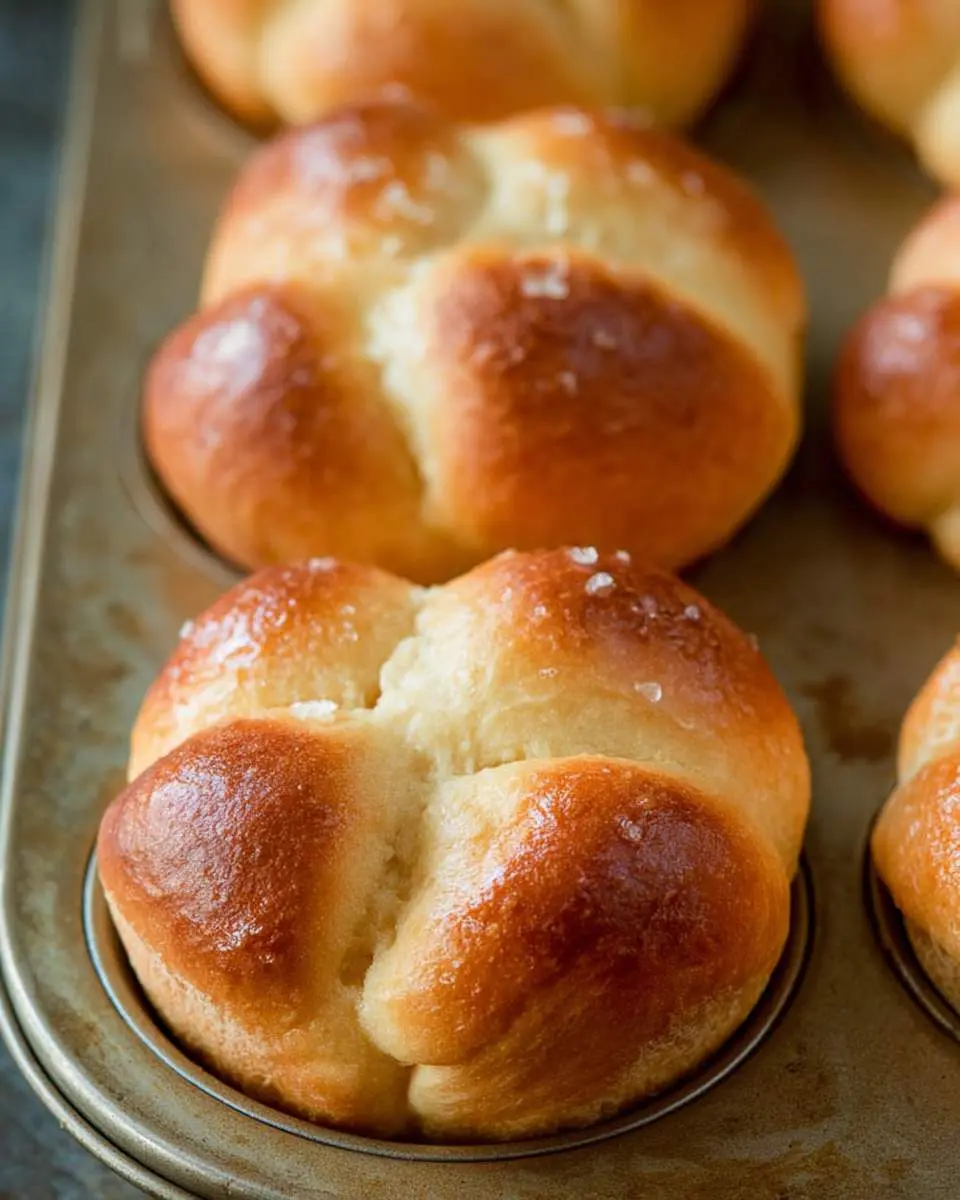
My first batch taught me that rushing the rise never works, the rolls were dense and sad, and I ate them anyway out of stubbornness but did not serve them to anyone else. The second batch showed me that room temperature butter, not melted, incorporates into the dough more evenly, creating that tender crumb instead of greasy pockets. The third batch confirmed what I suspected, that brushing the rolls with melted butter the moment they come out of the oven creates a soft, flavorful crust that stays good even the next day. My Secret Trick: I now place a shallow pan of hot water on the bottom rack while these bake, the steam helps the rolls expand tall before the crust sets, giving them that bakery-style lift I could never achieve before.
How to Store Cloverleaf Dinner Rolls
- Room temperature: Store in an airtight container or zip-top bag for up to 2 days, the butter in the dough keeps them soft
- Refrigerator: Not recommended, the cold dries out enriched doughs and changes the texture
- Freezer: Cool completely, wrap tightly in plastic then foil, freeze up to 3 months, thaw overnight on the counter
- Reheating: Wrap in foil and warm in a 325F oven for 10 minutes, or microwave 15 seconds with a damp paper towel
Why These Rolls Belong on Your Table
Cloverleaf Dinner Rolls bring something special to weeknight dinners and holiday tables alike, the individual portions feel elegant without being fussy, and the enriched dough provides lasting energy from complex carbohydrates and the protein in milk and butter. Unlike lean breads that stale within hours, the fat content here means these stay genuinely good for a couple of days, making them practical as well as delicious.

FAQs
Can I make the dough ahead and refrigerate it overnight?
Yes, and I do this often when I am hosting. After the first rise, punch down the dough and refrigerate it in an oiled bowl, covered tightly. The cold slows fermentation and actually develops better flavor. The next day, let it sit at room temperature for about 30 minutes before shaping, then proceed with the second rise and baking as usual.
Why did my rolls not rise properly?
Dead yeast is usually the culprit, always proof it first if you are unsure. Temperature matters too, if your kitchen is cold, find a warmer spot like near a heating vent or inside a turned-off oven with the light on. Drafts kill yeast activity, so keep that rising dough protected and cozy.
Can I use bread flour instead of all-purpose?
You can, but your Cloverleaf Dinner Rolls will be chewier and less tender than intended. Bread flour has more protein, which creates stronger gluten structure, great for artisan loaves but not ideal for soft dinner rolls. Stick with all-purpose for that pillowy texture that pulls apart so beautifully.
How do I know when they are done baking?
Look for deep golden brown tops and a hollow sound when you tap the bottom of one roll. An instant-read thermometer should register 190F in the center. Do not rely on color alone, ovens vary, and underbaked rolls will be gummy inside while overbaked ones dry out quickly.
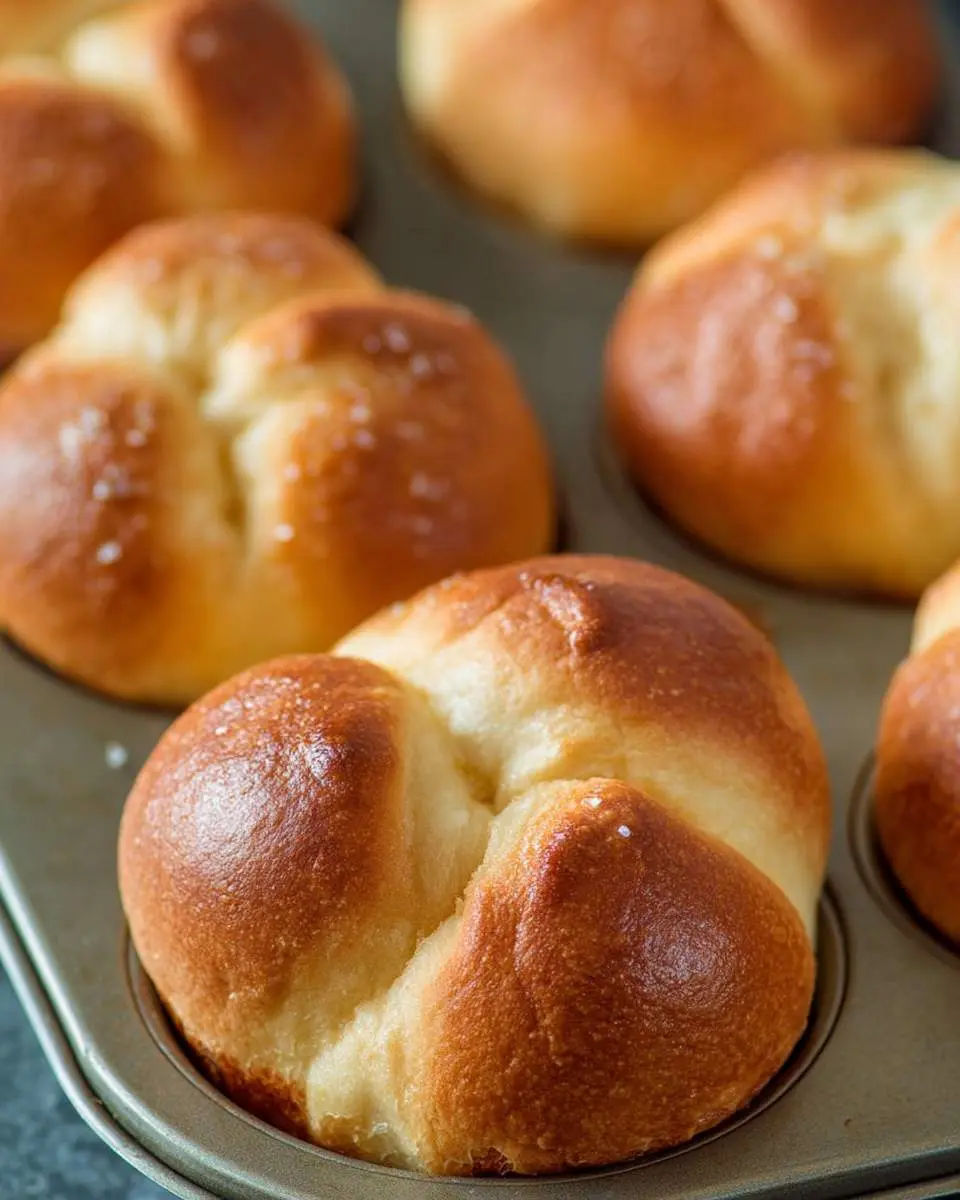
Cloverleaf Dinner Rolls
Ingredients
Equipment
Method
Notes
Conclusion
I hope these Cloverleaf Dinner Rolls bring as much warmth to your table as they have to mine. There is something deeply satisfying about bread you made yourself, something that makes ordinary meals feel like occasions. If you are ready to tackle more homemade bread projects, my guide to making perfect burger buns uses similar techniques and might be your next weekend project.
Follow us on Social Media : Pinterest