
The first time I pulled a loaf of homemade bread from my own oven, I stood in my kitchen and just breathed. That warm, yeasty sweetness filled the whole house, and I knew I had stumbled onto something I would never stop chasing. Amish White Bread was that gateway loaf for me. the one that finally made bread baking feel possible, not intimidating.
My grandmother never wrote her recipes down. She measured flour by feel, added water until the dough “looked right,” and her bread was always perfect. I spent years trying to capture that same soft, pillowy crumb she achieved without ever owning a stand mixer. This recipe gets me closer than anything else I have tried.
What I love most is how forgiving it is. You do not need fancy equipment or bread-baking experience. If you have ever wanted to fill your kitchen with that incomparable smell of fresh bread, this is where you start. I also make a mean Italian herb and cheese bread when I want something savory, but this white bread remains my comfort standard.
Why This Dough Comes Together So Beautifully
The magic here lives in the fat and the sugar. Vegetable oil keeps the crumb tender and extends freshness far beyond lean breads, while the sugar does more than add sweetness. it feeds the yeast and helps create that golden, soft crust everyone fights over. I use bread flour for the protein structure, but the real secret is patience during the rise. Amish White Bread rewards a slow, warm proof with texture that practically melts. I also keep coming back to cloverleaf dinner rolls when I want individual portions, but this loaf satisfies something deeper in me.
How to Make Amish White Bread
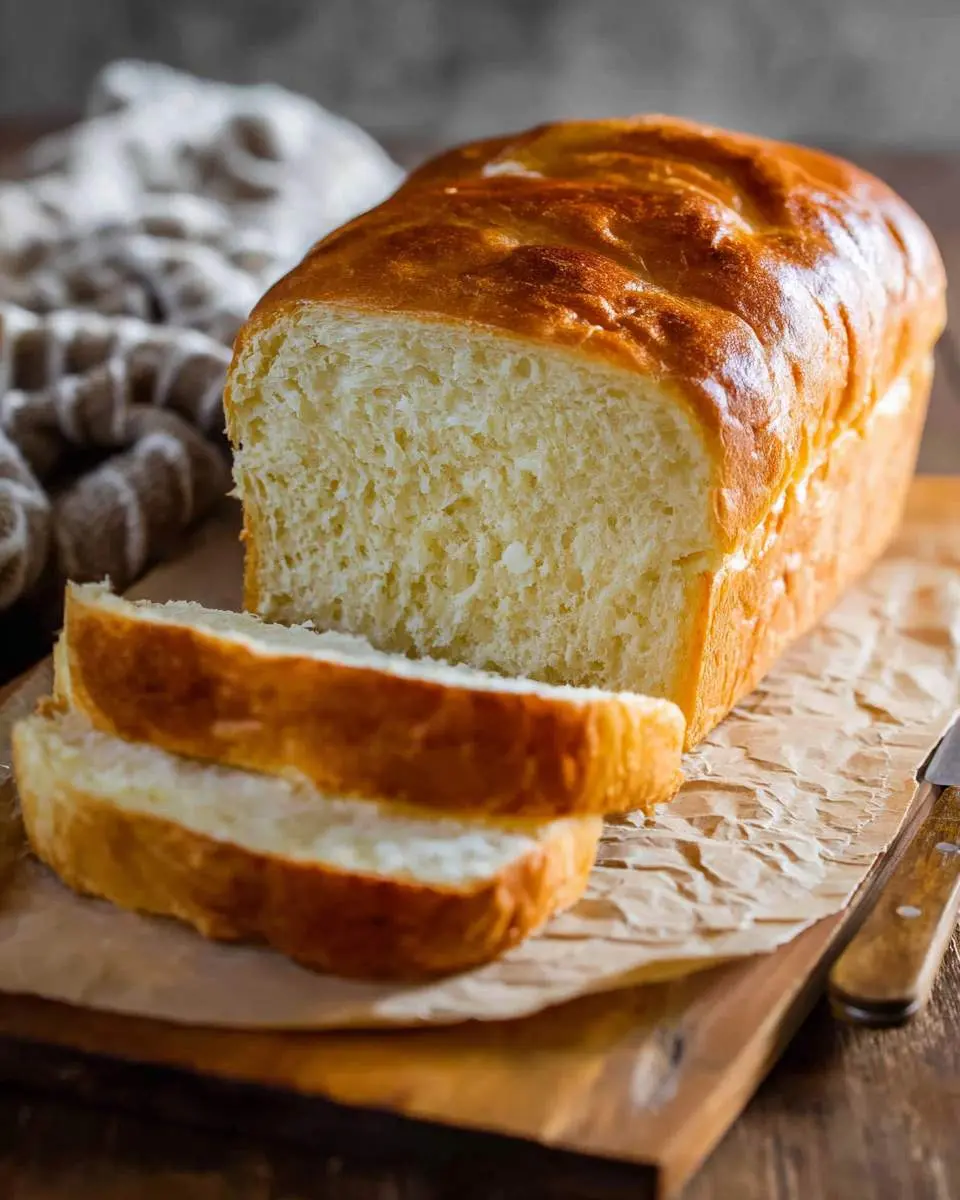
I start by proofing my yeast in warm water with a pinch of sugar, watching for that foamy bloom that tells me my yeast is alive and hungry. The mixing happens in stages. wet ingredients first, then flour incorporated gradually until a shaggy mass forms. Kneading transforms everything. I push and fold until the dough turns smooth and elastic, no longer sticky but still soft as a baby’s cheek. The first rise takes about an hour in my warmest spot, the dough doubling and pressing gently back when I poke it. I punch it down, shape it into loaves, and let it rise again in greased pans. The oven preheats to 350°F, and I bake until the tops turn deep golden and the hollow thump sounds right. That moment when you turn a loaf out and tap the bottom. pure satisfaction. For a crustier alternative, I sometimes bake French bread instead, but this soft sandwich loaf has my heart.
What I Learned After Baking This Ten Times
My kitchen runs cool in winter, so I learned to create a proofing box using my oven with just the light on. The gentle warmth cuts rising time and gives more consistent results than hoping my drafty kitchen cooperates. Temperature matters enormously for the initial water. too hot kills yeast, too cold slows everything down. I aim for bathwater warm, the temperature that feels neutral against my wrist.
Resist adding extra flour during kneading. The dough should feel slightly tacky; excess flour creates dense, dry bread. Trust the process even when it feels too sticky.
My Secret Trick: I brush melted butter over the hot loaves immediately after baking, then again five minutes later. This creates the softest, most irresistible crust imaginable. the kind that tears gently and practically begs for jam.
How to Store Amish White Bread
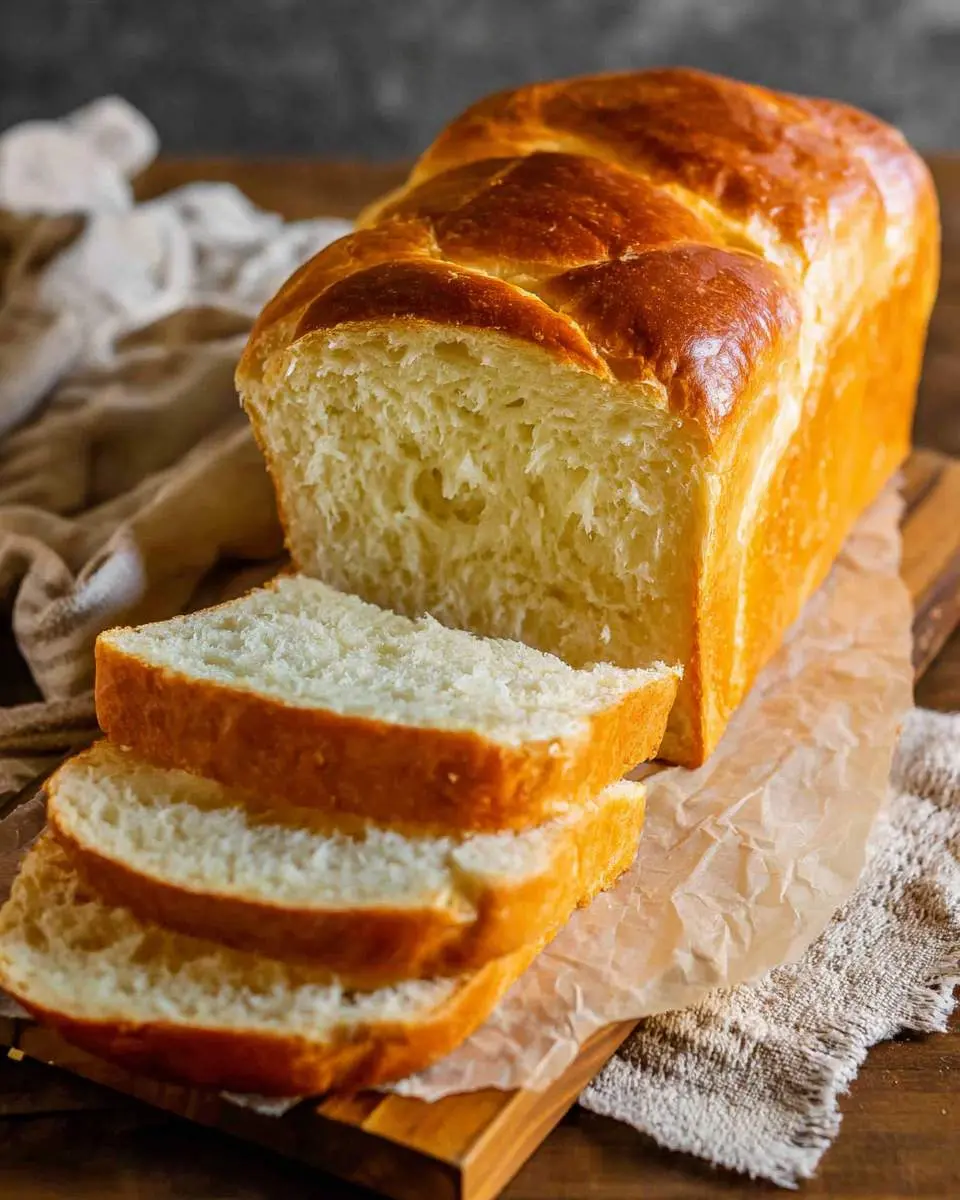
- Room temperature: Store completely cooled loaves in a bread box or paper bag for 2-3 days maximum; plastic traps moisture and ruins the crust
- Refrigerator: Not recommended. refrigeration accelerates staling and dries out the crumb faster than leaving it out
- Freezer: Wrap cooled loaves tightly in plastic wrap, then foil, and freeze up to 3 months; slice before freezing for easy single servings
- Reheating: Thaw frozen bread at room temperature, then warm in a 300°F oven for 10 minutes wrapped in foil to restore that fresh-baked softness
Why This Bread Belongs in Your Regular Rotation
Amish White Bread offers genuine nourishment beyond comfort. The eggs contribute protein and richness, while the milk adds calcium and creates that tender crumb structure. Unlike store-bought loaves with preservatives and unpronounceable additives, you control every ingredient here. I feel good serving this to my family knowing exactly what went into it. simple, real food that sustains body and spirit together.

FAQs
Can I use all-purpose flour instead of bread flour?
Yes, though the texture changes slightly. Bread flour’s higher protein creates stronger gluten and a loftier rise. All-purpose works in a pinch. your loaves will be a bit more tender and slightly less tall, but still delicious. I have made it both ways when my pantry runs low.
Why did my bread turn out dense and heavy?
Usually this means the yeast did not activate properly or the dough was rushed. Check that your water was warm enough to wake the yeast but not hot enough to kill it. Give both rises their full time. rushing creates tight, heavy crumb instead of the light texture you want.
Can I make this recipe in a bread machine?
Absolutely. Add wet ingredients first, then dry, with yeast on top. Use the basic white bread cycle. I prefer hand-shaping for the satisfaction, but the machine produces consistent results when I am short on time. Reduce the recipe by half for single-pound loaf machines.
How do I know when the bread is fully baked?
The internal temperature should reach 190°F on an instant-read thermometer. Visually, the crust turns deep golden brown and pulls slightly from the pan sides. The classic test: turn out and thump the bottom. a hollow sound means it is done. Amish White Bread should never sound dull or heavy.
Amish White Bread
Ingredients
Equipment
Method
Notes
Conclusion
Some recipes become part of your kitchen identity, and Amish White Bread is absolutely one of mine. I hope it becomes part of yours too. that first successful loaf changes everything. If you are exploring heritage grains, try my einkorn sandwich bread next. Happy baking.
Follow us on Social Media : Pinterest