
There’s something truly magical about a perfectly baked loaf of Sourdough Sandwich Bread—the crust yielding to a soft, airy interior, ideal for any filling. It evokes memories of my grandmother’s kitchen, where every meal started with a warm, comforting slice. Just like our Sourdough Herb Garlic Twist Loaf, this recipe proves homemade bread can be both elegant and simple.
I remember as a little girl, spending hours watching her hands work the dough, the rhythmic kneading a soothing lullaby. She always said, “Food made with love tastes the best,” a philosophy still guiding my cooking today.
This recipe for Sourdough Sandwich Bread promises a hearty, satisfying loaf that’s surprisingly low-stress, perfect for a busy family’s schedule. My secret for a consistent rise? Always use an active, bubbly starter – it makes all the difference!

What You Need to Make This Recipe
Crafting this delightful bread starts with a few wholesome ingredients like active sourdough starter, warm water, and bread flour for that perfect texture. I’m also a big fan of how a touch of olive oil and sugar helps create a tender crumb, much like the richness in our Honey Oat Sourdough Bread Recipe. You’ll find the complete list and precise measurements for this delicious sourdough sandwich bread in the recipe card below.
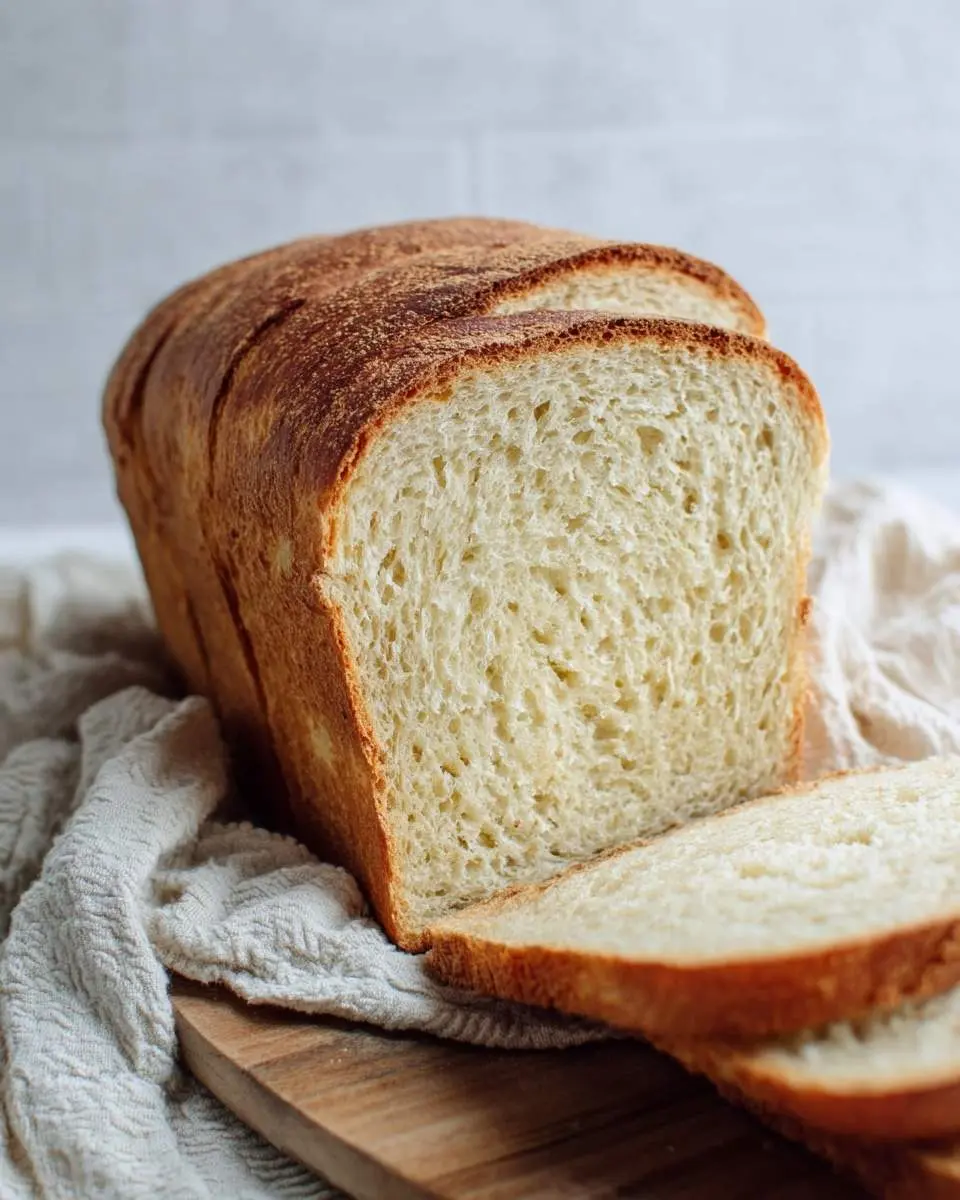
How to Make Sourdough Sandwich Bread
Making this Sourdough Sandwich Bread unfolds over a couple of days, transforming simple ingredients into a comforting loaf. Day one starts with evening pre-prep, followed by mixing and bulk fermentation on day two. Shaping and proofing happen later on day two, culminating in fresh-baked bread on day three morning, a process similar to our Pepperoni Roll Sourdough Bread. It’s a rhythmic, rewarding process, perfect for a slow weekend.
Pro Tips for Making This Sourdough Sandwich Bread
Getting that perfect, fluffy interior with a beautiful crust on your homemade loaf is easier than you think.
- Don’t Rush the Proof: Patience is key! I’ve learned that letting the dough take its time, especially the second proof, makes a world of difference for a light, airy texture.
- Handle Gently: After bulk fermentation, handle the dough minimally during shaping to preserve air bubbles.
- Steam is Your Friend: For a truly golden, crisp crust, I recommend creating a steamy oven environment during initial baking.
My Secret Trick: I always ensure my active sourdough starter is bubbly and at its peak before mixing. A strong starter gives your Sourdough Sandwich Bread the best possible lift and flavor.

Fun Variations for Sourdough Sandwich Bread
One of the joys of baking is experimenting, and this bread is wonderfully adaptable. I love adding different elements for my family, much like the twists in our Orange Cranberry Sourdough Bread.
- Herbs and Garlic: Mix in dried Italian herbs and garlic powder for a savory loaf.
- Cheese Please: Fold in shredded cheddar or Gruyere for wonderfully cheesy bread.
- Whole Wheat Blend: Substitute up to 25% of the flour with whole wheat for a nuttier flavor. This gives the sourdough sandwich bread a slightly denser texture.
What to Serve With Sourdough Sandwich Bread
This versatile bread is truly the star of any meal, whether for a hearty sandwich or alongside a comforting soup.
- Hearty Soups: Nothing beats dipping a thick slice into a warm bowl of lentil soup or a beef stew. It’s my go-to for soaking up every last bit of flavor.
- Avocado Toast Elevated: Mash ripe avocado with red pepper flakes and lime, then spread on toasted Sourdough Sandwich Bread. Top with a poached egg for a protein-packed breakfast.
- Simple Side: A fresh slice with butter is often all you need to round out a weeknight dinner, like roasted chicken or a vibrant garden salad.
My practical tip? Always have good quality olive oil for dipping – it truly enhances the natural flavors!

How to Store Sourdough Sandwich Bread
To keep your homemade bread fresh, proper storage is key. Once completely cooled, I recommend storing it at room temperature in an airtight bread bag or container for up to 3-4 days. For longer storage, slice the loaf and freeze in a freezer-safe bag for up to a month. Reheat individual slices in a toaster or oven for that fresh-baked taste. My personal trick for preserving its tender crumb is to avoid refrigerating it, as the cold can dry out your sourdough sandwich bread faster.
Nutritional Benefits
This homemade bread offers more than incredible flavor; it’s a nutritious choice for your family. The fermentation process makes the nutrients more bioavailable and can be easier on digestion, contributing to a wholesome and satisfying sourdough sandwich bread meal.
FAQs
Can I use whole wheat flour for Sourdough Sandwich Bread?
Yes, substitute up to 25% of the bread flour with whole wheat for a denser, nuttier loaf. Remember, whole wheat flour absorbs more liquid, so adjust water as needed for your sourdough sandwich bread.
How do I know if my sourdough starter is active enough for Sourdough Sandwich Bread?
Your starter is ready for baking sourdough sandwich bread when it’s bubbly, doubled in size after feeding, and passes the float test. If a small spoonful floats in water, it’s active! This ensures a beautiful rise.
Why is my Sourdough Sandwich Bread dense?
Density can result from an inactive starter, under-proofed or over-proofed dough, or insufficient kneading. For perfect sourdough sandwich bread, ensure a strong starter and watch the dough’s rise closely.
What is the best way to slice fresh Sourdough Sandwich Bread?
Let the loaf cool completely. Use a sharp serrated knife with a gentle sawing motion to avoid squishing. This preserves the structure and gives perfect slices of your sourdough sandwich bread every time.
Soft Sourdough Sandwich Bread
Ingredients
Equipment
Method
Notes
Conclusion
Baking your own Sourdough Sandwich Bread is a deeply rewarding experience, filling your home with an aroma that speaks of warmth and comfort. This recipe is designed to bring that joy and wholesome goodness to your family table with minimal stress. I truly hope you find as much satisfaction in creating and sharing this tender, flavorful loaf as I do. It’s a simple pleasure that nourishes both body and soul.
Follow us on Social Media : Pinterest