
There’s nothing quite like the aroma of freshly baked bread filling your kitchen, and a homemade Italian bread loaf brings an unparalleled sense of comfort and joy. This crispy, chewy bread, with its golden crust and airy interior, transports me back to bustling market days and family dinners. It’s truly a labor of love that nourishes the soul, much like preparing a hearty Cranberry Walnut Bread on a chilly morning.
I remember as a child, my Nonna’s kitchen was always warm, usually from a loaf rising on the counter. She taught me that the simplest ingredients, handled with care, yield the most extraordinary results. Those memories cemented my lifelong love for baking and sharing wholesome meals.
This Classic Crusty Italian Bread recipe is designed to be low-stress, offering a deeply satisfying taste without demanding hours of your day. It’s perfect for adding a touch of homemade warmth to any meal, providing a hearty and comforting addition that everyone will love. My secret? Don’t rush the proofing process—good things come to those who wait!
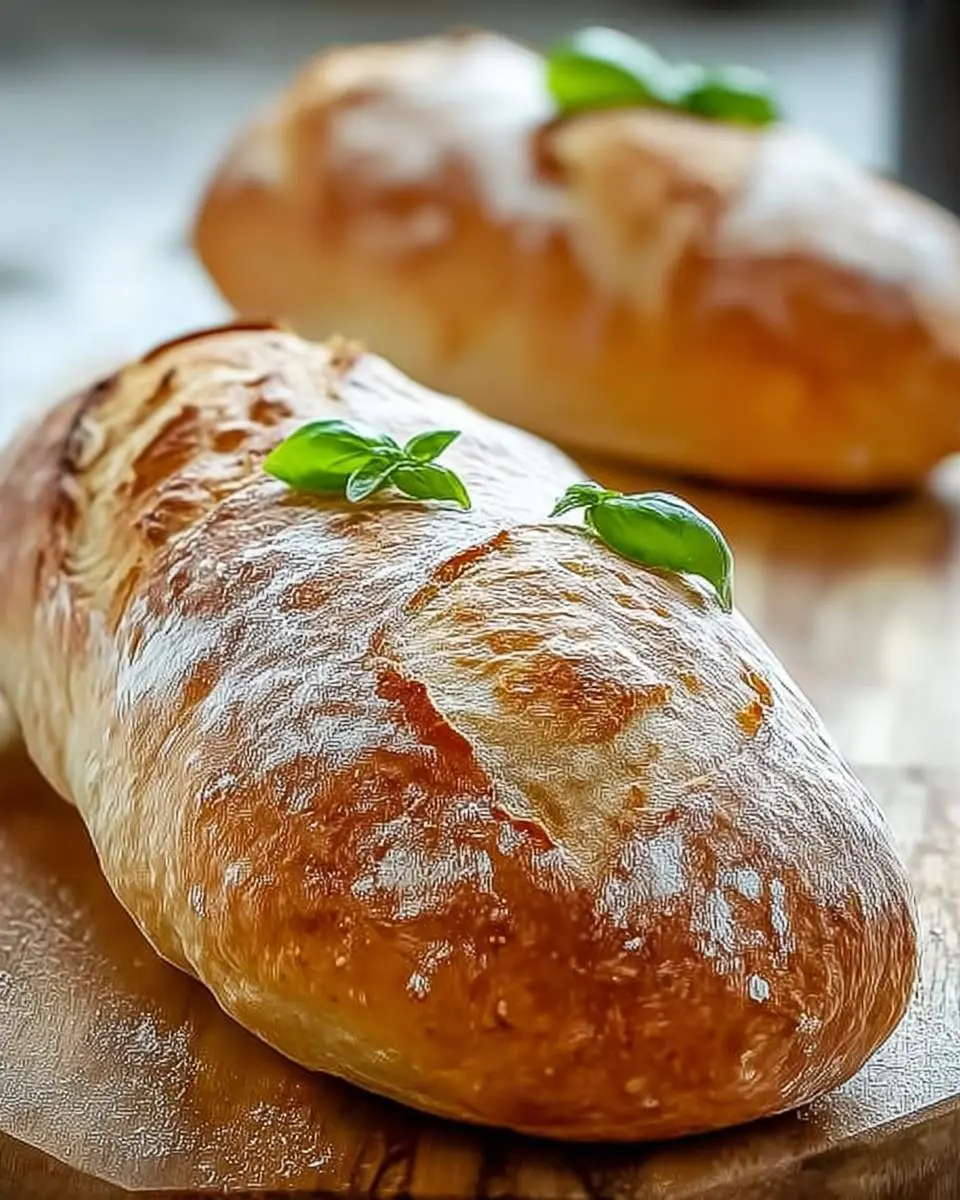
What You Need to Make This Recipe
Crafting this delightful Italian bread relies on simple pantry staples like active dry yeast and all-purpose flour, which come together to create that signature chewy texture. I always appreciate how a few basic ingredients can transform into something so incredible, much like the simplicity of 3-Ingredient Avocado Bread. The full list of ingredients and precise measurements are detailed in the recipe card below.
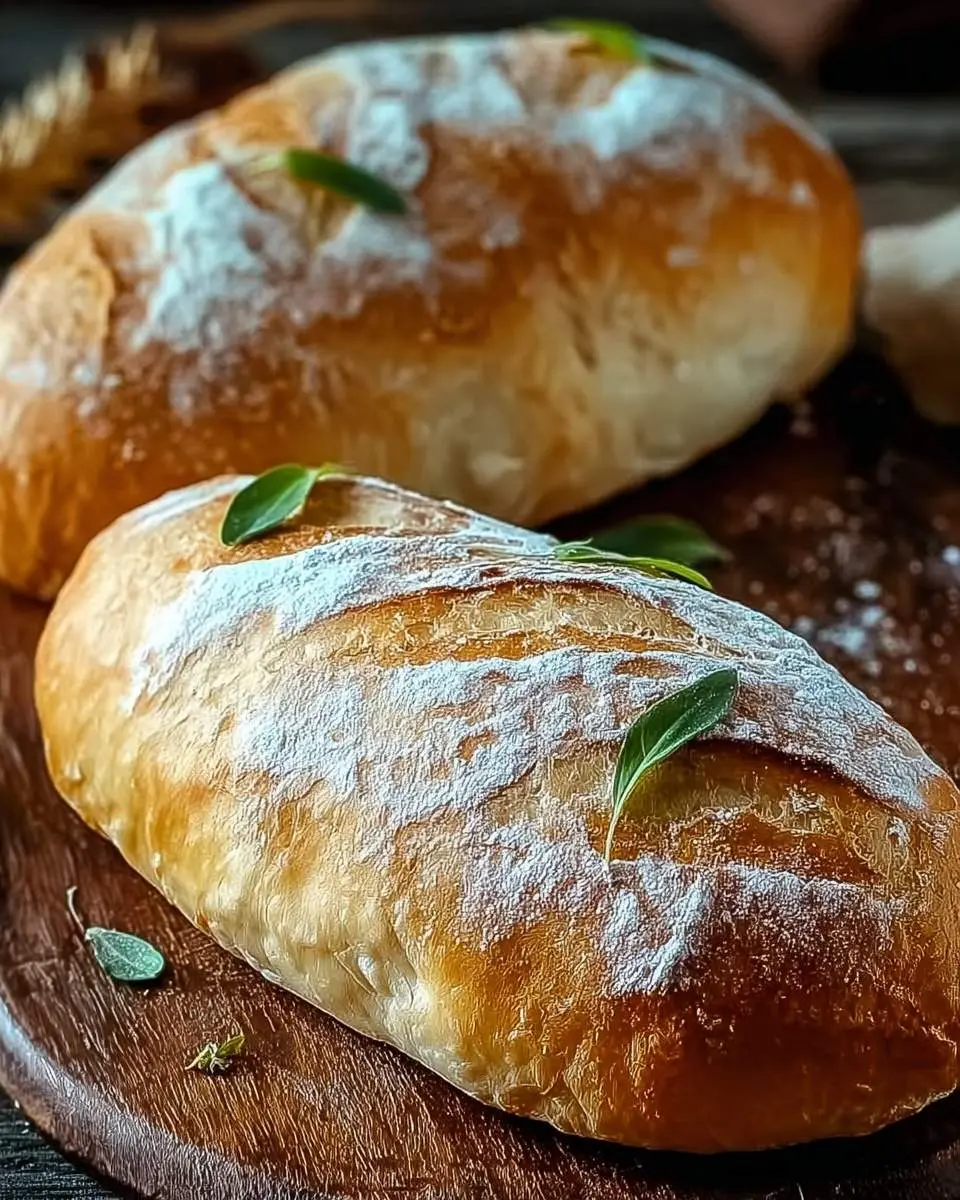
How to Make Italian bread
Creating this beautiful loaf of Italian bread involves a few simple steps that bring warm, bakery-fresh goodness to your table. You’ll begin by preparing the dough, allowing it to go through its first essential rise, then shaping it into perfect loaves. A second rise develops the texture and flavor, culminating in baking the bread to a golden, crusty perfection, much like the satisfying process of making a classic Pumpernickel Bread.
Pro Tips for Making This Italian bread
Achieving that perfect golden crust and airy interior for your Italian bread is simpler than you might think with a few of my tried-and-true tips. Don’t be afraid of the dough; it’s more forgiving than you imagine!
Hydration is Key
Ensure your warm water is the right temperature (around 105-115°F) to properly activate the yeast. Too hot, and it kills the yeast; too cold, and it won’t activate. This is crucial for a good rise.
Don’t Over-Flour
When kneading, resist the urge to add too much extra flour. A slightly sticky dough leads to a more tender crumb. Just use enough to prevent excessive sticking to your hands and the counter.
My Secret Trick: For an extra crispy crust, I always place a shallow pan of hot water on the bottom rack of the oven during the first 10-15 minutes of baking. The steam works wonders!
Fun Variations for Italian bread
While classic Italian bread is wonderful on its own, it’s also a fantastic canvas for creative additions! I love experimenting with flavors, much like finding new ways to enjoy Blueberry Zucchini Bread depending on the season. Here are a few ideas to get you started:
Herb Infusion
Before the second rise, knead in a tablespoon of dried Italian herbs, a sprinkle of garlic powder, or finely chopped fresh rosemary for an aromatic twist.
Cheesy Goodness
Fold in half a cup of shredded Parmesan or a blend of Italian cheeses during the final kneading phase for a rich, savory loaf that’s perfect with pasta.
Olives and Sun-Dried Tomatoes
For a Mediterranean flair, add chopped Kalamata olives and sun-dried tomatoes (drained well) to the dough. This creates a flavorful bread that’s perfect for dipping.

What to Serve With Italian bread
A warm, crusty loaf of Italian bread is incredibly versatile, making it the perfect accompaniment to countless meals. It shines brightest when paired with dishes that allow it to soak up delicious sauces or simply be enjoyed with a flavorful spread.
- Hearty Soups and Stews: Think minestrone, lentil soup, or a beef stew. The bread is perfect for dipping and soaking up every last drop.
- Pasta Dishes: A classic pairing! Serve alongside your favorite marinara, alfredo, or pesto pasta.
- Olive Oil and Balsamic: For a simple yet elegant appetizer, offer a small bowl of high-quality olive oil and balsamic vinegar for dipping.
- Fresh Salads: A vibrant salad with a tangy vinaigrette offers a refreshing contrast to the rich bread.
My practical tip is to always have a good quality olive oil on hand. It elevates even the simplest slice of this delightful bread.
How to Store Italian bread
To keep your homemade Italian bread fresh and delicious, proper storage is key. Once completely cooled, store the loaf at room temperature in a paper bag inside a plastic bag or an airtight container for 2-3 days. This method helps maintain its crispy crust and soft interior.
For longer storage, slice the bread and freeze it in an airtight freezer bag for up to 2-3 months. To reheat, simply toast slices directly from frozen or thaw a whole loaf at room temperature, then refresh in a 350°F oven for 10-15 minutes until warmed through and crusty again. I always find that reheating slowly brings the dish back to life, making it taste freshly baked!
Nutritional Benefits
This classic Italian bread provides a satisfying source of complex carbohydrates, offering sustained energy for busy families. Made with simple ingredients, it’s a wholesome and comforting addition to any meal, perfectly aligning with my philosophy of nourishing the body without unnecessary stress.
FAQs
How do I get a really crispy crust on my Italian bread?
For an extra crispy crust on your Italian bread, create steam in your oven. You can do this by placing a shallow pan of hot water on the bottom rack during the first 10-15 minutes of baking. This steam helps develop a beautiful, crackling exterior.
Can I make the Italian bread dough ahead of time?
Absolutely! You can prepare the Italian bread dough the day before. After the first rise, punch it down, shape your loaves, and then cover them loosely with plastic wrap before refrigerating overnight. Let them come to room temperature and do their second rise before baking.
What’s the best way to slice Italian bread without squishing it?
To slice your Italian bread cleanly without squishing, ensure it has cooled completely before cutting. Use a sharp, serrated bread knife with a gentle sawing motion, rather than pressing down. This technique helps preserve the bread’s airy structure.
Why didn’t my Italian bread rise properly?
Several factors can cause your Italian bread to not rise. The most common reasons are inactive or expired yeast, water that’s too hot or cold for activation, or an insufficient proofing time. Ensure your yeast is fresh and your water temperature is just right.
Classic Crusty Italian Bread
Ingredients
Equipment
Method
Notes
Conclusion
Baking your own Classic Crusty Italian bread is a truly rewarding experience, bringing not just a delicious loaf to your table but also a sense of warmth and accomplishment. It’s a testament to the idea that wholesome, homemade food can be both simple to create and deeply satisfying. I encourage you to embrace the process; your family will adore the fresh-from-the-oven aroma and taste. Happy baking!
Follow us on Social Media : Pinterest