
There’s nothing quite like the dense, dark, and wonderfully complex flavor of homemade pumpernickel bread. This bread isn’t just a loaf; it’s an experience, a journey into rich, earthy notes with a subtle sweetness that transforms any meal into something special. If you’ve enjoyed the sweet nuttiness of cranberry walnut bread, you’ll adore the robust character of this loaf.
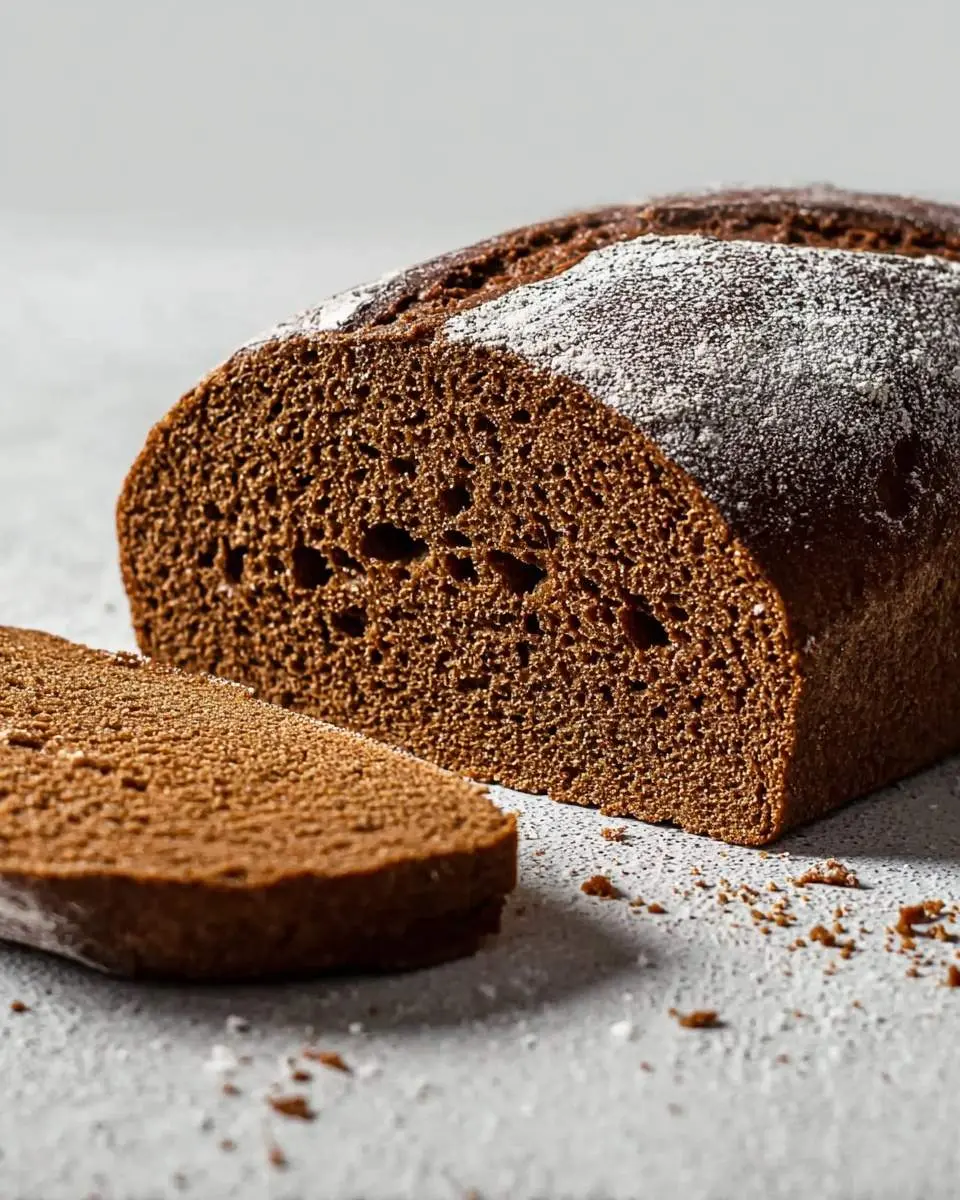
I remember summer afternoons spent in my grandmother’s kitchen, the air thick with the scent of rye and molasses as her pumpernickel loaves cooled on the counter. Each slice was a taste of tradition, a memory baked right in, and it’s a feeling I love to recreate in my own home today.
This hearty German pumpernickel bread recipe is designed to bring that same comforting goodness to your family without any fuss. It’s incredibly satisfying, requires minimal hands-on time despite its longer rise, and offers a delicious way to enjoy wholesome flavors every day. My top tip? Don’t rush the rising process; patience truly is a baker’s best friend!
What You Need to Make This Recipe
Creating the perfect pumpernickel bread starts with simple, wholesome ingredients like dark rye flour, rich molasses, and a hint of cocoa for that signature deep color and flavor. Just like making our fluffy burger buns, the quality of your flour truly shines through in the final loaf of this rustic pumpernickel bread. You’ll find the complete list and precise measurements in the recipe card below.
How to Make pumpernickel bread
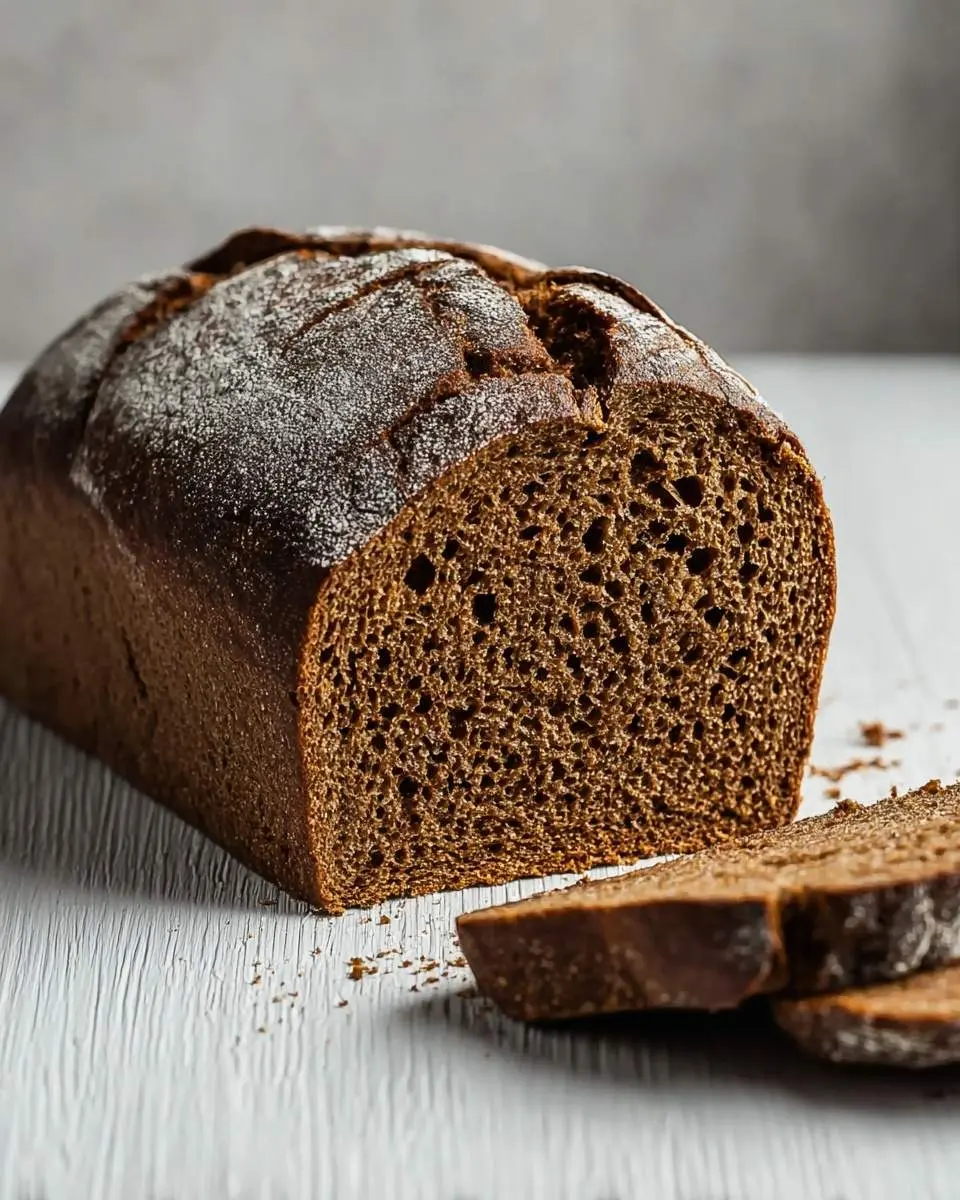
Making this delightful pumpernickel bread is a truly rewarding process, starting with activating your yeast and then combining the wet and dry ingredients. The dough requires a good, long first rise, followed by shaping into a beautiful loaf, and then a second rise before baking to perfection. It might seem like a journey, but it’s an easy one, much like mastering the art of keto brioche bread, resulting in a deeply flavorful loaf that’s worth every moment.
INSERT RECIPE CARD HERE:
Hearty German Pumpernickel Bread
Ingredients
Equipment
Method
Notes
Pumpernickel bread improves in flavor the day after it's baked.
Store leftover pumpernickel bread tightly wrapped at room temperature for up to 5 days, or slice and freeze for longer storage.
The high rye content and molasses make this dough denser and less elastic than typical white bread dough. Don't expect it to double in size as dramatically during the first rise.
Pro Tips for Making This pumpernickel bread
When I’m making pumpernickel bread, I’ve picked up a few tricks over the years to ensure a perfect loaf every time.
- Patience is Key: The long rise times for this pumpernickel bread are essential for developing its deep flavor and characteristic texture. Don’t try to rush it, even if your kitchen isn’t super warm. Slow and steady wins the race here!
- Flour Power: While dark rye flour is non-negotiable for authentic pumpernickel, ensure your bread flour is fresh. It makes all the difference in the structure and chewiness of your loaf.
- My Secret Trick: I always warm my dark molasses slightly before adding it to the wet ingredients. It helps it blend seamlessly and ensures a consistent flavor distribution throughout the dough.
Fun Variations for pumpernickel bread
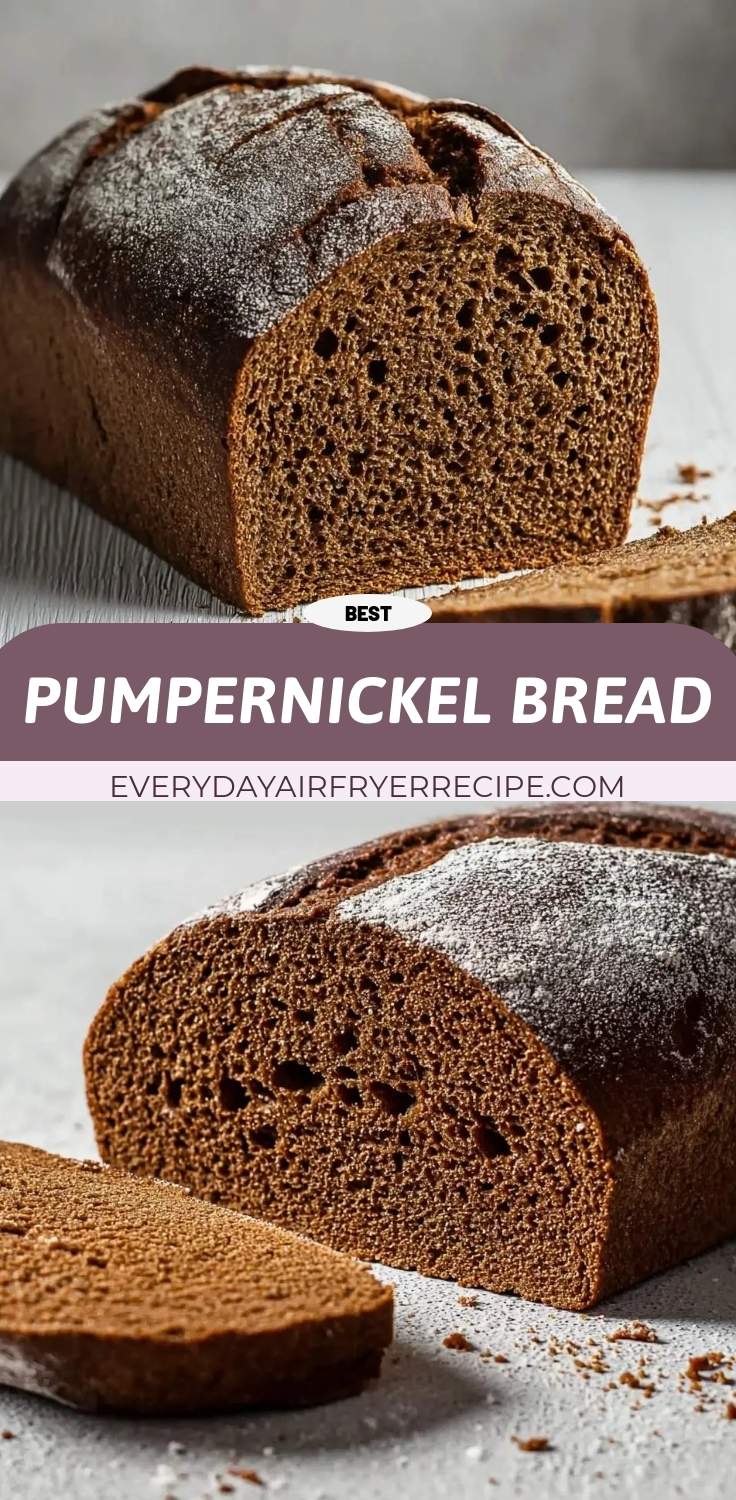
One of the joys of baking is experimenting, and this pumpernickel bread recipe is wonderfully adaptable. I love seeing how simple twists can create a whole new experience!
- Raisin Rye: For a touch of sweetness, I sometimes add a cup of dark raisins to the dough during the last few minutes of mixing. It’s a delightful variation my kids adore, especially toasted with a little cream cheese.
- Onion Infusion: If you love savory notes, try sautéing a small, finely diced onion until caramelized and mixing it into the dough. It adds a fantastic depth that pairs beautifully with the robust flavor of pumpernickel bread.
- Seed Sensation: For extra texture and nutrition, mix in a quarter cup of sunflower seeds or pumpkin seeds. You can also sprinkle some on top before baking for a lovely crust.
What to Serve With pumpernickel bread
This dense and flavorful pumpernickel bread is incredibly versatile, making it a fantastic companion to so many dishes. My family loves it in a variety of ways!
- Classic Deli Style: It’s perfect for open-faced sandwiches with pastrami or corned beef, a slather of mustard, and a pickle.
- Hearty Soups: The robust flavor of this bread stands up beautifully to hearty stews and creamy soups, making it ideal for dunking.
- Cheese Pairings: Serve thick slices with a selection of sharp cheeses and a touch of fruit preserves for an elegant appetizer.
- My practical tip: Toasting slices of pumpernickel bread brings out its nutty undertones even more, making it an excellent base for avocado toast or a simple egg salad.
How to Store pumpernickel bread
To keep your homemade pumpernickel bread fresh and delicious, proper storage is key. I always make sure to store it right to enjoy every last slice!
- Countertop Storage: Once completely cooled, wrap your pumpernickel bread tightly in plastic wrap or aluminum foil, then place it in an airtight container or bread box. It will stay fresh at room temperature for up to 3-4 days.
- Freezing for Later: For longer storage, slice the pumpernickel bread, then wrap individual slices or portions tightly and freeze for up to 3 months. My personal tip is to always freeze a fresh loaf I won’t eat within a few days; it means I always have a delicious, homemade slice ready!
- Reheating: Thaw frozen slices at room temperature or toast directly from frozen until warm and slightly crispy. Whole loaves can be thawed and then gently warmed in a low oven (300°F/150°C) for about 10-15 minutes.
Nutritional Benefits
This hearty pumpernickel bread, made with dark rye flour, is a wonderful source of fiber, supporting healthy digestion and keeping you feeling full longer. It’s a truly satisfying and nourishing bread, perfectly aligning with my philosophy of creating healthy, high-protein meals for busy families.
FAQs
faq 1
Pumpernickel bread gets its signature dark color and deep, rich flavor primarily from the combination of dark rye flour, dark molasses, and sometimes a touch of unsweetened cocoa powder. The long, slow baking process also contributes to its distinct hue and complex taste.
faq 2
Yes, pumpernickel bread is generally considered a healthy choice! It’s high in dietary fiber, which aids digestion and can help regulate blood sugar. Made with whole grain rye, it offers more nutrients than many lighter breads.
faq 3
The main difference lies in the type of flour and baking process. Pumpernickel bread uses dark rye flour, often includes molasses and cocoa, and undergoes a longer, slower bake. Regular rye bread can be made with lighter rye flours and has a quicker baking time, resulting in a less dense and lighter-colored loaf.
faq 4
To keep your pumpernickel bread from being too dense, ensure your yeast is active and the dough has had sufficient time for both its first and second rises. Don’t over-knead the dough, and always measure your ingredients precisely, especially the flour, to maintain the right hydration.
Conclusion
Baking homemade pumpernickel bread is a labor of love that truly pays off, filling your home with an aroma that signals warmth and wholesome goodness. This recipe offers a deeply flavorful, protein-packed bread perfect for any meal, proving that nourishing your family can be both delicious and stress-free. So roll up your sleeves, embrace the process, and soon you’ll be enjoying the rich rewards of your own freshly baked pumpernickel bread, just like my delightful almond flour rolls. Happy baking, friends!
Follow us on Social Media : Pinterest