
The aroma of freshly baked French Bread brings me right back to my grandmother’s kitchen, where every weekend felt like a culinary adventure. There’s something truly magical about a loaf with a perfectly crispy crust and a tender, airy interior – a simple pleasure that elevates any meal. If you’ve ever dreamt of crafting your own artisan-style bread at home, perhaps after mastering easy options like my burger buns, this recipe is for you.
I remember summer afternoons, flour dusting every surface, as my aunt taught me the delicate dance of kneading and shaping dough. It wasn’t just about the bread; it was about the joy of creating something nourishing from scratch, a tradition I’ve carried into my own family kitchen.
This recipe for classic baguette-style bread is surprisingly low-stress, yielding incredibly satisfying results that feel straight out of a boulangerie. My practical tip for busy families? Prepare the dough the night before for an easy morning bake!
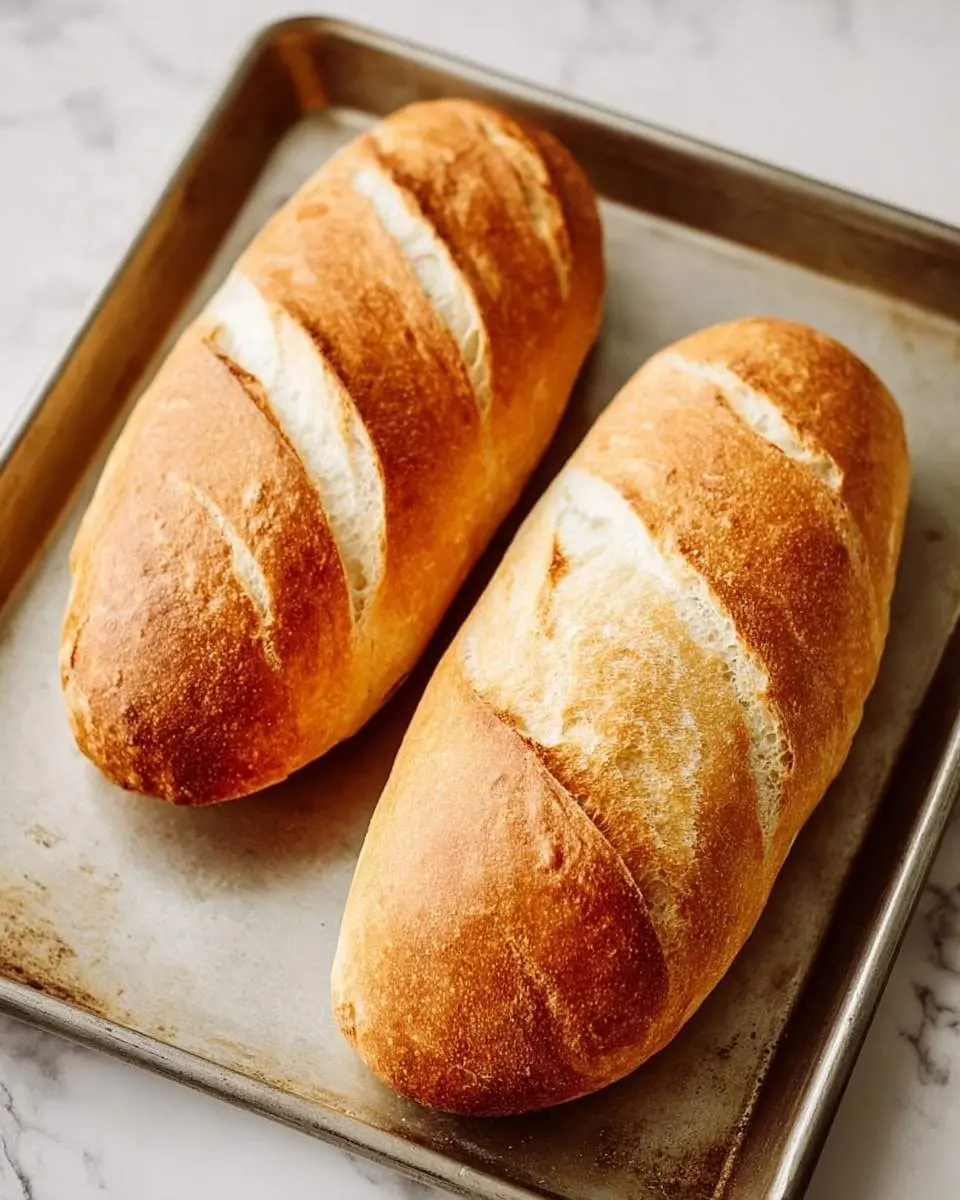
What You Need to Make This Recipe
Crafting this delightful French Bread calls for just a handful of pantry staples like all-purpose flour for that signature texture, active dry yeast to give it life, and a touch of fine sea salt to enhance every bite, much like the simple ingredients that make my cranberry walnut bread so special. You’ll find the full list of measurements and specific instructions in the recipe card below.

How to Make French Bread
Making this classic French Bread involves a few simple steps that come together beautifully: first, you’ll prepare the dough, allowing it to undergo its initial bulk fermentation. Next, shape the dough into elegant loaves, followed by a second rise, or proofing, to develop its airy structure, similar to how we create a light crumb in my 3-ingredient avocado bread. Finally, bake the bread to golden perfection, adding a few ice cubes to the oven for that perfect crust.
Pro Tips for Making This French Bread
Getting that perfect, crusty exterior and chewy interior on your homemade French Bread is easier than you think with a few of my tried-and-true tips. I’ve learned these over years of experimenting, and they always make a difference.
Embrace Patience During Proofing
Good bread takes time. Don’t rush the rising processes; letting the dough double in size naturally is key to a light, airy crumb. My secret is to find the warmest spot in my kitchen, often near a sunny window, to encourage a steady, gentle rise.
Handle Dough Gently
When shaping your baguettes, work with a light touch. Overworking the dough can make your French Bread tough. I always try to maintain as much of the air bubbles as possible from the bulk fermentation.
My Secret Trick: To achieve that incredibly crispy crust, always place a pan with about a cup of ice cubes on the bottom rack of your oven when you preheat it for baking. The steam created works wonders for achieving that signature crunch!

Fun Variations for French Bread
One of the joys of baking is making a recipe your own, and this versatile French Bread is perfect for a little creative flair. My family loves experimenting with different additions, much like how a simple ingredient swap can transform a recipe like my pumpernickel bread.
- Garlic Herb French Bread: Before the second rise, brush the shaped loaves with a mixture of melted butter, minced garlic, and fresh chopped parsley. This adds an incredible aromatic kick!
- Cheesy French Bread: During the last 10 minutes of baking, sprinkle some shredded Parmesan or a blend of Italian cheeses over the top for a savory, golden crust.
- Whole Wheat Blend: For a slightly nuttier flavor and added fiber, I sometimes swap out 1/4 of the all-purpose flour for whole wheat flour. It gives the French Bread a wonderful depth.
- Sesame Seed Crusted: For a delightful texture and taste, brush the loaves with water or an egg wash before the final rise and sprinkle generously with sesame seeds.
What to Serve With French Bread
Crispy French Bread is truly one of the most versatile staples in my kitchen, perfect for soaking up rich sauces or serving as a simple accompaniment.
- Hearty Soups and Stews: There’s nothing quite like dipping a thick slice into a warm bowl of lentil soup or a beef stew on a chilly evening. It’s comfort food at its best!
- Simple Olive Oil and Balsamic: For a light appetizer, a good quality olive oil with a splash of balsamic vinegar is a classic pairing that lets the bread shine.
- Fresh Salads: A crusty piece of French Bread makes a wonderful side to a vibrant garden salad, adding texture and substance to your meal.
- Garlic Bread: Slice it lengthwise, spread with garlic butter, and bake until golden for an instant crowd-pleaser that pairs well with pasta dishes.
My practical tip: Always have a fresh loaf on hand for those impromptu bruschetta nights—a simple, delicious, and stress-free appetizer!
How to Store French Bread
Properly storing your delicious homemade French Bread ensures you can enjoy its fresh taste and perfect texture for longer. For short-term storage, simply place cooled bread in a paper bag at room temperature for up to two days to maintain its crisp crust. If you plan to keep it longer, I always wrap individual portions tightly in plastic wrap, then aluminum foil, and store them in the freezer for up to a month.
To reheat, thaw frozen French Bread at room temperature, then spritz lightly with water and bake in a preheated 375°F (190°C) oven for 5-10 minutes, or until warm and crusty again. Reheating slowly truly brings the bread back to life!
Nutritional Benefits
This homemade French Bread provides a satisfying source of complex carbohydrates, offering sustained energy for busy days. Made with simple ingredients, it’s a wholesome addition to any family meal, aligning with my philosophy of nutritious and comforting food.
FAQs
Can I use instant yeast instead of active dry yeast for this recipe?
Yes, you can use instant yeast! Since instant yeast doesn’t need to be proofed, you can usually mix it directly with the dry ingredients. However, for this Classic Crusty French Bread, I recommend sticking to the recipe’s active dry yeast for optimal rise and flavor development.
Why do you recommend adding ice cubes to the oven when baking French Bread?
Adding ice cubes to the oven during baking creates a burst of steam. This steam is crucial for achieving that signature crispy, golden-brown crust on your French Bread, preventing it from hardening too quickly and allowing the interior to fully expand for a tender crumb.
Can I make the French Bread dough ahead of time and refrigerate it?
Absolutely! Preparing the French Bread dough ahead of time is a fantastic time-saver for busy home cooks. After the first rise, you can gently punch down the dough, place it in an oiled bowl, cover it tightly, and refrigerate it for up to 24 hours. Just let it come to room temperature before shaping and the second rise.
What is the best way to get those signature slashes on my French Bread loaves?
To get those beautiful, characteristic slashes on your French Bread, I recommend using a very sharp knife, a razor blade, or a bread lame. Make quick, confident cuts at a 45-degree angle, about 1/2 inch deep, just before baking. This helps the bread expand properly and gives it a professional finish.
Classic Crusty French Bread (Baguette Style)
Ingredients
Equipment
Method
Notes
Conclusion
Baking your own Classic Crusty French Bread is such a rewarding experience, transforming simple ingredients into a golden, aromatic masterpiece. This recipe offers a path to creating warm, comforting, and practical meals that delight the senses and nourish your family. Don’t be shy; give this French Bread a try and let the magic of homemade bread fill your kitchen!
Follow us on Social Media : Pinterest