
I still remember the first time I opened my air fryer and pulled out something that looked like real bread. The edges were golden and crackly. The center had that perfect chew. And the smell? Like my grandmother’s kitchen, if she’d been into high-protein experiments. That was my introduction to cottage cheese flatbread, and I haven’t bought store-bought flatbread since.
My friend Sarah laughed when I told her what was in it. Cottage cheese? In bread? She was skeptical until she watched me tear a warm piece in half and watched the steam rise. She took one bite, then asked for the recipe before swallowing. That’s the moment I knew this wasn’t just a weird internet trend. This was something worth keeping.
I’ve made this recipe at least twenty times now, tweaking and adjusting until it felt like mine. If you’re curious about other breads that break the rules, my apple cinnamon zucchini bread started as a similar experiment with vegetables hiding in plain sight.
Why Cottage Cheese Changes Everything
The magic here starts with full-fat cottage cheese, not the watery low-fat kind that disappears into nothing. Those curds blend into a batter that bakes up with real structure, real chew, actual bread texture. The eggs bind everything without making it eggy, and a touch of almond flour gives it that slight nuttiness that makes you want another piece. I tried this with ricotta once, and it was fine, but the cottage cheese flatbread version had better rise and a more interesting crumb. If you’re into fruit-forward breads, my raspberry bread uses a similar high-moisture cheese technique that I borrowed from this recipe.
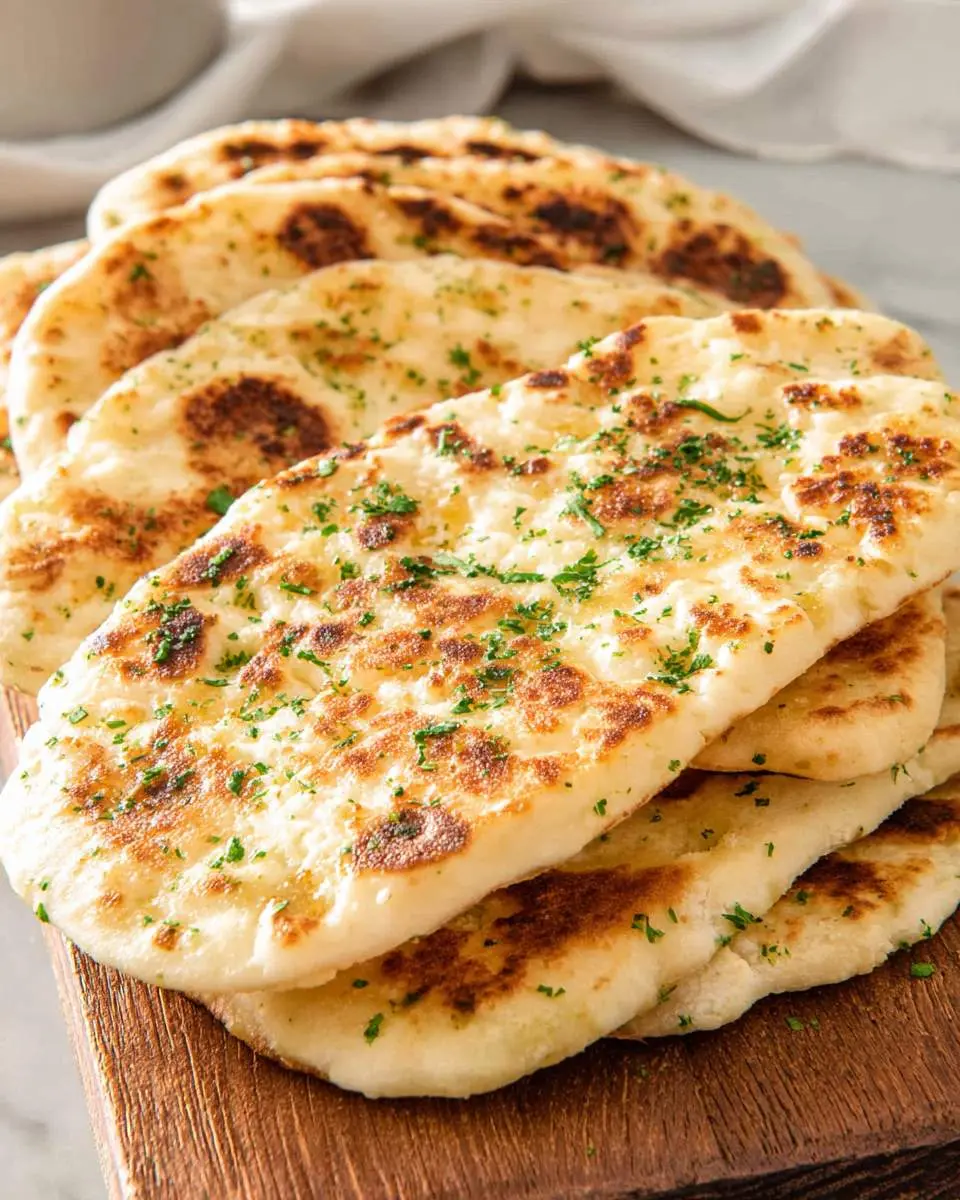
How to Make Cottage Cheese Flatbread
You start by dumping everything into a blender, which feels almost wrong for bread. The cottage cheese whips into something smooth and pourable, like pancake batter with ambition. I pour it into a parchment-lined pan and spread it thin, maybe a quarter inch, because thick doesn’t work here. The air fryer does its thing for about twelve minutes, and you’ll smell it before you see it. that toasty, cheesy aroma that makes you open the drawer early just to peek. The top turns spotted brown, the edges pull away from the paper, and when you flip it, the bottom has these beautiful dark spots that taste like a pizzeria crust. My tomato basil flatbread uses the same flipping technique I perfected here, though that one goes savory in a different direction entirely.
What I Learned After Burning Two Batches
Thin is better than you think. My first attempt was too thick in the center, and I got a gummy middle with crispy edges. The second time I spread it almost to the edges of the parchment, and it cooked evenly throughout. My Secret Trick: Let the batter rest for five minutes after blending. The almond flour hydrates, the bubbles settle, and you get a more predictable bake. Don’t skip this.
Your air fryer matters. I have a basket style, and I rotate the pan halfway through because the back runs hotter. If you have an oven-style, you might not need to, but watch your first batch closely.
Salt location changes the experience. I tried mixing it in, sprinkling on top before baking, and finishing with flaky salt after. Top-sprinkled before baking wins. it creates these little crispy salt pockets that make each bite interesting.
Parchment is non-negotiable. I tried a silicone mat once, and the bottom never crisped properly. The paper lets moisture escape from underneath, which is crucial for that flatbread texture.
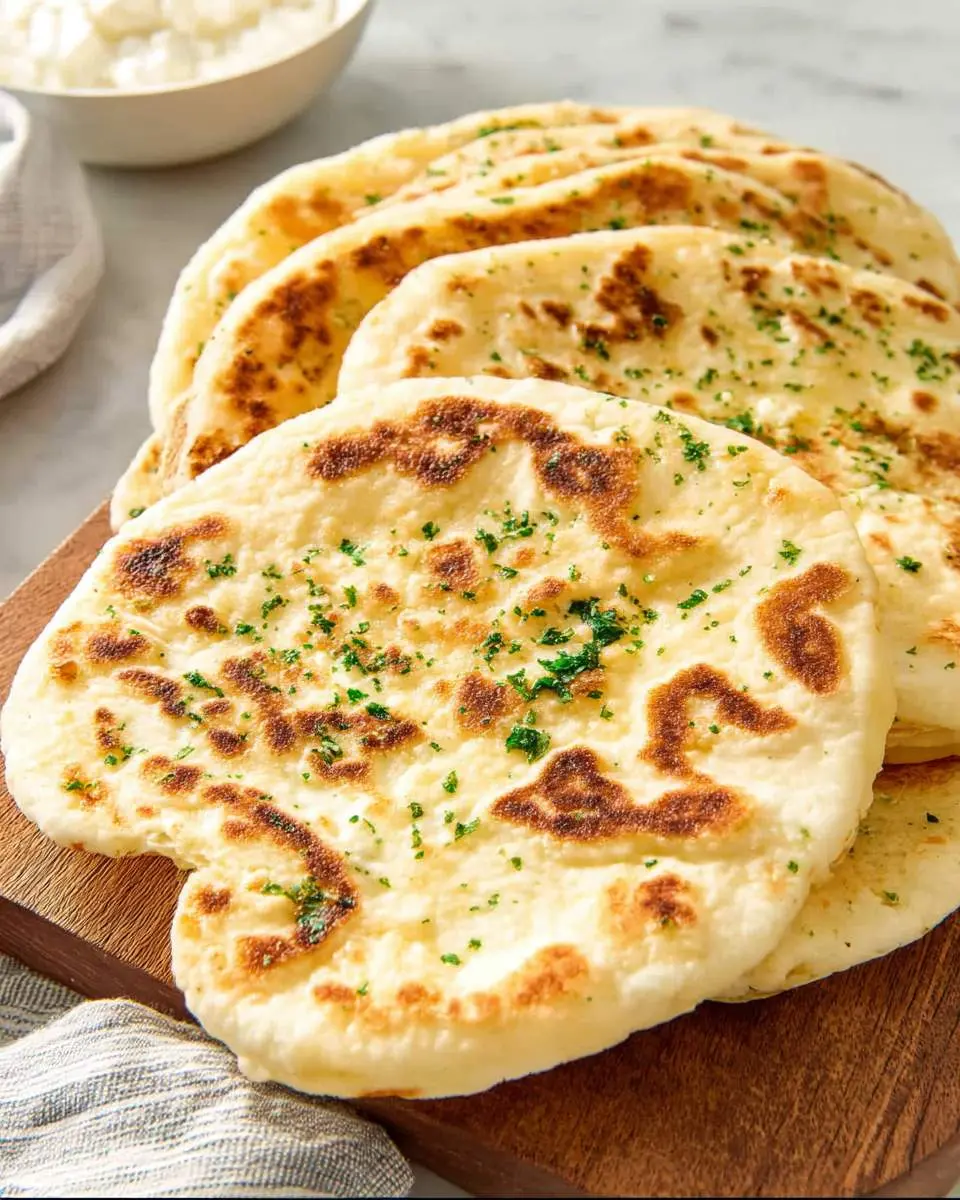
How to Store Cottage Cheese Flatbread
- Refrigerate in an airtight container with parchment between layers for up to 4 days
- Freeze flat in a single layer, then stack with parchment, for up to 2 months
- Reheat in air fryer at 350°F for 2-3 minutes until edges re-crisp
- Do not microwave. it turns rubbery and sad
- Room temperature storage is not recommended due to the cottage cheese content
Why This Bread Fits My Real Life
I keep coming back to cottage cheese flatbread because it actually satisfies my bread cravings without the carb crash that used to ruin my afternoons. The protein from the cottage cheese and eggs keeps me full through actual work, not just until I find snacks. The almond flour adds healthy fats that make it feel substantial. It’s not diet food pretending to be bread. It’s just good bread that happens to work with my body instead of against it.
FAQs
Can I use low-fat cottage cheese instead of full-fat?
You can, but the texture suffers. Full-fat cottage cheese has the richness and structure needed for proper flatbread. Low-fat versions contain more water and less fat, which leads to a gummy, less satisfying result. If full-fat is all you have access to, drain it in a fine mesh strainer for ten minutes first.
Why did my flatbread turn out soggy in the middle?
The batter was too thick in the center. Spread it evenly and thinly, about one-quarter inch throughout. Soggy centers also happen when you open the air fryer too early, releasing steam that collapses the structure. Trust the full cooking time, and check doneness by looking for pulled edges and a firm top.
Can I make this in a regular oven instead of an air fryer?
Yes, bake at 400°F for 15-18 minutes on a parchment-lined sheet pan. The texture will be slightly different. less crispy on the edges, more uniform throughout. I prefer the air fryer for the contrast between the crackly rim and tender center, but the oven version is still excellent.
What toppings work best on cottage cheese flatbread?
Treat it like any flatbread base. I love smashed avocado with everything bagel seasoning, or torn burrata with roasted cherry tomatoes and basil. It also makes an excellent pizza crust with a quick broil after adding sauce and cheese. The mild flavor pairs with almost anything savory.

Cottage Cheese Flatbread
Ingredients
Equipment
Method
Notes
Conclusion
This cottage cheese flatbread has earned its spot in my weekly rotation because it delivers exactly what it promises. real bread texture without the usual trade-offs. If you want to explore more flatbread territory, my garlic herb flatbread takes the same technique in a more aromatic direction. Make this once, and I suspect you’ll be finding excuses to make it again.
Follow us on Social Media : Pinterest