
The first time I pulled a reverse sear steak from my oven, I almost didn’t believe what I was seeing. That deep, rosy center running edge to edge like a perfect sunset, no gray band of overcooked meat in sight. I stood there with my tongs in hand, genuinely shocked that something this beautiful came from my own kitchen.
My grandfather used to sear steaks in a screaming hot cast iron skillet, filling the house with smoke and setting off every alarm. I loved those steaks, but I was always that person cutting into the thickest part, hoping it wasn’t still cold in the middle. Learning this method felt like discovering a secret that steakhouses had been keeping from home cooks like me.
Now I make this whenever I want to feel like I actually know what I’m doing. If you’re looking for another way to cook steak that feels more approachable, I also love this skillet steak with asparagus and potatoes for weeknights when I want everything in one pan.
The Ingredients That Make Reverse Sear Steak Worth the Wait
You don’t need much, but what you choose matters more than you’d think. I always reach for a thick-cut ribeye or New York strip, at least one and a half inches, because anything thinner will overcook before you can build that crust. Kosher salt is non-negotiable. it draws out moisture and creates the dry surface you need for searing. I finish with a fat pat of butter, not olive oil, because milk solids brown and nutty in ways that make the whole kitchen smell like somewhere you want to be. For another steak dinner that plays with surf and turf, this steak and shrimp surf and turf has become my go-to for date nights at home.
How to Make reverse sear steak
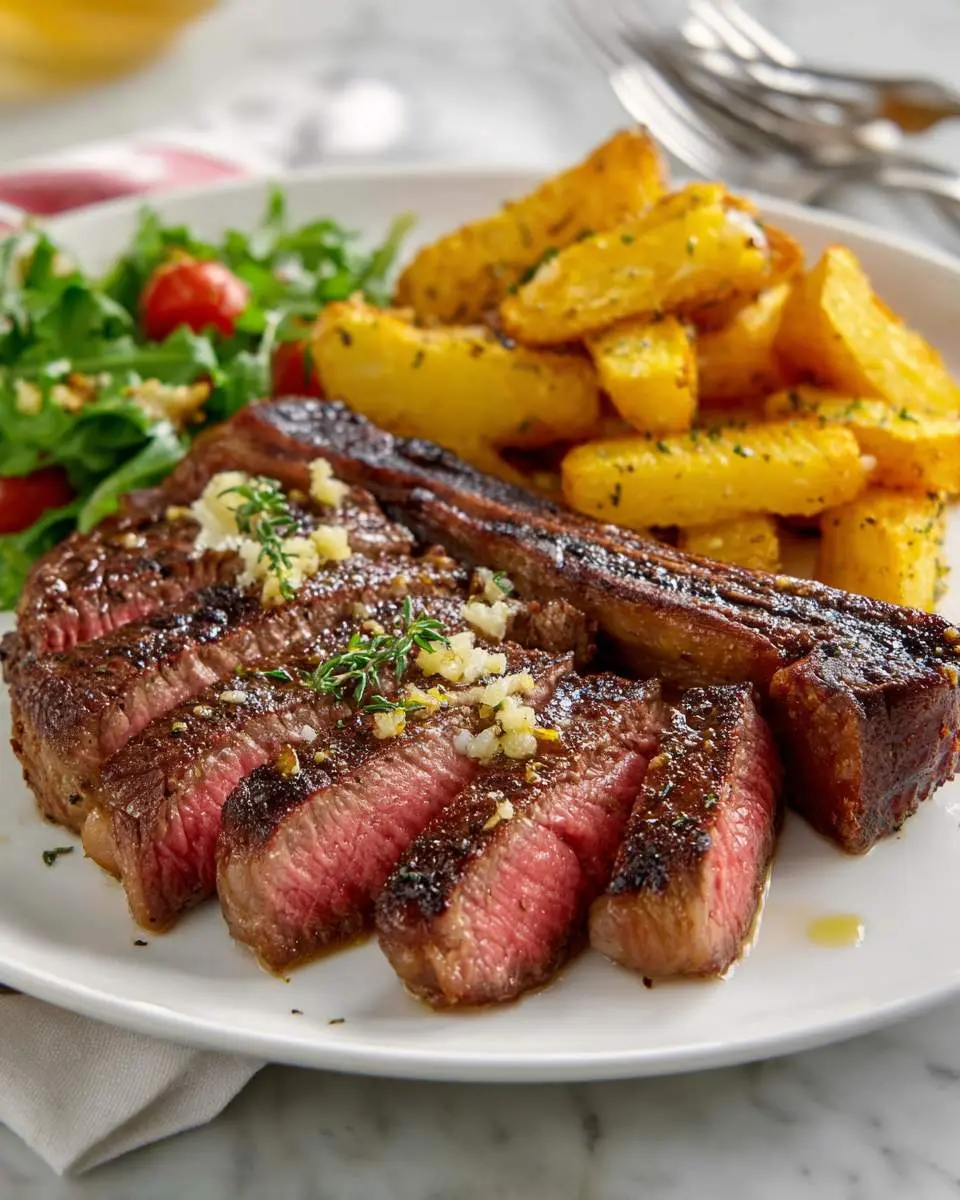
I start early, pulling my steaks from the fridge a full hour before cooking so they lose that refrigerator chill. The oven goes low, 250 degrees, and I set a wire rack over a baking sheet because I want air circulating all around the meat. Twenty to thirty minutes in that gentle heat brings the internal temperature up slowly, and I watch it like a hawk with my instant-read thermometer, pulling them at 115 degrees for medium-rare.
The real magic happens in the next ten minutes. I get my heaviest skillet ripping hot, add just enough oil to shimmer, and lay the steaks down with that satisfying hiss. I don’t touch them. I let them build that dark, crackling crust while I throw in butter, garlic, and thyme, tilting the pan and basting until the foam turns golden and smells like toasted nuts. The carryover heat pushes them to that perfect 130 degrees while they rest. I learned so much about building flavor from this garlic butter ribeye steak recipe that I still borrow techniques from.
What I Learned After Ruining My First Attempt
My first reverse sear steak was a disaster because I didn’t trust the low oven. I kept opening the door, letting heat escape, and my steaks took forever to come up to temperature. Now I set a timer and walk away. the low heat is doing its job whether I’m watching or not.
I also learned that patting the steaks bone-dry before the sear isn’t optional. Any surface moisture turns to steam in the hot pan, and steam doesn’t brown. I use paper towels and then let them sit uncovered in the fridge for an hour if I have time. that dry surface is everything.
Temperature is personal, but precision matters. I pull at 115 knowing I’ll gain ten to fifteen degrees during resting. If you want medium, pull at 125. The thermometer is your only real guide here. color lies, time lies, but numbers don’t.
My Secret Trick: I rest my steaks on a wire rack, not a plate. A plate traps heat and continues cooking the bottom, while a rack lets air circulate and keeps that crust I worked so hard for.
How to Store reverse sear steak
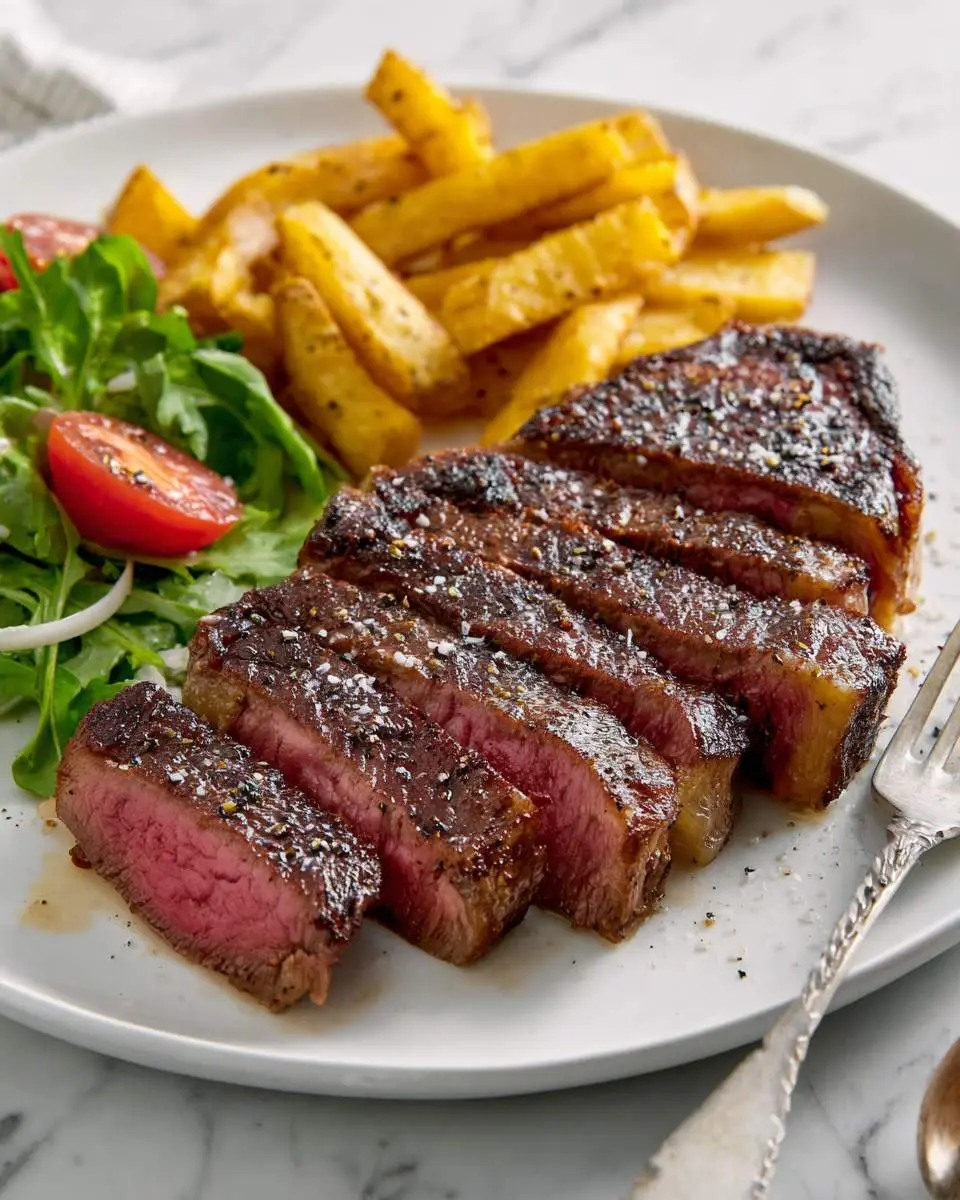
- Refrigerate cooled steak in an airtight container within two hours of cooking; keeps for up to 3 days at 40 degrees or below
- Wrap individual portions tightly in plastic wrap, then foil, before freezing; freezes well for up to 2 months
- Reheat gently in a 250 degree oven on a wire rack until warmed through, about 15-20 minutes; avoid microwave which toughens the meat
- Slice cold leftover steak thin against the grain for salads or sandwiches. sometimes I prefer it this way
Why This Method Changed How I Think About Cooking Beef
Reverse sear steak fits into my life because it removes the panic. That low oven gives me a huge window where the meat is almost impossible to overcook, and the final sear happens so fast that I’m not standing over a smoking pan for ten minutes. The beef itself delivers serious protein and iron, and because I’m not charring the outside for minutes on end, I’m not creating the compounds that make some grilled meats concerning. It’s the kind of cooking that feels indulgent but actually makes sense for how I want to eat.
FAQs
Can I use a thin steak for this method?
Honestly, I wouldn’t. Anything under an inch and a half cooks through too quickly in the oven, leaving you no time to build flavor before it hits the pan. Save those thinner cuts for quick skillet sears or this steak marinade that tenderizes as it flavors.
Do I need a wire rack for the oven portion?
You don’t absolutely need one, but I won’t make this without it anymore. The rack lets hot air hit every surface, cooking evenly and preventing that soggy bottom where the steak sits in its own juices.
What if I don’t have a cast iron skillet?
Use your heaviest stainless steel pan with a thick bottom. Avoid nonstick. it can’t handle the high heat you need, and you’ll never get that deep brown crust that makes this method worthwhile.
Why does my steak keep overcooking during the rest?
You’re probably pulling it too late from the oven, or your kitchen is warmer than you think. I rest on a wire rack, not a warm plate, and I tent loosely with foil rather than wrapping tight. That carryover heat needs somewhere to go.
Reverse Sear Steak
Ingredients
Equipment
Method
Notes
Conclusion
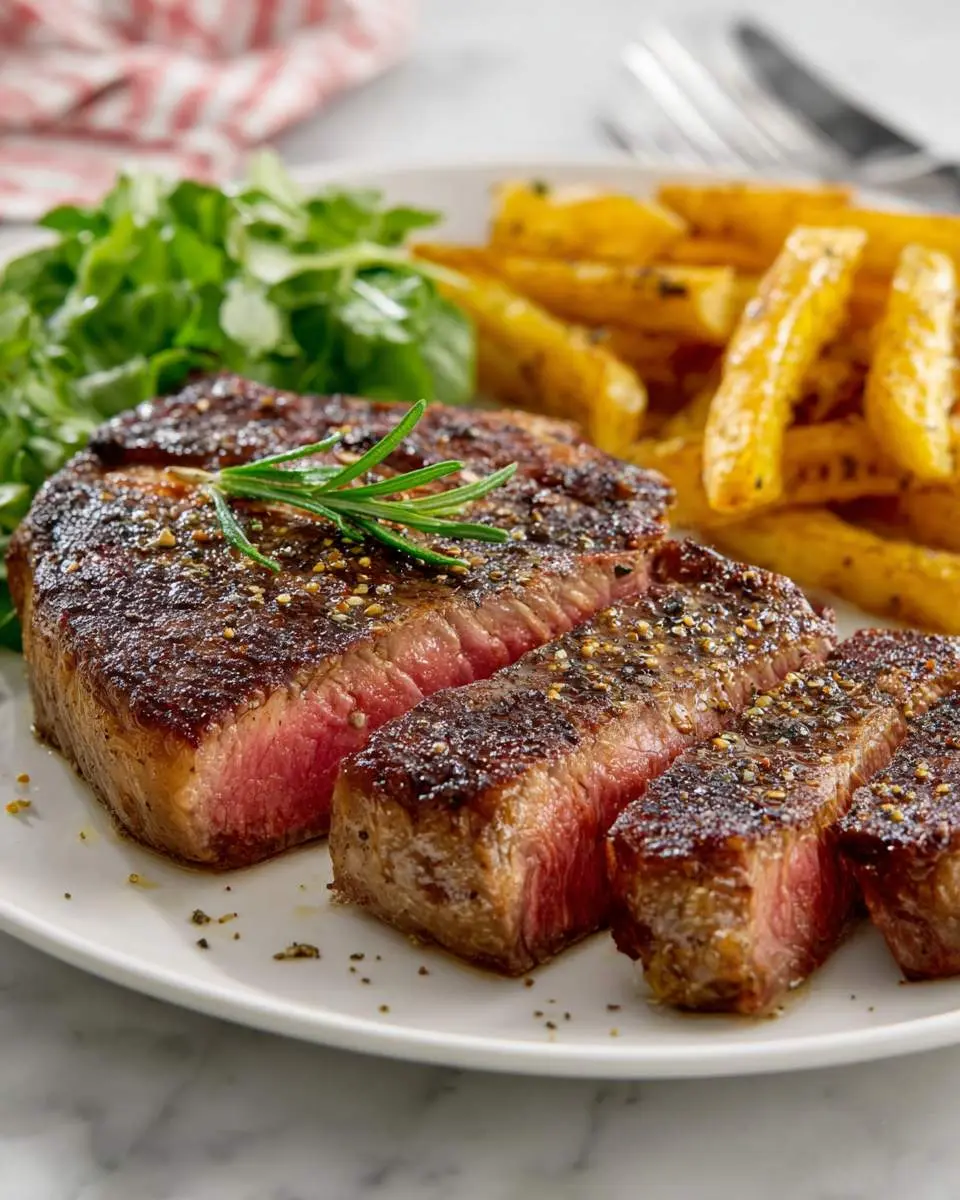
Reverse sear steak taught me that patience in the kitchen pays off in ways I can actually taste. If you’ve been intimidated by cooking thick steaks at home, this method gives you control I never thought possible. For more ways to build flavor before you even heat the pan, this steak marinade has saved more than one dinner at my house.
Follow us on Social Media : Pinterest