
The first time I smelled charred tomatoes and jalapeños hitting hot metal, I knew I would never go back to jarred salsa. That smoky, almost sweet aroma that fills your kitchen is the moment when you realize fire roasted salsa is not just a condiment. it is a transformation. Something happens to vegetables when they kiss open flame. They soften, they deepen, they become versions of themselves you did not know existed.
My neighbor Maria taught me this method during a backyard cookout in Tucson. She had a beat-up comal her grandmother brought from Sonora, and she let tomatoes blacken until their skins split like overripe fruit. We stood there in the dry heat, drinking agua fresca, and she told me the secret was patience. Let them burn, she said. Let them really burn. I have never forgotten that afternoon, or the way her salsa made everything else on the table taste better.
This is the recipe I have refined over years of summer grilling and desperate winter cravings. It works on a gas stove, under a broiler, or over charcoal when the weather cooperates. If you want to explore more Mexican-inspired sauces, my tomatillo salsa verde uses a similar technique with very different results.
Why Tomatoes and Chiles Deserve the Flame
The magic of this salsa starts with two ingredients that seem simple until you treat them right. Ripe plum tomatoes collapse under heat and release their sweetness, while jalapeños or serranos develop a complex bitterness that raw peppers never achieve. I always add a whole unpeeled garlic clove to the fire. it turns creamy and mild, losing that harsh bite that can overpower a fresh pico de gallo. Cilantro and lime come at the end, bright and sharp against all that smoke. This fire roasted salsa demands quality produce because there is nowhere for flaws to hide, but it also forgives imperfection in technique.
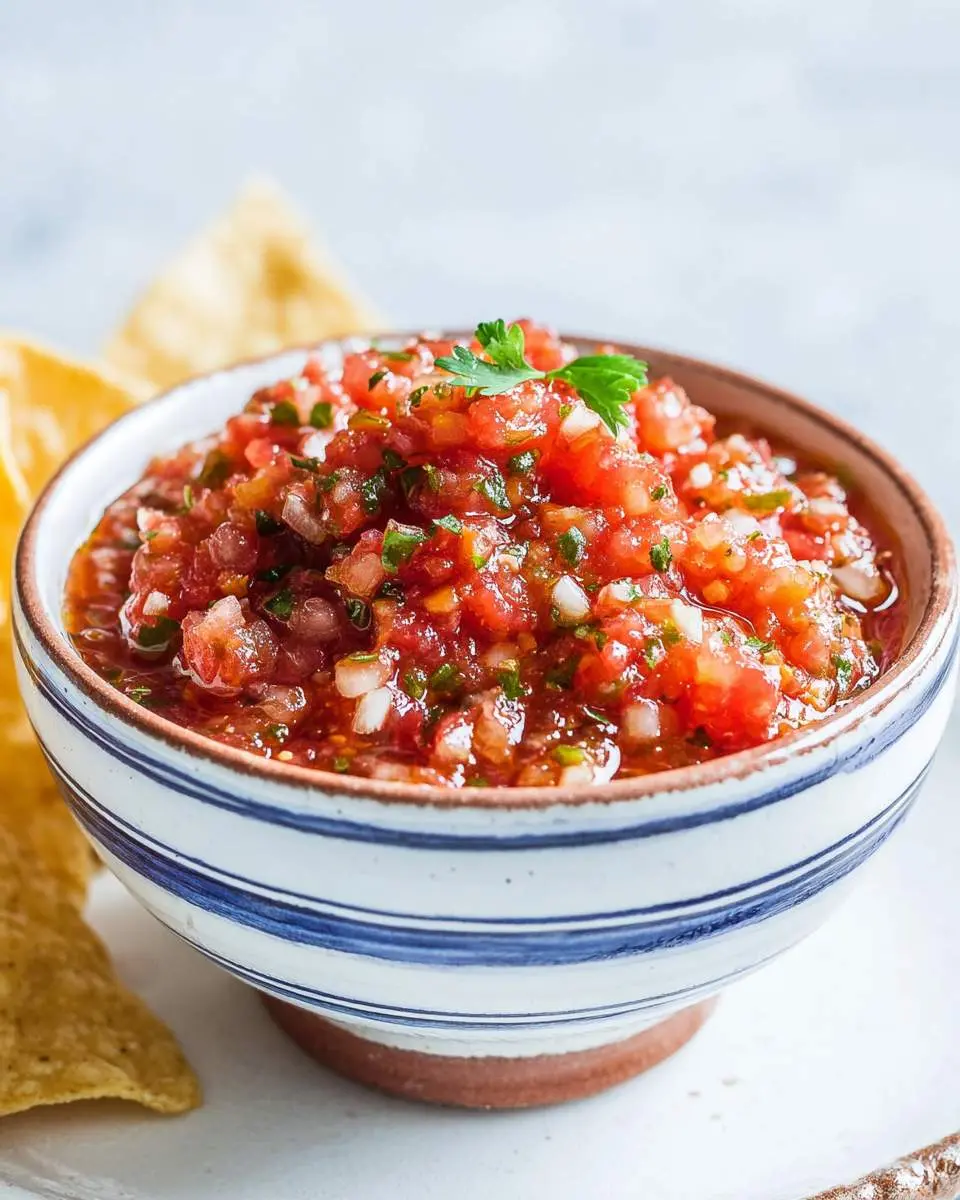
How to Make Fire Roasted Salsa
I start by cranking my broiler to high and arranging whole tomatoes, chiles, and that single garlic clove on a foil-lined sheet pan. The popping sound begins around minute four. small explosions as tomato skins surrender to the heat. I turn everything once, watching for the deep black spots that signal true char, not just browning. This takes longer than you think, usually twelve to fifteen minutes, and the smell will tell you when you are close.
Once everything is blistered and soft, I let it rest just long enough to handle. The garlic slips out of its papery shell like a peeled chestnut. I scrape tomatoes and chiles into my blender, add the creamy roasted garlic, a handful of cilantro, and squeeze lime directly over the blades. Pulse, do not puree. You want texture, some chunks, evidence that human hands were involved. Taste immediately. the heat of the chiles will vary wildly, and you may need another squeeze of acid or pinch of salt. For a fruitier twist on this technique, my mango salsa recipe uses the same balance of sweet, hot, and bright.
What I Learned From Burning Tomatoes
My first attempts were timid. I pulled the vegetables too early, afraid of actual blackness, and the result tasted like slightly warm raw salsa. Real char requires courage. You want at least forty percent of the tomato surface deeply blackened, almost carbonized in spots. Those bits dissolve into the finished salsa and provide the smoky depth that defines the style.
Chile heat is unpredictable. I now roast one extra jalapeño and set it aside, blending it in only if the first batch needs more kick. You cannot remove heat once it is there, but you can always add more.
Salt behaves differently in warm salsa than cold. I season lightly while blending, then adjust after chilling. The flavors concentrate as the temperature drops.
My Secret Trick: I save a few tablespoons of the charred tomato juices that collect on the baking sheet and stir them in at the end. That liquid is pure concentrated umami, and most people pour it down the drain.
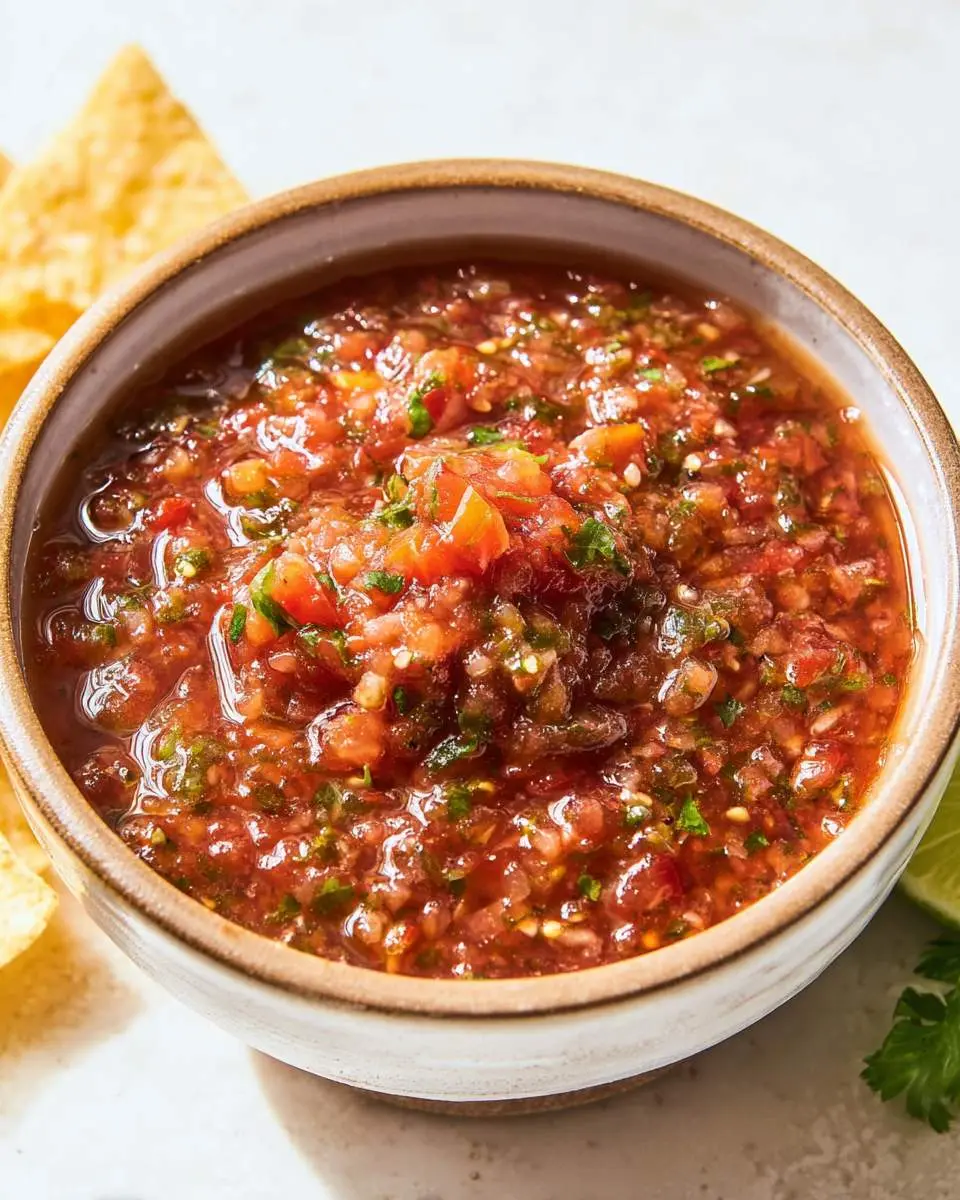
How to Store Fire Roasted Salsa
- Refrigerate in a glass jar with tight lid for up to 5 days. the flavor actually improves after 24 hours as the smoke mellows into the tomatoes
- Freeze in small portions using ice cube trays, then transfer to freezer bags for up to 3 months. thaw overnight in refrigerator, never microwave
- Bring to room temperature before serving for full flavor; cold salsa tastes flat and muted
- Stir well after storage as natural separation occurs; the liquid on top is flavorful, not watery
Why This Salsa Belongs in Your Weekly Rotation
Unlike cream-based dips or oil-heavy dressings, this fire roasted salsa delivers intense satisfaction with minimal calories. Tomatoes bring lycopene that actually becomes more bioavailable after heating, and the capsaicin in roasted chiles has been studied for metabolism support. I reach for it when I want something that feels indulgent but leaves me energized rather than sluggish. It transforms plain eggs, leftover rice, or grilled chicken into something I actually look forward to eating.
FAQs
Can I make this without a broiler?
Absolutely. A cast-iron skillet over high heat works beautifully. just keep the vegetables moving and accept that your pan will need some scrubbing afterward. Gas stove owners can use tongs to hold ingredients directly over the flame, the traditional Mexican method that produces the most intense char.
Why does my salsa taste bitter?
You likely charred the garlic too long or included the stem ends of the chiles. Garlic turns acrid quickly, so nestle it among the tomatoes where it is protected. For chiles, remove stems before roasting and discard any with blackened seeds inside, as those carry harsh compounds.
How do I control the heat level?
Remove seeds and membranes from your chiles before roasting for milder salsa, or substitute poblano peppers for jalapeños. Remember that fire roasted salsa mellows considerably after chilling. what tastes fiery hot when warm will settle into pleasant warmth after a few hours in the refrigerator.
Can I use canned fire-roasted tomatoes instead?
You can, but you will miss the complexity that comes from fresh chiles and garlic roasted alongside. If you must substitute, add a pinch of smoked paprika and roast fresh jalapeños separately to approximate the layered flavor. The texture will also be thinner with canned tomatoes.
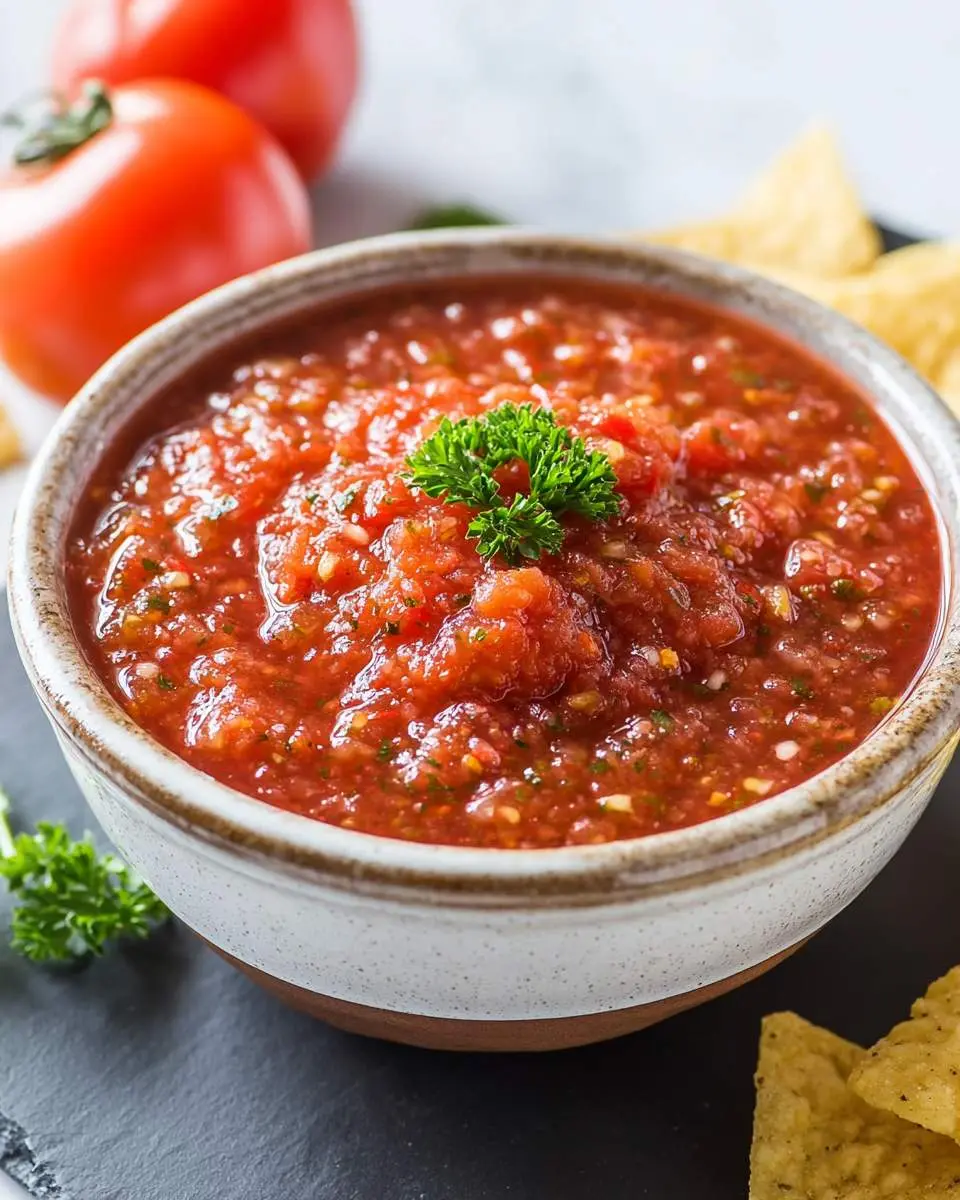
Fire Roasted Salsa
Ingredients
Equipment
Method
Notes
Conclusion
This fire roasted salsa has become my signature contribution to every gathering, the thing friends request before they ask if I am bringing dessert. It costs almost nothing, takes twenty minutes, and tastes like you spent all day tending a wood fire. Make a double batch. You will thank yourself later. For another smoky sauce with completely different applications, try my chipotle sauce on sandwiches or grilled vegetables.
Follow us on Social Media : Pinterest