
The smell of garlic and soy sauce hits me every single time I open the fridge door after mixing this up. I started making my own steak marinade years ago after one too many disappointing restaurant steaks that tasted like nothing. Now I keep a jar of this in the refrigerator at all times, just in case.
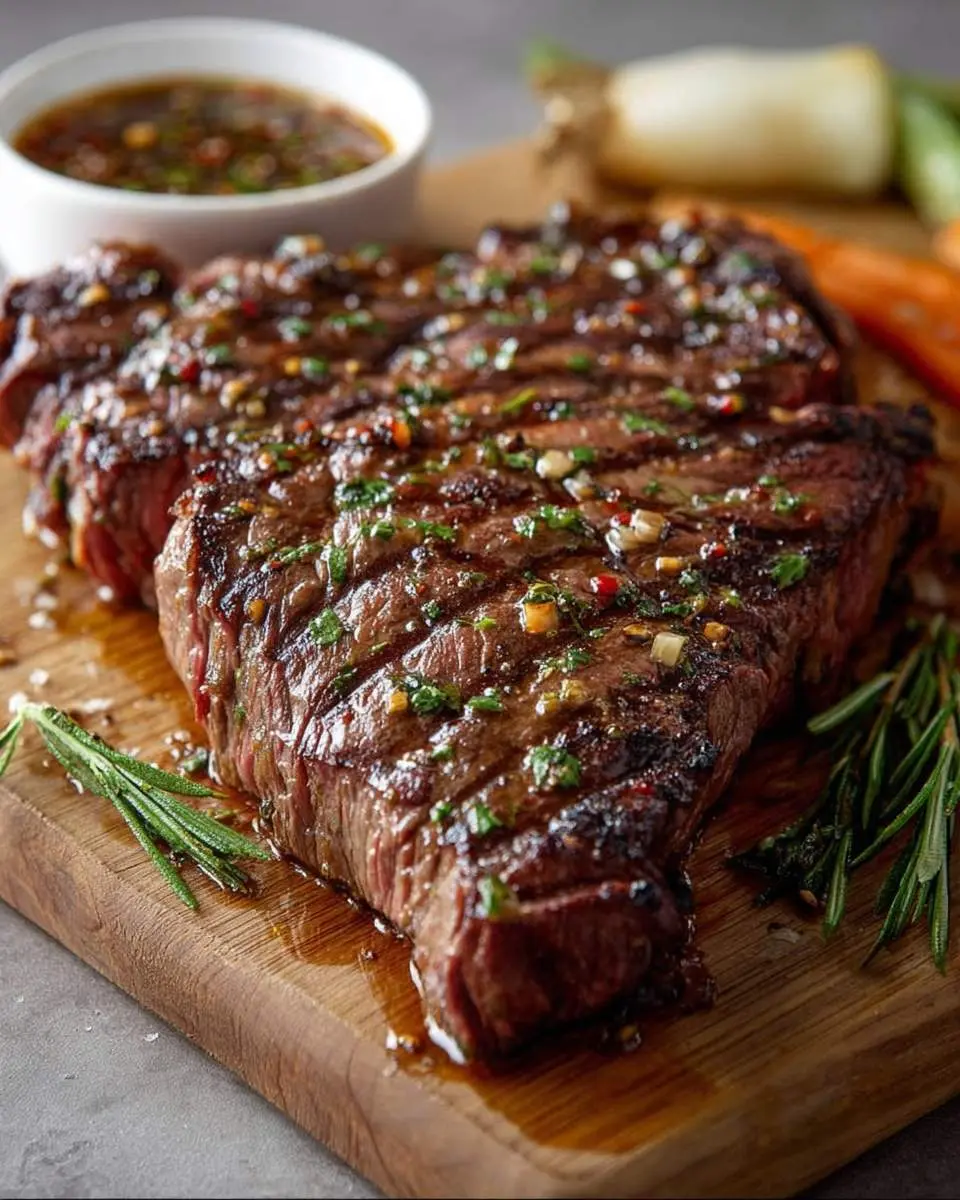
My dad was the grill master in our family, but he never believed in marinades. “Good meat speaks for itself,” he’d say, standing over his Weber with a beer in hand. I believed him until I tasted my first properly marinated flank steak at a friend’s backyard barbecue in Austin. The meat practically melted. I called my dad that night and he still hasn’t admitted I was right.
This is the kind of recipe that becomes part of your weekly rhythm. I make it on Sunday afternoons while the coffee brews, and suddenly dinner on Tuesday feels already handled. If you’re into building out your beef repertoire, I recently fell hard for this teriyaki beef and broccoli situation that uses similar flavors in a completely different way.
What You Need to Make This Recipe
The foundation here is soy sauce for salt and umami depth, Worcestershire for that impossible-to-place savory funk that makes people ask what your secret is, and fresh garlic because the jarred stuff has no business near good meat. I also reach for Dijon mustard—not the yellow kind—because it helps emulsify everything and adds a subtle heat that wakes up your palate without announcing itself. A splash of balsamic brings sweetness and helps with caramelization on the grill. Finding the right balance for your steak marinade takes some tinkering, but once you land on your personal formula, you’ll never buy the bottled stuff again. I borrowed some technique ideas from this teriyaki beef approach when I was developing my own version.
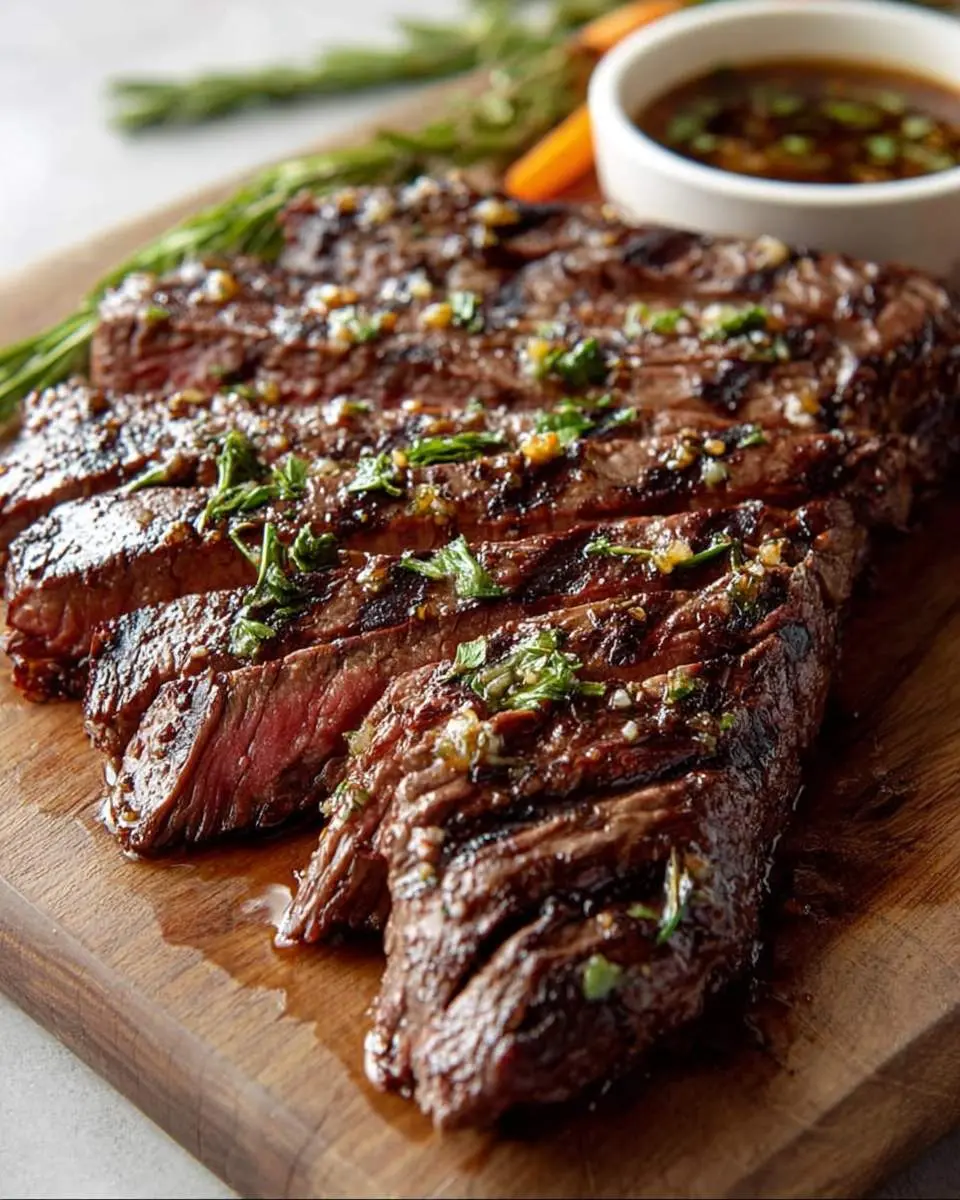
How to Make steak marinade
I whisk everything together in a glass measuring cup because the spout makes pouring so much cleaner. The oil and acids want to separate at first, but keep whisking and the mustard will bind them into something glossy and cohesive. You’ll know it’s ready when it coats the back of a spoon instead of running straight off.
Slashing the meat lightly before marinating changed everything for me. Those shallow cuts let the flavors travel past the surface instead of just sitting on top. I learned this watching my neighbor’s Greek grandmother prepare lamb, and now I do it with every steak that crosses my cutting board. Speaking of Greek influences, this one-pot beef giouvetsi carries that same spirit of patience and layering flavors.
The waiting is the hardest part. I used to marinate for twenty minutes and wonder why my steaks tasted like nothing. Now I plan ahead—four hours minimum, overnight when I can manage it. The transformation happens slowly, the salt drawing out moisture then pulling the seasoned liquid back in, carrying all that garlic and tang deep into the fibers.
Pro Tips
Score deeply but not through: Those quarter-inch cuts should penetrate just far enough to open channels without turning your steak into a accordion. Go too deep and you lose juices during cooking; too shallow and the marinade stays surface-level.
Room temperature before grilling: I pull my steaks from the fridge a full hour before cooking. Cold meat tightens up and squeezes out moisture the second it hits heat, no matter how perfect your steak marinade was.
Pat aggressively dry: Excess marinade burns before the meat browns properly. I use three paper towels and really press, getting into those scored grooves where liquid hides.
My Secret Trick: I save two tablespoons of the unused marinade, boil it for three minutes to kill any raw meat contamination, then brush it on the steak in the final minute of grilling. That fresh hit of flavor right at the end makes people think you basted the whole time.
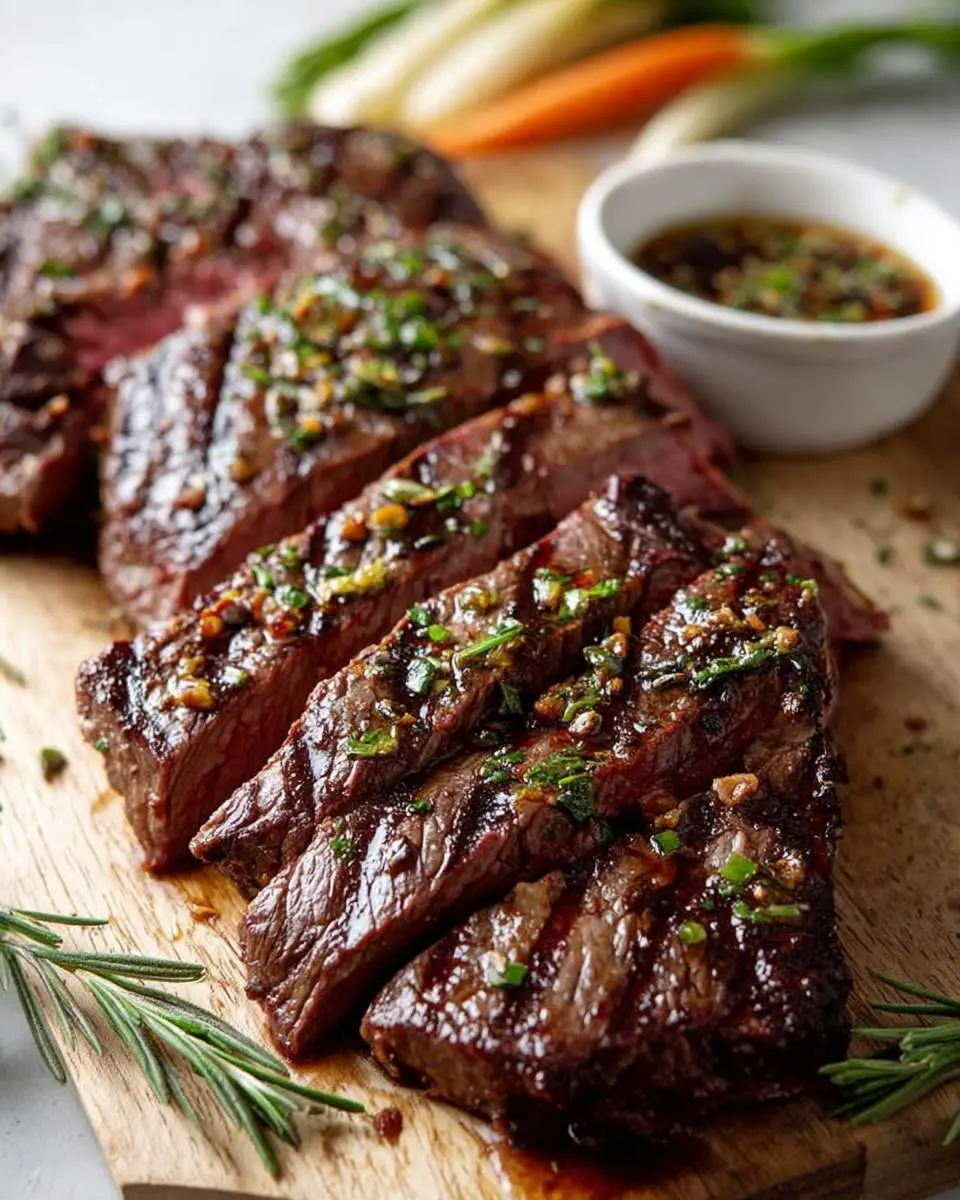
How to Store steak marinade
- Refrigerate unused marinade in a sealed glass jar for up to 5 days; the flavors actually improve as they meld
- Never reuse marinade that touched raw meat without boiling first—bring to a rolling boil for 3 full minutes
- Freeze flat in freezer bags for up to 3 months; thaw overnight in refrigerator and shake vigorously before using
- Store cooked marinated steaks wrapped tightly in foil, refrigerated at 40°F or below, for 3 days maximum
- Reheat gently in a 250°F oven wrapped in foil with a tablespoon of water, or slice thin and warm quickly in a hot skillet
Nutritional Benefits
This steak marinade delivers more than flavor. The fresh garlic brings allicin compounds that studies suggest support cardiovascular health, while the balsamic vinegar contributes polyphenols with antioxidant properties. Using a homemade blend also means controlling sodium levels compared to commercial versions, and the acid content from the vinegar and Worcestershire may actually help with mineral absorption from the meat itself.
FAQs
How long should I marinate steak?
Four hours minimum for noticeable flavor penetration, though overnight yields the best results. Beyond 24 hours and the acids can start breaking down texture, turning your meat mushy instead of tender.
Can I use this marinade on other meats?
Absolutely. I’ve used this same blend on chicken thighs, pork tenderloin, and even portobello mushrooms with excellent results. The soy and Worcestershire base plays well with almost any protein.
Should I tenderize steak before marinating?
Mechanical tenderizing with a mallet isn’t necessary if you’re using a proper steak marinade with acidic components. The scoring method I described works better than pounding, preserving the meat’s natural structure.
Can I cook marinated steak in the air fryer?
Yes, though you’ll get less caramelization than grilling. Pat extremely dry, cook at 400°F, and flip halfway through. The circulating air still delivers excellent results when outdoor cooking isn’t an option.
Steak Marinade
Ingredients
Equipment
Method
Notes
Conclusion
This steak marinade has earned its permanent spot in my kitchen rotation because it transforms ordinary weeknight dinners into something worth slowing down for. The best recipes are the ones that become habits, and this one has become mine. For another comforting beef dish that comes together simply, try this ground beef and potatoes recipe that my family requests constantly.
Follow us on Social Media : Pinterest