
The first time I tasted blueberry curd, I was standing in my grandmother’s kitchen with purple-stained fingers and absolutely no idea what I’d just created. I had meant to make a simple blueberry sauce, but something went gloriously wrong — or right — and I ended up with this silky, spoonable, almost custard-like spread that made me stop mid-bite and just stare at the jar.
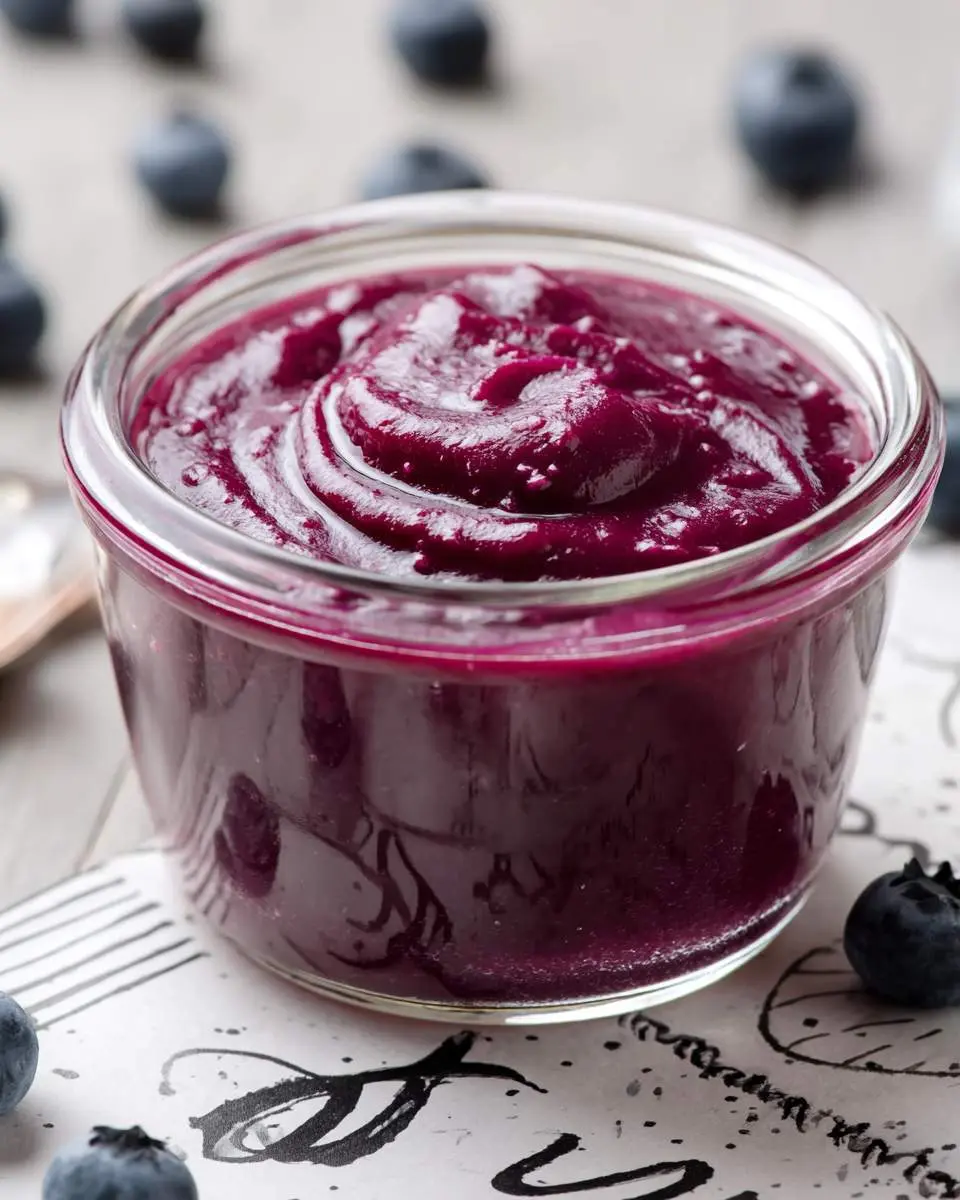
That was three summers ago, and I’ve made this curd at least twenty times since. It reminds me of picking berries at the farm stand down the road, the way the sun hits the bushes at 9am, the quiet satisfaction of turning something perishable into something that lasts.
This isn’t a quick weeknight project like my dill pickle hot sauce — it asks for your attention for about twenty minutes. But what you get is worth every stir.
What You Need to Make This Recipe
The blueberries matter more than you’d think. I use frozen wild blueberries when I can’t get fresh — they break down faster and give you a deeper color. The butter needs to be cold and cubed; that’s what creates the luxurious mouthfeel that separates curd from ordinary jam. And please, real lemon juice — the bottled stuff lacks the oils in the zest that make this olive tapenade bright. Egg yolks do the heavy lifting here, thickening everything without flour or cornstarch, which would muddy that pure berry flavor.
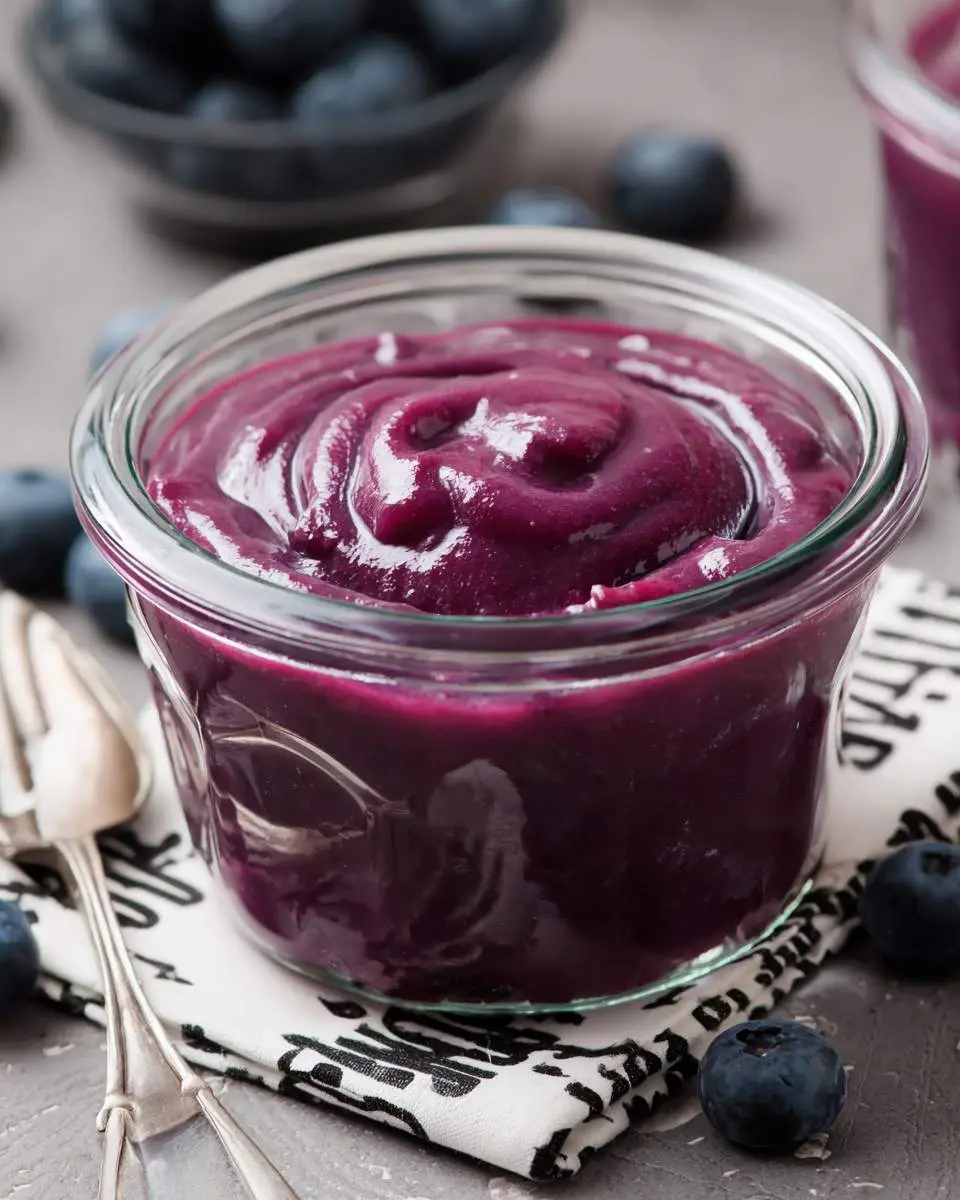
How to Make Blueberry curd
I start by cooking the berries down with sugar and lemon until they surrender completely — about ten minutes of gentle bubbling, the kitchen filling with that jammy, floral smell. Then comes the straining, which I do through a fine mesh sieve with a silicone spatula, pressing until only seeds and skin remain. The purple liquid goes back into the pot, and here’s where patience matters: I whisk in the yolks one by one, then add the cold butter off the heat, stirring until each cube melts into the next. The transformation happens around 170 degrees, when the mixture suddenly coats the back of your spoon like heavy cream. I learned this rhythm from making cowboy butter dipping sauce — low and slow, never rushing the emulsion.
Pro Tips
Use a heavy-bottomed pot. Thin pans create hot spots that scramble your yolks before the curd sets, and there’s no recovering from that grainy texture.
Strain twice if you want silk. Once after cooking the berries, then again after the curd finishes. That second pass catches any bits of cooked egg and gives you restaurant-smooth results.
Don’t skip the ice bath. Plunging your pot into cold water stops the cooking instantly, preventing that overcooked, rubbery edge that ruins homemade curds.
My Secret Trick: I add one tiny pinch of salt at the very end — not enough to taste salty, just enough to make the berry flavor taste more like itself, the way salt does for caramel or chocolate.
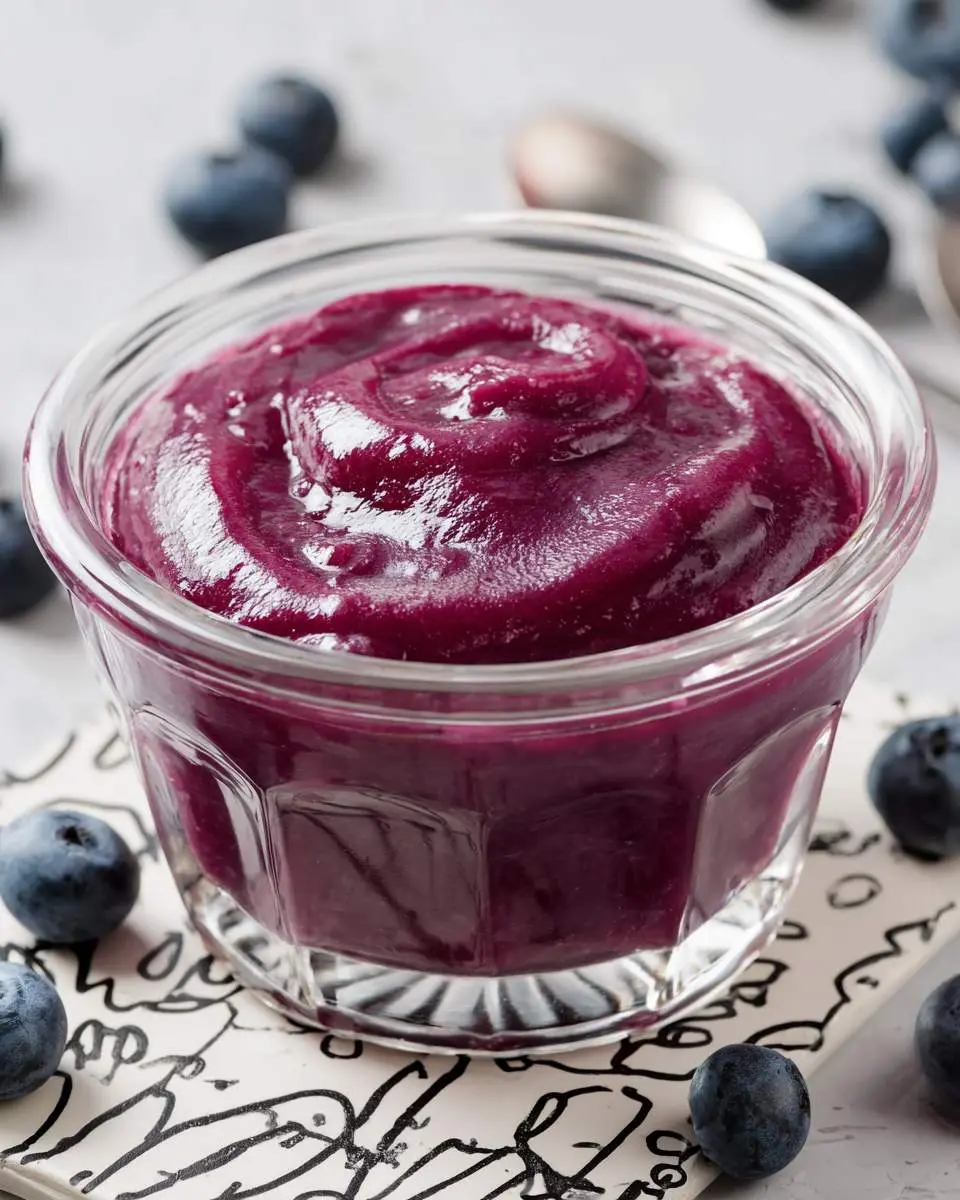
How to Store Blueberry curd
- Refrigerate in a sterilized glass jar with a tight lid for up to 2 weeks — the high acidity and sugar act as natural preservatives
- Freeze in small portions (ice cube trays work beautifully) for up to 3 months; thaw overnight in the refrigerator
- Never reheat directly on the stove — use a double boiler or microwave in 10-second bursts, stirring between each, to prevent separation
- Store at 40°F or below; if you see any mold, discoloration, or off smell, discard immediately
Nutritional Benefits
Wild blueberries bring serious antioxidant power to this blueberry curd — those deep pigments are anthocyanins, the same compounds studied for cognitive and heart health. The egg yolks contribute choline and vitamin D, making this more nourishing than you’d expect from something so indulgent-tasting.
FAQs
Why did my curd turn out runny?
You likely didn’t cook it long enough or your heat was too low. The mixture needs to reach 170°F and coat the back of a spoon before you remove it from heat. Temperature matters more than time.
Can I use this as a cake filling?
Absolutely — it’s stunning between layers of vanilla or lemon cake. Just make sure it’s completely chilled and thickened first, or it will soak into the crumb.
Is blueberry curd the same as blueberry jam?
Not at all. Jam relies on pectin and sugar for set, while curd uses egg yolks and butter for a creamy, spreadable texture that’s more dessert than preserve.
Can I make this with other berries?
Yes, though you’ll need to adjust sugar and lemon. Raspberries and blackberries work beautifully; strawberries need more acid and longer cooking to break down.
Blueberry Curd
Ingredients
Equipment
Method
Notes
Conclusion
This blueberry curd has become my signature bring-along — the thing people text me about weeks later, asking when I’m making more. It’s simpler than it looks, more impressive than it deserves, and genuinely one of the best things I’ve learned to make. If you’re craving something else rich and spoonable, my peppercorn sauce hits that same comfort note. Follow us on Social Media : Pinterest