
The first time I tasted ricotta gnocchi, I was sitting in a tiny trattoria in Rome with rain streaking the windows and a glass of house red that cost less than my coffee back home. The dumplings were so light they practically dissolved on my tongue, leaving behind this gentle, milky sweetness that made me forget every heavy, dense potato gnocchi I had ever endured. That night, I promised myself I would learn to make ricotta gnocchi from scratch, not the leaden hockey pucks I had accepted as normal, but the real thing.
It took me six months and at least a dozen failed batches before I understood what the nonna at that restaurant had tried to explain to me in broken English and emphatic hand gestures. She kept pointing to her ricotta and shaking her head at my flour-heavy dough. The secret, I finally realized, was trusting the cheese to do the work. When I finally got it right, I called my sister at midnight just to tell her I had done it.
Now this is the pasta I make when I want to feel like I have accomplished something beautiful without spending all day in the kitchen. If you are looking for another comforting pasta project, my spaghetti garlic bread bowls have saved many weeknight dinners at my house.
Why Ricotta Quality Changes Everything
The ingredient list here is almost embarrassingly short, which means each element has nowhere to hide. I use whole milk ricotta that I drain overnight in a fine mesh sieve lined with cheesecloth; the watery supermarket stuff will make your dough weep and your gnocchi disintegrate in the pot. Fresh eggs from my neighbor’s chickens give the dough this golden richness and just enough structure to hold everything together. A whisper of freshly grated nutmeg does something magical to the cheese, waking it up without announcing itself. I once tried this with that vibrant beetroot pasta sauce I had been experimenting with, and the color against the pale dumplings was stunning.
How to Make Ricotta Gnocchi From Scratch
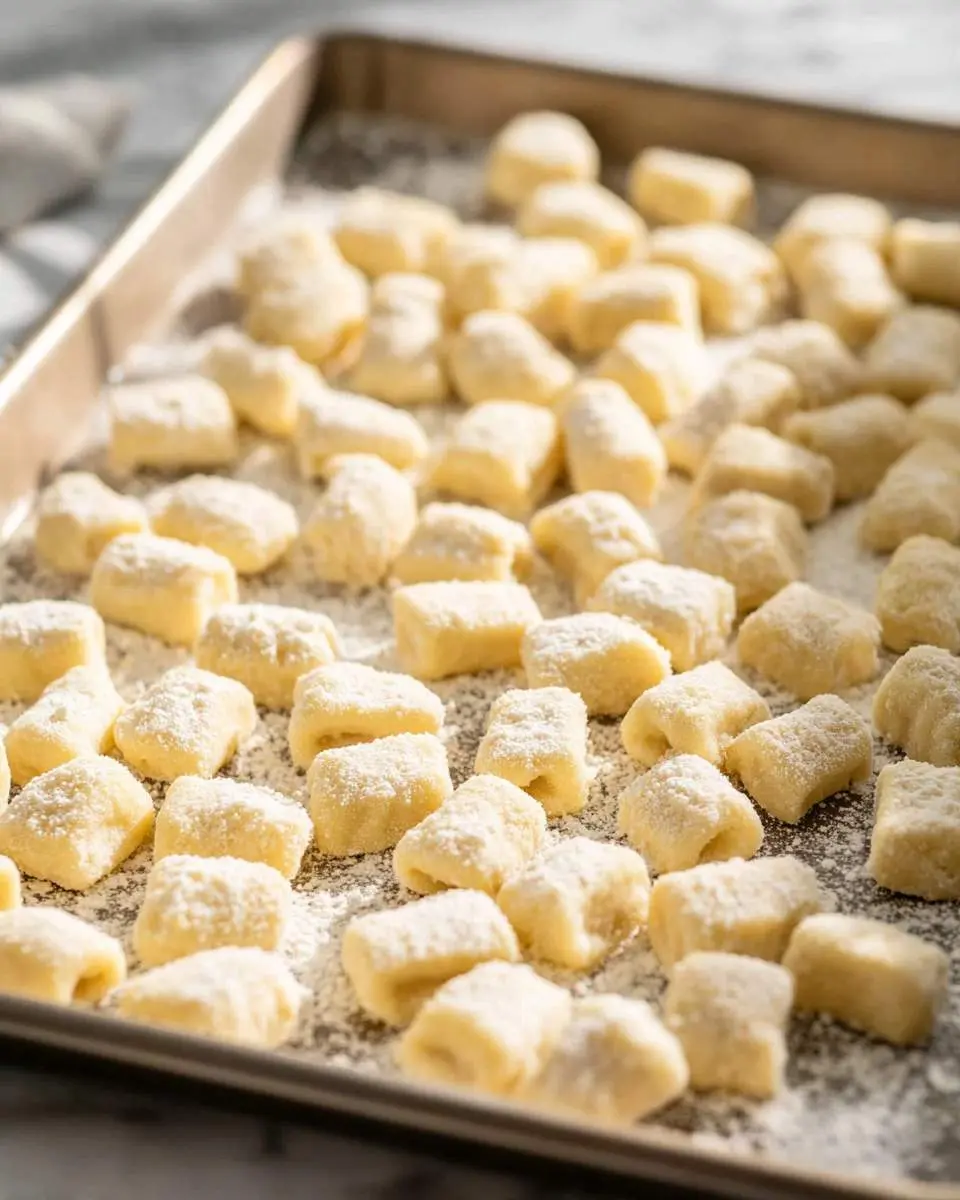
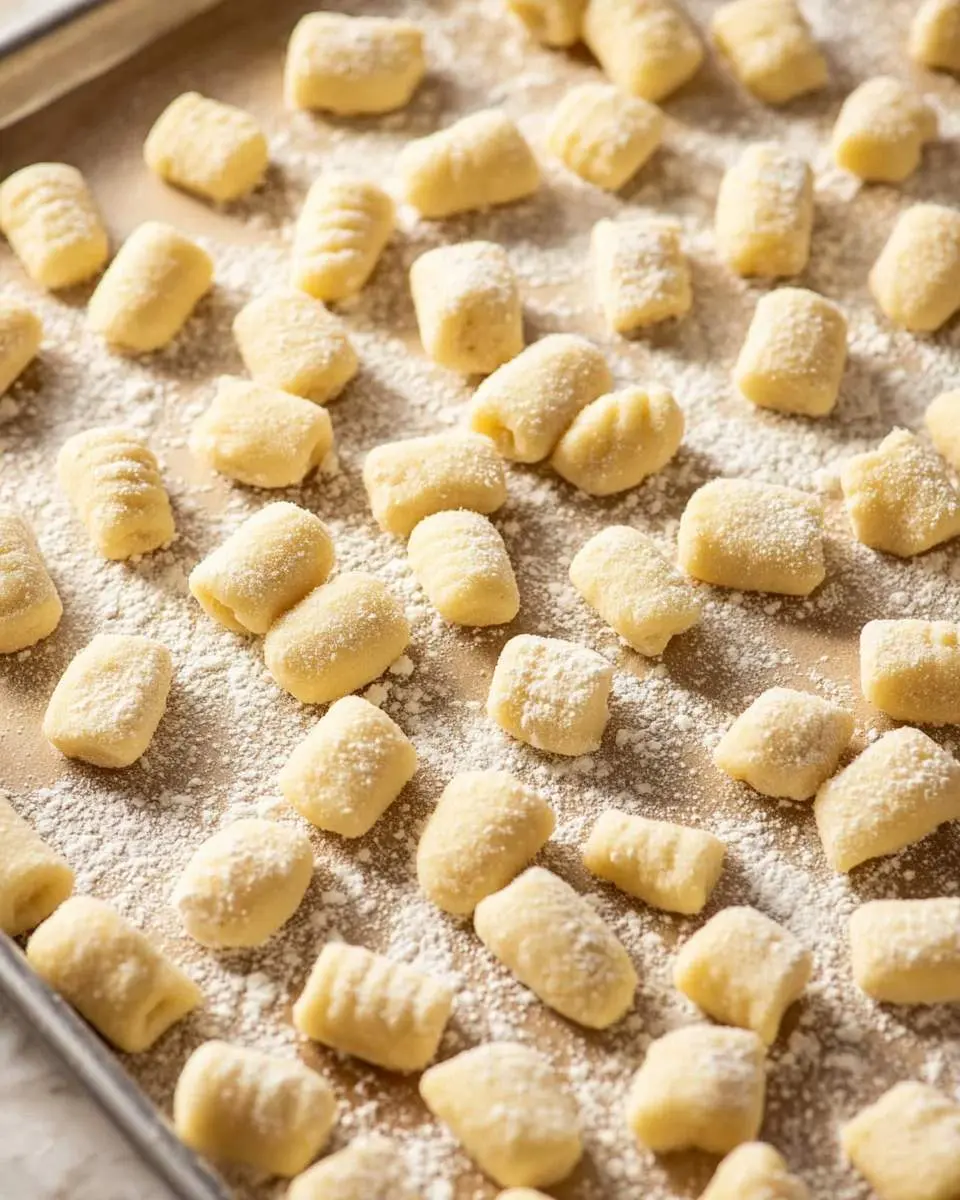
I start by spreading my drained ricotta across a cutting board and working it gently with a bench scraper, almost like I am folding biscuit dough, until it feels smooth and almost silky under my fingertips. The eggs go in one at a time, beaten lightly first, and I stop mixing the moment the dough comes together; overworking is the enemy of lightness here. The flour gets scattered across my counter like a light snowfall, and I roll the dough into logs no thicker than my thumb, cutting them into pillowy segments that I press gently with a fork just because I love the way the sauce clings to those little ridges.
The water should be at a gentle simmer, not a rolling boil, and when the gnocchi float to the surface I count to thirty and lift them out with a spider strainer. They should feel barely firm, with just a whisper of resistance when you bite. I made this alongside my mushroom gnocchi with parmesan cream sauce last weekend for a dinner party, and watching my guests choose between the two was genuinely delightful.
What I Learned From My Failed Batches
The dough should feel slightly sticky but not wet; if it clings to your hands like cookie dough, you need more flour, but add it in tablespoons, not handfuls. Cold ricotta straight from the fridge will seize up and refuse to blend smoothly, so let it come to room temperature while you set up your station. When you are rolling the logs, use a light touch and keep your hands moving; lingering in one spot will warm the dough and make it gummy. The water test is non-negotiable: drop one gnocchi in and if it falls apart, your dough needs more structure, usually a touch more flour or another egg yolk.
My Secret Trick: I rest the shaped gnocchi on a floured sheet pan in the refrigerator for exactly twenty minutes before cooking; this firms them up just enough that they hold their shape in the water but still cook through to that cloud-like center.

How to Store Ricotta Gnocchi From Scratch
- Refrigerate cooked gnocchi in an airtight container with a light coating of olive oil to prevent sticking; they keep beautifully for up to 3 days at 40 degrees Fahrenheit or below.
- Freeze uncooked gnocchi on a parchment-lined sheet pan in a single layer until solid, about 2 hours, then transfer to a freezer bag; they cook directly from frozen, adding only 1 minute to the floating time.
- Reheat cooked gnocchi gently in a skillet with a splash of pasta water and butter over medium-low heat; the microwave will turn them rubbery and sad.
- Do not store raw gnocchi in the refrigerator for more than 4 hours before cooking or freezing; the eggs and moisture will begin to break down the structure.
Why This Feels Like Self-Care on a Plate
There is something deeply satisfying about making ricotta gnocchi from scratch that goes beyond the eating. The protein in the ricotta and eggs keeps me full without the heaviness I used to feel after traditional pasta, and the simplicity of the ingredients means I am not loading up on preservatives or hidden sodium. I can make a batch on Sunday afternoon and know I have something nourishing waiting for me on Tuesday when energy is low and takeout feels tempting.

FAQs
Can I use low-fat ricotta for this recipe?
Low-fat ricotta contains too much moisture and lacks the richness that gives these gnocchi their characteristic texture. The fat in whole milk ricotta also helps bind the dough without requiring excessive flour. If you must substitute, drain it for at least 24 hours and accept that the result will be slightly less luxurious.
Why did my gnocchi fall apart in the boiling water?
Your dough likely needed more structure, either from additional flour or an extra egg yolk. The water may also have been boiling too aggressively, which shocks the delicate exterior before the interior has time to set. Test one gnocchi first and adjust your dough accordingly before committing the entire batch.
Can I make the dough ahead of time?
I do not recommend making the dough more than 2 hours ahead, as the eggs and moisture will begin to compromise the texture. Shaped gnocchi, however, freeze beautifully and can be made up to 1 month in advance. This is my preferred make-ahead strategy for dinner parties.
What sauces work best with ricotta gnocchi?
Light, quick sauces respect the delicate nature of these dumplings. Brown butter with sage, simple tomato with basil, or a gentle parmesan cream all complement without overwhelming. Heavy meat sauces tend to crush the subtle flavor of ricotta gnocchi from scratch.
Ricotta Gnocchi From Scratch
Ingredients
Equipment
Method
Notes
Conclusion
I hope you make these on a quiet afternoon when you have time to pay attention to your hands and the dough. They will not be perfect the first time, and that is part of the pleasure. For another gentle green addition to your pasta rotation, my gnocchi with spinach has become a weeknight staple in my kitchen.
Follow us on Social Media : Pinterest