
The first time I made this dish, I stood at my stove watching cream swirl into wilted spinach and thought, this is what comfort smells like. That silky sauce clinging to every strand of pasta, tender chicken nestled throughout. I knew immediately this Chicken Florentine Pasta would become one of those recipes I reach for when the day has been too long and dinner needs to feel like a hug.
My grandmother never made anything with “Florentine” in the name. She called dishes like this “that good pasta with the green stuff,” and honestly, she was onto something. The green stuff. spinach. does something magical here. It melts into the cream, turns silky, and somehow makes the whole plate feel lighter even as you’re eating something rich.
I have been tweaking this recipe since that first attempt, and what I landed on hits every note I want in a weeknight dinner. It comes together fast, uses ingredients I usually have, and makes my kitchen smell like I spent hours when I really spent thirty minutes. If you are craving more Italian-inspired comfort, my Italian-style mac and cheese hits similar notes with a different twist.
The Ingredients That Make This Dish Sing
Fresh spinach is non-negotiable for me here. The bagged baby spinach wilts down perfectly and brings an earthy sweetness that frozen simply cannot match. I also reach for heavy cream rather than half-and-half. it creates that luxurious coating that makes Chicken Florentine Pasta feel restaurant-worthy without the price tag. Parmesan matters too; I grate it fresh because the pre-shredded stuff never melts quite right into the sauce. For another pasta dinner that leans on vegetables, my pasta with sausage and veggies uses a similar philosophy of building flavor from simple components.
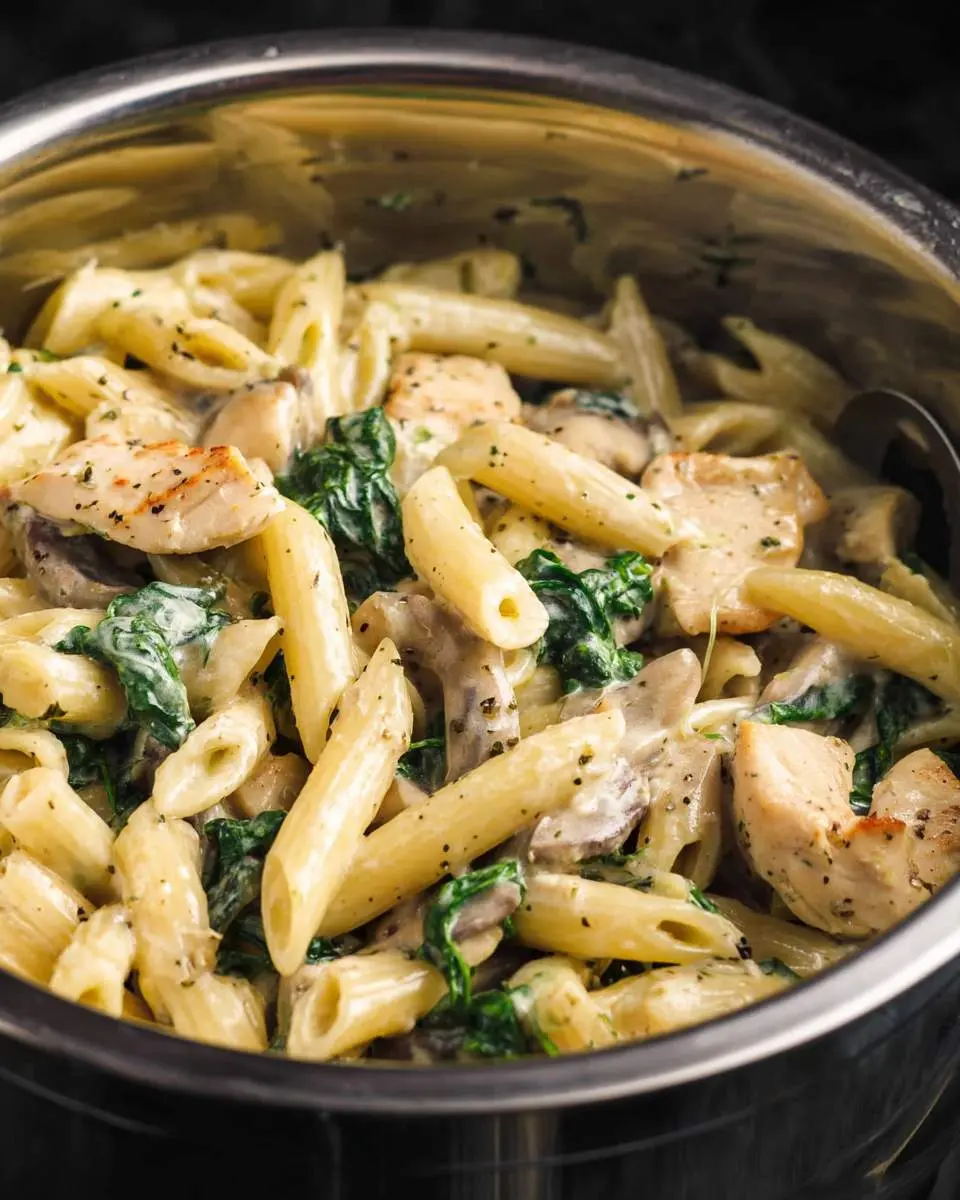
How to Make Chicken Florentine Pasta
I start by searing chicken pieces in a hot skillet until they develop that golden crust. the sound of sizzling tells me the pan is doing its job. While the chicken rests, I build the sauce in the same pan, scraping up those browned bits with garlic and shallot until the kitchen smells incredible. The spinach goes in next, wilting dramatically in seconds, followed by cream that bubbles gently as it thickens. I toss everything with pasta that I have cooked just shy of al dente so it finishes in the sauce, absorbing all that flavor. The whole process flows so naturally that I find myself making this on autopilot now. If you want another creamy chicken pasta in your rotation, my chicken fettuccine alfredo uses a similar technique with different results.
What I Learned Making This Three Times
Reserve that pasta water. I used to drain and forget, but that starchy liquid is pure gold for loosening the sauce without making it watery. It binds everything together in a way cream alone cannot manage.
Do not rush the chicken sear. Crowding the pan steams instead of browns, and you lose all that flavor foundation. I cook in batches now, patient, and the difference is dramatic.
Wilt spinach in stages. Dumping the whole bag at once cools the pan too much. I add handfuls, let them collapse, then add more. The texture stays silky instead of soggy.
My Secret Trick: I finish the dish off the heat, tossing pasta and sauce together with cold butter and extra parmesan. The emulsion creates this glossy coating that makes every bite feel special. restaurant technique, home kitchen simple.
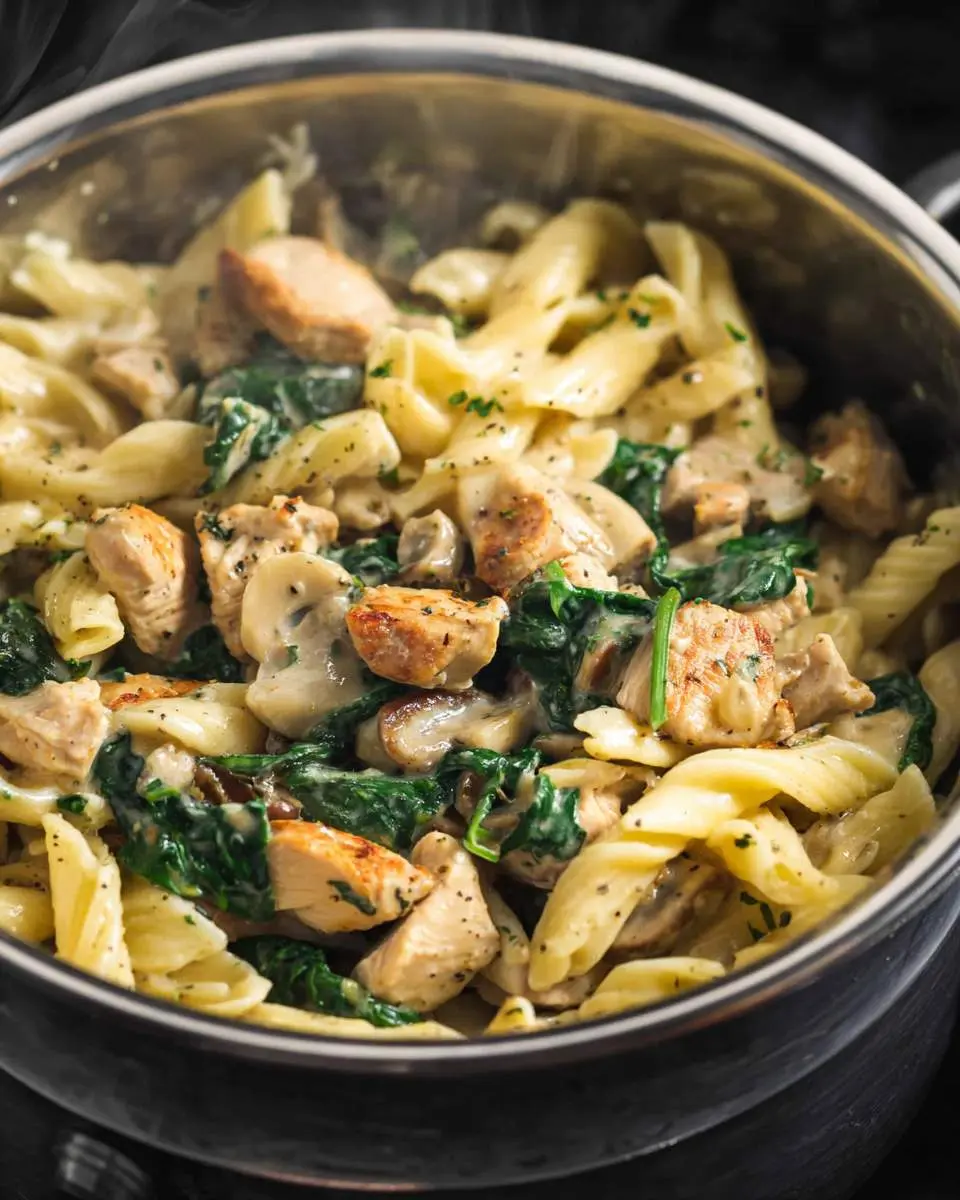
How to Store Chicken Florentine Pasta
- Refrigerate in an airtight container for up to 3 days at 40°F or below
- Freeze without the pasta for best texture. sauce and chicken freeze beautifully for 2 months
- Reheat gently on the stovetop over medium-low heat, adding splashes of milk or cream to restore silkiness
- Microwave works in 30-second bursts with stirring between, though the sauce may separate slightly
Why This Creamy Pasta Actually Makes Sense for Dinner
Spinach brings iron and folate to the plate, sneaking nutrition into something that tastes indulgent. The protein from chicken keeps me full without needing a massive portion, and using pasta water to extend the sauce means I can use less cream while still achieving that luscious texture. Chicken Florentine Pasta satisfies the craving for comfort without the heavy feeling that often follows.

FAQs
Can I use frozen spinach instead of fresh?
Fresh really does make a difference here. Frozen spinach holds too much water and can make the sauce thin and slightly metallic tasting. If you must use frozen, thaw it completely and squeeze out every drop of moisture before adding to the pan.
What pasta shape works best?
I love fettuccine or linguine for catching that creamy sauce, but penne works beautifully too. The ridges hold onto bits of spinach and chicken. Avoid delicate shapes like angel hair that get overwhelmed by the hearty sauce.
Can I make this without heavy cream?
You can substitute half-and-half, but the sauce will be thinner and less stable. I have also used full-fat coconut milk with surprisingly good results. it adds subtle sweetness that complements the spinach. For true Chicken Florentine Pasta richness, though, cream is worth it.
How do I keep the chicken from drying out?
Cut into uniform pieces so they cook evenly, and do not overcook. They finish cooking in the sauce, so pulling them from the pan when they are just barely done through ensures they stay juicy. Resting them before slicing also helps lock in moisture.
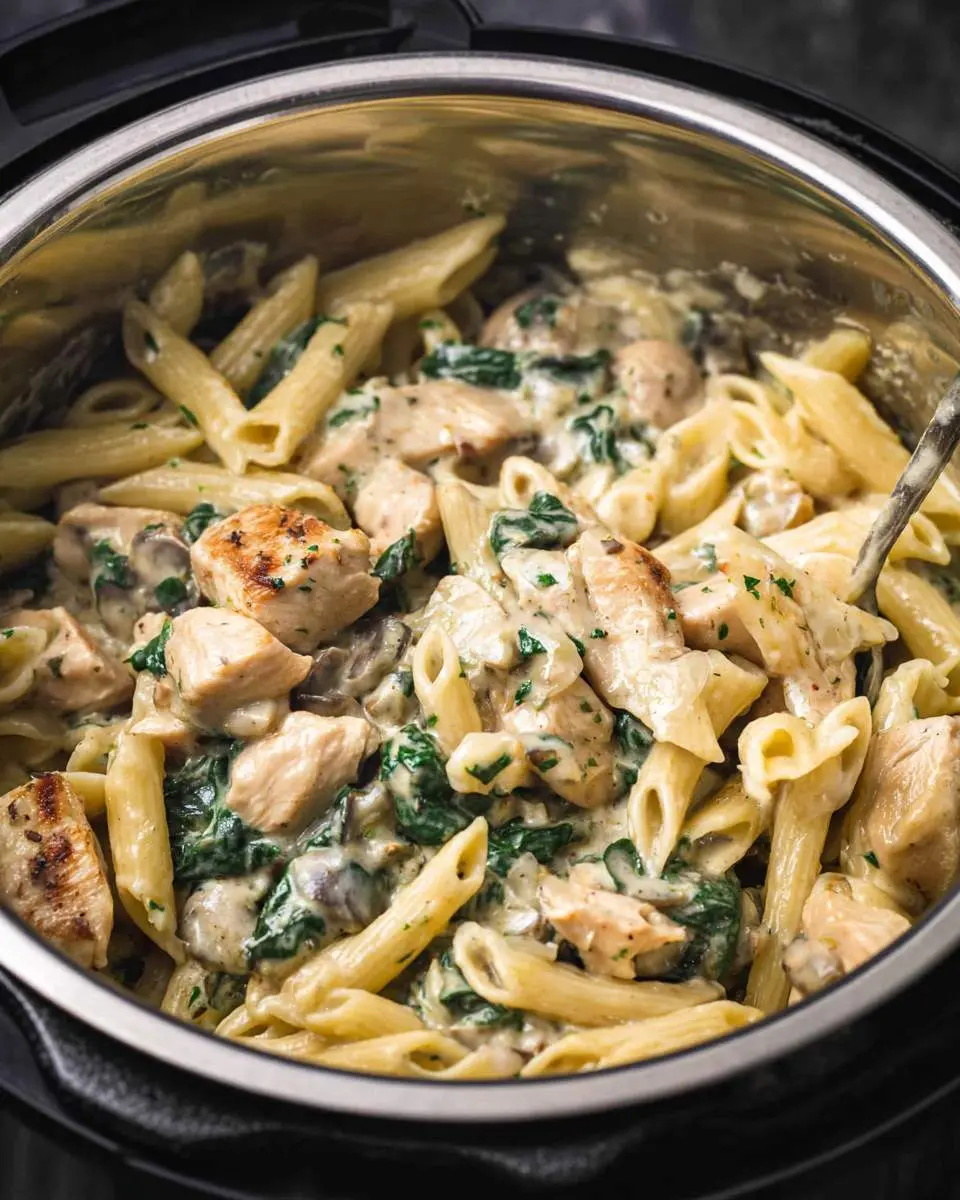
Chicken Florentine Pasta
Ingredients
Equipment
Method
Notes
Conclusion
This dish has earned its spot in my regular rotation because it delivers every single time. Creamy, comforting, and genuinely simple. Chicken Florentine Pasta proves that weeknight dinners can feel special without complicated technique. For another creamy pasta that surprises, my creamy spinach tomato tortellini brings similar comfort with a different shape.
Follow us on Social Media : Pinterest