
The first time I tossed hot pasta with cold ricotta, I stood at my stove in complete disbelief. That creamy, almost cloud-like texture that formed in seconds — no heavy cream, no butter mountain, just cheese doing what cheese does best. I had stumbled into something that felt both rustic and elegant, the kind of weeknight dinner that makes you pause mid-bite and wonder why you ever complicated pasta in the first place. That night, pea and ricotta pasta became my quiet obsession.
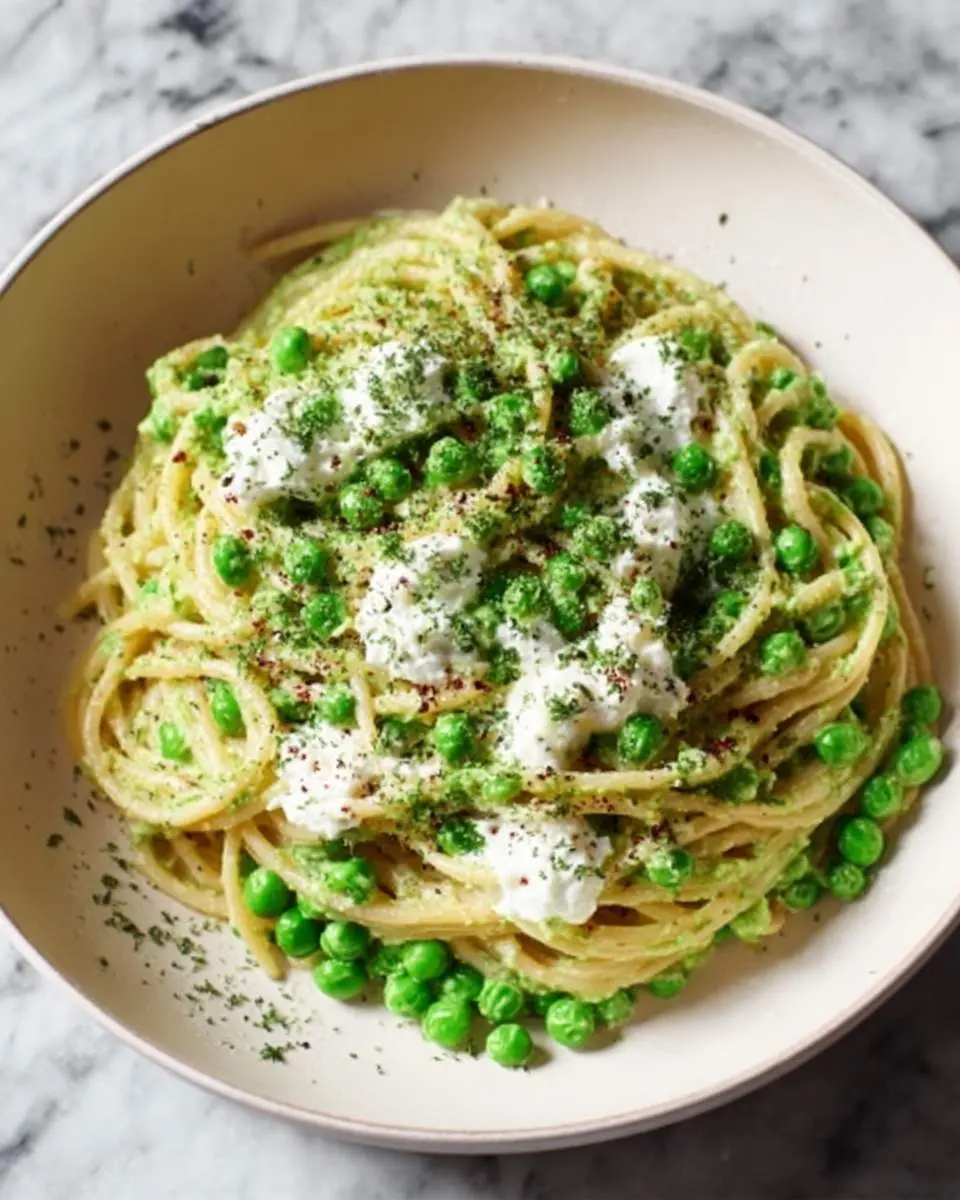
My grandmother kept frozen peas in her freezer like emergency currency. She would add them to everything — rice, soups, scrambled eggs — and always with the same reverence most people reserve for farmers market produce. I never understood until I started cooking for myself and realized that sweetness, that pop of green, could rescue even the most desperate Tuesday night. This dish channels her practical magic.
I have made this recipe at least twenty times now, tweaking and adjusting until it felt like mine. If you are craving something similar but handheld, my veggie pizza pinwheels scratch that same fresh, creamy itch in a completely different form.
What You Need to Make This Recipe
The ricotta matters more than you might think. I tried the cheap stuff once — grainy, watery, sad — and learned my lesson. Look for whole milk ricotta with some body to it, the kind that holds a spoonful shape. The peas need to be bright green and barely cooked, so they burst between your teeth instead of dissolving into mush. And please, save that pasta water. Those cloudy, starchy dregs are what transform loose cheese into silky sauce. If sweet-savory combinations speak to you, my sugar cookie fruit pizza plays in that same unexpected territory.

How to Make Pea and Ricotta Pasta
I start by warming a shallow pan with olive oil and a smashed garlic clove, just until the kitchen smells like something good is coming. The peas go in frozen — I do not bother thawing — and they sizzle and steam simultaneously, turning bright emerald in about three minutes. Meanwhile, the pasta boils aggressively. I undercook it by a full minute because it will finish in the pan.
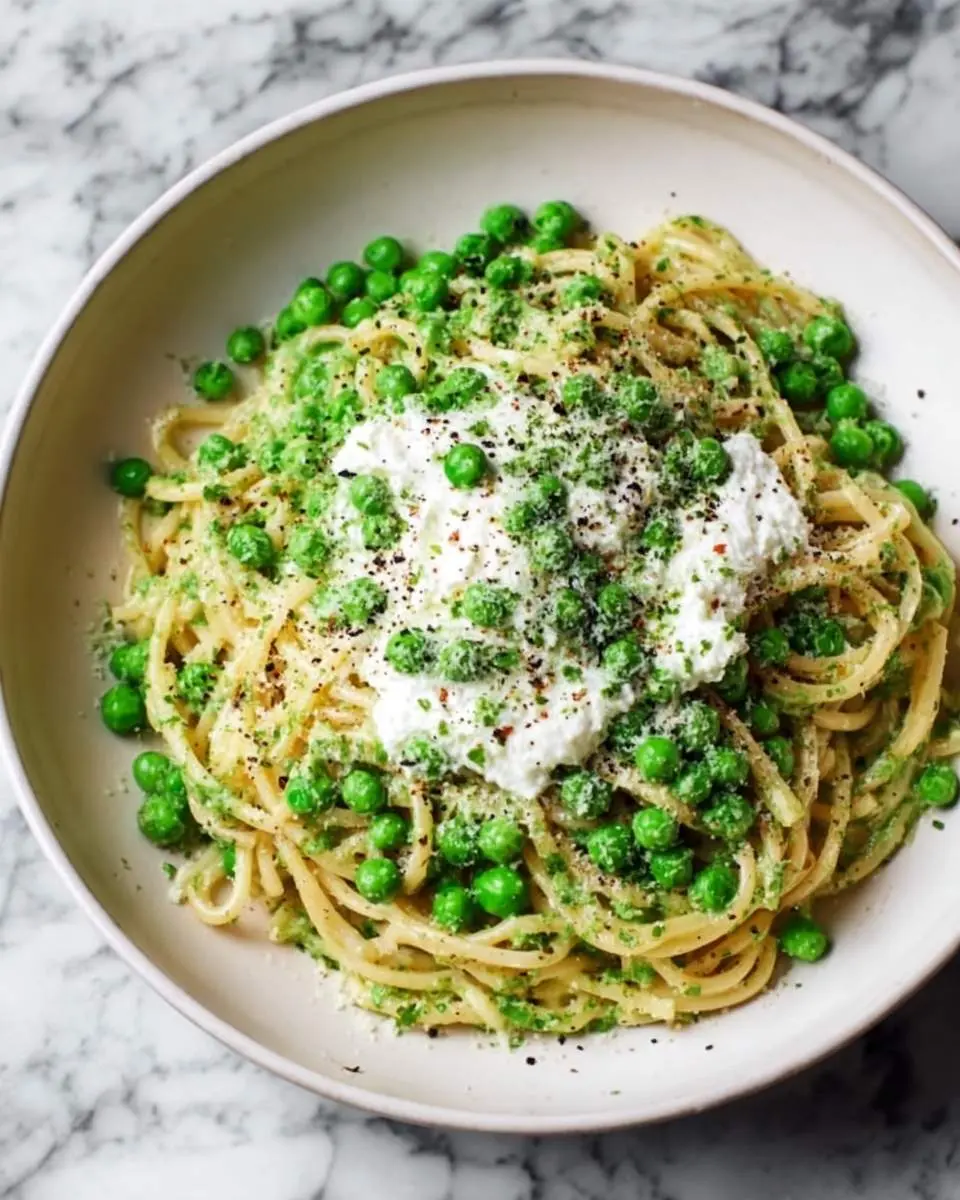
The ricotta waits in a large bowl, loosened with a splash of pasta water so it becomes spreadable, almost pourable. When the pasta is ready, I transfer it directly from pot to bowl, carrying that precious starchy water with it. The heat does something miraculous to the cheese, turning it from dense curds into something that coats every strand. I fold in the peas last, watching the green flecks distribute like confetti. For a completely different expression of simple Italian flavors, my margherita pizza follows that same less-is-more philosophy.
Pro Tips
Room temperature ricotta is non-negotiable. Cold cheese seizes when it hits hot pasta, creating stubborn lumps that never fully integrate. I set mine out when I start boiling water.
Fresh peas work, but frozen are more reliable. Unless you are shelling them yourself at peak season, frozen peas maintain consistent sweetness and texture year-round.
Reserve more pasta water than you think you need. The sauce tightens as it cools, and having that liquid gold ready prevents dry, clumpy leftovers.
My Secret Trick: I grate a tiny bit of lemon zest over each bowl right before serving — not enough to read as citrus, just enough to make the ricotta taste more like itself.
How to Store Pea and Ricotta Pasta
- Refrigerate in an airtight container for up to 3 days at 40°F or below
- Add 2 tablespoons of water or milk before reheating to restore creaminess
- Reheat gently in a covered skillet over medium-low heat, stirring frequently
- Do not freeze — the ricotta becomes grainy and separates upon thawing
- Store peas and pasta separately if making components ahead; combine just before serving
Nutritional Benefits
This pea and ricotta pasta delivers genuine nourishment without pretending to be health food. The peas contribute fiber and plant-based protein — about 8 grams per cup — plus a surprising amount of vitamin K for bone health. The ricotta brings calcium and complete protein, and because it is not cooked into oblivion, you retain more of its natural nutrients than you would with heavily processed cheese sauces.
FAQs
Can I use cottage cheese instead of ricotta?
Cottage cheese works in a pinch, but the texture is wetter and more acidic. Drain it well and blend briefly for smoother results, or embrace the rustic curds if you prefer.
What pasta shape works best?
Short shapes with ridges or hollows — rigatoni, fusilli, orecchiette — capture the creamy sauce best. Long strands work too but require more aggressive tossing to coat evenly.
How do I keep the sauce from getting grainy?
Grainy sauce usually means cold ricotta or insufficient pasta water. Start with room temperature cheese and add that starchy liquid gradually until the consistency turns silky.
Can I add protein to make this a complete meal?
Absolutely. Crumbled Italian sausage, shredded rotisserie chicken, or even crisped pancetta fold in beautifully. Add them to the pea pan and let the flavors mingle before combining everything.
Pea and Ricotta Pasta
Ingredients
Equipment
Method
Notes
Conclusion
I still catch myself smiling when I make this pea and ricotta pasta — that same disbelief from the first time, every time. It is proof that restraint often wins over complication, that a few good ingredients handled with care become something memorable. Make it on a night when you need comfort without heaviness. And if you are craving something bolder, my buffalo chicken pizza brings that same weeknight ease with considerably more heat.
Follow us on Social Media : Pinterest
