
The first time I tasted real garlic aioli sauce, I was sitting on a weathered wooden stool at a tiny tapas bar in Barcelona. The waiter set down a dish of patatas bravas, and there it was — this creamy, pale gold sauce that smelled like heaven had collided with a garlic field. I dragged a crispy potato through it and knew my life had just changed.
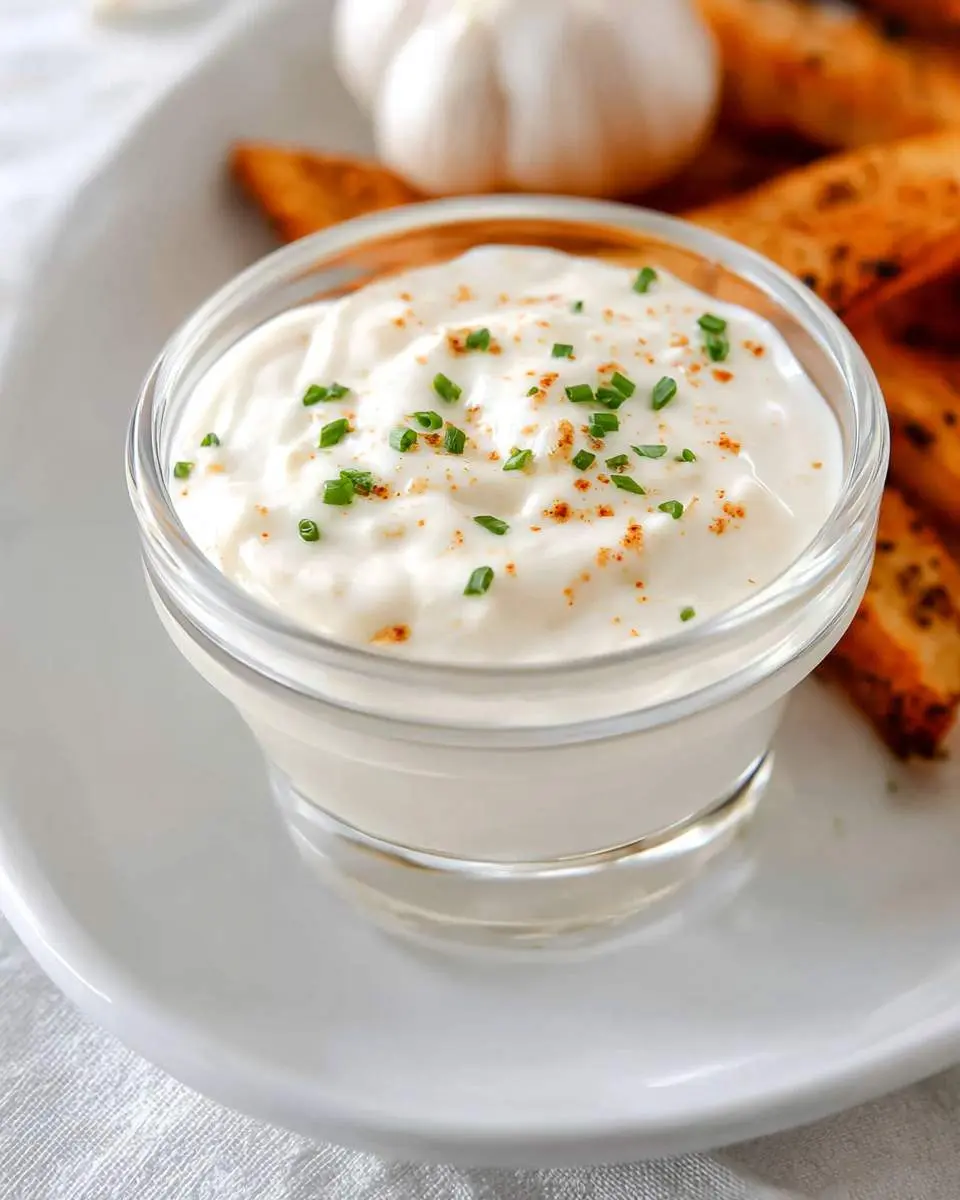
Back home, I spent months chasing that memory. Store-bought versions always fell flat — too sweet, too thin, missing that sharp garlic bite that made my eyes water in the best way. I ruined three blenders and a food processor before I finally understood what makes this sauce special.
Now I make it every summer when tomatoes are ripe and I need something worthy of dunking crusty bread. It’s become my signature move at dinner parties, and friends always ask for the recipe. If you’re into homemade condiments, you might also love my blueberry curd — another kitchen project that transformed my breakfast routine.
What You Need to Make This Recipe
The foundation of any great garlic aioli sauce starts with egg yolks — they create that luxurious, spoon-coating texture you can’t fake. I use room temperature yolks because cold ones fight with the oil and refuse to emulsify properly. Fresh garlic matters more than you’d think; those pre-minced jars taste like disappointment and regret. I reach for good olive oil, something with personality, because half the flavor comes from what you drizzle in. A squeeze of lemon at the end brightens everything without stealing the show. For fellow sauce enthusiasts, my dill pickle hot sauce uses a similar emulsion technique worth exploring.
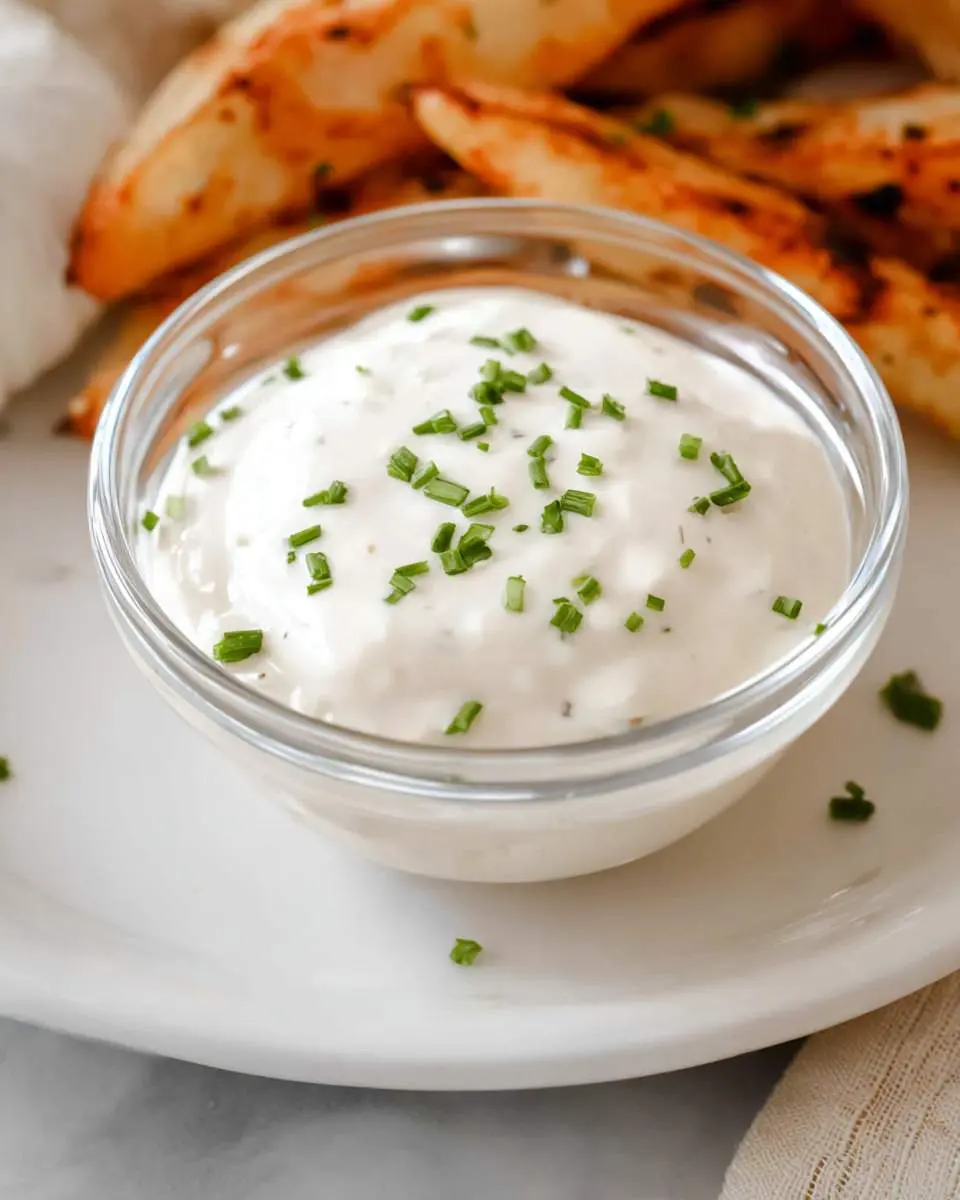
How to Make garlic aioli sauce
I start by mashing garlic into a paste with kosher salt — the salt acts like sandpaper, breaking down the fibers until you have something almost creamy. The smell hits immediately, sharp and insistent, and I know I’m on the right track. Into a bowl go the yolks, the garlic paste, and a splash of water to help things along. Then comes the slow drizzle of oil, drop by maddening drop at first, while I whisk like my life depends on it. The mixture thickens gradually, transforming from loose and yellow to something that holds its shape. I can hear the change before I see it — the whisk moves differently through the bowl, meeting resistance. Once the base comes together, I pour the remaining oil in a thin, steady stream, never rushing, watching for that glossy sheen that signals success. A final squeeze of lemon, a taste, maybe a pinch more salt. The whole process takes maybe ten minutes, but it demands your full attention. If you enjoy building sauces from scratch, my cowboy butter dipping sauce follows a similarly satisfying method.
Pro Tips
Use a microplane for your garlic — it creates a finer paste than mincing, which means the garlic flavor distributes evenly without harsh chunks that surprise you mid-bite. Nobody wants to crunch raw garlic.
Let your egg yolks warm on the counter for 30 minutes — cold yolks and oil are enemies. Room temperature ingredients emulsify faster and create a more stable sauce that won’t break when you look at it wrong.
Save your broken aioli — if it separates, don’t panic. Start with a fresh yolk in a clean bowl and slowly whisk your broken mixture into it. I’ve rescued more batches this way than I care to admit.
My Secret Trick: I add a tiny splash of ice water right when the emulsion starts to thicken — maybe a teaspoon. It shocks the mixture into stabilizing and creates that impossibly light, almost fluffy texture that makes people ask what your secret is.
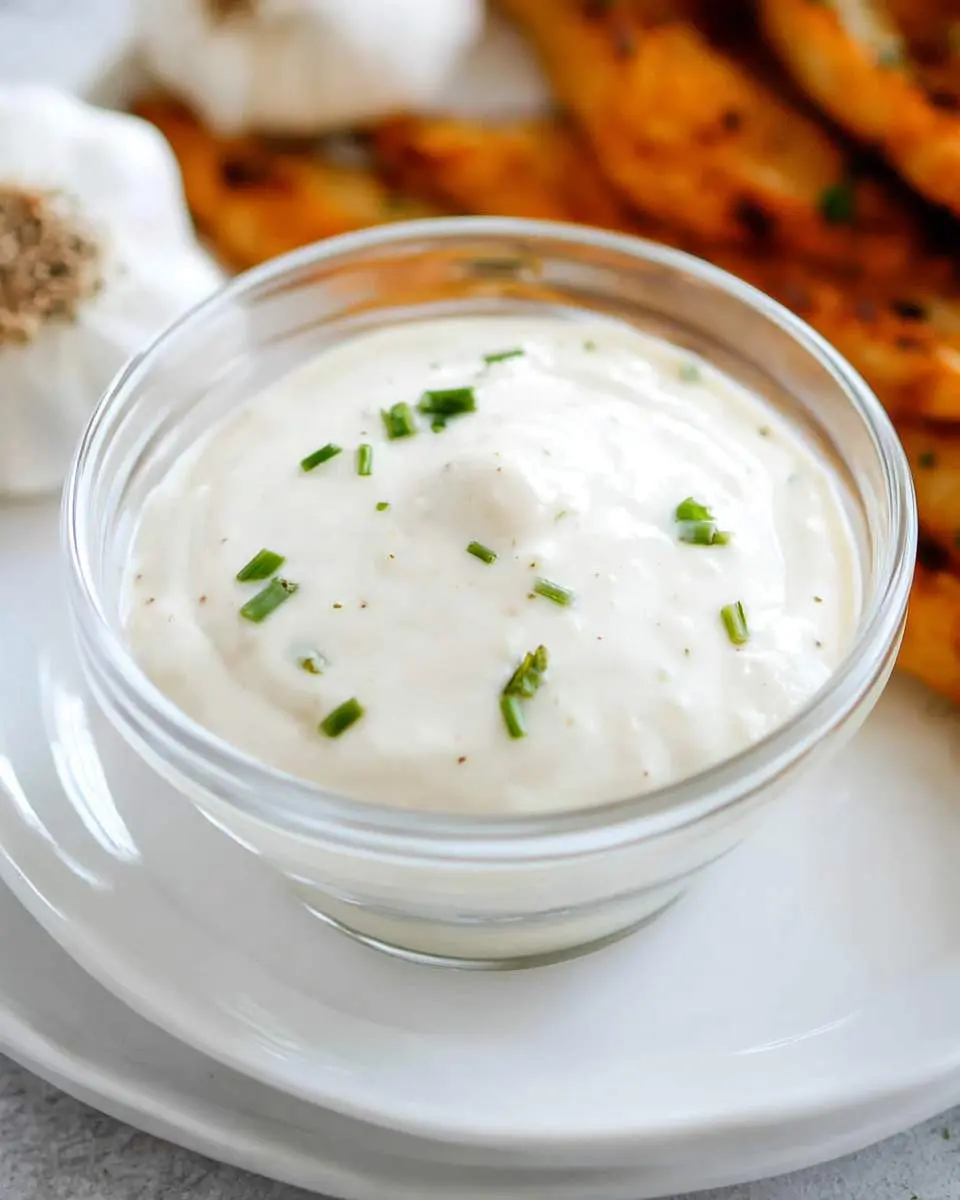
How to Store garlic aioli sauce
- Refrigerate in an airtight glass container for up to 4 days — plastic absorbs garlic odors and never fully recovers
- Press plastic wrap directly onto the surface before sealing to prevent a skin from forming
- Do not freeze — the emulsion breaks irreparably when thawed, leaving you with oily, separated sadness
- Stir gently before serving if separation occurs; a quick whisk usually brings it back together
- Keep refrigerated at 40°F or below; discard if left at room temperature longer than 2 hours
Nutritional Benefits
This garlic aioli sauce delivers more than just flavor — fresh garlic brings allicin, a compound with genuine antimicrobial properties that has been studied for centuries. The egg yolks contribute choline, which supports brain health, plus fat-soluble vitamins that your body actually absorbs thanks to the healthy olive oil base. It’s rich, yes, but it’s real food made from whole ingredients you can pronounce.
FAQs
Can I make this without raw eggs?
Pasteurized egg yolks work beautifully and eliminate any safety concerns. Look for them in the dairy section, or use a high-quality mayonnaise as your base and simply doctor it up with fresh garlic and lemon.
Why did my aioli turn out bitter?
Bitterness usually comes from over-processing olive oil or using oil that’s past its prime. Some extra-virgin varieties become harsh when beaten too aggressively — try a milder oil or blend of half olive, half neutral oil.
How garlicky is this garlic aioli sauce?
It packs serious garlic punch, which is exactly the point. For a milder version, roast your garlic first until soft and sweet, then proceed with the recipe. You’ll lose the sharp bite but gain depth.
What should I serve this with?
Crispy potatoes are non-negotiable in my house. It also transforms grilled vegetables, elevates sandwiches, and makes an absurdly good dip for fried seafood. I once ate it straight from the bowl with a spoon.
Garlic Aioli Sauce
Ingredients
Equipment
Method
Notes
Conclusion
Making garlic aioli sauce from scratch taught me that patience in the kitchen always pays off. That first perfect batch, when the emulsion held and the flavor sang, remains one of my proudest cooking moments. You can do this — and once you taste the difference, you’ll never go back to store-bought. For another sauce that rewards careful technique, try my peppercorn sauce — it’s become my go-to for steak nights.
Follow us on Social Media : Pinterest