
The first time I spread cottage cheese onto a warm tortilla, I was standing in my kitchen at 10 PM, too tired to cook but too hungry to sleep. I had half a tub of cottage cheese, some herbs wilting in the crisper, and zero expectations. That night, cottage cheese wraps became my accidental obsession. the kind of simple food that makes you wonder why you ever bothered with complicated recipes.
My grandmother used to eat cottage cheese straight from the bowl with a spoon, sprinkling it with black pepper like it was caviar. I thought she was eccentric until I started making these wraps and understood her devotion. There is something deeply satisfying about the curds melting slightly against heat, becoming creamy and rich without losing their gentle resistance.
These wraps have become my answer to everything. quick lunches, midnight snacks, something to bring when friends invite me over and I do not want to arrive empty-handed. If you are looking for another creamy appetizer to round out a gathering, my spinach dip recipe has saved me more than once.
Why Cottage Cheese Deserves a Spot in Your Wrap
The magic of cottage cheese wraps starts with the cheese itself. not the watery, flavorless kind from childhood nightmares, but a good small-curd variety with some fat content. The curds hold their shape when cool but surrender to warmth, creating pockets of creaminess that no other spread achieves. I reach for whole milk cottage cheese because the richness matters here; low-fat versions can turn grainy and sad. Fresh herbs are non-negotiable. chives and dill wake up the dairy with their bright, grassy notes. A squeeze of lemon at the end pulls everything into focus. For another recipe where simple ingredients transform into something greater, my Chinese meat pies follow the same philosophy.

How to Make Cottage Cheese Wraps
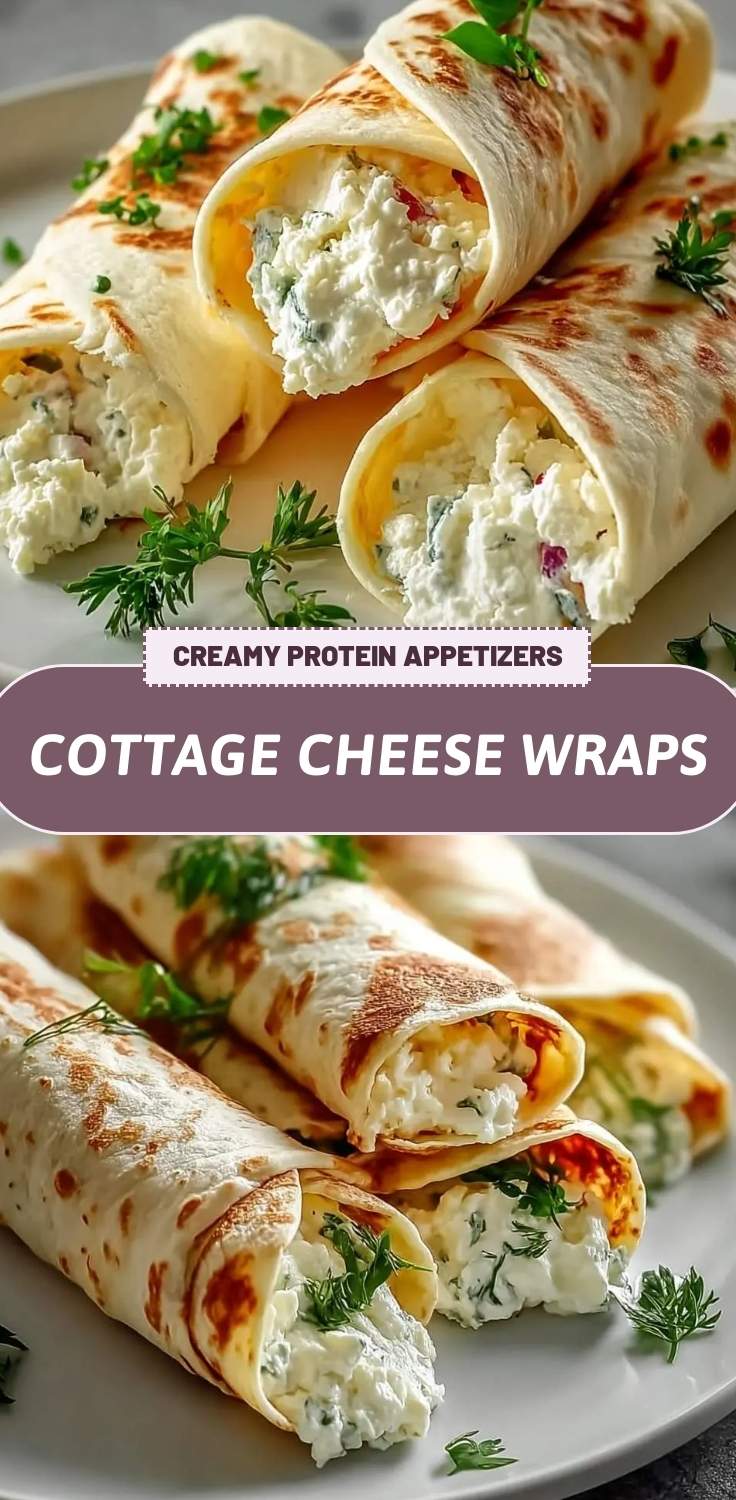
Warm your tortilla first. this is where patience pays off. A dry skillet over medium heat for thirty seconds on each side, until it softens and smells like toasted grain. Spread the cottage cheese while the wrap is still warm, letting the curds relax into the surface. The cheese should go on thick enough to taste in every bite but not so thick that it squeezes out the sides. Layer your herbs, a drizzle of olive oil, maybe some flaky salt if you are feeling fancy. The fold matters: bottom up, sides in, roll tight. You will hear the gentle crackle of the tortilla giving way, feel the weight shift in your hands. If you want a crispy exterior, a quick sear in that same skillet transforms these into something that rivals any hot sandwich. My air fryer mini Hasselback potatoes use the same crisping logic.
What I Learned After Making These Twenty Times
Room temperature cottage cheese spreads smoother than cold. I learned this the hard way, tearing three tortillas before I figured out the temperature matters as much as the tool. Drain excess whey if your brand is watery. soggy wraps are nobody’s friend. The herbs go on last, always, or they bruise and turn bitter against the warm cheese. My Secret Trick: Mix a spoonful of Greek yogurt into the cottage cheese before spreading. It adds tang, improves the texture, and helps everything adhere so your wrap does not fall apart mid-bite. These cottage cheese wraps reward attention to small details.

How to Store Cottage Cheese Wraps
- Refrigerate assembled but unseared wraps in parchment paper, then foil, for up to 24 hours
- Store components separately. cottage cheese mixture keeps 3 days in airtight container at 40°F or below
- Do not freeze assembled wraps; the texture deteriorates into grainy disappointment
- Reheat seared wraps in dry skillet over medium-low heat, 2 minutes per side, until center is warm
- Fresh assembly always wins; pre-made wraps lose their herbal brightness after the first day
Why This Recipe Earns a Place in My Weekly Rotation
Cottage cheese wraps deliver genuine protein without the heaviness of meat-based meals. about 12 grams per wrap depending on your brand. The calcium and casein in the cheese keep me full through afternoon slumps better than any granola bar ever managed. I reach for these when I want nourishment that feels like a choice, not a compromise. They fit into busy days without demanding much from me, and that reliability has made them a staple I genuinely depend on.
FAQs
Can I use large-curd cottage cheese instead of small-curd?
Large-curd works but creates a lumpier texture that can tear delicate tortillas. I mash it slightly with a fork before spreading to help it behave. Small-curd integrates more smoothly and gives you that consistent creamy layer you are looking for in every bite.
What is the best tortilla for these wraps?
Flour tortillas hold up best. the gluten structure resists tearing when spread with thick cheese. Corn tortillas crack and crumble under pressure. Look for burrito-size flour tortillas, about 10 inches, with some flexibility when you bend them.
How do I keep the wrap from getting soggy?
Drain your cottage cheese through a fine mesh strainer for ten minutes before using. Pat herbs completely dry after washing. Apply cheese to warm tortilla, not hot. excessive steam creates moisture that soaks into the bread. Eat within an hour of assembly for best texture.
Can I make these cottage cheese wraps ahead for a party?
Assemble one hour before serving maximum, wrapped individually in parchment. Store at cool room temperature, not refrigerated, to preserve tortilla flexibility. The cottage cheese holds safely for short periods, and the flavors actually improve as the herbs infuse into the cheese.

Cottage Cheese Wraps
Ingredients
Equipment
Method
Notes
Conclusion
I hope these cottage cheese wraps find their way into your kitchen the way they found mine. unexpectedly, then permanently. Some of the best recipes start with skepticism and end with devotion. For another simple appetizer that surprises people, try my whipped ricotta crostini. Happy cooking.
Follow us on Social Media : Pinterest