
The first time I bit into a proper Chinese meat pie, I was standing in a cramped Beijing alleyway at 7 AM, steam rising from a wok while an elderly woman flipped golden discs with practiced hands. That memory haunted me for years. the crackle of the crust giving way to juicy pork and fragrant scallions, the way the filling practically sang with ginger and white pepper. I knew I had to recreate that magic in my own kitchen, and after dozens of attempts, these Chinese meat pies finally taste like that morning in the alley.
My grandmother never made these. she was more of a pot roast and apple pie woman. but she would have loved the way the dough comes together. She taught me that good food takes patience, and these pies demand it. The first time I tried rushing the resting period, the dough fought back, springing like rubber when I tried to roll it. Now I set a timer and walk away, trusting the process.
What I love most is how these bridge my two food obsessions: the hand-held comfort of crispy Chinese egg rolls and the substantial satisfaction of a proper filled pastry. They are not diet food. They are not quick weeknight fare. They are Sunday afternoon projects that reward you with something genuinely special.
The Ingredients That Make These Pies Sing
The dough is deceptively simple. just flour, water, and a touch of oil. but the hot water method changes everything. It partially cooks the starch, creating that signature chewy-tender texture you cannot achieve with cold water. For the filling, I use fatty ground pork because lean meat turns dry and sad inside that crispy shell. The real secret weapon is Sichuan peppercorn, toasted and ground fresh. It adds this electric, mouth-tingling quality that makes people stop mid-bite and ask what that flavor is. Fresh ginger and scallions are non-negotiable; dried or old specimens betray you immediately. If you have never worked with hot water dough before, my scallion pancake recipe uses the same technique and builds the same skills.
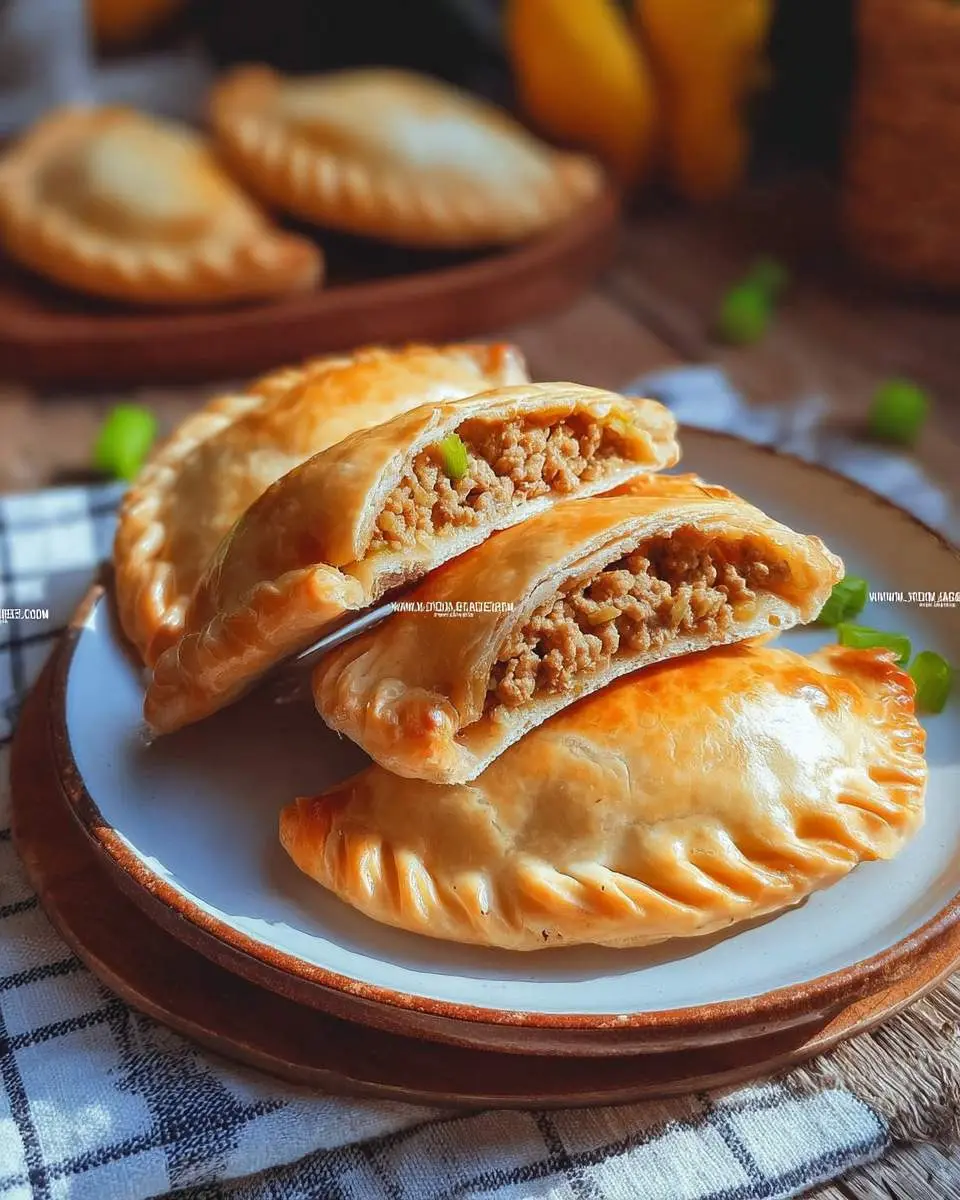
How to Make Chinese Meat Pies
I start the dough first thing, pouring boiling water into flour while stirring with chopsticks until shaggy clumps form. The steam hits your face, smelling like wheat and possibility. Once cool enough to handle, I knead until smooth. about eight minutes of satisfying push and fold. then wrap it tight and forget it exists for thirty minutes. This rest is everything; the gluten relaxes, the dough becomes pliable, and rolling it into thin rounds feels like working with soft leather rather than fighting elastic.
The filling comes together in minutes: pork, minced ginger, scallions, soy sauce, sesame oil, and that ground Sichuan peppercorn. I stir in one direction until the mixture turns sticky and cohesive, almost bouncy. This develops the proteins and helps the filling hold together when you bite.
Assembly is where the meditation happens. I divide the dough into eight pieces, roll each into a thin circle, pile filling in the center, then pleat and pinch my way to a thick, stuffed disc. The pleating takes practice. My first attempts looked like sad, lumpy coins. Now I can close them neatly, though I still appreciate the rustic ones most. they taste the same.
Frying is the reward for all that patience. I use a cast-iron skillet with just enough oil to coat the bottom, medium heat, and I listen. The sizzle should be assertive but not angry. Three minutes per side, and I peek underneath to check for that deep amber color. The kitchen fills with the smell of toasted sesame and pork fat, and I always steal the first one straight from the pan, burning my fingertips and not caring. For a completely different crispy project, this pita pizza method uses similar timing instincts.
What I Learned Making These Ten Times
Do not skip the dough rest. I tested thirty minutes against two hours, and the longer rest produces noticeably more tender, easier-to-roll dough. The gluten truly transforms.
Roll from the center outward, rotating constantly. This maintains even thickness and prevents the dreaded thin spot that bursts during frying. I learned this the hard way with filling leaking into hot oil and smoking up my kitchen.
Let the formed pies rest ten minutes before frying. This relaxes the dough again and prevents shrinkage in the pan. Your circles stay circles instead of contracting into ovals.
My Secret Trick: Brush the finished pies with a tiny amount of sesame oil immediately after they come out of the pan. It adds a final layer of fragrance and keeps the crust crisp longer instead of softening as it cools.
Chinese meat pies freeze beautifully, so I always make a double batch and stash half for desperate weeknights.
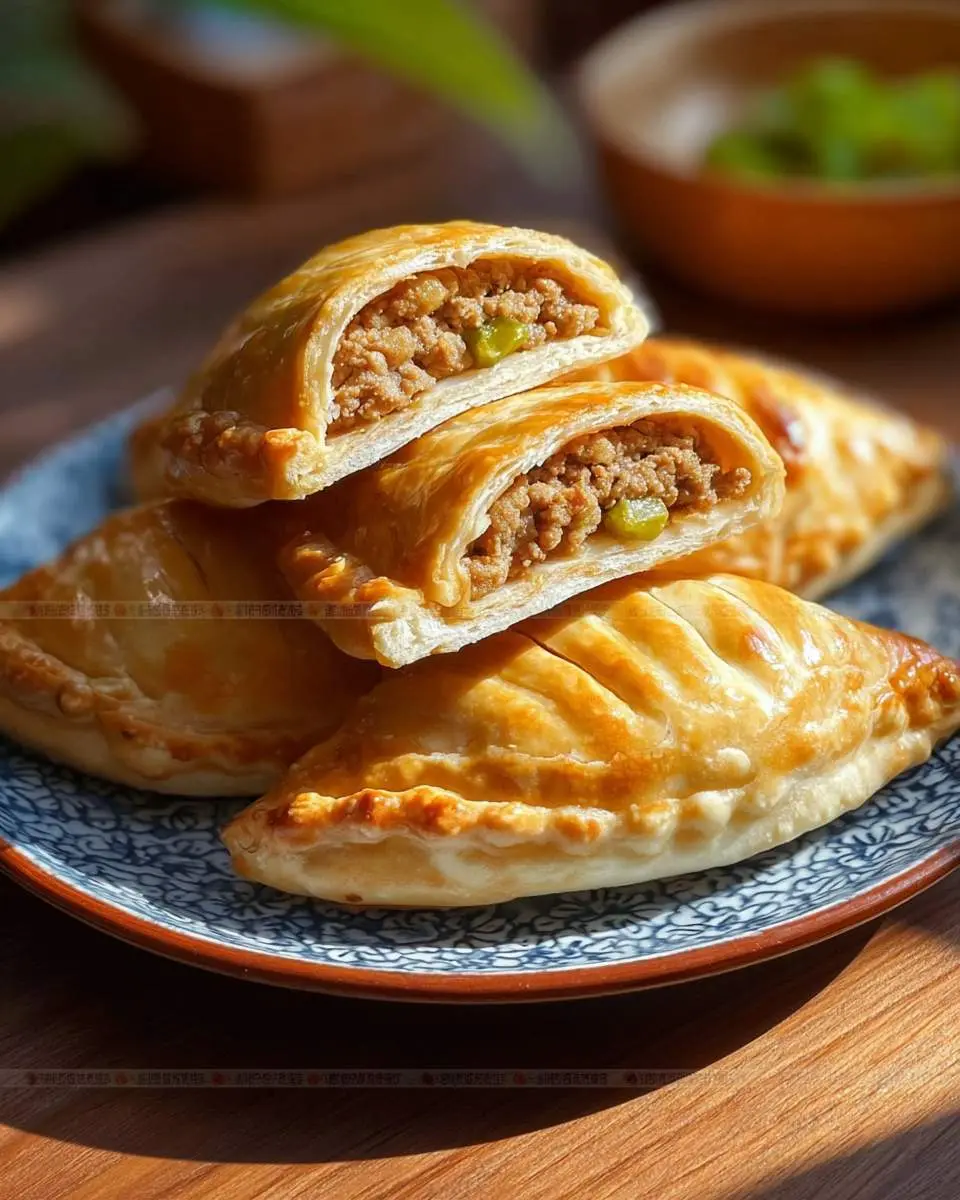
How to Store Chinese Meat Pies
- Refrigerate cooled pies in an airtight container with parchment between layers for up to 4 days. The crust softens slightly but reheats well.
- Freeze uncooked pies on a parchment-lined sheet until solid, about 2 hours, then transfer to freezer bags for up to 3 months. Fry straight from frozen, adding 2 extra minutes per side.
- Freeze cooked pies the same way for up to 2 months. Reheat in a 375F oven or air fryer for 8-10 minutes until crisp and heated through.
- Never microwave these. The crust becomes rubbery and sad. The oven or air fryer restores that crucial texture.
Why These Pies Belong in Your Regular Rotation
Despite the indulgent reputation, Chinese meat pies offer genuine nutritional substance when you look at what is actually inside. The pork provides complete protein and B vitamins, while ginger brings anti-inflammatory compounds that have been studied for digestion and immune support. The dough, made with hot water, is easier to digest than cold-water pastry for many people. I serve these with a simple cucumber salad dressed with black vinegar, and the combination feels balanced and satisfying without being heavy. They are weekend cooking that fuels actual living.

FAQs
Can I use a different protein for the filling?
Ground chicken or turkey work, but they need extra fat. I add two tablespoons of minced pork fat or rendered lard to keep the filling moist. Beef changes the character entirely. still delicious, but more like a different dish. For vegetarian versions, crumbled firm tofu with mushrooms and extra sesame oil comes closest to the original texture.
Why did my pies burst open while frying?
Usually this means the dough was rolled too thin in spots, or the filling was too wet. Squeeze excess moisture from your scallions and ginger before mixing. Also ensure your pleats are sealed firmly. I pinch each one twice, then press the whole edge flat. A small burst is normal and delicious; a gushing leak means structural failure.
Can I make the dough ahead of time?
Absolutely, and I often do. The dough refrigerates well for up to 24 hours, wrapped tightly. Bring it to room temperature for 30 minutes before rolling, or it will spring back stubbornly. The rested dough actually develops better flavor overnight as the enzymes do their work.
What dipping sauce pairs best with these?
Black vinegar with a splash of soy sauce and a few drops of chili oil is traditional and perfect. I also love Chinese mustard mixed with a little rice vinegar for sharp contrast. The Chinese meat pies are rich, so something acidic cuts through beautifully. Avoid sweet sauces. they clash with the savory, peppery filling.
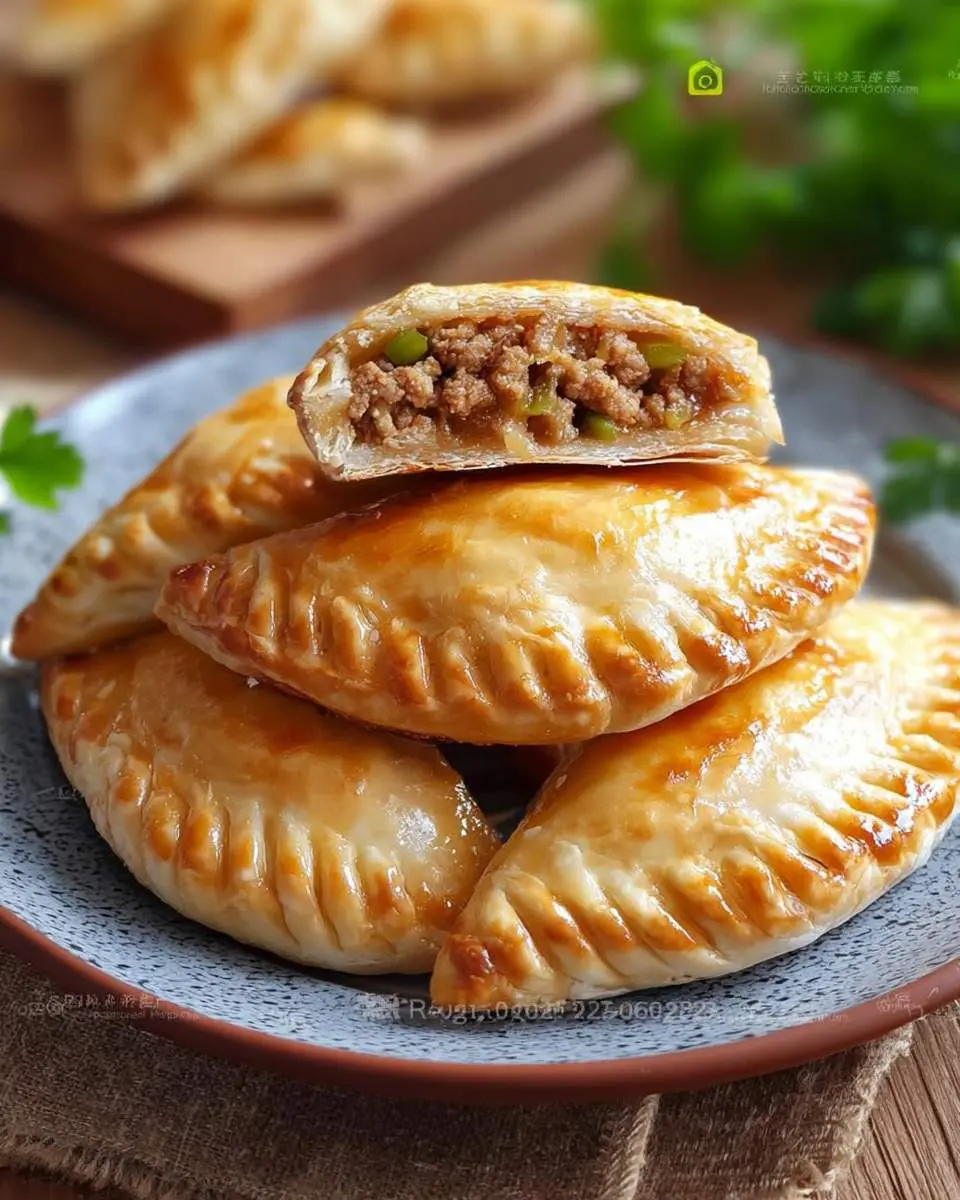
Chinese Meat Pies (Xian Bing)
Ingredients
Equipment
Method
Notes
Conclusion
These Chinese meat pies have become my signature when friends visit. the dish that makes people linger at the table, reaching for just one more. They are not effortless, but they are worth every minute of your Sunday afternoon. Make them once, and you will understand why I cannot stop talking about that alleyway in Beijing. For a completely different kind of sweet ending, this caramelized pineapple cleanses the palate beautifully.
Follow us on Social Media : Pinterest