
There’s something truly magical about the aroma of simmering chiles and tender beef that fills my kitchen. It transports me straight to those cherished moments with family, gathered around a table laden with delicious food. Making Beef Tamales isn’t just cooking; it’s a labor of love, a beautiful tradition, and frankly, a whole lot of fun.
I remember the first time I attempted them solo, after watching my aunt perfect her technique for years. Her kitchen was always the heart of our gatherings, especially during the holidays, and the scent of her tamales was simply unforgettable. It felt like a rite of passage to finally tackle them myself.
While it might seem like a big project, I promise you, the joy of peeling back that corn husk to reveal a perfectly steamed, savory package is entirely worth it. If you’re looking for another comforting beef dish, you might enjoy my recipe for beef short ribs.
What You Need to Make This Recipe
For these incredible Beef Tamales, we rely on a few key players. Good quality masa harina for tamales is absolutely essential; it’s the foundation of that soft, yielding texture that cradles our filling. I always choose a rich beef chuck roast, because it shreds beautifully and soaks up all the incredible flavors of our chile sauce. That sauce, by the way, comes from a blend of dried Ancho and Guajillo chiles – they bring a depth of earthy, slightly fruity notes that you just can’t skip. If you’re often cooking with beef, you might find my guide to beef shish kabobs handy for other cuts.
How to Make Beef Tamales
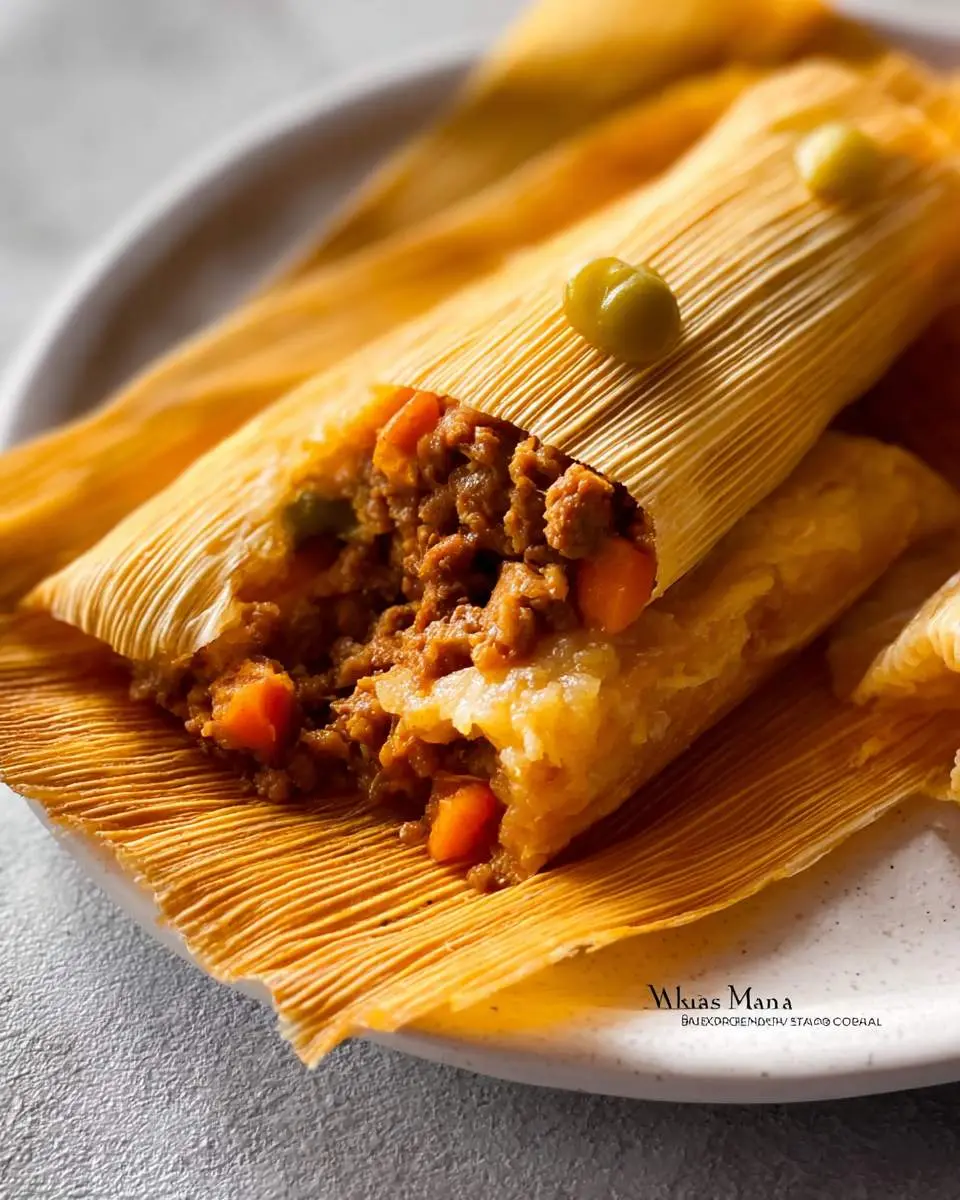
The journey to perfect tamales begins with rehydrating those beautiful dried chiles, letting them soften before blending them into a vibrant, aromatic sauce. While the chiles are working their magic, I get my beef chuck roast simmering slowly, infusing the house with the most incredible savory fragrance. Once the beef is fork-tender, I shred it and toss it with that rich, freshly blended chile sauce, allowing all those flavors to meld.
Next comes the masa, which I mix until it’s light and fluffy, ready to be spread onto the corn husks. The assembly line is always my favorite part; spreading the masa, adding a generous spoonful of our delicious beef filling, and carefully folding each one into a neat little package. Then, into the steamer they go, and the wait begins, filled with the gentle hiss and release of steam, until they emerge perfectly cooked and ready to enjoy. For another flavorful beef dish that celebrates aromatics, check out my ginger beef recipe.
Pro Tips
- Don’t skimp on the masa hydration: The key to light, fluffy tamales is properly hydrated masa. It should feel like soft cookie dough, not too wet or too stiff. If it’s too dry, your tamales will be dense and crumbly.
- Toast your dried chiles: Before rehydrating, a quick toast in a dry pan for 30-60 seconds brings out a much deeper, more complex flavor in your chile sauce. Just be careful not to burn them!
- Shred the beef against the grain: This ensures maximum tenderness and makes the Beef Tamales filling incredibly succulent. It’s a small step that makes a huge difference in texture.
My Secret Trick: I always incorporate a little bit of the reserved beef braising liquid into my masa when mixing. It adds an extra layer of savory depth and keeps the masa incredibly moist, making the tamales even more delicious.
How to Store Beef Tamales
- Refrigeration: Once cooled, store your tamales in an airtight container in the refrigerator for up to 3-4 days.
- Freezing: For longer storage, wrap individual tamales tightly in plastic wrap, then place them in a freezer-safe bag. They will keep well for up to 3 months.
- Reheating: The best way to reheat is by steaming them again for 15-20 minutes until heated through. Alternatively, microwave with a damp paper towel for a minute or two.
Nutritional Benefits
These savory Beef Tamales offer a hearty meal, providing a good source of protein from the beef, which is essential for muscle health and energy. The corn masa also contributes some dietary fiber and carbohydrates, offering sustained energy. Plus, the dried chiles in the sauce bring a wonderful kick of flavor along with various vitamins and antioxidants.
FAQs
Can I make the beef filling ahead of time?
Absolutely! Preparing the beef filling a day or two in advance is a fantastic time-saver. It even allows the flavors to deepen further, making your tamales even more delicious. Just store it in an airtight container in the refrigerator until you’re ready to assemble.
Why are my tamales sometimes dry?
Dry tamales are usually a sign that your masa might not have had enough moisture or fat, or they were steamed for too long. Ensure your masa is light and airy, and follow the steaming times closely. Adding a bit more stock or lard to the masa can also help.
How do I know when the tamales are done?
A perfectly cooked tamale will easily pull away from the corn husk. If the masa sticks, it needs more steaming time. Test one after the recommended time; if it’s still sticky, return the batch to the steamer for another 10-15 minutes.
Can I substitute the beef in this recipe?
While this recipe specifically focuses on Beef Tamales, you could certainly experiment with other fillings. Shredded chicken, pork carnitas, or even a flavorful vegetable mix are popular alternatives. The cooking method for the tamales themselves would remain largely the same.
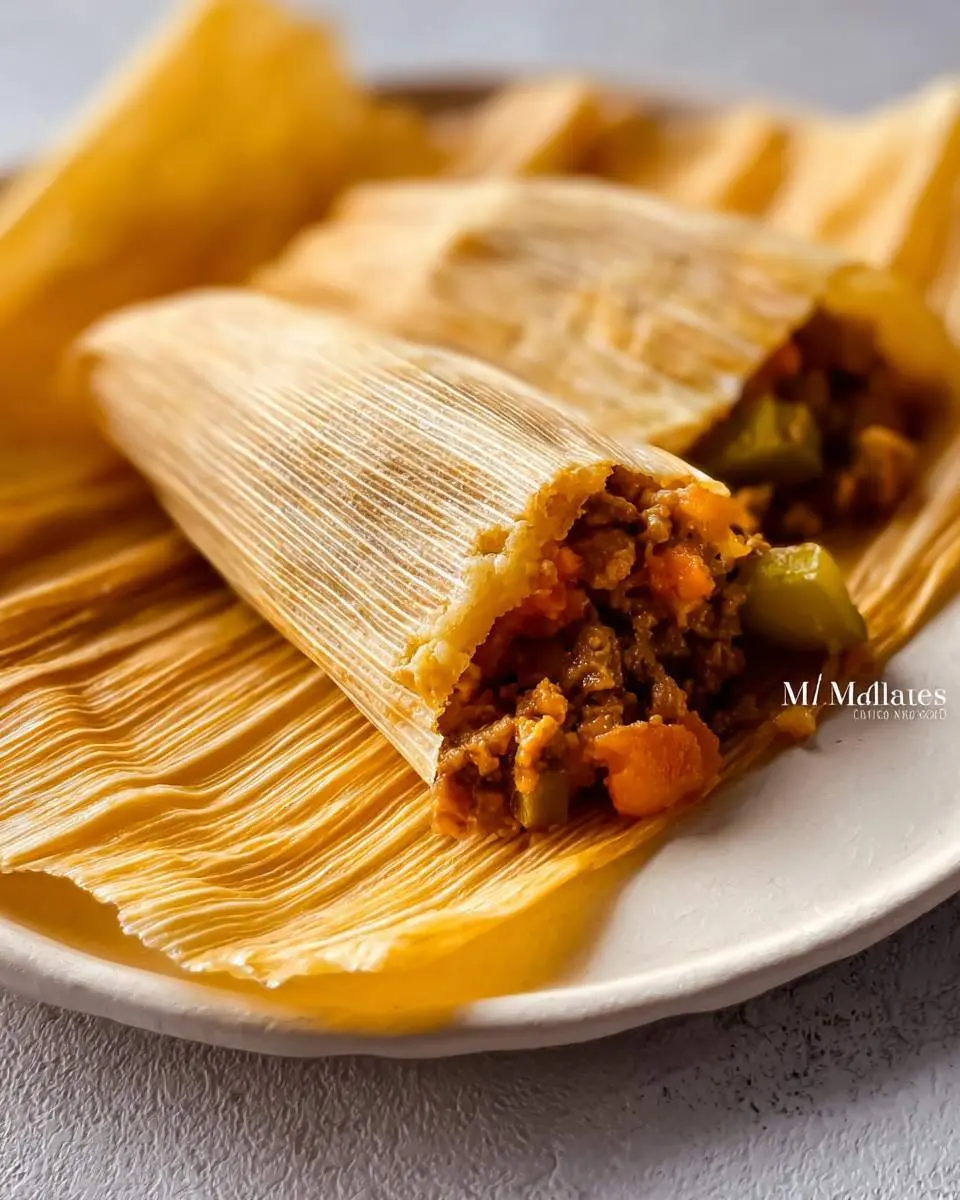
Beef Tamales
Ingredients
Equipment
Method
Notes
No lard? Vegetable shortening works great as a substitute for the masa dough, giving you a similar tender texture. You can also use pork shoulder instead of beef for a traditional pork tamale filling.
Serve your homemade tamales with your favorite toppings like fresh salsa, a dollop of sour cream or crema, or some pickled jalapeños for a delightful kick. They’re fantastic for holiday gatherings or a comforting weeknight meal.
Conclusion
There’s a profound satisfaction that comes from creating something so deeply rooted in tradition and flavor. These Beef Tamales are more than just a meal; they’re an experience, a connection to heritage, and a truly heartwarming dish to share. I genuinely hope you give them a try and create some wonderful memories in your own kitchen. For another impressive beef dish, you might enjoy my roast beef tenderloin recipe.