
The first time I tasted roasted red pepper sauce, I was sitting at a tiny trattoria in Boston’s North End. The waiter brought out a plate of grilled chicken draped in this silky, flame-colored sauce, and I remember the smell hit me before the flavor did — smoky, sweet, almost like summer captured in a bowl. That sauce changed how I thought about weeknight cooking forever.

My grandmother never made anything like this. She was a cream-of-mushroom-soup kind of cook, bless her heart. But I think she would have loved watching me char peppers on my gas stove until the skins blistered and blackened, the kitchen filling with that unmistakable roasted aroma that makes you hungry even if you just ate.
Now I keep jars of this sauce in my fridge like some people keep ketchup. It rescues boring chicken, transforms leftover grains, and makes me feel like a better cook than I actually am. If you are into creamy, punchy sauces like I am, you might also want to check out my spicy mayo sauce — it has that same weeknight-magic energy.
What You Need to Make This Recipe
The heart of this sauce is obviously the peppers themselves — I use three large red bell peppers, the kind that feel heavy for their size and have glossy, unblemished skin. The roasting process concentrates their natural sugars, which is why this sauce tastes almost fruity without any added sugar. I add a single garlic clove, raw but mellowed by blending, plus a handful of toasted almonds that give the sauce its body and a subtle nuttiness you cannot quite identify but would definitely miss. A splash of sherry vinegar wakes everything up, and good olive oil pulls it all together into something pourable and lush. I have been on a sauce kick lately — my garlic aioli uses a similar technique with different results.

How to Make roasted red pepper sauce
I start by blasting my peppers directly over the gas flame, turning them with tongs as the skin bubbles and chars. The popping sounds and occasional flare-ups used to scare me, but now I find the whole process meditative. Once every surface is blackened, I drop them into a covered bowl to steam — this is when the skins loosen and become easy to peel away.
While the peppers cool, I toast my almonds in a dry skillet until they smell like popcorn. That nutty aroma is my signal to stop; almonds go from perfect to burnt faster than you would think. Everything goes into the blender — the peeled peppers, the almonds, raw garlic, vinegar, salt — and I drizzle in olive oil while the machine runs. The transformation happens in about thirty seconds: from chunky and separate to something smooth and cohesive that coats the back of a spoon.
I taste and adjust, usually adding more salt or a pinch of smoked paprika if I want extra depth. The sauce is warm from the peppers, and I almost always steal a spoonful straight from the blender. For another sauce that rewards patience and attention, try my cowboy butter dipping sauce — it has that same build-as-you-go satisfaction.
Pro Tips
Char aggressively, then rest. I used to rush the steaming step and fought with stubborn pepper skin for twenty minutes. Now I let them sit covered for a full fifteen minutes, and the skins practically slide off in sheets. The patience pays off in texture — no bitter black flecks in your finished sauce.
Toast your nuts deeply. Pale almonds make a sauce that tastes flat and raw. I wait until they are a shade darker than I think I should, right when the kitchen smells like a movie theater. This depth carries the whole sauce.
Blend longer than feels necessary. High-speed blending for a full minute creates emulsification that hand-blending or pulsing cannot achieve. The sauce becomes almost creamy without any dairy, which matters if you are feeding vegan friends or just out of cream.
My Secret Trick: I save a tablespoon of the liquid that pools at the bottom of the pepper bowl after steaming — it is pure concentrated pepper essence, and adding it back to the blender amplifies the flavor in a way that water or extra oil never could.

How to Store roasted red pepper sauce
- Refrigerate in a glass jar with a tight lid for up to 5 days — the flavor actually improves after 24 hours as the garlic mellows and the elements meld
- Freeze in ice cube trays for single-serving portions, then transfer frozen cubes to a freezer bag for up to 3 months — thaw overnight in the refrigerator or gently in a small saucepan
- Reheat gently over low heat, whisking occasionally; do not microwave on high as the oil can separate and the garlic can turn bitter
- Stir well before each use, as natural separation occurs — this is normal and does not mean the sauce has spoiled
Nutritional Benefits
Red bell peppers are one of those ingredients that punch above their weight nutritionally — one medium pepper delivers more vitamin C than an orange, and the roasting process actually makes some of those antioxidants more bioavailable. The almonds contribute healthy fats and a small amount of protein, which means this roasted red pepper sauce satisfies in a way that pure vegetable sauces sometimes do not. I am not a nutritionist, but I know how I feel after eating it: energized, not weighed down.
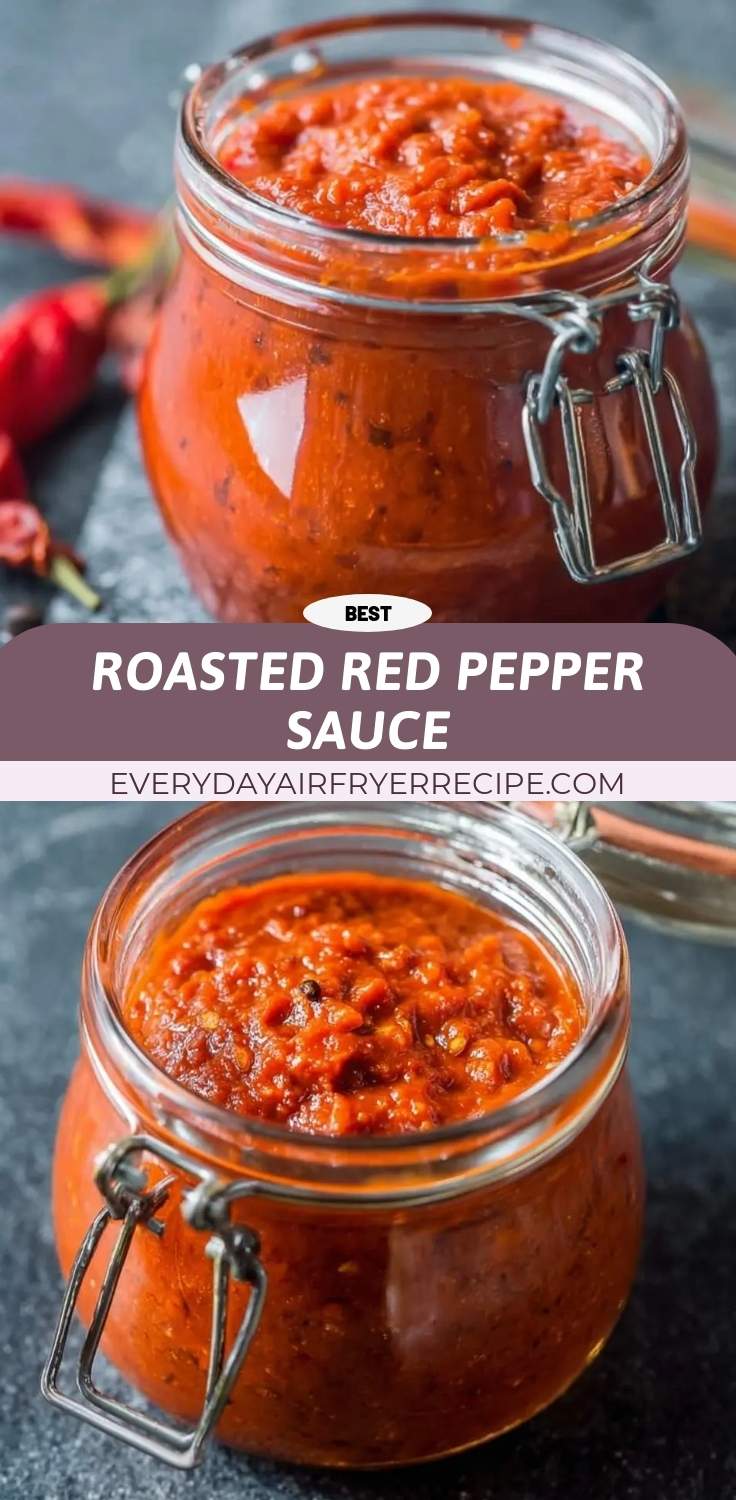
FAQs
Can I use jarred roasted peppers instead of fresh?
Yes, though the flavor will be milder and slightly more acidic. Look for peppers packed in water, not vinegar, and drain them well. You will need about one and a half cups of jarred peppers to replace three fresh ones.
Why does my sauce taste bitter?
Bitterness usually comes from charred pepper skin that was not fully removed, or garlic that was old or beginning to sprout. Peel meticulously, and use firm, fresh garlic cloves for the cleanest flavor.
Is this sauce spicy?
Not inherently — red bell peppers are sweet, not hot. If you want heat, add a pinch of red pepper flakes or half a roasted jalapeño. I have made it both ways depending on who is coming to dinner.
What can I use instead of almonds?
Cashews create a creamier, more neutral base; pine nuts are traditional in some Mediterranean versions but expensive. Sunflower seeds work for nut-free homes, though they add a slightly earthier roasted red pepper sauce experience.
Roasted Red Pepper Sauce
Ingredients
Equipment
Method
Notes
Conclusion
This roasted red pepper sauce has become my culinary safety net — the thing I make when I want to feel capable and nourished without much effort. I hope it finds a place in your rotation too. For another versatile sauce that elevates simple proteins, try my peppercorn sauce — it has that same transformative power.
Follow us on Social Media : Pinterest