
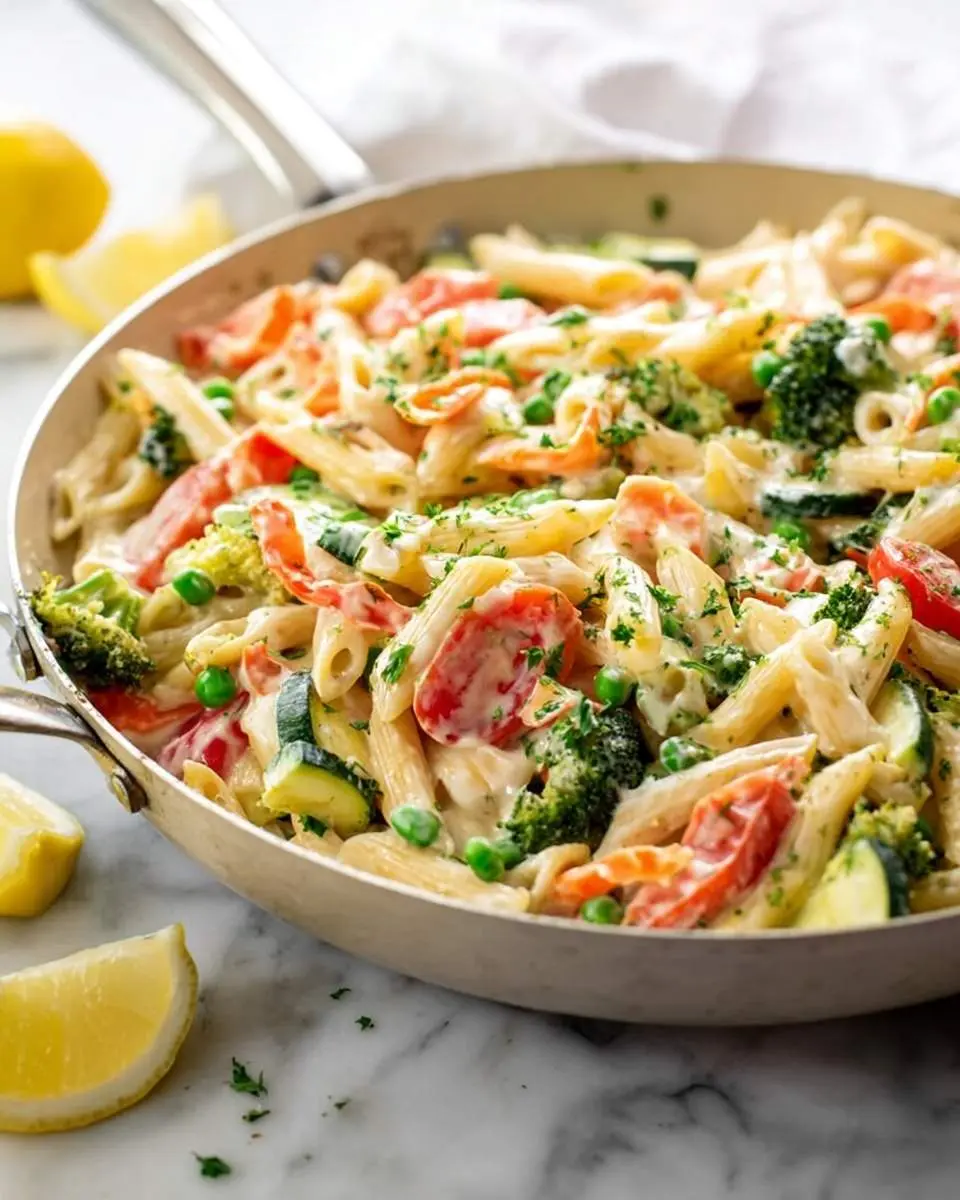
How to Make Pasta Primavera
Creating this delightful Pasta Primavera is a straightforward process that brings together fresh flavors beautifully. You’ll start by cooking your pasta to al dente perfection, then sauté your aromatics before adding the harder vegetables like broccoli and asparagus. Softer veggies join the party next, followed by a savory sauce that brings everything together, much like my simple broccoli pasta. It’s a wonderful way to enjoy a comforting meal.
Pro Tips for Making This Pasta Primavera
Making a truly exceptional Pasta Primavera is all about letting those fresh ingredients shine. I’ve learned a few things over the years that help elevate this dish from good to absolutely fantastic, ensuring every forkful is vibrant and flavorful.
My top tip is to always cook your pasta just shy of al dente, especially since it will continue to cook slightly when combined with the warm sauce. This ensures your Pasta Primavera maintains a perfect texture.
My Secret Trick: When adding your fresh herbs like parsley and basil, always do it right at the very end, just before serving. This preserves their bright, delicate flavors and prevents them from overcooking and losing their vibrancy in the Pasta Primavera. It’s a small step that makes a huge difference!
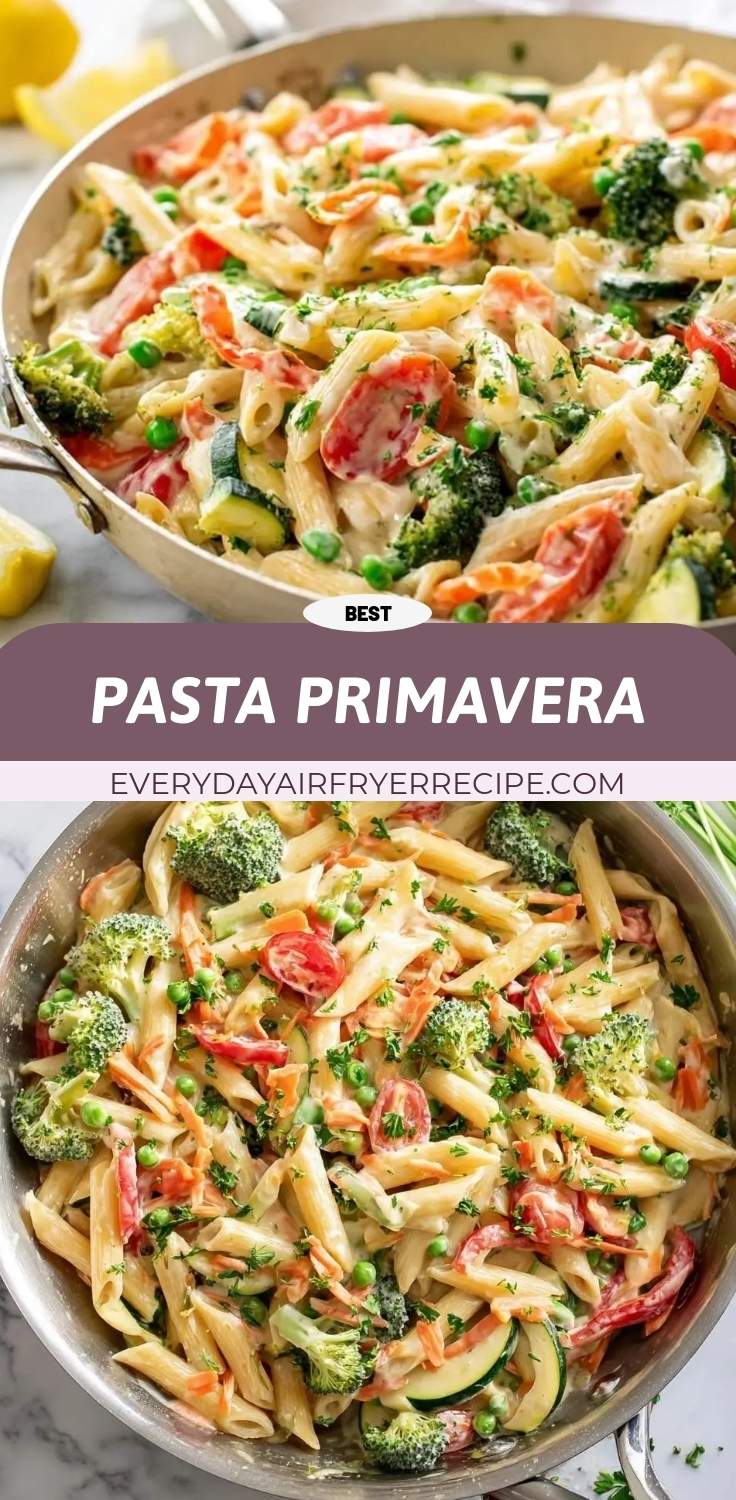
Fun Variations for Pasta Primavera
One of the joys of cooking is experimenting, and this Pasta Primavera recipe is wonderfully versatile! I often find myself adapting it based on what’s fresh in the market or what my family is craving. It’s like how I enjoy playing with ingredients in my garlic mushroom pasta.
For a protein boost, try adding grilled chicken, shrimp, or even some chickpeas. If you’re looking for a creamy twist, a splash of heavy cream or a spoonful of mascarpone cheese can transform the sauce into something truly decadent. You could also swap out the white wine for more vegetable broth and a dash of apple cider vinegar for a non-alcoholic option. Don’t be afraid to experiment with different herbs too – a little fresh oregano can add another layer of flavor to your Pasta Primavera.
What to Serve With Pasta Primavera
While this Pasta Primavera is a complete meal on its own, sometimes a little something extra just completes the picture. I love serving it with a simple side salad tossed in a light vinaigrette to add a refreshing crunch. A basket of crusty bread is perfect for soaking up any leftover sauce – it’s a family favorite at our dinner table! My practical tip: always have some fresh Parmesan on hand for an extra sprinkle; it really enhances the flavors of the Pasta Primavera.
How to Store Pasta Primavera
If you happen to have any leftovers of this delicious Pasta Primavera, don’t fret – they store beautifully! I always recommend transferring any cooled leftovers into an airtight container and refrigerating them for up to 3-4 days. This ensures the vegetables retain their freshness and the pasta doesn’t dry out. When reheating, I like to add a splash of vegetable broth or a little water to help bring back that lovely sauciness and prevent the dish from becoming too dense. Reheating gently on the stovetop or in the microwave will bring your Pasta Primavera back to life.
Nutritional Benefits
This vibrant Pasta Primavera is packed with an array of colorful vegetables, offering a fantastic source of vitamins, minerals, and fiber for your family. It’s a balanced meal that supports overall well-being and is a delicious way to enjoy your greens!
FAQs
Can I use whole wheat pasta for Pasta Primavera?
Absolutely! Using whole wheat pasta is a fantastic way to add more fiber and nutrients to your Pasta Primavera. Just be sure to follow the package directions for cooking times, as whole wheat varieties can sometimes require a slightly longer cook.
What kind of vegetables are best for Pasta Primavera?
The beauty of Pasta Primavera is its versatility. While this recipe uses broccoli, asparagus, and bell peppers, feel free to use seasonal vegetables like snap peas, spinach, mushrooms, or even green beans. The key is to choose fresh, vibrant produce.
Can I make Pasta Primavera ahead of time?
You can definitely prep some components of your Pasta Primavera in advance! Chop all your vegetables and store them separately in the refrigerator. Cook the pasta al dente just before serving to ensure the best texture, then combine everything for a fresh dish.
Is Pasta Primavera suitable for meal prepping?
Yes, Pasta Primavera works well for meal prepping! Cook the dish as directed, then portion it into individual airtight containers. When reheating, add a small splash of vegetable broth to help refresh the sauce and keep the pasta from drying out.
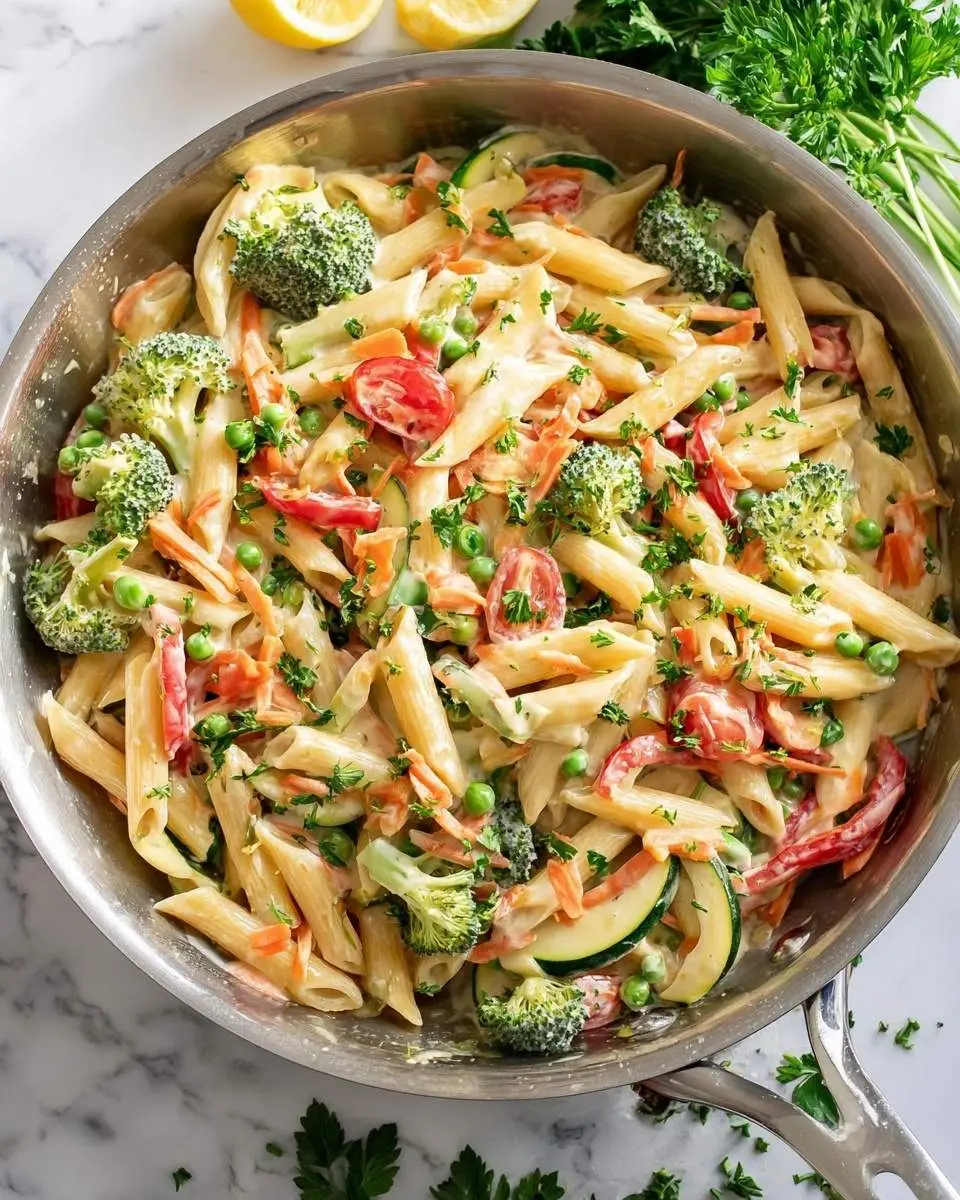
Sunny Garden Pasta Primavera
Ingredients
Equipment
Method
Notes
Conclusion
This Bright & Healthy Pasta Primavera recipe is truly a testament to how simple, fresh ingredients can come together to create something extraordinarily delicious and wholesome. It’s a versatile dish that offers both comfort and nutrition, making it perfect for those busy weeknights when you still want a homemade meal on the table. I encourage you to embrace the vibrant flavors and make this Pasta Primavera a staple in your family’s meal rotation. Happy cooking!
Follow us on Social Media : Pinterest
When the garden is bursting with vibrant colors, there’s nothing quite like bringing that freshness straight to the dinner table. This Sunny Garden Pasta Primavera is a celebration of spring and summer, a hearty dish that feels light and joyful all at once. It’s an easy way to get a wholesome, satisfying meal on the table, much like my favorite pesto pasta recipe.
I remember my grandmother teaching me how to pick fresh basil from her herb garden, its scent mingling with the sweet aroma of tomatoes ripening in the sun. Those moments, gathered around a simple, delicious meal, shaped my lifelong love for cooking with fresh, seasonal ingredients.
This recipe is designed to be both nutritious and stress-free for busy families. It’s a delightful way to enjoy a medley of vegetables, offering a comforting and flavorful dinner with minimal fuss. My practical tip? Don’t be afraid to use whatever seasonal veggies you have on hand!
What You Need to Make This Recipe
This recipe celebrates fresh, vibrant ingredients that come together beautifully. With a mix of colorful bell peppers, tender asparagus, and juicy cherry tomatoes, alongside quality pasta and a splash of wine, this dish is a feast for the senses, reminiscent of a classic penne all’arrabbiata in its ability to deliver bold flavors. The full list of ingredients and measurements are in the recipe card below for this wonderful Pasta Primavera.
How to Make Pasta Primavera
Creating this delightful Pasta Primavera is a straightforward process that brings together fresh flavors beautifully. You’ll start by cooking your pasta to al dente perfection, then sauté your aromatics before adding the harder vegetables like broccoli and asparagus. Softer veggies join the party next, followed by a savory sauce that brings everything together, much like my simple broccoli pasta. It’s a wonderful way to enjoy a comforting meal.
Pro Tips for Making This Pasta Primavera
Making a truly exceptional Pasta Primavera is all about letting those fresh ingredients shine. I’ve learned a few things over the years that help elevate this dish from good to absolutely fantastic, ensuring every forkful is vibrant and flavorful.
My top tip is to always cook your pasta just shy of al dente, especially since it will continue to cook slightly when combined with the warm sauce. This ensures your Pasta Primavera maintains a perfect texture.
My Secret Trick: When adding your fresh herbs like parsley and basil, always do it right at the very end, just before serving. This preserves their bright, delicate flavors and prevents them from overcooking and losing their vibrancy in the Pasta Primavera. It’s a small step that makes a huge difference!
Fun Variations for Pasta Primavera
One of the joys of cooking is experimenting, and this Pasta Primavera recipe is wonderfully versatile! I often find myself adapting it based on what’s fresh in the market or what my family is craving. It’s like how I enjoy playing with ingredients in my garlic mushroom pasta.
For a protein boost, try adding grilled chicken, shrimp, or even some chickpeas. If you’re looking for a creamy twist, a splash of heavy cream or a spoonful of mascarpone cheese can transform the sauce into something truly decadent. You could also swap out the white wine for more vegetable broth and a dash of apple cider vinegar for a non-alcoholic option. Don’t be afraid to experiment with different herbs too – a little fresh oregano can add another layer of flavor to your Pasta Primavera.
What to Serve With Pasta Primavera
While this Pasta Primavera is a complete meal on its own, sometimes a little something extra just completes the picture. I love serving it with a simple side salad tossed in a light vinaigrette to add a refreshing crunch. A basket of crusty bread is perfect for soaking up any leftover sauce – it’s a family favorite at our dinner table! My practical tip: always have some fresh Parmesan on hand for an extra sprinkle; it really enhances the flavors of the Pasta Primavera.
How to Store Pasta Primavera
If you happen to have any leftovers of this delicious Pasta Primavera, don’t fret – they store beautifully! I always recommend transferring any cooled leftovers into an airtight container and refrigerating them for up to 3-4 days. This ensures the vegetables retain their freshness and the pasta doesn’t dry out. When reheating, I like to add a splash of vegetable broth or a little water to help bring back that lovely sauciness and prevent the dish from becoming too dense. Reheating gently on the stovetop or in the microwave will bring your Pasta Primavera back to life.
Nutritional Benefits
This vibrant Pasta Primavera is packed with an array of colorful vegetables, offering a fantastic source of vitamins, minerals, and fiber for your family. It’s a balanced meal that supports overall well-being and is a delicious way to enjoy your greens!
FAQs
Can I use whole wheat pasta for Pasta Primavera?
Absolutely! Using whole wheat pasta is a fantastic way to add more fiber and nutrients to your Pasta Primavera. Just be sure to follow the package directions for cooking times, as whole wheat varieties can sometimes require a slightly longer cook.
What kind of vegetables are best for Pasta Primavera?
The beauty of Pasta Primavera is its versatility. While this recipe uses broccoli, asparagus, and bell peppers, feel free to use seasonal vegetables like snap peas, spinach, mushrooms, or even green beans. The key is to choose fresh, vibrant produce.
Can I make Pasta Primavera ahead of time?
You can definitely prep some components of your Pasta Primavera in advance! Chop all your vegetables and store them separately in the refrigerator. Cook the pasta al dente just before serving to ensure the best texture, then combine everything for a fresh dish.
Is Pasta Primavera suitable for meal prepping?
Yes, Pasta Primavera works well for meal prepping! Cook the dish as directed, then portion it into individual airtight containers. When reheating, add a small splash of vegetable broth to help refresh the sauce and keep the pasta from drying out.
Sunny Garden Pasta Primavera
Ingredients
Equipment
Method
Notes
Conclusion
This Bright & Healthy Pasta Primavera recipe is truly a testament to how simple, fresh ingredients can come together to create something extraordinarily delicious and wholesome. It’s a versatile dish that offers both comfort and nutrition, making it perfect for those busy weeknights when you still want a homemade meal on the table. I encourage you to embrace the vibrant flavors and make this Pasta Primavera a staple in your family’s meal rotation. Happy cooking!
Follow us on Social Media : Pinterest