
The first time I pulled a brisket from my oven and that deep, smoky-sweet smell filled my kitchen, I knew I had stumbled onto something special. I had spent years thinking real Texas brisket required a smoker, a backyard, and twelve hours of babysitting coals. Turns out, my oven could deliver something just as soul-satisfying. This oven baked Texas beef brisket changed everything I thought I knew about cooking beef low and slow.
My grandfather used to drive us three hours to Lockhart, Texas, just for barbecue. He would unwrap that pink butcher paper like it held treasure, and honestly, it did. I have been chasing that memory ever since. When I finally cracked the code for doing it at home without special equipment, I called him immediately. He did not believe me until I sent pictures.
What I love most is how forgiving this method is. You do not need to be a pitmaster. You just need patience, a good cut of meat, and a Sunday afternoon with nowhere to be. If you are craving more beef inspiration, I have been making this beef and cabbage stir fry on busy weeknights lately, and it hits the spot completely differently.
The Cut and the Rub That Make This Brisket Sing
A whole brisket has two parts: the flat and the point. I prefer the flat for oven cooking because it slices beautifully and cooks more evenly, though the point gives you those luscious burnt ends if you are feeling ambitious. The fat cap matters more than you think. Leave about a quarter inch on top; it bastes the meat as it renders down into pure flavor. My rub is aggressively simple: black pepper, kosher salt, smoked paprika, and a touch of brown sugar for that bark development. The sugar does not make it sweet; it caramelizes into something complex and dark. For another beef dinner that leans into bold spices, this low carb chilli con carne has become my go-to when I want comfort without the carbs.
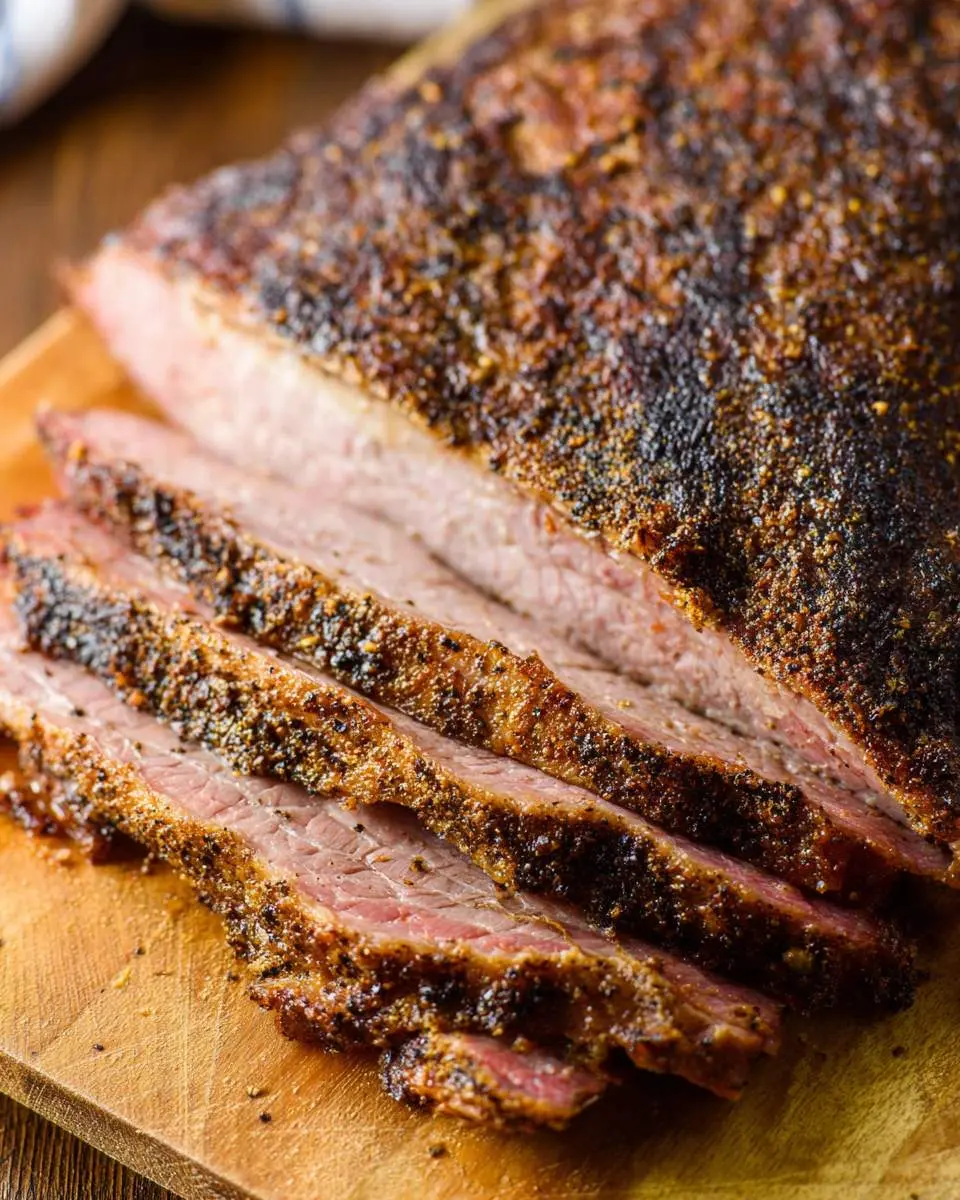
How to Make Oven Baked Texas Beef Brisket
I start the night before, rubbing the meat down and letting it sit uncovered in the fridge. This dry brine does something magical to the texture, and the cold air helps the surface dry out so you get that coveted bark. The next morning, I pull it out early, let it come to room temperature, and slide it into a low oven, around 275 degrees, fat side up. The first few hours are quiet. The fat begins to glisten and soften. Around hour four, the smell shifts from raw beef to something deeper, almost nutty. That is when I start checking for the stall, that frustrating plateau where the internal temperature hangs stubbornly around 160 degrees. I wrap it tightly in butcher paper or foil with a splash of beef broth, then back into the oven until it probes like butter, usually around 203 degrees. The rest is non-negotiable. Thirty minutes minimum, though I have held out for an hour when company was running late. If you want to explore another brisket method, my corned beef brisket recipe takes a completely different direction with equally satisfying results.
What I Learned After Three Attempts
Do not trust time alone. My first brisket was dry because I pulled it at exactly six hours, thinking I was being precise. Now I probe for tenderness, not temperature alone. The meat should feel like sliding into warm butter with no resistance.
The wrap matters more than I expected. Butcher paper breathes, so you keep that bark integrity. Foil traps more moisture, which can soften your crust into something pot-roast-adjacent. Both work; they just give different results.
Resting is active cooking. Those juices need time to redistribute. Cut too early and they run everywhere, leaving you with dry slices no matter how perfectly you cooked it.
My Secret Trick: I save the rendered fat and drippings, chill them until the fat separates, then skim the tallow and use it to sear vegetables for the rest of the week. That beefy, peppery fat transforms everything it touches.
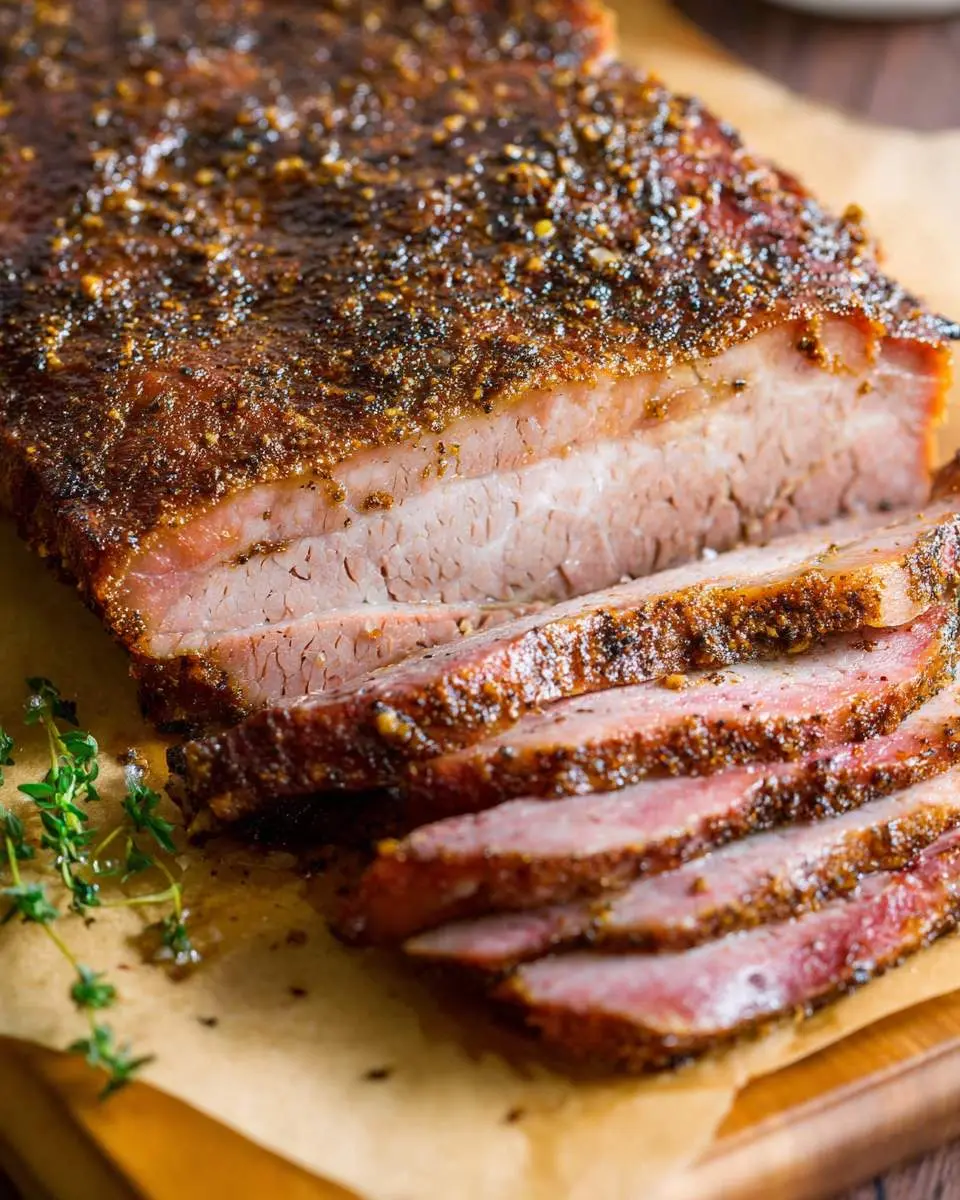
How to Store Oven Baked Texas Beef Brisket
- Refrigerate sliced or whole brisket in an airtight container within two hours of cooking; keeps up to 4 days at 40 degrees or below
- Store unsliced portions wrapped tightly in butcher paper, then foil, to preserve bark texture
- Freeze sliced brisket flat in vacuum-sealed bags or heavy-duty freezer bags with air pressed out; lasts up to 3 months at 0 degrees
- Reheat gently: wrap slices in foil with a tablespoon of reserved drippings or beef broth, warm in 250 degree oven for 20-30 minutes until just heated through
- Avoid microwave reheating for best texture; it toughens the meat and destroys the bark
Why This Brisket Fits My Sunday Routine
There is something meditative about tending a brisket all afternoon. The low oven warms the house, the smell builds slowly, and by dinner time everyone has gathered without me having to coordinate a thing. Nutritionally, beef brisket delivers serious protein and iron, and because this oven baked Texas beef brisket method renders out so much fat during the long cook, what remains is surprisingly lean per serving. The black pepper in my rub contains piperine, which may help with nutrient absorption. Mostly though, I make this because it forces me to slow down, to be present, to remember that some things cannot be rushed.
FAQs
Can I make this with a smaller brisket flat?
Absolutely. A three to four pound flat works beautifully; just start checking for doneness around hour four. The probe test matters more than weight or time. Smaller cuts can dry out faster, so wrap earlier if you notice the bark is set but the meat still feels tight.
Why did my brisket turn out tough?
Undercooking is almost always the culprit. Brisket needs to reach that magical temperature where collagen converts to gelatin, usually between 195 and 205 degrees. If it probes with resistance, it needs more time. Another hour wrapped in the oven often saves a seemingly failed brisket.
Do I need a water pan in the oven?
I skip it. The brisket’s own fat and the tight wrap provide plenty of moisture. A water pan can actually soften your bark into something less desirable. If your oven runs hot or dry, a small pan of water on the rack below will not hurt, but I have never found it necessary.
What is the best way to slice brisket?
Against the grain, always. For the flat, this means perpendicular to the long muscle fibers. I slice pencil-thick for sandwiches, slightly thicker for plates. A long, sharp carving knife makes this effortless. Slicing with the grain gives you chewy, stringy meat no matter how perfectly you cooked it.
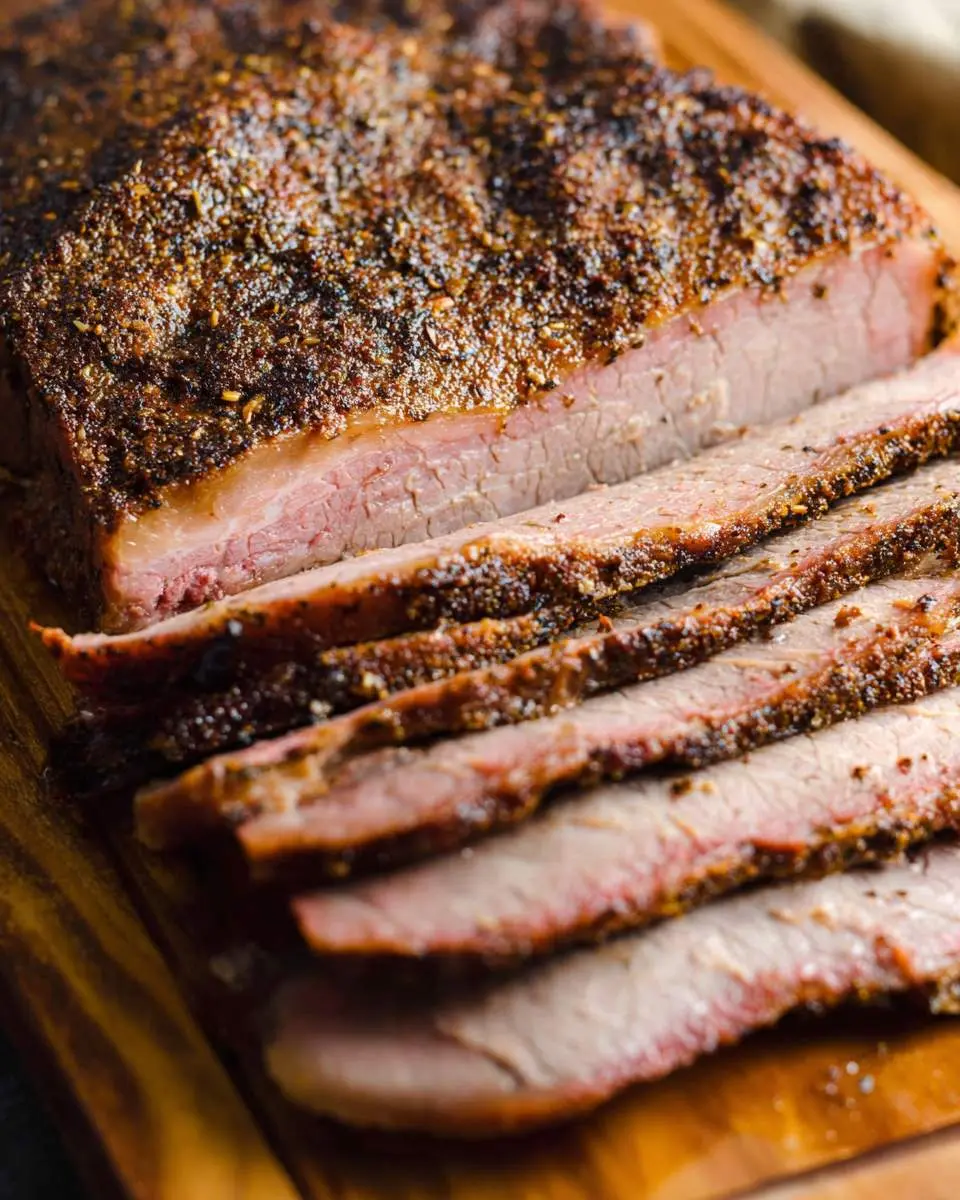
Oven Baked Texas Beef Brisket
Ingredients
Equipment
Method
Notes
Conclusion
This oven baked Texas beef brisket has become my signature dish, the one friends request for birthdays and football Sundays. It taught me that patience and attention matter more than expensive equipment. If you have never attempted brisket at home, start here. The reward is worth every hour. For another show-stopping beef centerpiece, my roast beef recipe delivers elegance with half the time commitment.
Follow us on Social Media : Pinterest