
The first time I pulled a pan of golden, crackling cauliflower from the oven, the smell hit me before I even opened the door. Sharp mustard, mellow garlic, and something almost nutty from the caramelized edges. I stood there in my kitchen, fork in hand, eating it straight off the baking sheet before it ever made it to a plate. That is how I discovered mustard roasted cauliflower, and I have been chasing that same crispy, tangy perfection ever since.
My grandmother made cauliflower with cheese sauce, the kind that pooled in the crevices and made everything soft and pale. I loved it as a child, but as an adult I wanted something with more fight to it. More edge. I started roasting vegetables on weeknights when I was too tired to cook properly, and this combination of whole grain mustard and high heat changed everything I thought I knew about this humble vegetable.
If you have been stuck in a side dish rut, I understand completely. I used to rotate between the same three vegetable dishes until I could not face them anymore. This recipe broke that cycle for me.
The Ingredients That Make Mustard Roasted Cauliflower Sing
The mustard matters more than you might think. I reach for whole grain Dijon, the kind with visible seeds that pop between your teeth and leave a gentle heat behind. The oil needs to be something neutral with a high smoke point, avocado or light olive, so it can do the work of crisping without burning. And the cauliflower itself should be cut into steaks and florets, irregular pieces with plenty of flat surfaces to sear against the hot metal. Those browned bits are everything. I learned this balance from years of skillet vegetables, where surface area equals flavor.
How to Make Mustard Roasted Cauliflower
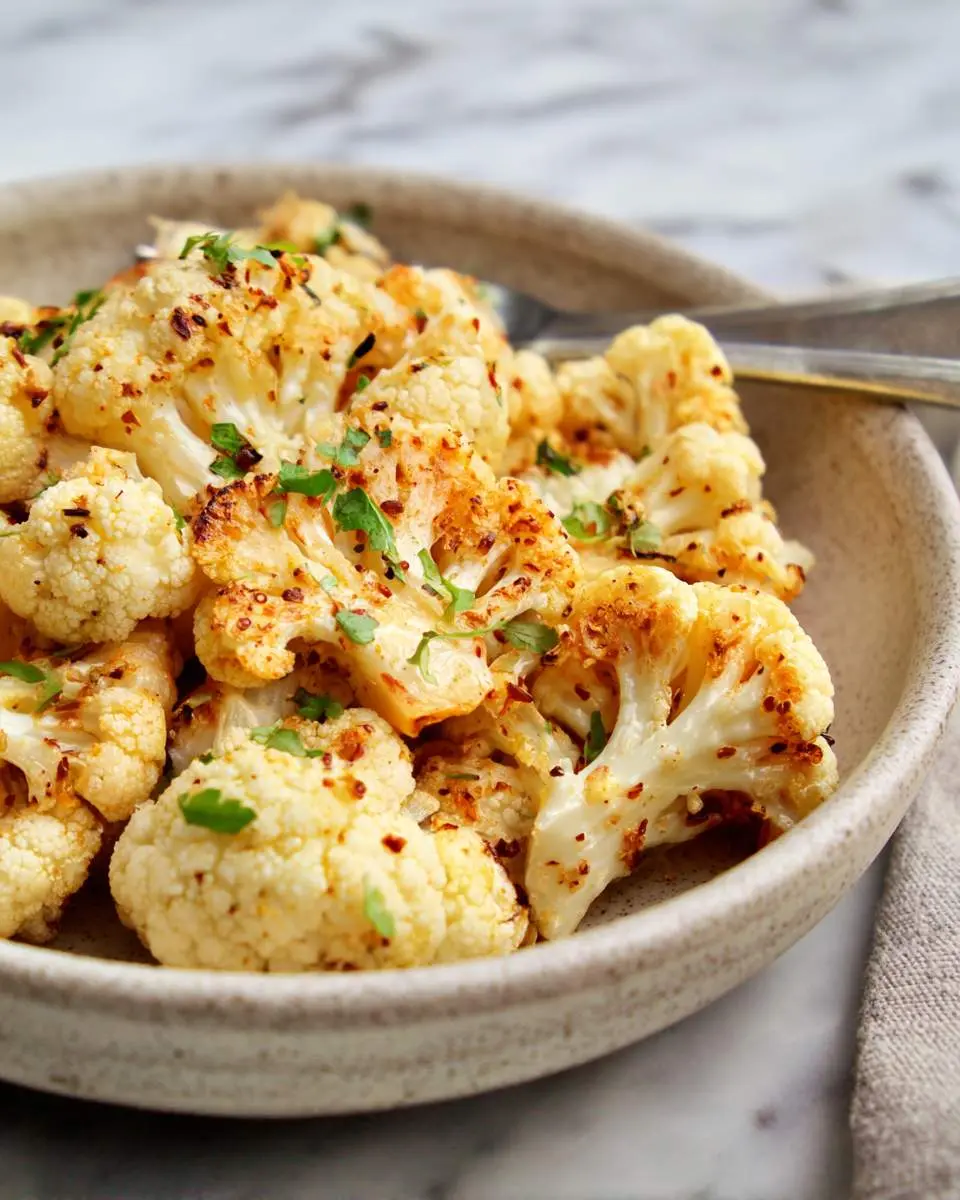
I start by whisking mustard with oil, a splash of water to thin it, and plenty of salt. The mixture should coat the back of a spoon, thick enough to cling but loose enough to drizzle. I toss the cauliflower in a large bowl, using my hands to make sure every crevice gets touched. The pan goes into a screaming hot oven, and I do not touch it for the first twenty minutes. That undisturbed contact with the metal is what creates the crust. Around the halfway mark, the kitchen fills with this sharp, toasty smell that makes everyone wander in asking what is for dinner. I flip the pieces once, watching for that deep amber color that signals the sugars have caramelized properly. The finished cauliflower should have some give when you pierce it, but the exterior should shatter slightly under pressure. If you want to compare techniques, I have written about oven roasting methods before, and this mustard approach remains my favorite.
What I Learned After Burning Three Batches
Not all mustards behave the same way in high heat. Yellow ballpark mustard turns bitter and acrid. Smooth Dijon works but lacks textural interest. Whole grain gives you both flavor and crunch, and the seeds soften just enough to become pleasant rather than aggressive.
The size of your florets determines your cooking time more than any recipe can predict. I cut mine into pieces about the size of a golf ball, maybe slightly larger. Too small and they steam instead of roast, turning mushy before they brown.
You need more salt than feels comfortable. Cauliflower is dense and bland at its core. The mustard helps, but proper seasoning at every stage makes the difference between good and unforgettable.
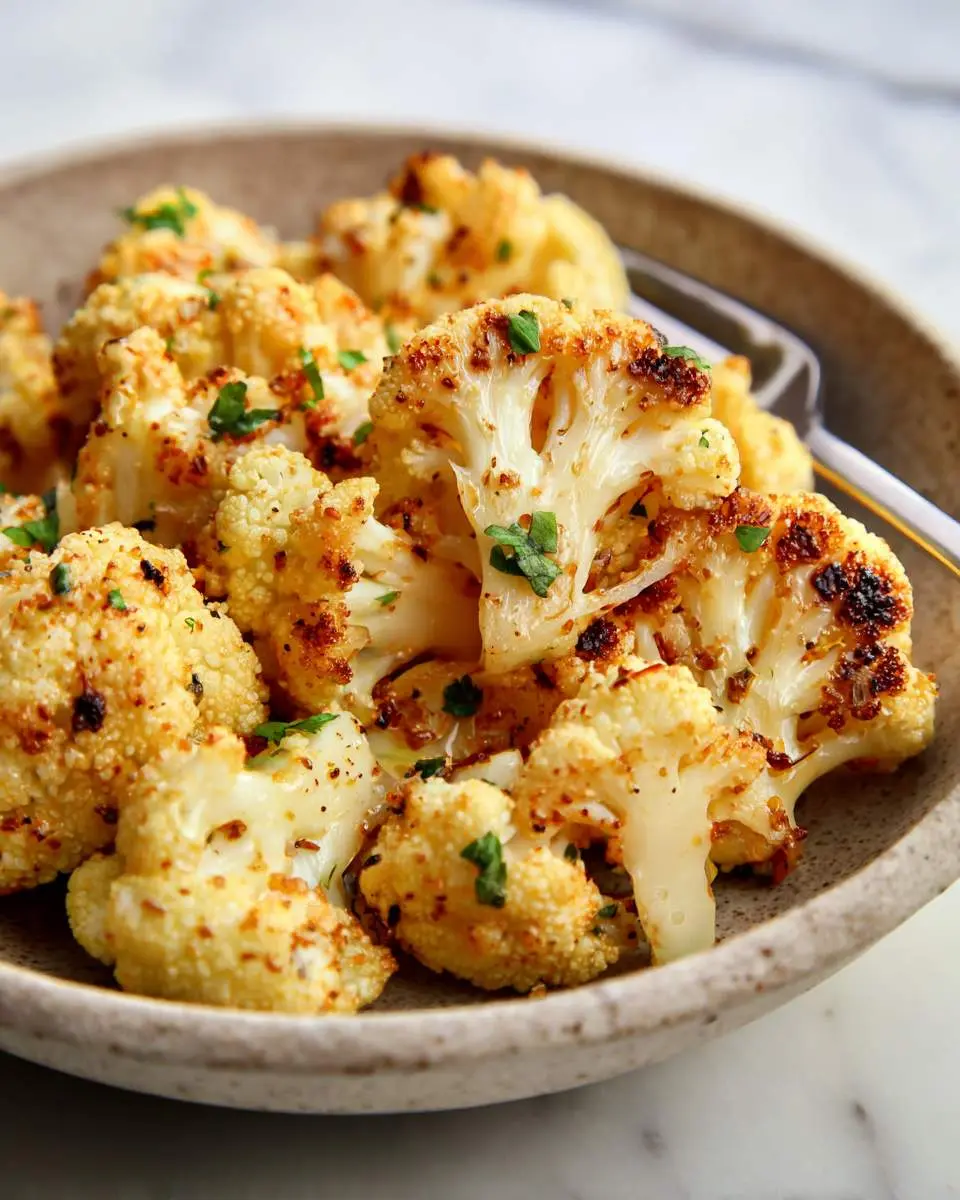
My Secret Trick: I save a spoonful of the mustard mixture and brush it on during the last five minutes of roasting. The heat mellows the sharpness just enough, and you get these glossy, intensely flavored patches that look almost glazed.
How to Store Mustard Roasted Cauliflower
- Refrigerate in an airtight container for up to 4 days. The flavor actually improves overnight as the mustard permeates deeper.
- Do not freeze. The texture becomes waterlogged and unpleasant upon thawing.
- Reheat in a 400°F oven on a bare baking sheet for 8-10 minutes. The microwave steams it and ruins the crust entirely.
- For meal prep, undercook slightly and finish in the oven when ready to serve.
Why This Recipe Works for Weeknight Sanity
Mustard roasted cauliflower delivers complexity without complexity. The mustard brings acidity, heat, and depth that would normally require multiple ingredients and more time. Cauliflower itself is forgiving, affordable, and available year-round. I make this when I need something that feels thoughtful but requires almost no mental energy. The protein and fiber keep me satisfied, and the low calorie density means I can eat a generous portion without regret.
FAQs
Can I use frozen cauliflower instead of fresh?
Frozen cauliflower contains too much moisture to roast properly. It will steam in its own juices and never develop the crispy edges that make this dish special. If fresh is unavailable, thaw completely and pat extremely dry, though results will still be inferior.
What can I serve this with?
I love it alongside roasted chicken, tucked into grain bowls with farro and tahini, or straight from the pan as an afternoon snack. It also works beautifully as a vegetarian main over creamy polenta with a fried egg on top.
Why did my cauliflower turn out soggy?
Your pan was likely overcrowded, or your oven temperature was too low. Cauliflower needs space for steam to escape and intense heat to drive off moisture quickly. Use two pans if necessary rather than crowding one.
Is mustard roasted cauliflower spicy?
The heat is present but gentle, more of a slow warmth than a burn. Whole grain Dijon is milder than Chinese hot mustard or wasabi. If you are sensitive to spice, start with less and taste the raw mixture before coating.
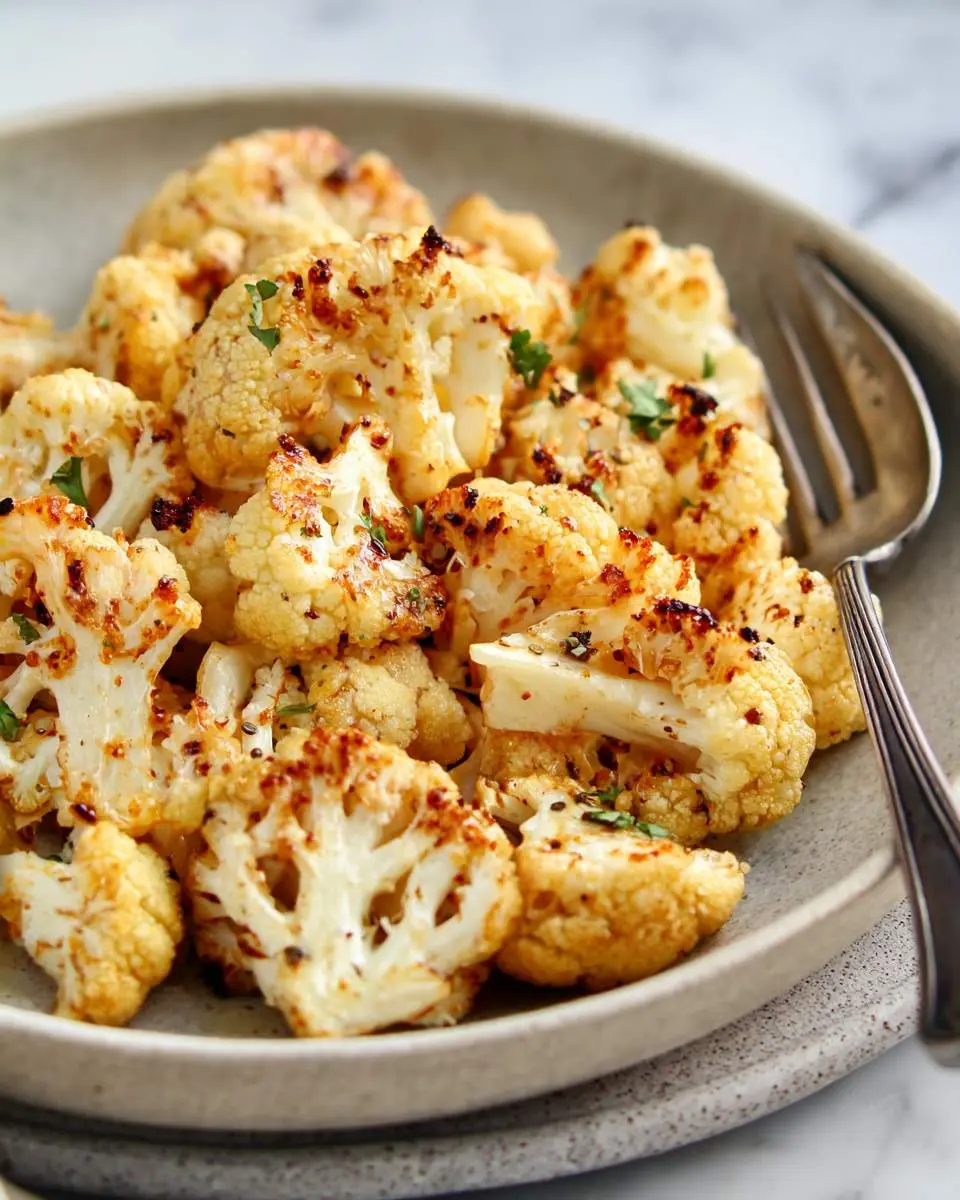
Mustard Roasted Cauliflower
Ingredients
Equipment
Method
Notes
Conclusion
I hope you make this mustard roasted cauliflower soon, and I hope it surprises you the way it surprised me. Simple ingredients, treated with respect, can become something you crave. For another variation on this vegetable, try my lemon pepper version when you want something brighter. Let me know how it goes.
Follow us on Social Media : Pinterest