
The first time I pulled a tray of roasted cauliflower oven-style from my kitchen, I stood there staring at it like I’d discovered something I wasn’t supposed to know. Those caramelized edges, the way the florets had transformed from pale and watery to golden and nutty. it felt like a magic trick I’d somehow performed by accident. I ate half the pan standing at the counter, burning my fingertips and not caring one bit.
My grandmother never roasted vegetables. She boiled everything until it surrendered, so I grew up thinking cauliflower was something to endure, not crave. That changed three years ago at a tiny restaurant in Portland where the server convinced me to order their “burnt cauliflower.” I remember the smell first. toasty, almost popcorn-like. and then the first bite: crispy outside, creamy inside, completely unrecognizable from the vegetable I thought I hated. I went home obsessed with recreating that transformation.
Now this is my weeknight comfort food, my dinner party secret weapon, the thing I make when I need to feel like I have my life together. If you are craving something with that same caramelized depth, you might also love these balsamic garlic mushroom skewers that taught me how high heat changes everything.
The Ingredients That Transform Humble Cauliflower
You need so little to make this work, which is part of the beauty. I use a whole head of cauliflower cut into florets that are roughly the same size. not perfectly, because perfection is boring, but close enough that they cook evenly. The olive oil matters more than you’d think; I reach for something fruity and peppery, not the generic bottle hiding in the back of my pantry. A generous shower of kosher salt draws out moisture and helps those edges crisp, while a final squeeze of lemon at the end wakes everything up. I learned this combination making grilled potatoes in foil last summer, where salt and acid made simple ingredients taste like they came from a restaurant kitchen.
How to Make roasted cauliflower oven
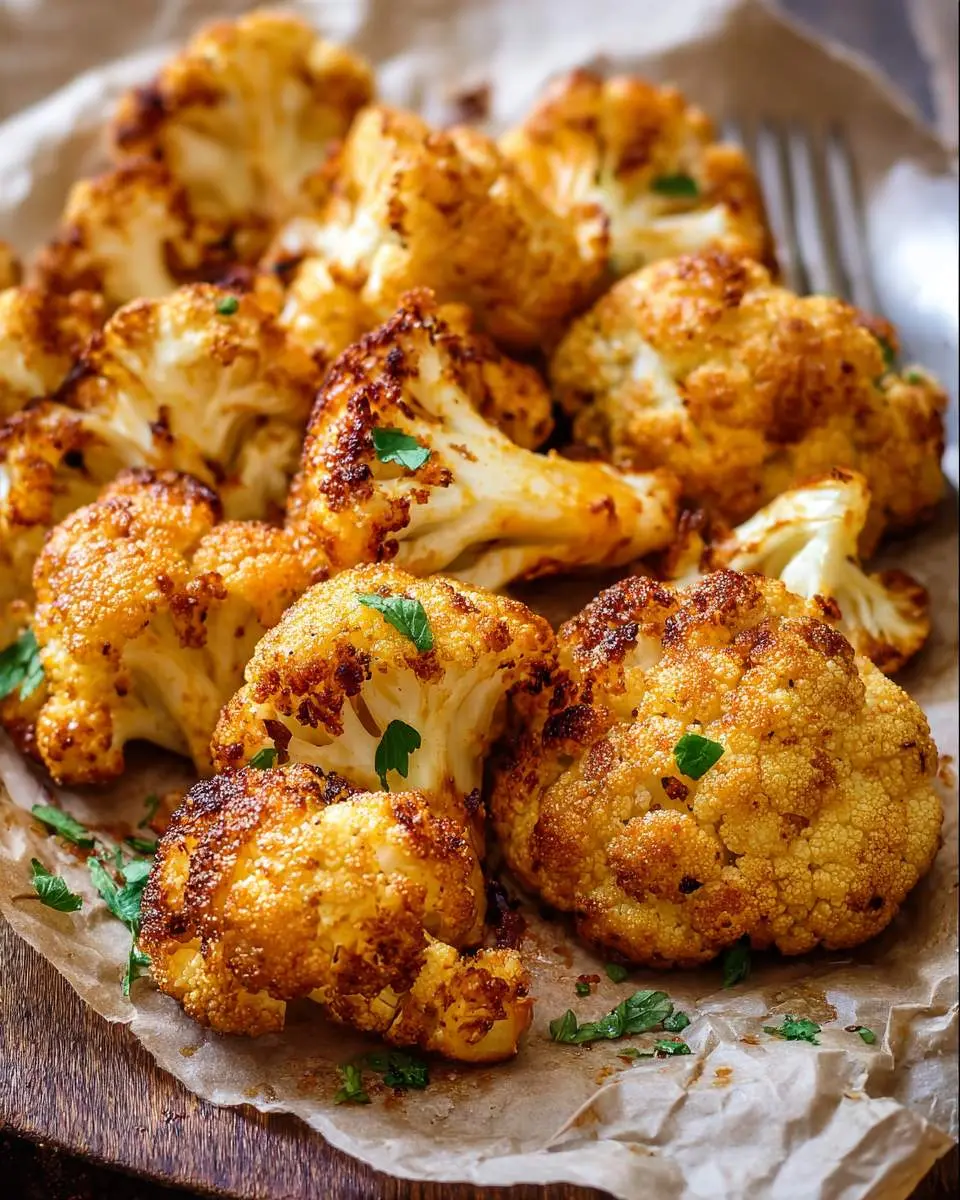
I start by cranking my oven to 425°F and letting it get truly hot while I prep. The cauliflower gets tossed in a big bowl with olive oil and salt. I use my hands because I want to feel when every floret is coated, not just the ones on top. Spread them on a sheet pan with space between them; crowding is the enemy of caramelization, and I learned that the hard way with soggy, steamed results. Into the oven they go, and I set a timer for 25 minutes but I never walk away completely. Around minute 20, I start checking for that sound. a gentle sizzling that means the edges are getting crispy. The smell shifts from raw and cabbagey to toasty and nutty, and that’s when I know I’m close. I flip the pieces that need it, maybe rotate the pan if my oven has hot spots, and let them go another 10-15 minutes until they’re deeply golden with almost-burnt spots that taste like popcorn. If you want to explore more cauliflower transformations, this lemon pepper cauliflower taught me how citrus can change the entire personality of this vegetable.
What I Learned After Burning Three Batches
Cutting matters more than I wanted to believe. Flat surfaces touching the pan caramelize; round surfaces steam in their own moisture. I slice some florets to create those flat planes, even if it feels wasteful.
Don’t salt until after the oil. Salt draws water, and wet cauliflower steams instead of roasts. I toss with oil first, then season, and the difference is dramatic.
The pan temperature matters. I preheat my sheet pan sometimes if I’m feeling ambitious. the immediate sizzle when cauliflower hits hot metal jumpstarts the browning process.
My Secret Trick: I save the outer leaves and smaller stem pieces, toss them separately with a little extra oil, and roast them alongside. They become these crispy, chip-like bites that I snack on before dinner even hits the table. my reward for the cook.
How to Store roasted cauliflower oven
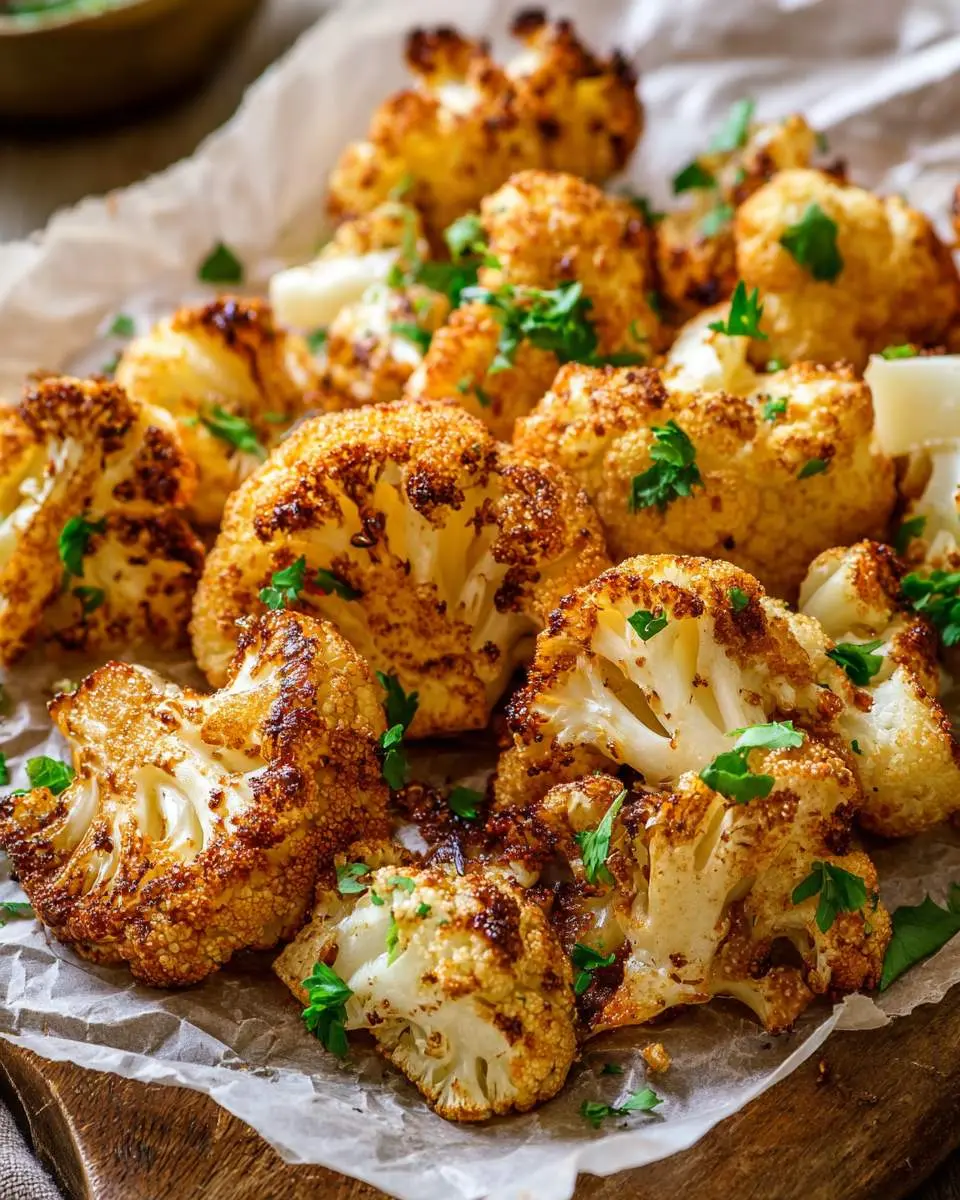
- Refrigerate in an airtight container for up to 4 days. the texture softens but the flavor deepens, which I actually love in grain bowls
- Freeze not recommended. the high water content makes thawed cauliflower mushy and sad
- Reheat at 400°F on a sheet pan for 8-10 minutes to restore some crispness, or embrace the softness and fold into scrambled eggs or pasta
- Room temperature safe for 2 hours maximum at gatherings
Why This Recipe Earns a Weekly Spot in My Kitchen
This roasted cauliflower oven method fits into how I actually want to eat: vegetables that feel indulgent without being complicated. Cauliflower brings fiber and vitamin C, but more importantly, it brings satisfaction. The high-heat roasting creates compounds that taste rich and almost meaty, which means I don’t need heavy sauces or cheese to feel like I’ve eaten something substantial. It’s the kind of recipe that makes me feel like I’m taking care of myself without making a project out of it.
FAQs
Why does my roasted cauliflower turn out soft instead of crispy?
Your pan is probably overcrowded or your oven isn’t hot enough. Cauliflower releases moisture as it cooks, and if the pieces are touching or the temperature is below 425°F, that moisture steams instead of evaporates. Give each floret breathing room and resist the urge to open the oven door repeatedly.
Can I use frozen cauliflower for this recipe?
I don’t recommend it. Frozen cauliflower holds too much water, which leads to mushy results no matter how high you crank the heat. If it’s all you have, thaw completely and pat aggressively dry with paper towels, but fresh will always win here.
What seasonings work best beyond salt and pepper?
After roasting, I love tossing with grated Parmesan, a drizzle of tahini, or a sprinkle of smoked paprika. The key is adding these after cooking. high heat burns delicate spices and makes cheese greasy. Let the roasting cauliflower oven method do its work first, then build flavor on top.
How do I know when it’s actually done?
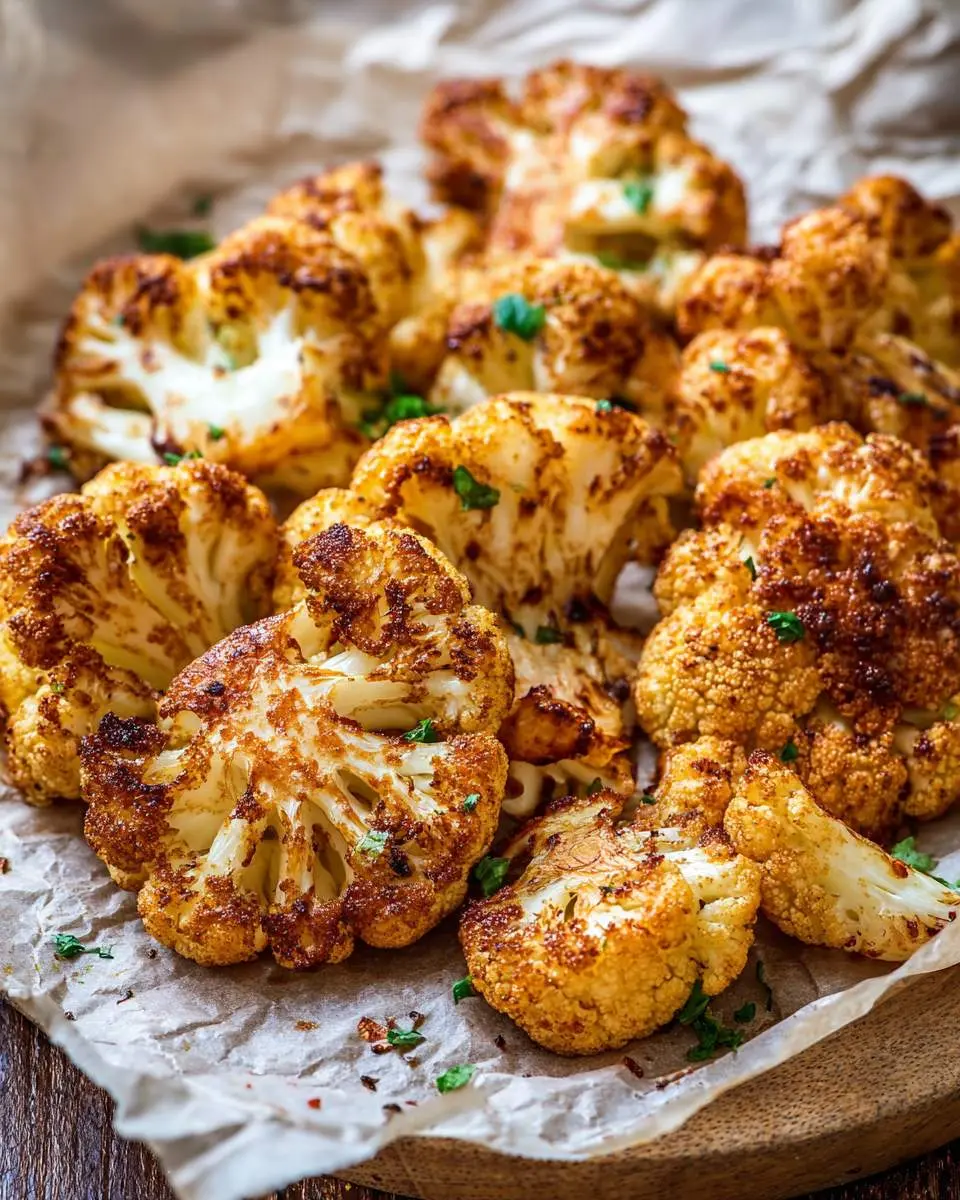
Look for deep golden-brown spots, not just pale yellow. The edges should look almost burnt in places, and when you pierce a thick stem with a fork, there should be slight resistance. not raw crunch, not complete collapse. Trust your nose; the toasty aroma is your best indicator.
Roasted Cauliflower
Ingredients
Equipment
Method
Notes
Conclusion
This roasted cauliflower oven recipe is my proof that the simplest preparations often surprise us most. I hope you stand at your counter eating it hot, fingers burning, wondering how something so basic became so completely irresistible. For another cauliflower adventure that converted even my vegetable-skeptical partner, try this sticky sesame cauliflower that bridges the gap between side dish and main event.
Follow us on Social Media : Pinterest