
The first time I made this Mediterranean shrimp skillet, I was standing in my kitchen at 6:47 PM with zero patience and a pound of shrimp that needed to become dinner. Something about the way the garlic hit the warm olive oil made me stop rushing. That smell, that sizzle, it pulled me into the moment. Twenty minutes later I was eating straight from the pan, crusty bread in hand, wondering why I ever bother with complicated recipes.
My grandmother never cooked shrimp. She was a Midwestern meat-and-potatoes woman who thought seafood was suspicious. But she did teach me that good food happens when you pay attention to what the pan is telling you. I think about her every time I watch shrimp curl and turn pink, every time I resist the urge to overcrowd the skillet. This dish would have confused her, but I like to believe she would have recognized the care in it.
I have been chasing that perfect weeknight dinner balance for years. Something that feels special without requiring a special occasion. This one delivers, and it pairs beautifully with lighter seafood dishes like my broiled pesto salmon when you are planning a full Mediterranean menu.
Why These Particular Ingredients Matter
The shrimp matter most, obviously, but the supporting cast makes this Mediterranean shrimp skillet sing. I use cherry tomatoes that still have some firmness to them, the kind that burst in your mouth rather than dissolve into mush. Kalamata olives bring that briny depth that makes you reach for another bite before you have finished the first. And the feta, crumbled at the very end so it barely softens, adds little pockets of saltiness that surprise you. I learned the hard way that pre-crumbled feta is too dry. Buy the block and break it yourself. If you are looking for another bright, no-cook shrimp preparation, my avocado shrimp ceviche uses similar fresh flavors in a completely different way.
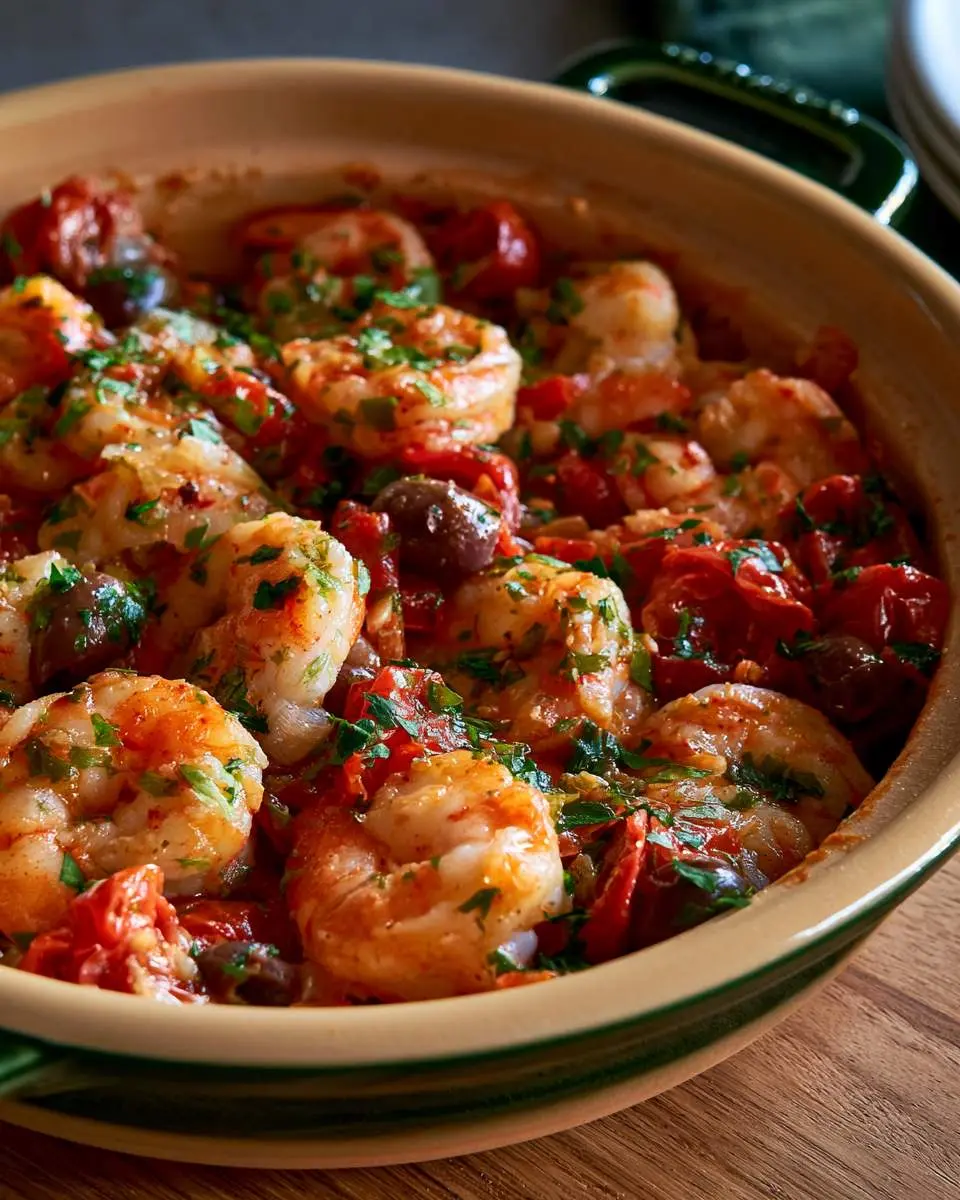
How to Make Mediterranean Shrimp Skillet
I start with a cold pan and good olive oil, then turn the heat to medium and wait. Patience here matters. When the oil shimmers and moves like water, the garlic goes in. Thirty seconds, maybe forty, until you can smell it turning sweet rather than sharp. The tomatoes follow, and I let them sit undisturbed until they blister and char in spots. This is where the flavor builds.
The shrimp go in last, and this is the moment I watch most carefully. They need space. Crowding steams them, and steamed shrimp are sad shrimp. I work in batches if I must, though a large skillet usually saves me. Two minutes on the first side, flip, another minute, done. They should still look slightly translucent in the center when you pull them. Carryover cooking finishes the job while you crumble feta and tear herbs. The whole thing comes together in the time it takes to warm bread in the oven. For another fast shrimp technique using your skillet, try my garlic paprika shrimp skillet.
What I Learned After Making This Four Times
The first time I made this Mediterranean shrimp skillet, I added the feta while everything was still screaming hot. It melted into a grainy mess that tasted fine but looked wrong. Now I pull the pan off the heat entirely, let it rest ninety seconds, then add the cheese. It warms through without losing its structure.
Second lesson: dried oregano works, but fresh oregano leaves, torn roughly and scattered at the end, transform the dish. They have a brightness that dried cannot touch. If you only have dried, use half the amount and add it early with the tomatoes so it has time to bloom in the oil.
Third: the lemon zest matters more than the juice. I zest directly over the finished dish so the oils spray across the top. The juice I squeeze separately, tasting as I go. Too much acid and you lose the olives.
My Secret Trick: I save a few tablespoons of the salty olive brine and splash it in right before serving. It ties everything together in a way that makes people ask what your secret is.
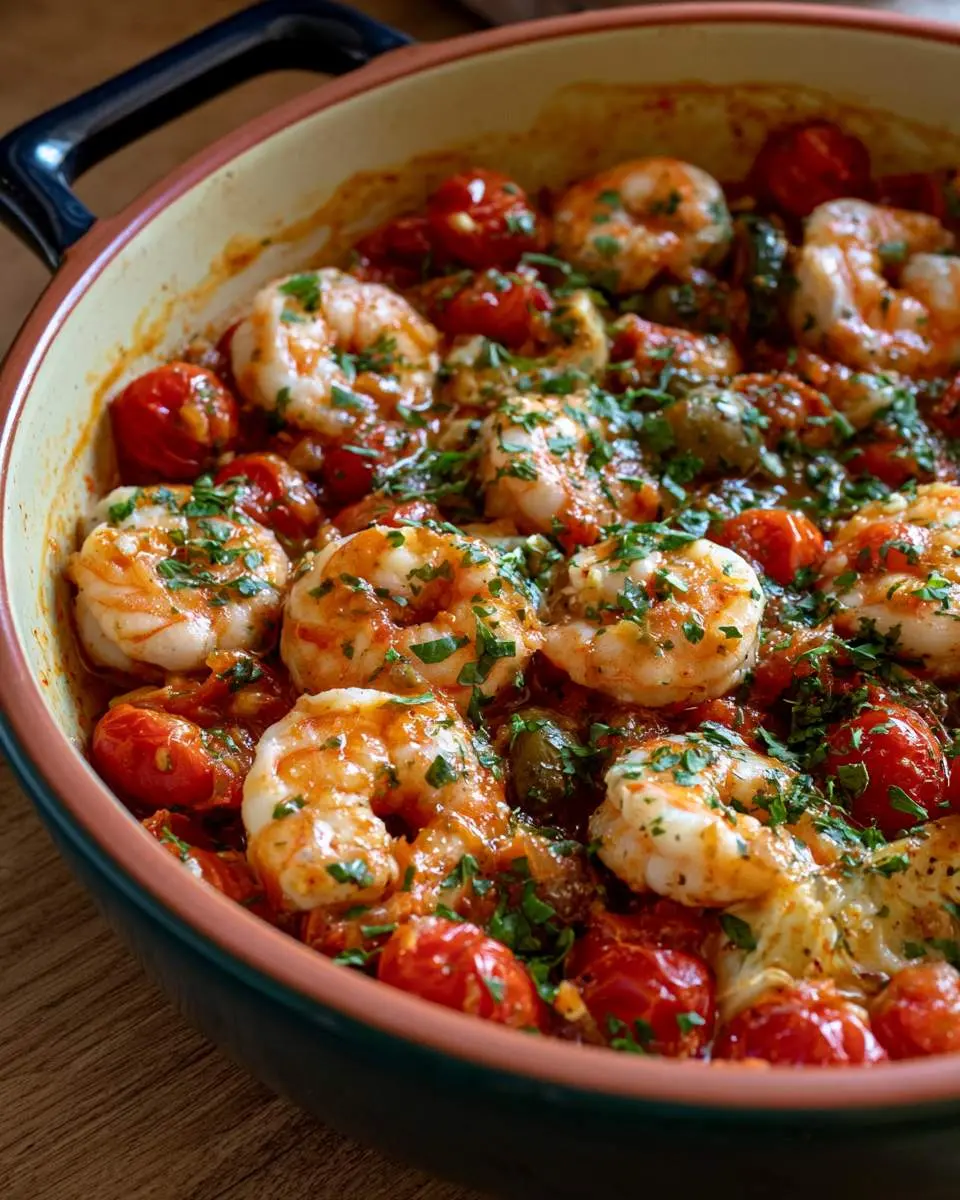
How to Store Mediterranean Shrimp Skillet
- Refrigerate in an airtight container within two hours of cooking; keeps for up to 2 days at 40°F or below
- Store shrimp and sauce together but keep any fresh herbs or feta separate to prevent wilting and weeping
- Freezing not recommended; shrimp become rubbery and tomatoes lose their texture upon thawing
- Reheat gently in a skillet over medium-low heat with a splash of water or broth, stirring occasionally until just warmed through, about 4 minutes
- Microwave reheating works in 30-second intervals at 50% power, though the texture suffers slightly
Why This Dinner Fits My Real Life
This Mediterranean shrimp skillet lands in that rare space where genuinely healthy meets genuinely craveable. The shrimp deliver lean protein that keeps me full without heaviness. The olive oil and olives bring monounsaturated fats that my body recognizes as fuel rather than burden. I am not counting macros or following a plan. I am just eating food that makes me feel capable and satisfied at the same time, which is harder to find than it should be.
FAQs
Can I use frozen shrimp for this recipe?
Yes, frozen shrimp work beautifully. Thaw them completely in the refrigerator overnight or under cold running water for about fifteen minutes. Pat them extremely dry before cooking; excess moisture prevents proper searing and leads to rubbery texture.
What can I substitute for feta cheese?
Goat cheese offers similar tang and creaminess, though it melts more readily. Ricotta salata provides the same salty crumble if you can find it. Avoid mozzarella or other high-moisture cheeses that will release water and dilute the sauce.
How do I prevent the shrimp from becoming tough?
Watch for the color change and curl. When shrimp turn pink and form a loose C shape, they are done. A tight O shape means overcooked. Remove them from heat immediately; they will continue cooking from residual heat.
Is this recipe spicy?
Not as written, though you can add heat easily. A pinch of red pepper flakes with the garlic adds gentle warmth. For more fire, use Calabrian chiles or harissa paste. The Mediterranean shrimp skillet base is mild enough to accommodate whatever heat level your household prefers.
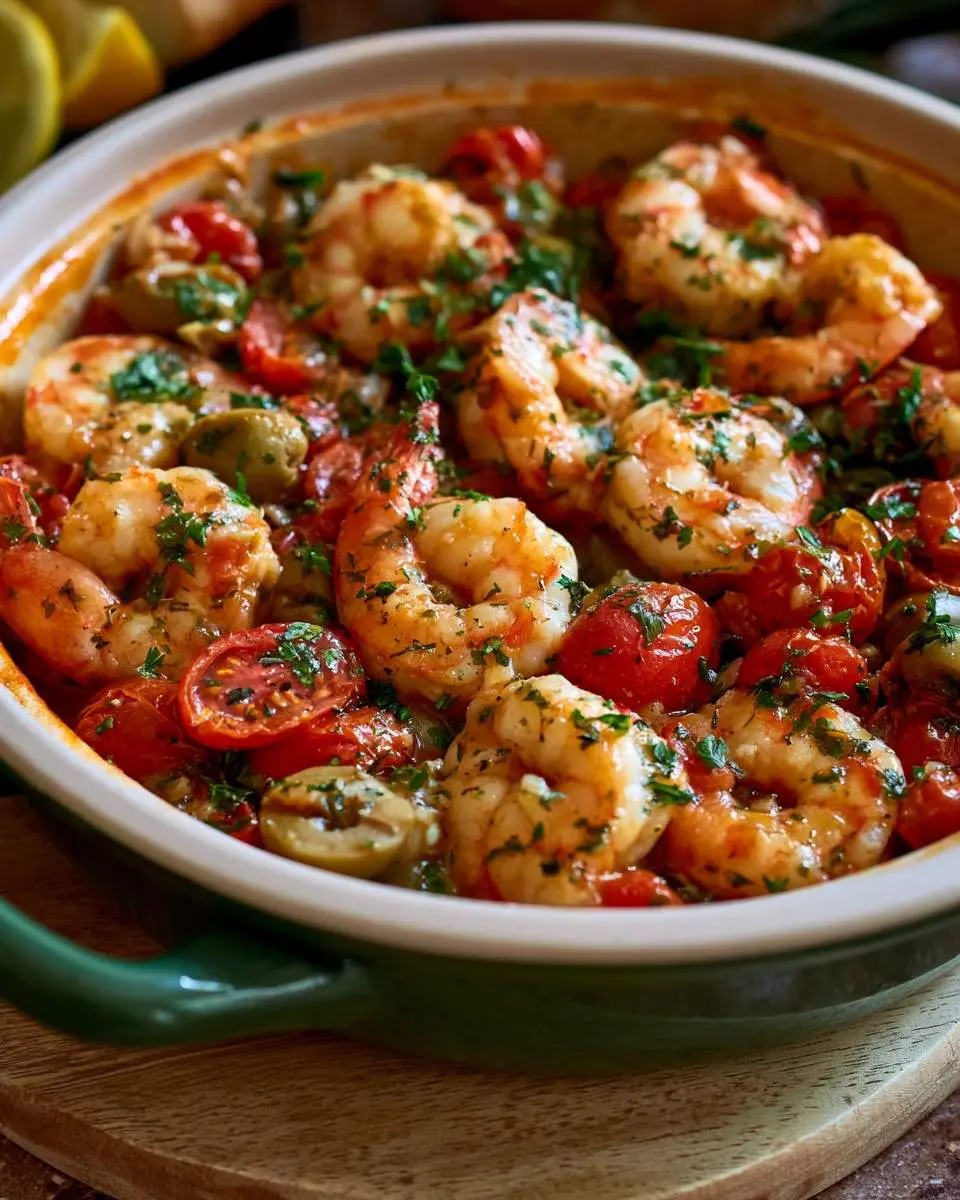
Mediterranean Shrimp Skillet
Ingredients
Equipment
Method
Notes
Conclusion
I keep coming back to this Mediterranean shrimp skillet because it respects my time without cutting corners on flavor. Some nights I serve it over orzo, others with nothing but bread for sopping. However you eat it, I hope it gives you that same pause I felt the first time, that moment where dinner becomes more than just fuel. For a heartier take with grains, try my shrimp orzo in lemon garlic sauce.
Follow us on Social Media : Pinterest