
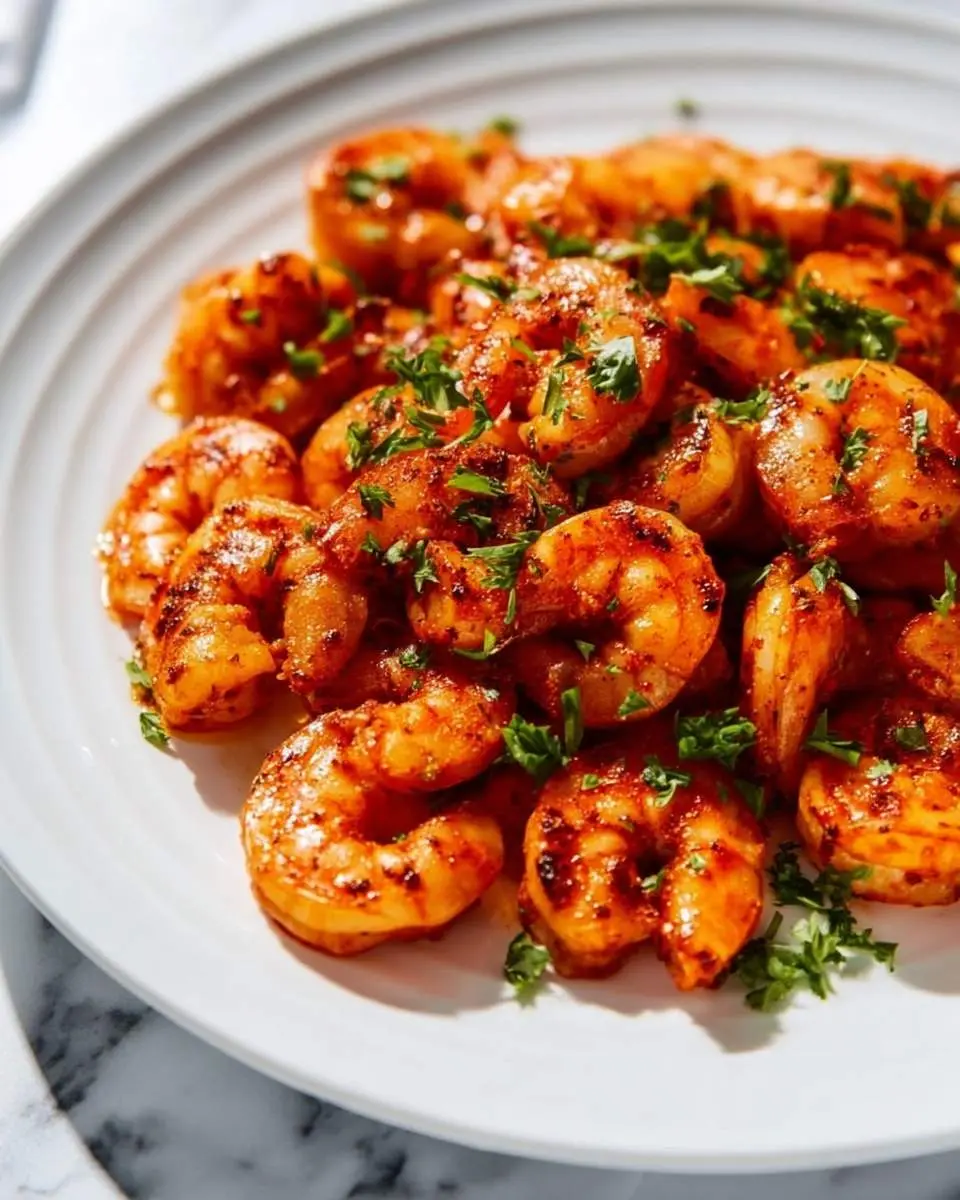
The first time I made this dish, my kitchen filled with the kind of smell that makes you stop mid-stir and just breathe it in. That deep, smoky paprika curling up from the pan, garlic hitting hot butter and turning golden in seconds. I knew immediately this garlic paprika shrimp skillet would become something I craved on repeat.

It reminds me of a tiny restaurant in New Orleans where the cook didn’t measure anything. He just knew. I tried to capture that same confidence here — the kind of cooking that feels like instinct rather than instruction. The shrimp turn coral-pink and curl just so, and you know they’re done without checking a timer.
If you’re already thinking about seafood dinners, I have a maple pistachio salmon recipe that hits the same weeknight sweet spot. But tonight, let’s talk shrimp.
What You Need to Make This Recipe
The paprika matters more than you’d think. I keep two kinds in my pantry, but for this garlic paprika shrimp skillet, I reach for the smoked Spanish variety. It carries the whole dish. Fresh garlic, not the jarred stuff, because it softens and sweetens in the butter rather than staying harsh. And please, buy shrimp with the shell on if you can — the flavor difference is immediate and real. If you want another butter-forward seafood idea, my salmon with pesto butter uses a similar richness.

How to Make Garlic paprika shrimp skillet
I start with the butter barely foaming, then drop in sliced garlic and watch it closely. Thirty seconds, maybe forty, until the edges turn the color of wheat. That’s when the paprika goes in — it blooms in the fat, turning the butter a deep rusty orange and releasing that smoky perfume. The shrimp follow, and I listen for the sizzle to change pitch as they hit the pan.
They cook fast. Two minutes on one side, flip, then another minute until they curl into loose C-shapes. Overcooked shrimp turn rubbery and sad, so I pull them the moment they look almost done — they finish cooking from residual heat. A squeeze of lemon at the end brightens everything. If shrimp is your thing, I make a garlic parmesan roasted shrimp that uses the same timing intuition.
Pro Tips
Pat your shrimp aggressively dry. Moisture is the enemy of that seared edge you’re looking for. I use paper towels and press hard — the drier the surface, the better the paprika adheres and the more flavor develops.
Don’t crowd the pan. Shrimp release steam when they cook, and too many in the skillet creates a sauna instead of a sear. I cook in batches if needed, even when I’m hungry and impatient.
Let the paprika toast. Those thirty seconds in hot fat wake up the spice in a way that raw paprika never achieves. You’ll smell the difference — it shifts from dusty to almost bacon-adjacent.
My Secret Trick: I save a tablespoon of the garlic-paprika butter in the pan after removing the shrimp, then toss cooked pasta directly into that flavored fat. It becomes the sauce you didn’t know you needed.
How to Store Garlic paprika shrimp skillet
- Refrigerate in an airtight container for up to 2 days — shrimp deteriorate faster than other proteins
- Store at 40°F or below, and place the container on a shelf rather than the door for consistent temperature
- Freeze only if absolutely necessary: thawed shrimp become watery and lose their snap
- Reheat gently in a skillet with a pat of butter over medium-low heat, just until warmed through — about 2 minutes
- Never microwave: it turns the texture to rubber
Nutritional Benefits
This garlic paprika shrimp skillet delivers serious protein without heaviness — roughly 20 grams per serving from the shrimp alone. The paprika brings more than color: it’s packed with antioxidants, particularly carotenoids that support eye health. I love that something this quick can still check nutritional boxes without trying too hard.

FAQs
Can I use frozen shrimp for this recipe?
Yes, but thaw them completely first and pat extremely dry. I spread mine on a baking sheet lined with paper towels and refrigerate for an hour. Any ice crystals left will steam the shrimp instead of searing them.
What can I substitute for smoked paprika?
Regular sweet paprika works, though you’ll lose that smoky depth. I sometimes add a tiny pinch of chipotle powder to compensate. Avoid hot paprika unless you want significant heat — it changes the whole character.
How do I know when the shrimp are perfectly cooked?
Look for opaque pink flesh with no gray translucency, and a loose C-curve. If they’ve tightened into O-shapes, you’ve gone too far. They should feel firm but still have a gentle give when pressed.
What sides pair best with this dish?
Crusty bread for soaking up the garlic-paprika butter is non-negotiable for me. Beyond that, simple roasted potatoes or a bitter green salad balance the richness. This garlic paprika shrimp skillet doesn’t need competition — let it be the star.
Garlic Paprika Shrimp Skillet
Ingredients
Equipment
Method
Notes
Conclusion
This dish taught me that weeknight cooking can still feel special without being complicated. The garlic paprika shrimp skillet lives in that sweet spot — fast enough for Tuesday, memorable enough for Saturday. Make it once and you’ll understand why I keep shrimp in my freezer at all times. For another bold shrimp adventure, try my spicy voodoo shrimp — it brings the heat in the best way.
Follow us on Social Media : Pinterest