
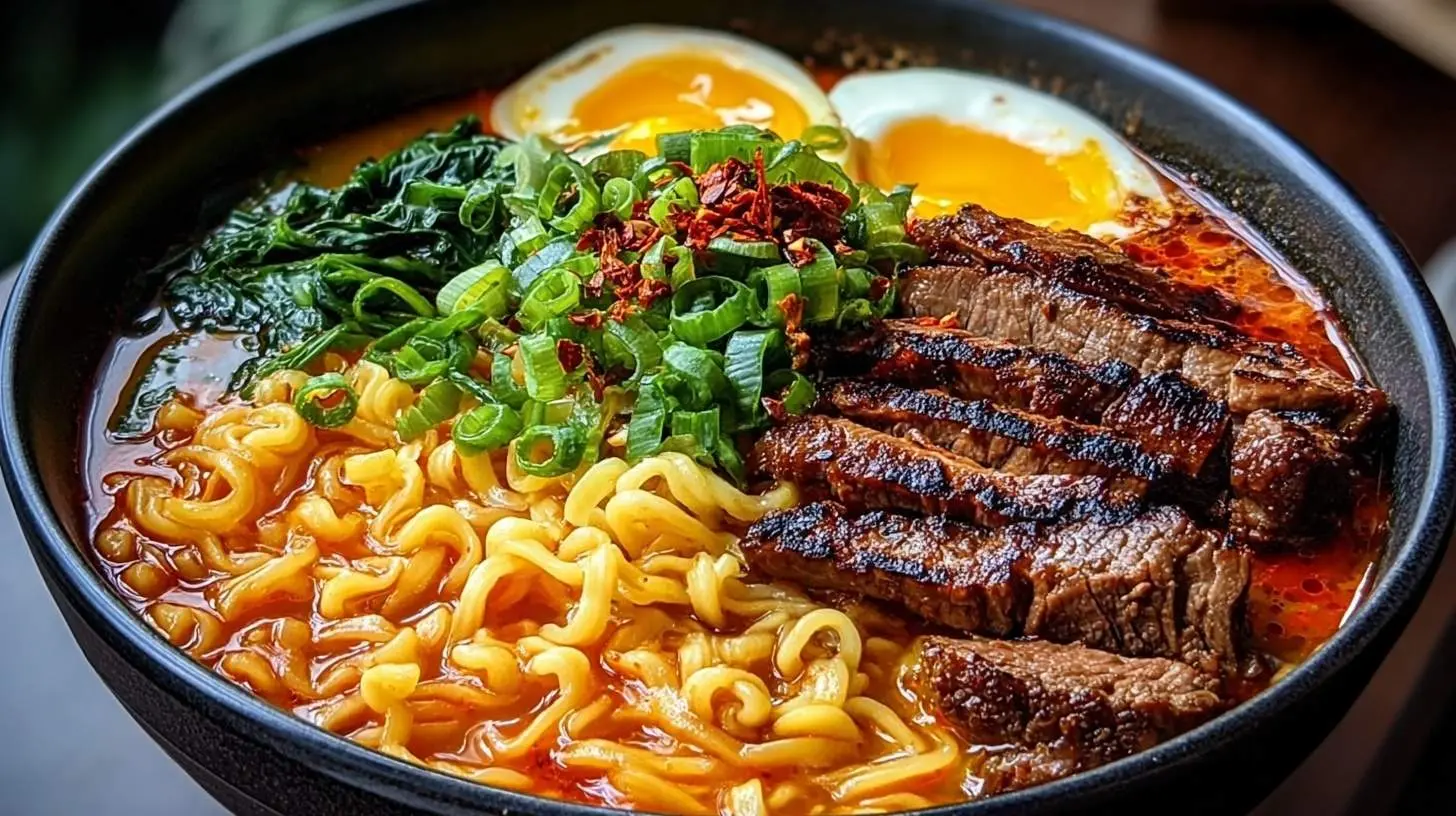
There’s something incredibly comforting about a warm bowl of soup, especially when it’s as vibrant and flavorful as this korean beef ramen. It’s a dish that transports me back to bustling family kitchens, where every simmer and spice promised a delightful meal. Just like my beloved Meatball Orzo Soup, this recipe embodies the heartiness and soul-soothing qualities that make a meal truly special.
I remember my grandmother always saying that the best meals are the ones made with love and shared around a table. This sentiment has guided my own cooking journey, from experimenting with fresh garden herbs as a child to creating wholesome family dinners today.
This recipe is designed to bring that same joy and satisfaction to your home without the fuss. It’s a hearty, flavorful dish that feels wonderfully special yet is incredibly straightforward to prepare, perfect for those busy weeknights when you crave something truly nourishing.
What You Need to Make This Recipe
The magic of this dish truly lies in its star components: tender beef sirloin, rich beef broth, and the unmistakable kick of gochujang. I adore how these simple ingredients come together, reminiscent of the comfort found in a good Chicken Pot Pie Soup, creating a symphony of flavors and textures. The full list of ingredients and precise measurements for this korean beef ramen are detailed in the recipe card below, ready for your kitchen adventure.
How to Make korean beef ramen
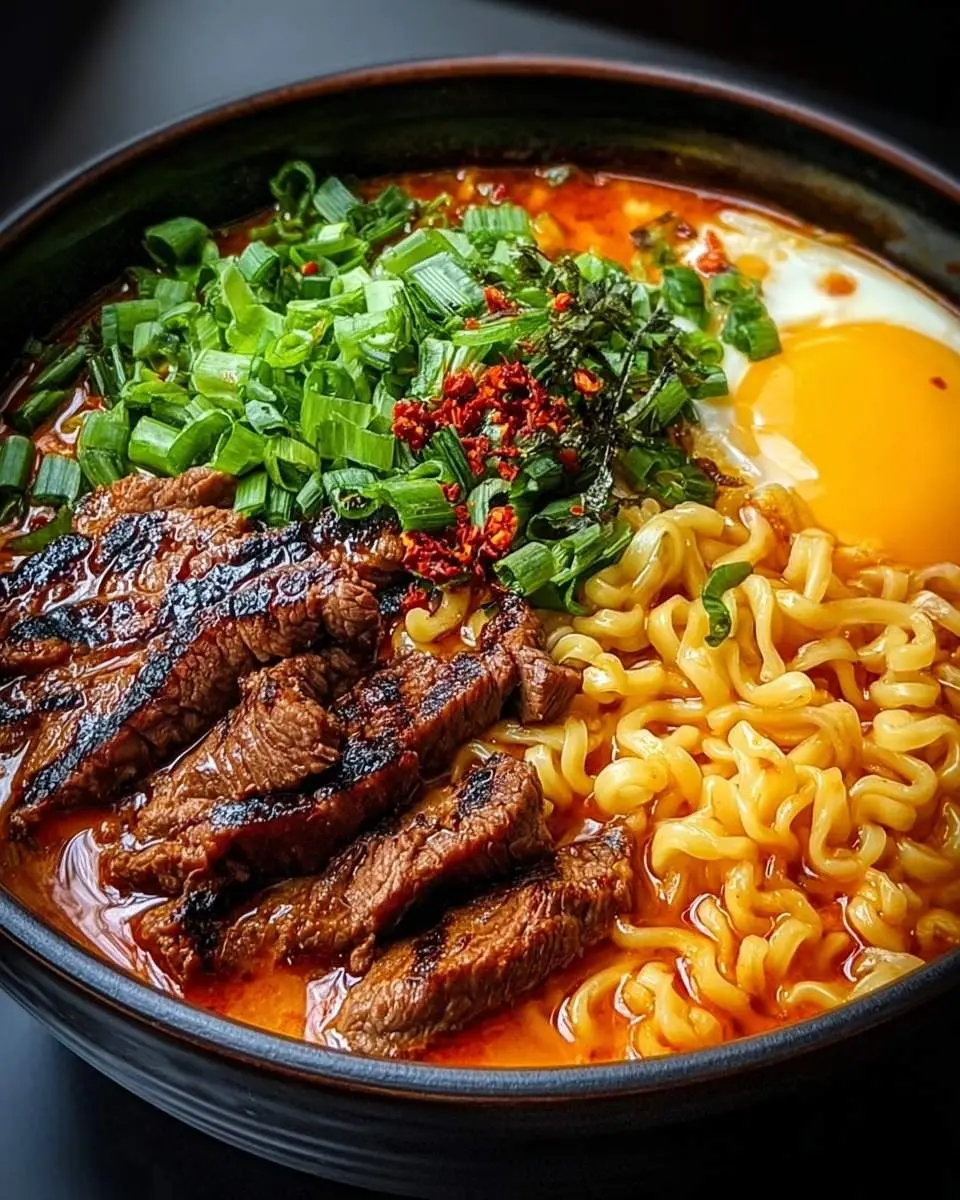
Crafting this comforting bowl of korean beef ramen is a delightful journey in layers of flavor, much like building a robust Beef Noodle Soup. You’ll begin by marinating the beef to infuse it with incredible taste, then quickly cook it before simmering a rich and spicy ramen broth. The final step involves cooking your noodles and preparing fresh toppings, bringing everything together for a truly satisfying meal.
Pro Tips for Making This korean beef ramen
When I’m making korean beef ramen, I’ve picked up a few tricks over the years that truly elevate the dish. Ensuring your beef is sliced thinly against the grain makes it incredibly tender and quick-cooking, absorbing all those delicious marinade flavors. Don’t rush the broth; letting it simmer gently allows the gochujang and ginger to meld beautifully, creating a depth of flavor that’s simply irresistible.
My Secret Trick: I always reserve a small amount of the beef marinade to whisk into the broth towards the end of cooking. It truly boosts the savory notes and creates a more cohesive flavor profile for the whole dish.
Fun Variations for korean beef ramen
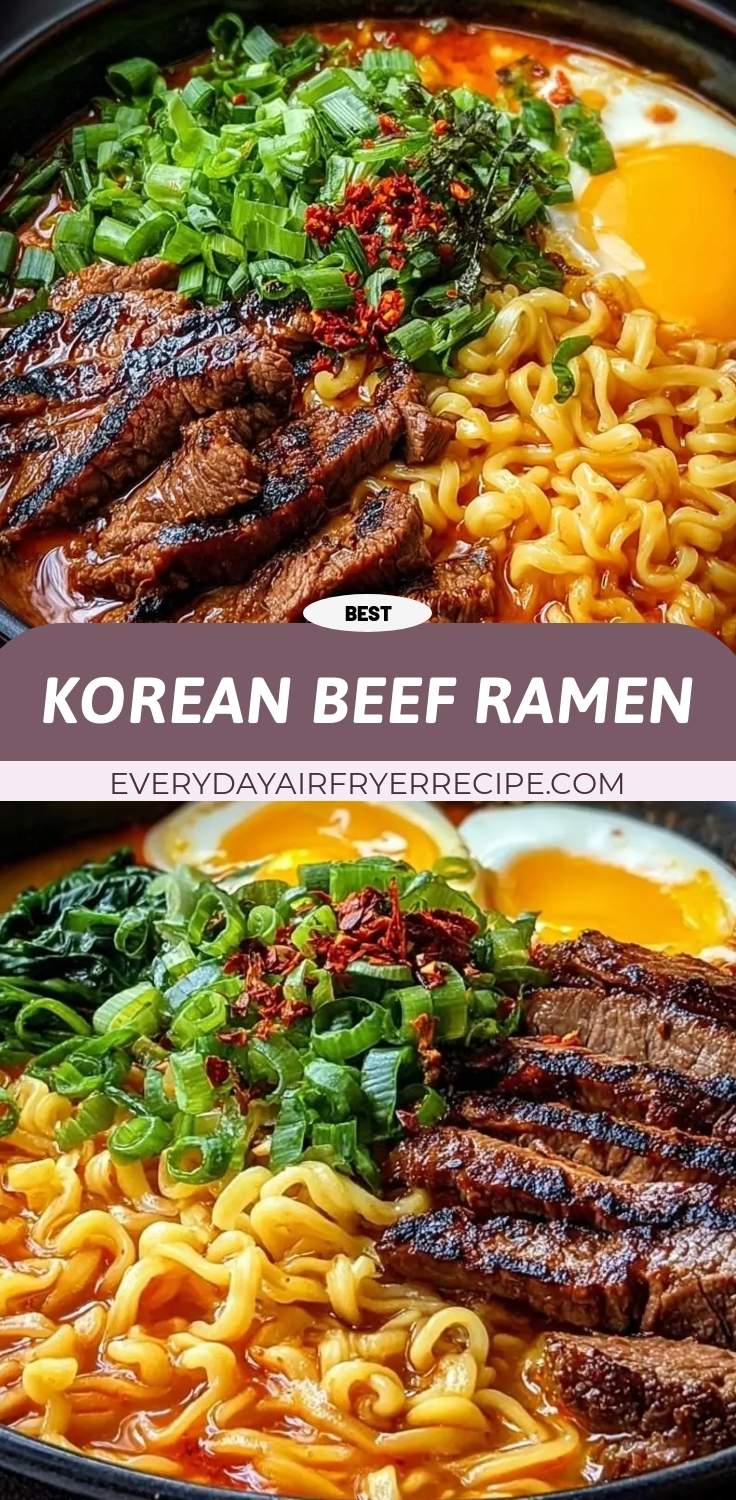
One of the things I adore about home cooking is the freedom to adapt and experiment, much like when I create different versions of a cozy Curry Udon Noodle Soup. This korean beef ramen is wonderfully versatile! For instance, if you’re not a beef fan, try thinly sliced chicken breast or even firm tofu for a vegetarian twist, adjusting cooking times accordingly. You can also boost the nutrients and color with baby spinach, sliced mushrooms, or bok choy, stirring them into the broth during the last few minutes of cooking. For those who love more heat, a pinch of extra gochugaru (Korean chili flakes) can really turn up the spice.
What to Serve With korean beef ramen
This korean beef ramen is truly a meal in itself, but sometimes a little something extra makes it even more special. I love to offer a simple side that complements its rich flavors. A light, crisp cucumber salad with a sesame dressing or a side of steamed edamame offers a lovely contrast. If you’re looking for something with a bit more freshness, a quick kimchi pancake is always a hit in my home.
How to Store korean beef ramen
To keep your korean beef ramen fresh and delicious, I recommend storing the broth and noodles separately if possible. The broth can be kept in an airtight container in the refrigerator for up to 3 days. The cooked beef should also be stored separately. When you’re ready to enjoy leftovers, gently reheat the broth on the stovetop and add fresh noodles just before serving to prevent them from becoming mushy. My personal tip: always store them in a glass container to preserve the flavors and prevent any absorption of fridge odors. Reheating slowly brings the dish back to life!
Nutritional Benefits
This hearty bowl of korean beef ramen isn’t just delicious; it’s also packed with goodness! The beef provides a wonderful source of protein, essential for energy and muscle health, while fresh ginger and garlic offer fantastic immune-boosting properties. It’s a comforting and nutritious meal that supports a busy family lifestyle.
FAQs
Can I make Korean Beef Ramen ahead of time?
Yes, you can prepare certain components of your korean beef ramen in advance. The marinated beef can be stored in the refrigerator for up to a day, and the ramen broth can be made and kept separately for 2-3 days. This makes assembly quick and easy when you’re ready to eat.
What kind of instant ramen noodles should I use?
For this korean beef ramen recipe, any plain instant ramen noodles will work perfectly. I usually discard the seasoning packet that comes with them, as our homemade broth provides all the rich flavor we need. Choose a brand you enjoy for texture.
How can I make Korean Beef Ramen spicier?
If you crave more heat in your korean beef ramen, you have a few options! You can increase the amount of gochugaru (Korean chili flakes) in the broth, or add a drizzle of chili oil to your bowl just before serving. A few extra slices of fresh jalapeño or serrano pepper also work wonders.
Can I freeze leftover Korean Beef Ramen?
While you can freeze the broth for your korean beef ramen, I don’t recommend freezing the assembled dish with noodles and toppings. The noodles can become mushy upon thawing. Freeze the cooled broth in an airtight container for up to 2-3 months, then thaw and reheat before adding fresh noodles and toppings.
Spicy Korean Beef Ramen
Ingredients
Equipment
Method
Notes
Conclusion
There you have it – a truly satisfying and incredibly flavorful korean beef ramen recipe that brings a touch of warmth and excitement to your dinner table. I hope this dish becomes a cherished favorite in your home, proving that nourishing, comforting meals don’t have to be complicated. It’s all about creating delicious memories, one practical and delightful recipe at a time.
Follow us on Social Media : Pinterest