
There’s something incredibly comforting about a steaming bowl of beef noodle soup on a chilly evening. It’s a hug in a bowl, a dish that truly nourishes the soul with its rich broth, tender beef, and slurpable noodles. For busy families, it’s a wonderful way to bring warmth to the table without a ton of fuss, just pure, hearty goodness that always reminds me of my mom’s big pots of soup bubbling away. It’s a dish that feels like coming home, much like my favorite chicken potato soup recipe.

I can still close my eyes and picture my childhood kitchen, filled with the savory aroma of slow-cooked meats and simmering spices. Those memories are the foundation of my cooking philosophy: honoring tradition, but always leaving room for a little creativity and a lot of love. This recipe embodies that spirit, transforming simple ingredients into something truly special.
This hearty meal offers incredible comfort and is surprisingly low-stress for such a flavorful dish. My practical tip for anyone diving in? Don’t rush the simmering; that’s where all the magic happens and the flavors truly deepen!
What You Need to Make This Recipe
To create this magnificent dish, you’ll gather a handful of humble ingredients that transform into something extraordinary. I especially love how aromatic ginger and garlic intertwine with the deep umami of Doubanjiang and soy sauces, creating a foundation that sings. It’s a foundational flavor profile that reminds me of my beloved creamy chicken soup. For all the details, you’ll find the full list of ingredients and precise measurements waiting for you in the recipe card below for this cozy beef noodle soup.
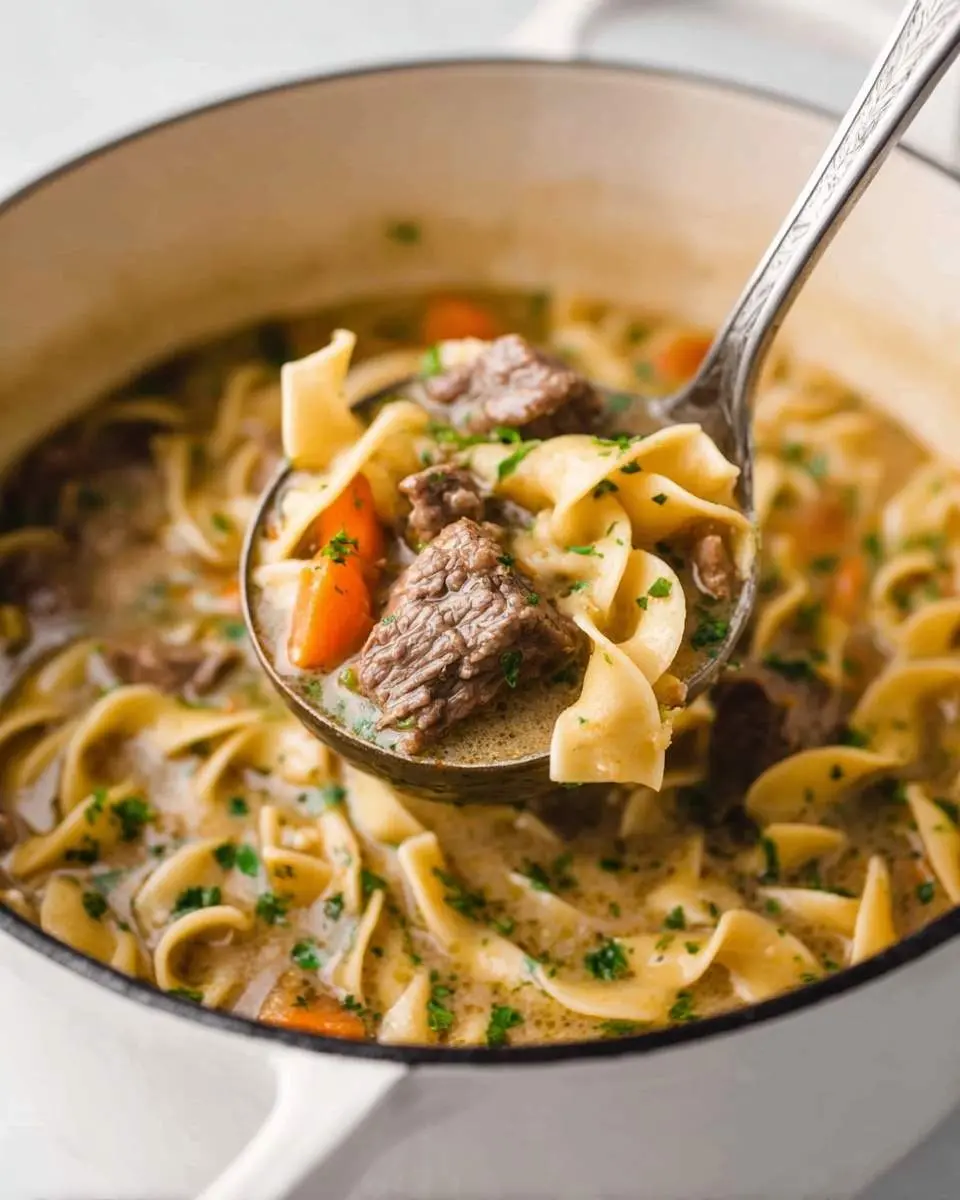
How to Make beef noodle soup
Making this delightful beef noodle soup is a journey of building rich flavors, starting with searing the beef to lock in all those juices, then sautéing aromatics, and finally allowing everything to meld together in a slow simmer. It’s a comforting process, similar to the satisfying feeling of preparing a hearty vegetable beef soup. The broth becomes a canvas for the tender beef and vibrant vegetables, culminating in a truly satisfying meal.
Hearty Sichuan Spicy Beef Noodle Soup
Ingredients
Equipment
Method
Notes
Pro Tips for Making This beef noodle soup
Crafting the perfect bowl of this cozy soup is a labor of love, but with a few of my go-to tips, you’ll achieve amazing results every time.
- Sear for Success: Don’t skip searing the beef chuck roast! This crucial step creates a beautiful crust and locks in moisture, adding incredible depth to your broth. It’s all about building those layers of flavor right from the start.
- Embrace the Simmer: Patience is a virtue, especially when it’s slow-cooking. Allow your soup to simmer for the full 180 minutes, or even longer if you have time. This is when the beef becomes fall-apart tender, and the spices truly infuse the broth.
- My Secret Trick: I always add a splash more Shaoxing wine towards the end of the simmering process, just before adjusting the seasoning. It brightens up the flavors and adds an extra layer of aromatic complexity that truly elevates the beef noodle soup. It’s a little trick I picked up from watching my mom in the kitchen!
- Noodles Separate: Cook your noodles right before serving, and in a separate pot of water. This prevents them from absorbing too much broth and becoming mushy, ensuring perfect texture in every spoonful.
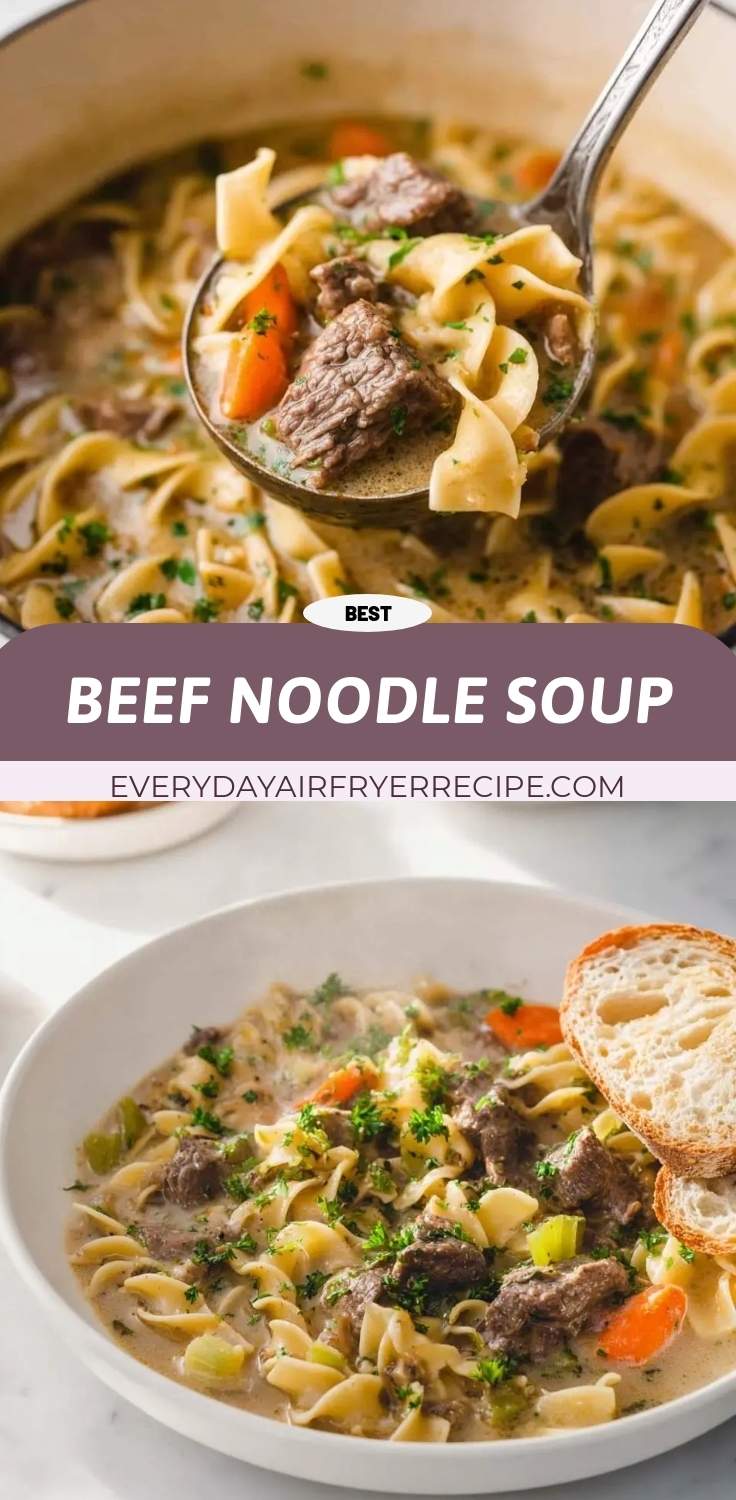
Fun Variations for beef noodle soup
One of the joys of cooking is making a recipe your own, and this savory soup is wonderfully adaptable. Here are a few ways to add your personal touch, just as I often do when I’m getting creative in my kitchen.
- Spice It Up or Down: If you love an extra kick, feel free to add more dried chilies or a generous swirl of chili oil at the end. For a milder version, simply reduce the number of dried chilies. My family loves a good balance, but sometimes a little extra heat is just what we need on a cold night!
- Veggie Boost: While bok choy is traditional, don’t hesitate to toss in other quick-cooking greens like spinach, napa cabbage, or even some thinly sliced carrots for extra color and nutrients. It’s a great way to use up whatever fresh produce you have on hand.
- Noodle Nods: While wheat noodles are classic, feel free to experiment with ramen noodles or even thick udon for a different textural experience. It’s all about what makes you happy in your bowl of beef noodle soup!
What to Serve With beef noodle soup
This hearty soup is a meal in itself, but sometimes a little something extra on the side just makes the experience even more delightful.
- Simple Steamed Greens: A side of plain steamed greens, perhaps with a drizzle of sesame oil, offers a refreshing counterpoint to the rich soup.
- Crispy Spring Rolls: For a bit of crunch and a fun appetizer, a plate of store-bought or homemade spring rolls can be a wonderful addition.
- Quick Cucumber Salad: A light, tangy cucumber salad dressed with rice vinegar and a touch of chili flakes provides a refreshing balance to the savory broth. My practical tip? Always have a bottle of good chili oil on hand for those who love to customize their spice level at the table – it’s a game-changer for any bowl of this delicious meal!
How to Store beef noodle soup
Proper storage ensures you can enjoy the comforting goodness of this beef noodle soup long after dinner.
- Refrigerator Storage: Once cooled completely, transfer the soup (without the noodles) to airtight containers and refrigerate for up to 3-4 days. Store cooked noodles separately.
- Freezer Friendly: For longer storage, freeze the broth and beef in freezer-safe containers for up to 2-3 months. Thaw overnight in the fridge before reheating. My personal tip is to always portion out the soup into individual servings before freezing; it makes for incredibly easy and quick weeknight meals when you’re craving a cozy bowl without any fuss. Reheat slowly on the stovetop, adding fresh noodles and bok choy when ready to serve.
Nutritional Benefits
This delicious beef noodle soup is not just comforting; it’s packed with goodness! The beef provides essential protein and iron, while the variety of spices offer anti-inflammatory properties, making it a wholesome and satisfying meal for the whole family.
FAQs
What kind of beef is best for beef noodle soup?
I find that beef chuck roast works wonders for this beef noodle soup. Its marbling ensures it becomes incredibly tender and flavorful during the slow simmering process, creating that melt-in-your-mouth texture we all adore.
Can I make beef noodle soup vegetarian?
While this specific recipe focuses on beef, you absolutely can adapt the idea! For a vegetarian version, substitute beef broth with a rich vegetable broth and use plant-based proteins like mushrooms or firm tofu. The essence of the comforting noodle dish remains.
How do I prevent noodles from getting mushy?
The trick to perfectly textured noodles in your soup is to cook them separately, right before serving. Add them directly to individual bowls, then ladle the hot soup over them. This keeps them from absorbing too much liquid and ensures they stay delightfully springy.
What if I can’t find Shaoxing wine?
If Shaoxing wine isn’t available for your beef noodle soup, a dry sherry can be a suitable substitute. While it won’t be exactly the same, it will still provide a similar depth and aromatic quality to the broth.
Conclusion
There’s truly nothing quite like a homemade bowl of beef noodle soup to bring warmth and joy to your family’s table. It’s a dish that, despite its rich flavors, is surprisingly simple to create, proving that hearty, comforting meals don’t have to be complicated. Just like whipping up a batch of egg noodle soup, this recipe is all about bringing people together over good food. I hope this recipe inspires you to embrace the joy of slow cooking and create cherished memories in your own kitchen. Happy cooking, friends!