
There is a moment at every hibachi restaurant when the chef slides that little bowl of pale, creamy sauce across the metal griddle toward you. You dip your fork in, expecting something ordinary, and then your eyes widen. That tangy, slightly sweet, garlicky punch is the whole reason I started making Japanese steakhouse white sauce at home.
My obsession began after a birthday dinner where I shamelessly asked for a second ramekin. The server laughed and said people do it all the time. I spent the next month tinkering in my kitchen, testing ratios, until I finally nailed that exact flavor from my favorite local spot. Now I keep a jar in the fridge at all times.
This sauce has become my secret weapon for weeknight chicken, grilled vegetables, and even as a dip for strawberry jalapeno salsa when I am feeling adventurous. It comes together in five minutes and tastes even better after a day in the refrigerator.
Why Mayonnaise and Tomato Paste Make This Sauce Sing
The base of this sauce is mayonnaise, but not just any jar from the back of your fridge. I use full-fat, real mayonnaise because it creates that luscious, spoonable texture you remember from the restaurant. The tomato paste is the surprise ingredient that gives Japanese steakhouse white sauce its subtle sweetness and that pale peach color. Do not skip it, and do not substitute ketchup. The paste adds depth without making the sauce taste like tomatoes. A splash of rice vinegar brightens everything, while garlic powder and a touch of sugar round out the balance. If you want to understand why the mayonnaise matters so much, try my fire-roasted salsa with a homemade base sometime.
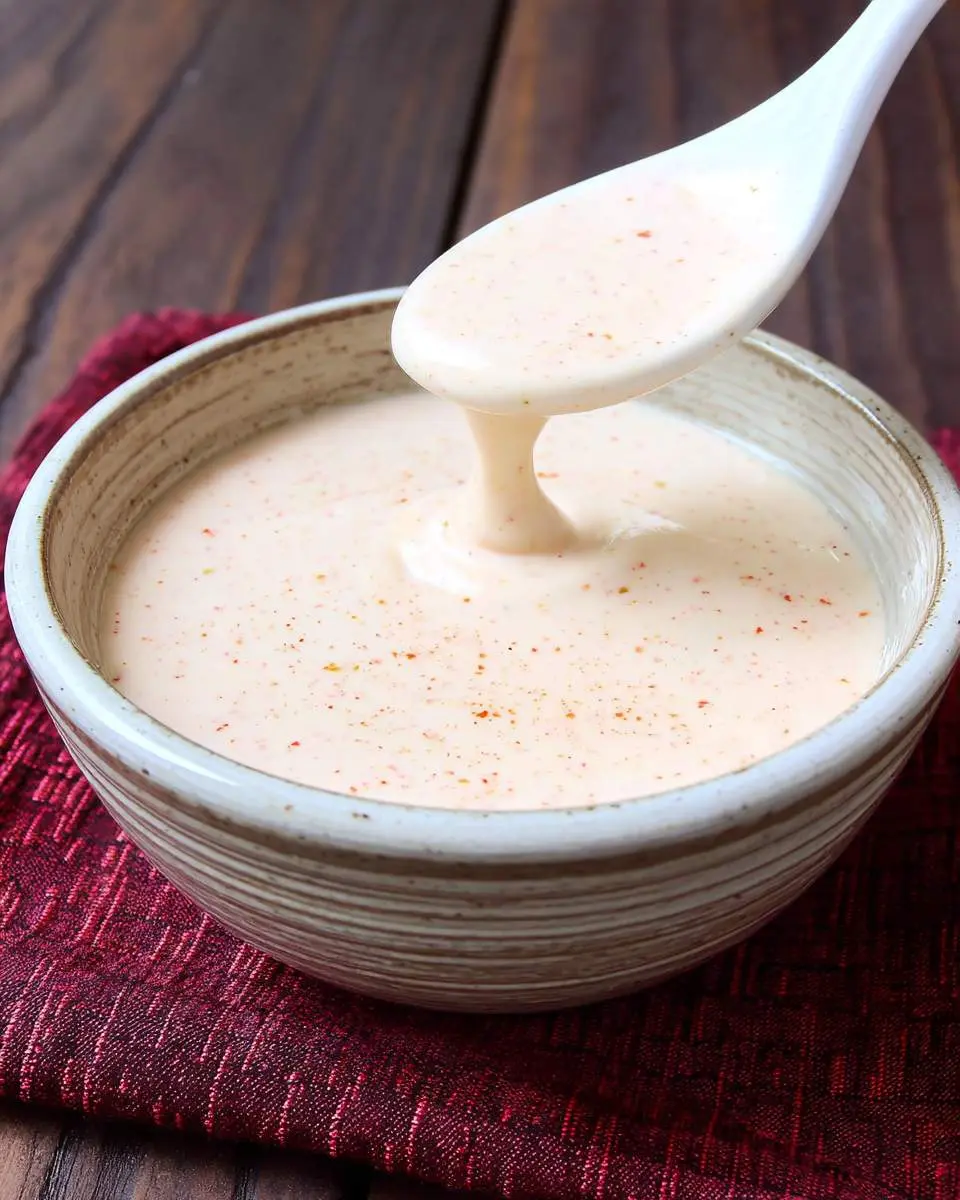
How to Make Japanese Steakhouse White Sauce
I start by measuring everything into a small bowl because once you begin whisking, the sauce comes together fast. The mayonnaise goes in first, soft and glossy, followed by a dollop of tomato paste that looks almost too dark against the white. As I stir, the color shifts from stark white to that familiar creamy ivory. The smell hits next, garlic and vinegar cutting through the richness. I whisk until the tomato paste fully disappears, no streaks remaining, about two minutes of steady motion. Then I taste. This is the moment where I adjust, usually adding a pinch more sugar or a few extra drops of vinegar depending on my mood. The sauce should coat the back of a spoon but still pour easily. I transfer it to a jar and immediately want to dip something in it. For anyone curious about building sauces from scratch, my homemade mayonnaise post walks through the technique that makes this base so stable.
What I Learned After Making This Sauce a Dozen Times
My first attempt was too thin because I added extra vinegar thinking more tang would be better. It separated by the next day. Now I measure precisely and whisk thoroughly to emulsify everything properly. The sauce needs at least two hours in the refrigerator before serving. I know it is tempting to use it immediately, but the flavors genuinely meld and deepen with that rest time. Japanese steakhouse white sauce transforms from good to unforgettable overnight. If your sauce tastes flat, the tomato paste is usually the culprit. Make sure yours is fresh and has not been open for months. That concentrated flavor fades faster than you think. My Secret Trick: I grate a tiny bit of fresh onion on a microplane and squeeze the juice into the sauce instead of using onion powder. It adds a sharp, clean brightness that powder cannot replicate.
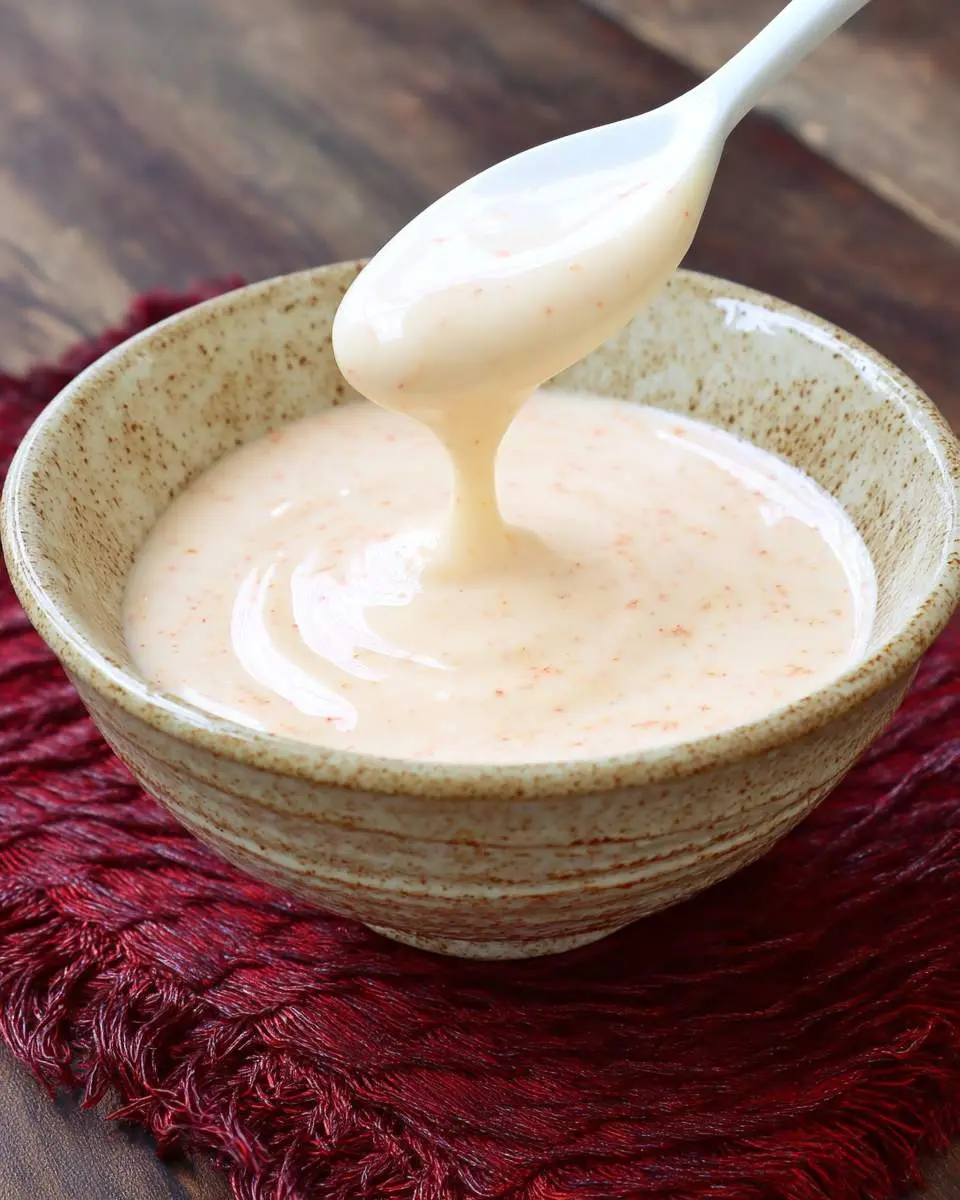
How to Store Japanese Steakhouse White Sauce
- Refrigerate in an airtight glass jar or container for up to 7 days
- Keep at 40 degrees Fahrenheit or below at all times
- Stir before each use as slight separation is normal
- Freeze in small portions for up to 2 months, though texture may change slightly
- Thaw frozen sauce overnight in the refrigerator, never at room temperature
- Do not reheat this sauce, serve cold or at cool room temperature
Why This Creamy Sauce Works for Almost Any Diet
Japanese steakhouse white sauce is naturally gluten-free, which makes it a safe choice for gatherings where you are not sure about everyone’s restrictions. The fat from the mayonnaise helps your body absorb the lycopene in the tomato paste, a nice nutritional bonus you do not have to think about. I appreciate that a small amount goes a long way, so I can drizzle rather than drench and still get that satisfying flavor hit.
FAQs
Can I use low-fat mayonnaise?
You can, but the texture will be thinner and less luxurious. Full-fat mayonnaise creates that signature coating consistency. If you must use low-fat, reduce the vinegar slightly to prevent separation.
Why does my sauce taste different from the restaurant?
Restaurants often let their sauce rest for 24 hours before serving, which deepens the flavor. Also check your tomato paste freshness. Old paste loses its sweetness and can make the sauce taste harsh.
What should I serve this with?
Grilled chicken, shrimp, steak, roasted vegetables, rice bowls, or as a dip for fries. I have even used it as a sandwich spread. It is incredibly versatile and improves almost anything grilled or roasted.
Can I make this ahead for a party?
Absolutely. Make it two days ahead and store covered in the refrigerator. The flavors actually improve with time. Give it a good stir before serving and transfer to a small bowl for the table.
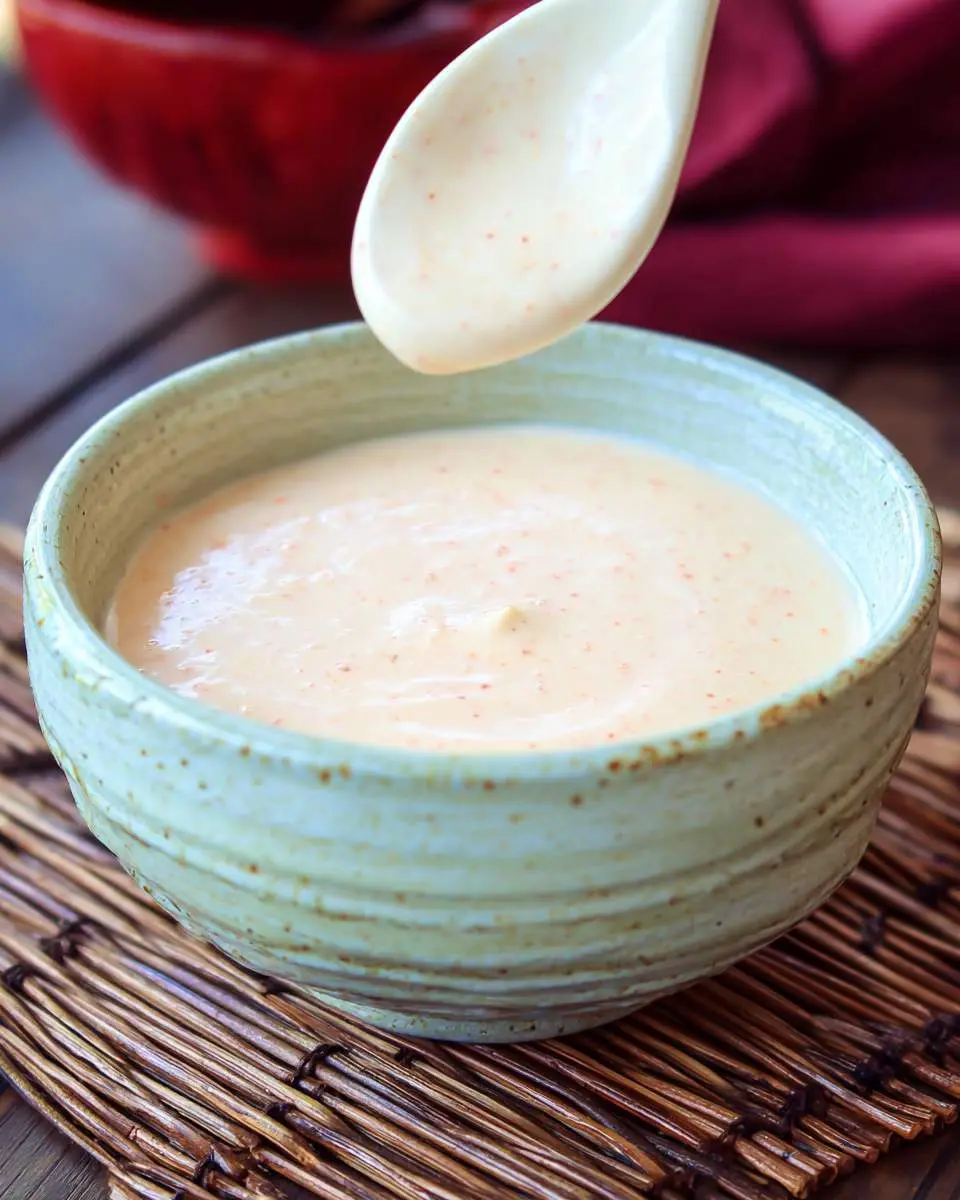
Japanese Steakhouse White Sauce
Ingredients
Equipment
Method
Notes
Conclusion
I never expected a simple sauce to become such a staple in my kitchen, but here we are. Japanese steakhouse white sauce has earned its permanent spot in my refrigerator door. Make a batch this weekend and see what you start drizzling it on. For another creamy favorite, try my garlic aioli next.
Follow us on Social Media : Pinterest