
The smell of cumin and garlic hitting hot oil takes me straight back to my grandmother’s kitchen, where a pot of beans always seemed to be simmering on the back burner. I used to stand on a step stool and watch her stir, convinced that magic was involved in transforming hard little pellets into something creamy and soul-warming. When I finally started making Instant Pot Refried Beans at home, I realized the magic was actually just patience and good technique. though the Instant Pot definitely speeds up the patience part.
Last Tuesday, I had one of those evenings where I craved comfort food but lacked the energy for anything complicated. My pantry held a bag of dried pinto beans I’d been ignoring for months. I remembered how my abuela would soak beans overnight, then tend them for hours. The Instant Pot promised a different path. Two hours later, I was standing over the pot with a wooden spoon, mashing beans that had somehow become silky and rich without me hovering.
What started as a side dish has become my weekly ritual. These beans anchor my Instant Pot chicken tacos on busy weeknights, and I’ve even been known to eat them straight from the bowl with nothing but a spoon and some hot sauce.
The Ingredients That Transform Dried Beans Into Something Special
Dried pinto beans form the foundation, but I have learned that bacon fat or lard makes the difference between good beans and the kind that make you close your eyes on the first bite. The fat carries flavor in a way oil simply cannot replicate. I also insist on dried epazote if I can find it. this Mexican herb cuts through the beaniness that some people find off-putting. Fresh garlic and cumin toasted in that hot fat before pressure cooking creates a base that permeates every single bean. For those exploring bean dishes beyond this one, my red beans and rice uses a similar approach with different spices.
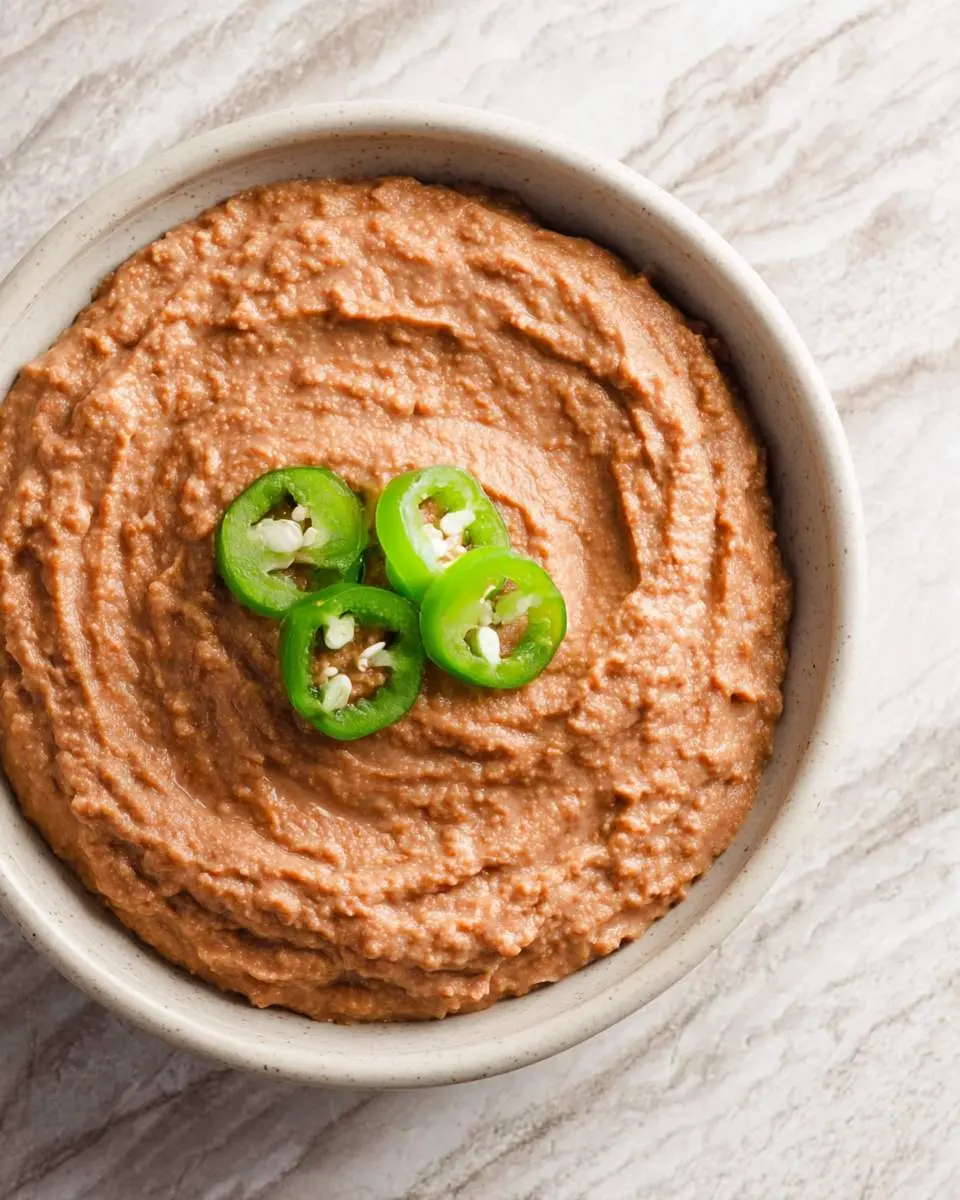
How to Make Instant Pot Refried Beans
The process begins with rendering fat in the Instant Pot on sauté mode, which takes about five minutes but feels like the most important five minutes of the entire recipe. I watch the bacon fat melt and shimmer, then add my aromatics. The cumin hits the hot fat and immediately releases its earthy perfume. this is the moment I know the dish will succeed. The beans go in dry, which still feels slightly rebellious after years of overnight soaking, followed by water and a bay leaf.
Pressure cooking transforms everything in about forty minutes. When I release the valve, the kitchen fills with that unmistakable bean steam that reminds me of Sunday afternoons. The beans emerge intact but yielding, swimming in a flavorful broth that I reserve carefully. Mashing happens directly in the pot, and here is where control matters. I add that reserved broth back gradually, stirring and smashing until I reach a consistency that holds a spoon upright but still flows. Some nights I leave them chunky with visible bean halves. Other nights I pursue complete smoothness. The black bean tacos on my site use a similar mashing technique with different timing.
What I Learned After Making This Recipe Seven Times
My first attempt produced beans that were flavorful but slightly gritty. I discovered that natural pressure release for at least fifteen minutes prevents the skins from toughening and creating that unpleasant texture. The extra wait feels annoying when you are hungry, but the result justifies the patience.
Salt timing matters more than I expected. Adding it before pressure cooking keeps the beans from exploding and turning to mush, while a final adjustment at the end brightens everything. I now start with half my intended salt and taste after mashing.
The mashing tool changes everything. A potato masher gives you control and texture variation. An immersion blender creates uniform smoothness but can over-process quickly. I prefer the masher and the workout it provides.
My Secret Trick: I save a cup of the cooking liquid before mashing, then fry the mashed beans in a separate skillet with additional fat for five minutes. This second frying step, borrowed from traditional refried bean technique, creates the complex caramelized flavor that makes restaurant beans so addictive.
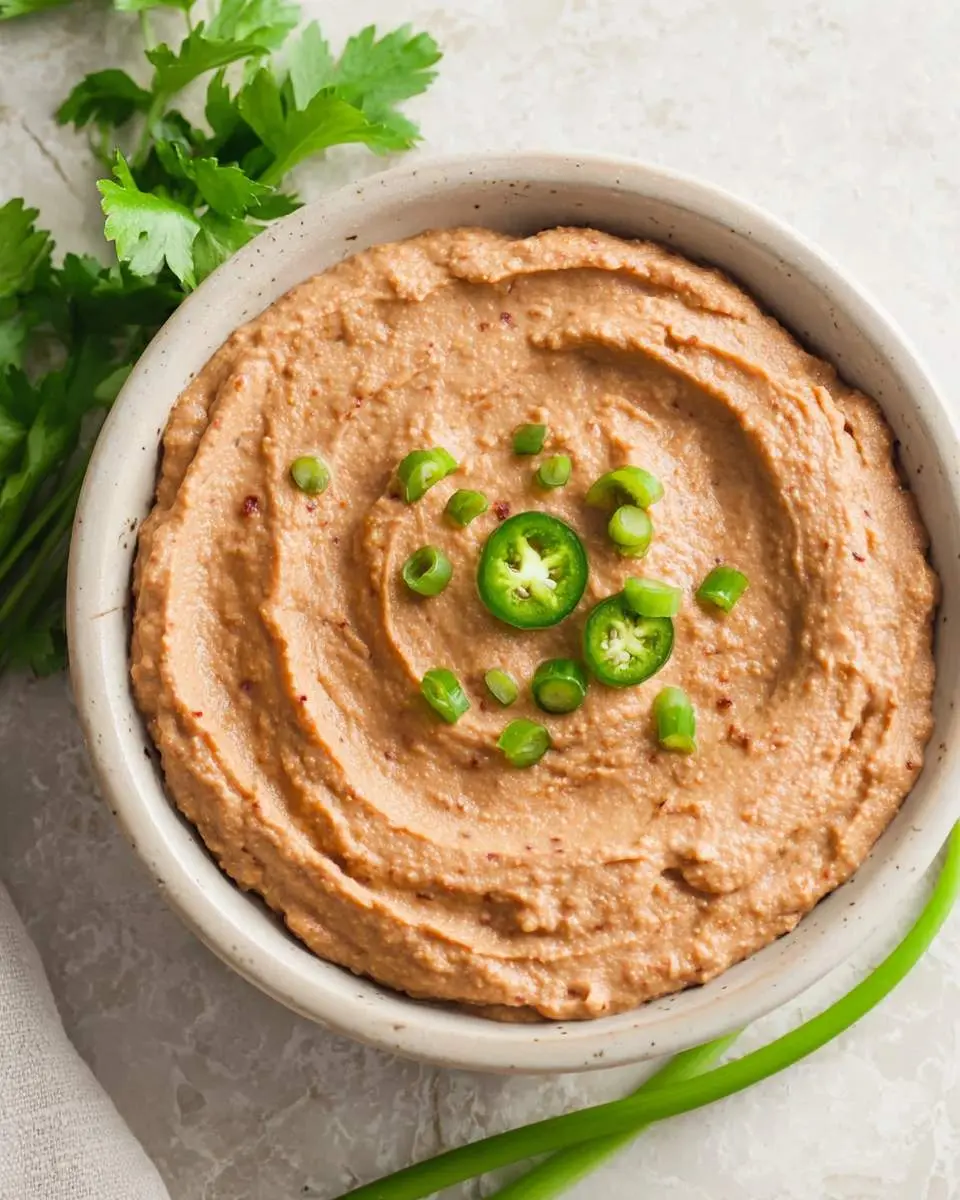
How to Store Instant Pot Refried Beans
- Refrigerate in an airtight container for up to 5 days; the flavor actually improves after 24 hours as the spices meld
- Freeze in portion-sized containers or heavy-duty freezer bags for up to 3 months; thaw overnight in the refrigerator
- Reheat gently in a saucepan over medium-low heat, adding splashes of water or broth to restore the creamy consistency
- Never microwave on high power; the uneven heating creates rubbery edges and cold centers that ruin the texture
Why This Recipe Earns a Permanent Spot in My Rotation
Pinto beans deliver serious fiber and plant protein that keeps me satisfied for hours, while the controlled sodium content beats anything from a can. Making Instant Pot Refried Beans from dried beans costs roughly one-third of canned equivalents, and the flavor gap feels enormous. I have started doubling the recipe specifically to ensure leftovers, which I spread on toast with a fried egg for breakfast or layer into nachos for impromptu gatherings.

FAQs
Do I need to soak the beans before pressure cooking?
No soaking required, which remains my favorite feature of this method. The pressure cooking environment breaks down the beans completely in under an hour. Unsoaked beans actually hold their shape better during mashing, giving you more textural control. I have tested both ways and prefer the unsoaked results for refried beans specifically.
Can I make these vegetarian or vegan?
Absolutely, and I do this frequently for friends with dietary restrictions. Replace the bacon fat or lard with a good olive oil or refined coconut oil. Add a teaspoon of smoked paprika to compensate for the missing meaty depth. The epazote becomes even more important in vegetarian versions for that authentic flavor profile.
Why are my beans still hard after pressure cooking?
Old beans never soften properly, regardless of cooking time. Check your bag for a harvest or sell-by date, and buy from stores with high turnover. Hard water can also interfere with softening. a pinch of baking soda in the cooking liquid solves this without affecting flavor. If your beans are fresh and water is soft, extend cooking time by ten minutes.
How do I get restaurant-style smoothness?
The second frying technique I mentioned above makes the biggest difference. After mashing, transfer to a skillet with hot fat and stir constantly for five minutes. This creates the starchy crust and caramelized notes that define professional versions. For ultra-smooth results, pass the mashed beans through a food mill or fine sieve before the second frying.
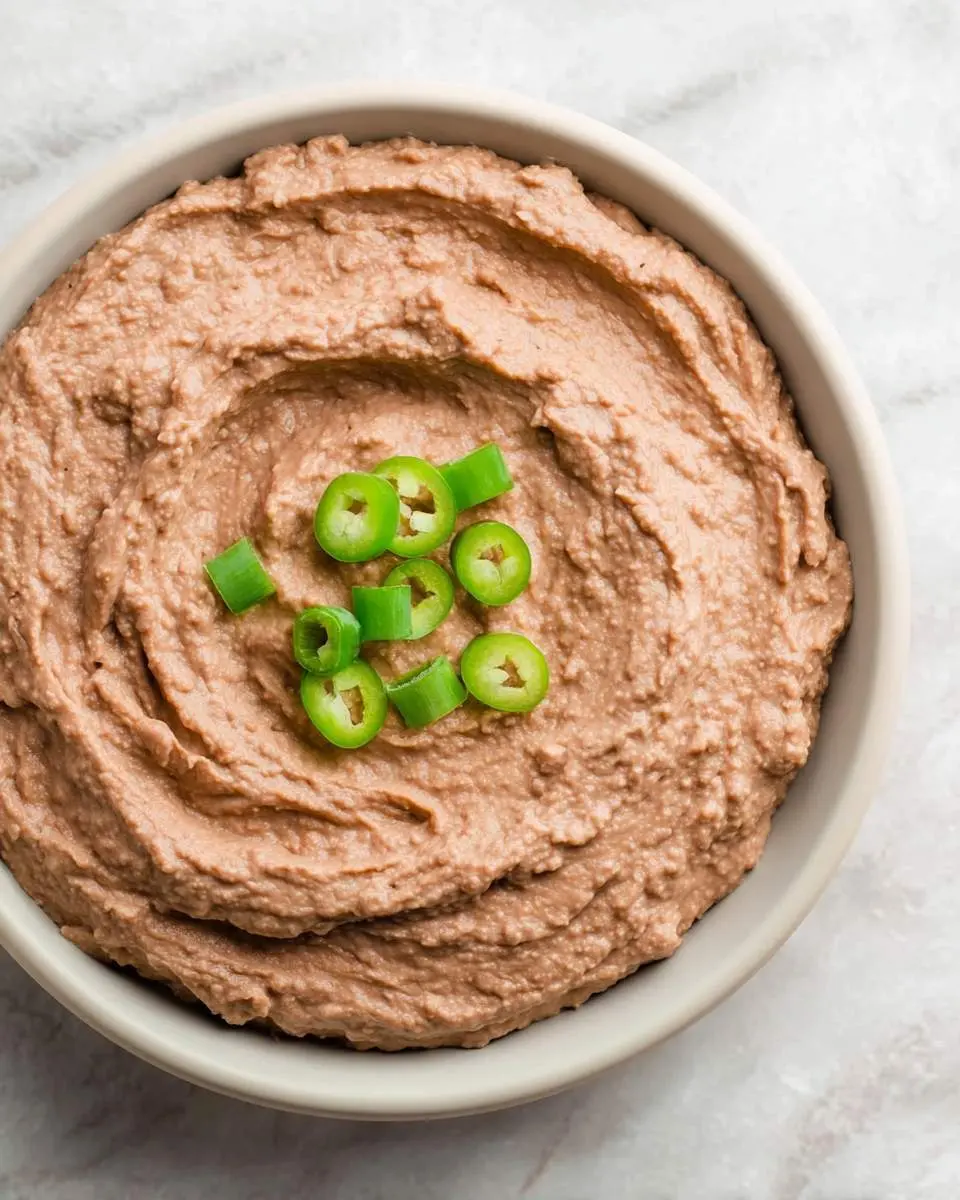
Instant Pot Refried Beans
Ingredients
Equipment
Method
Notes
Conclusion
These Instant Pot Refried Beans have replaced canned beans entirely in my kitchen, and I do not see that changing. The process feels meditative now, and the results consistently exceed what I can buy. If you are building a Mexican-inspired meal, pair them with my bean and cheese burritos for a feast that feeds a crowd without exhausting the cook.
Follow us on Social Media : Pinterest