
The smell of garlic hitting warm Dijon mustard takes me straight back to my grandmother’s kitchen, where she never measured anything but everything tasted like intention. I had been craving that same depth of flavor last Tuesday when I pulled out a pack of chicken legs and decided to recreate that memory with a modern twist. That is how my baked chicken legs with garlic and Dijon came to life, and I have made them three times since.
My grandmother used to say that chicken legs were forgiving, that they welcomed bold flavors without complaint. She was right. The first time I made this version, my husband walked in from the garage and stopped mid-step, asking what that incredible smell was. I watched him tear into the crispy skin with his hands, something he never does with polite company, and I knew this one was staying in our rotation.
If you are looking for another way to transform simple chicken into something memorable, I recently shared BBQ chicken stuffed sweet potatoes that hit the same comfort notes with a completely different vibe.
Why Dijon and Garlic Belong Together
The magic here starts with Dijon mustard, which does something remarkable to chicken skin. It creates this subtle tang that cuts through the richness while helping the garlic adhere in a way that oil alone never could. I use whole grain Dijon when I can find it, those little mustard seeds that pop between your teeth and make each bite interesting. Fresh garlic matters more than you might think. I tried this with pre-minced garlic once, and the flavor sat flat and one-dimensional. When you mince it yourself, that sharp, almost spicy quality blooms in the oven and perfumes the whole house. For my baked chicken legs with garlic and Dijon, I also reach for fresh thyme if I have it, though dried works in a pinch. The herbs bridge the gap between the sharp mustard and mellow garlic. If you enjoy building flavors with wings, my lemon parmesan chicken wings use a similar approach with citrus instead of mustard.
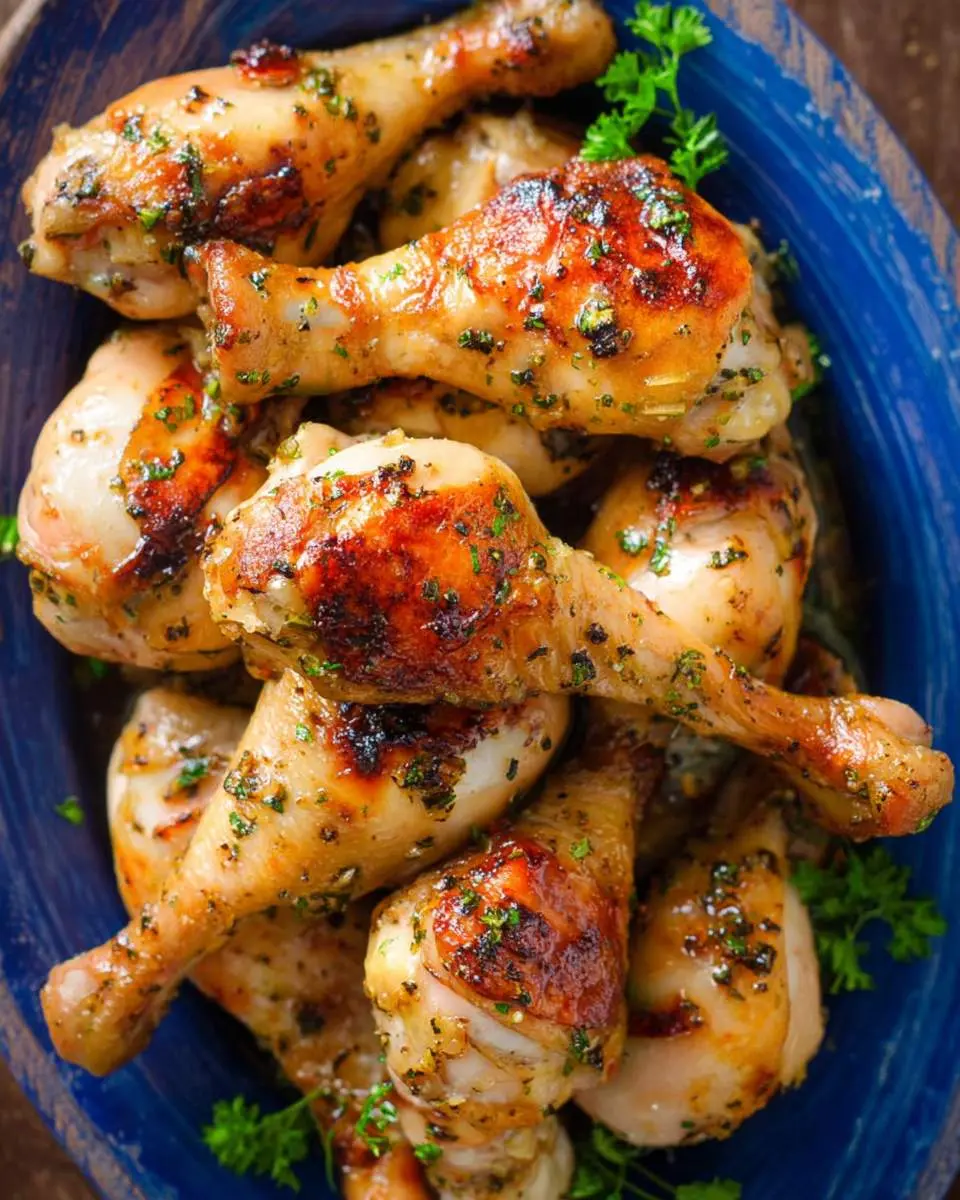
How to Make Baked Chicken Legs with Garlic and Dijon
I start by patting the legs completely dry with paper towels, and I mean completely. Any moisture left on that skin is the enemy of crispness. Then I whisk Dijon with a splash of olive oil, minced garlic, and my herbs until it looks like a loose paste. The sound of the whisk against the bowl, that thick mustard resistance, tells me it is right. I massage this mixture all over the chicken, working it under the skin where I can without tearing anything. The oven needs to be hot, 425 degrees, because we want that initial sear. I arrange the legs on a wire rack set over a baking sheet so air circulates underneath. About thirty minutes in, the kitchen fills with this savory, almost buttery aroma that makes waiting impossible. The skin crackles when you poke it, and the meat near the bone reads 165 degrees on my instant thermometer. I let them rest for five minutes, which feels like an eternity. If skillet cooking is more your speed, my creamy Dijon chicken skillet uses the same mustard in a completely different application.
What I Learned After Three Attempts
My first batch taught me that crowded pans steam instead of roast. I gave each leg proper breathing room the second time, and the difference was dramatic. The skin actually crackled instead of just browning. I also discovered that broiling for the final two minutes transforms good skin into shatteringly crisp skin, but you cannot walk away. That intense heat turns from friend to enemy in seconds. The mustard can burn if your oven runs hot, so I now keep a close eye after the twenty-five minute mark. My Secret Trick: I save a tablespoon of the Dijon mixture and brush it on during the last five minutes of baking. It creates this glossy, intensely flavored coating that tastes almost glazed. For my baked chicken legs with garlic and Dijon, this final brush is the difference between home cook and restaurant quality.
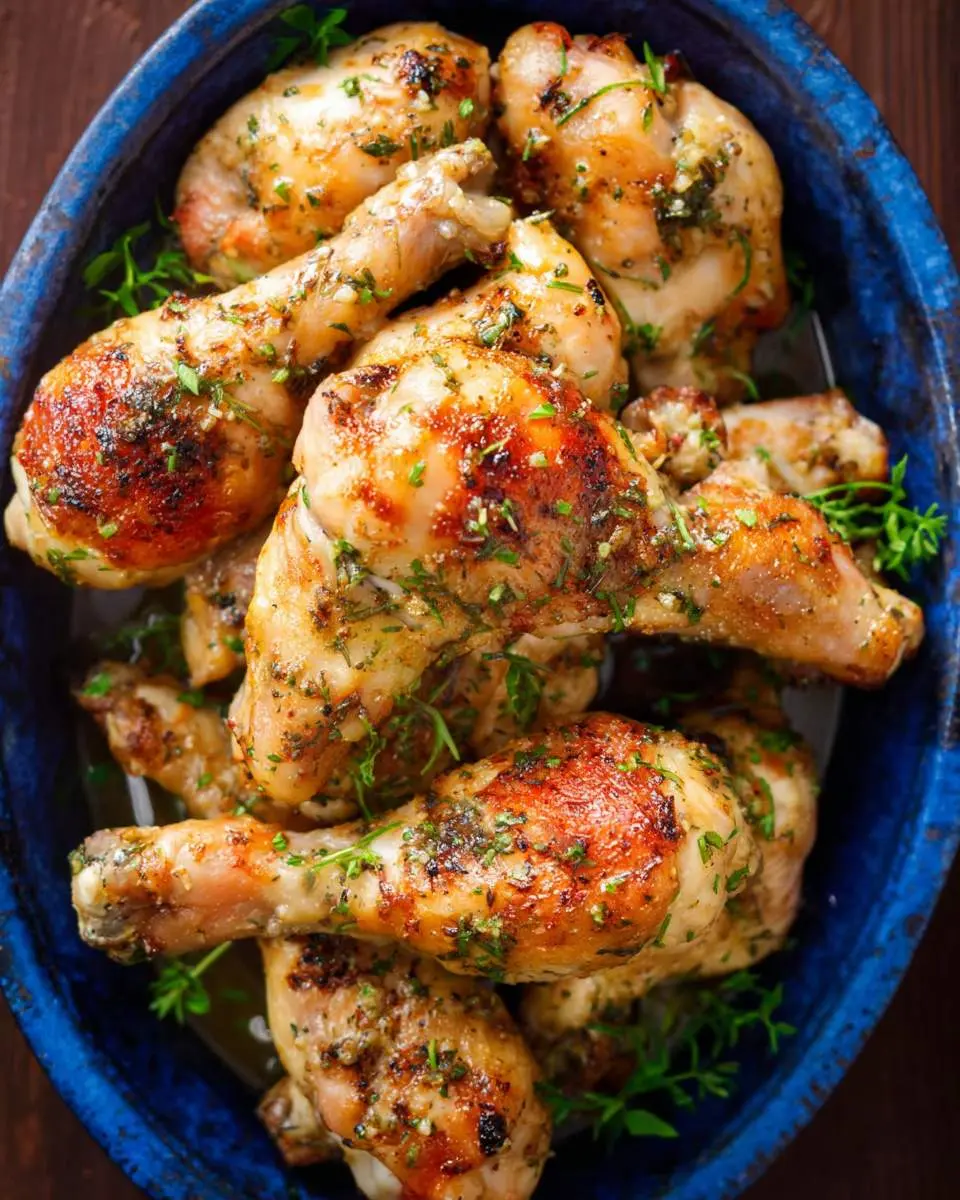
How to Store Baked Chicken Legs with Garlic and Dijon
- Refrigerate in an airtight container for up to 4 days. I prefer glass because it does not hold onto garlic odors.
- Freeze fully cooled legs in a single layer on a baking sheet first, then transfer to freezer bags for up to 3 months. This prevents them from freezing into a solid block.
- Reheat in a 375 degree oven on a wire rack for 12-15 minutes. The microwave makes the skin rubbery, which defeats the whole purpose.
- Slice cold leftovers over salad with extra Dijon thinned as dressing. The flavor actually deepens overnight.
Why This Recipe Fits Real Life
Chicken legs are one of the most affordable cuts at my grocery store, and this preparation elevates them without expensive ingredients. The Dijon provides depth that feels sophisticated, but the whole dish costs less than takeout for a family of four. I appreciate that baked chicken legs with garlic and Dijon also happens to be naturally low in carbohydrates, which matters to several people in my life without requiring any special ingredients or substitutions. The protein keeps us full, and the garlic offers compounds that support immune health, something I think about more during winter months.

FAQs
Can I use chicken thighs instead of legs?
Absolutely. Bone-in, skin-on thighs work beautifully and cook in nearly the same time. I find they stay slightly more moist, though I prefer the higher skin-to-meat ratio of legs. Adjust your timing by checking the internal temperature rather than watching the clock.
Why is my chicken skin not getting crispy?
Moisture is almost always the culprit. Pat the chicken aggressively dry before seasoning, and use a wire rack so heat circulates underneath. If your oven tends to run cool, increase to 450 degrees for the first fifteen minutes.
Can I make this with boneless chicken?
You can, but you lose the magic. The bone insulates the meat and keeps it juicy, while the skin renders slowly into something special. Boneless breasts dry out quickly at this temperature. If you must, reduce heat to 375 and watch carefully.
What sides pair best with this dish?
Roasted potatoes tossed in the same Dijon mixture are my absolute favorite. They cook alongside the chicken and soak up all those drippings. A simple arugula salad with lemon vinaigrette cuts the richness perfectly. For baked chicken legs with garlic and Dijon, I avoid heavy starches that compete with the bold flavors.
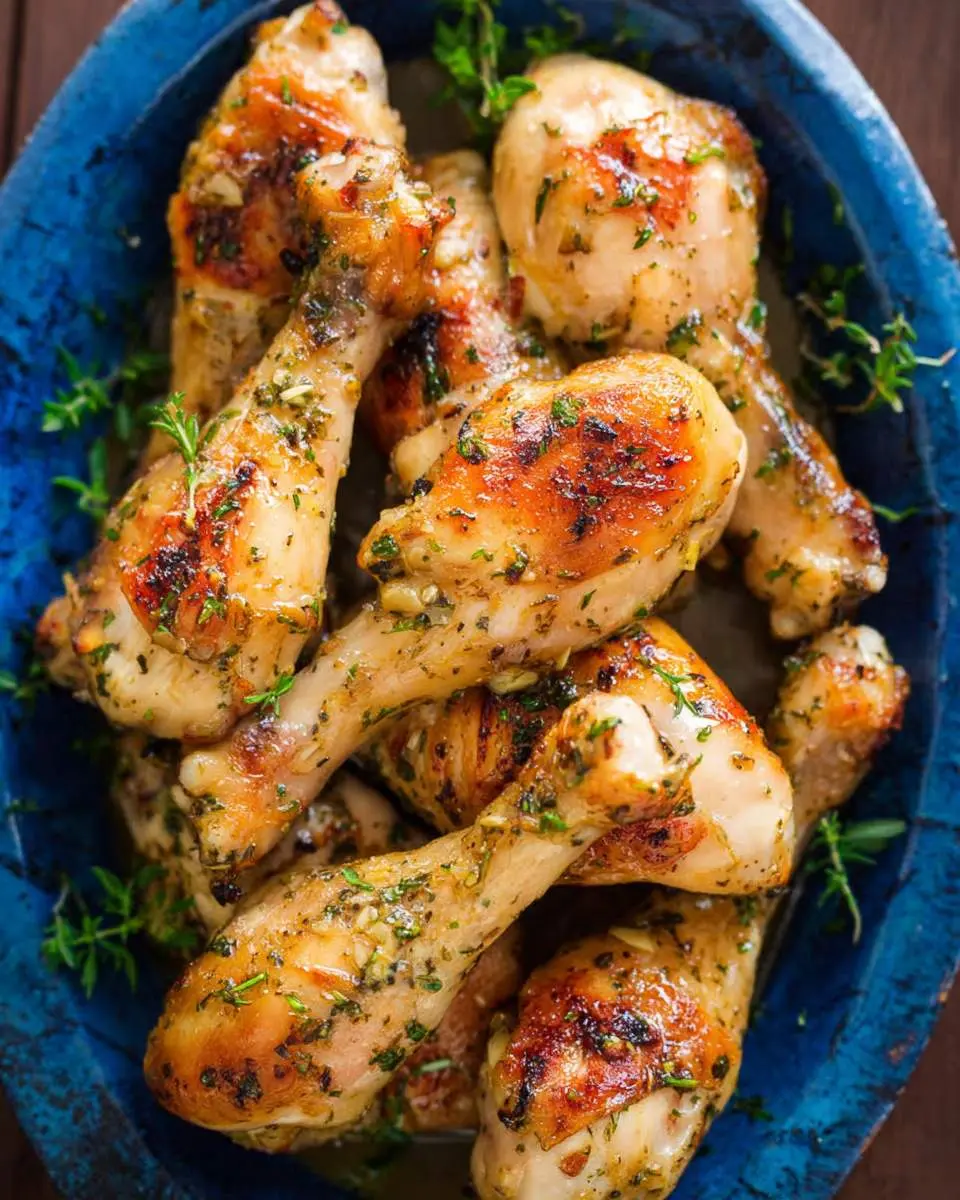
Baked Chicken Legs with Garlic and Dijon
Ingredients
Equipment
Method
Notes
Conclusion
I hope you make these on a night when you need something reliable but still exciting. They have become my answer to the question of what to cook when I want to feel capable and nourished. For another oven method that delivers similar satisfaction, try my oven roasted chicken drumsticks with a completely different flavor profile.
Follow us on Social Media : Pinterest