
I still remember the first spoonful. I was standing in my kitchen at 9pm, still in my work clothes, not even bothering to sit down. That cloud of coconut cream mousse melted on my tongue and I actually laughed out loud. It was that good. The kind of good that makes you forget you were supposed to save some for tomorrow.
My grandmother never made mousse. She made pie, heavy on the crust, serious on the sugar. But she did keep a can of coconut milk in her pantry like it was insurance. “You never know,” she’d say. Last spring, cleaning out that same pantry after she passed, I found three cans, still good. I cracked one open that night and started experimenting. This recipe is what finally made me feel like I understood what she meant by insurance. Some things you just want to have ready.
If you have ever struggled with mousse that falls flat or tastes too eggy, I get it. I ruined four batches before this one worked. The raspberry mousse I tried last summer taught me patience, but coconut demands something gentler. Let me show you what I learned.
Why Full-Fat Coconut Milk Changes Everything
This is not the place for the light stuff. I tried it once, and what I got was coconut soup, not coconut cream mousse. The fat in full-fat coconut milk carries flavor and creates that silky structure without any dairy at all. I also learned that powdered sugar dissolves more cleanly than granulated, which matters when you are not heating anything. And vanilla? Skip the cheap bottle. The good stuff rounds out the coconut instead of fighting it. If you want to see how fruit plays with this base, my strawberry mousse uses a similar technique with very different results.
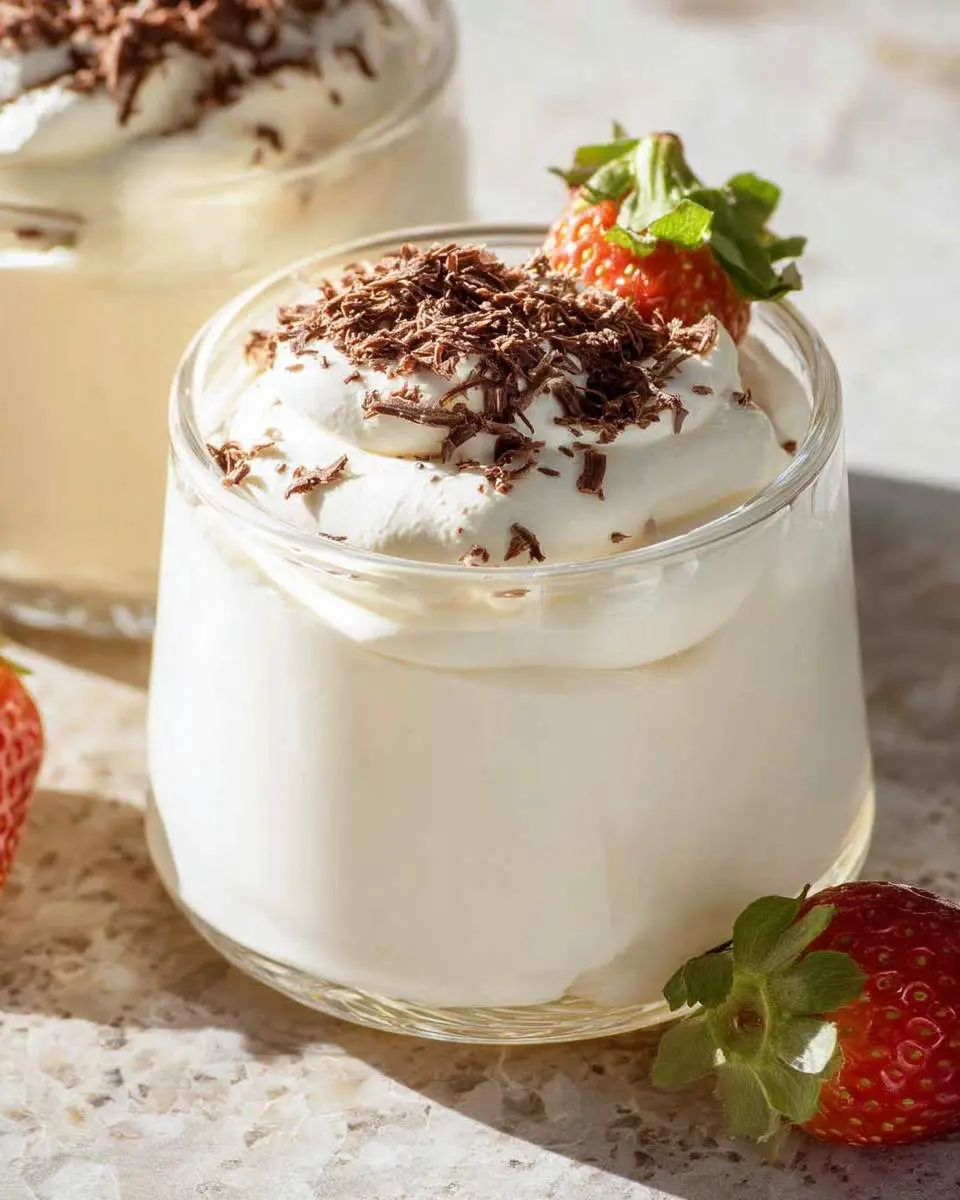
How to Make Coconut Cream Mousse
The night before, I stick two cans of coconut milk in the coldest part of my fridge. Not the door. The back, where it is brutal. In the morning, I open them from the bottom, pour off the thin liquid, and scrape that thick white cream into a chilled bowl. The sound is satisfying, like peeling the skin off warm pudding. I beat it with powdered sugar and vanilla until soft peaks form, maybe four minutes. The kitchen smells like a tropical vacation I did not have to pack for. I fold gently, always gently, because overbeating turns silk into butter. The mango sticky rice I made last month taught me how coconut cream behaves when pushed too far, and I carry that lesson here. Into the fridge it goes, covered, for at least two hours. The waiting is the hardest part.
What I Learned From Three Failed Batches
My first attempt, I used coconut milk that had been in my pantry for a year. The cream had separated permanently into grainy bits. Never again. Now I check dates and I buy brands with high fat content, usually 60 percent or more.
Second mistake: I beat the cream straight from the fridge, bowl and all, without chilling the beaters. The fat warmed too fast and never held air. Now my beaters live in the freezer for ten minutes before I start.
Third disaster, I added sugar all at once. The weight collapsed my soft peaks instantly. I sprinkle now, a tablespoon at a time, like feeding a shy cat.
My Secret Trick: I save the thin coconut liquid I pour off and freeze it in ice cube trays. Blend two cubes with fresh mango for a smoothie that tastes like this mousse’s tropical cousin. Nothing wasted, everything connected.

How to Store Coconut Cream Mousse
- Refrigerate in airtight glass containers for up to 3 days; plastic can absorb odors and affect the clean coconut flavor
- Keep at 40 degrees Fahrenheit or below; the mousse will weep slightly after day 2 as the structure relaxes
- Freeze individual portions in silicone muffin cups for up to 1 month; thaw overnight in the refrigerator, never at room temperature
- Do not reheat; this is a cold dessert, and warmth destroys the whipped structure entirely
Why This Recipe Works for Dairy-Free Dessert
Coconut cream mousse delivers the richness people miss when they cut dairy, without the compromises. The medium-chain triglycerides in coconut fat digest differently than butter or cream, and they create that same mouth-coating satisfaction. I also appreciate that this recipe needs no stabilizers, no gelatin, no complicated chemistry. Just fat, air, and patience. My friend with lactose intolerance nearly cried when she tasted it. She had forgotten what real dessert felt like.
FAQs
Can I use coconut cream from a carton instead of canned?
Carton coconut cream is too thin and often contains stabilizers that prevent whipping. Stick with full-fat canned coconut milk that has been refrigerated overnight. The solid layer that separates is what you need, and cartons rarely produce enough of it.
Why did my mousse turn grainy and separated?
You likely overbeat the coconut cream, causing the fat to break and release its oils. Stop as soon as soft peaks form. If this happens, you can actually salvage it by gently warming and re-whipping, though the texture will be slightly denser.
Can I make this mousse without any added sugar?
Technically yes, but the sugar helps stabilize the whipped structure and rounds out the coconut flavor. I have tried with honey and maple syrup, both add too much liquid. If you must reduce sugar, use a powdered monk fruit blend designed for baking.
How far in advance can I prepare this for a dinner party?
Coconut cream mousse holds beautifully for 24 hours, which makes it ideal for entertaining. Beyond that, the peaks soften and the texture becomes more pudding-like. I actually prefer day-two texture, but for presentation, serve within a day of whipping.
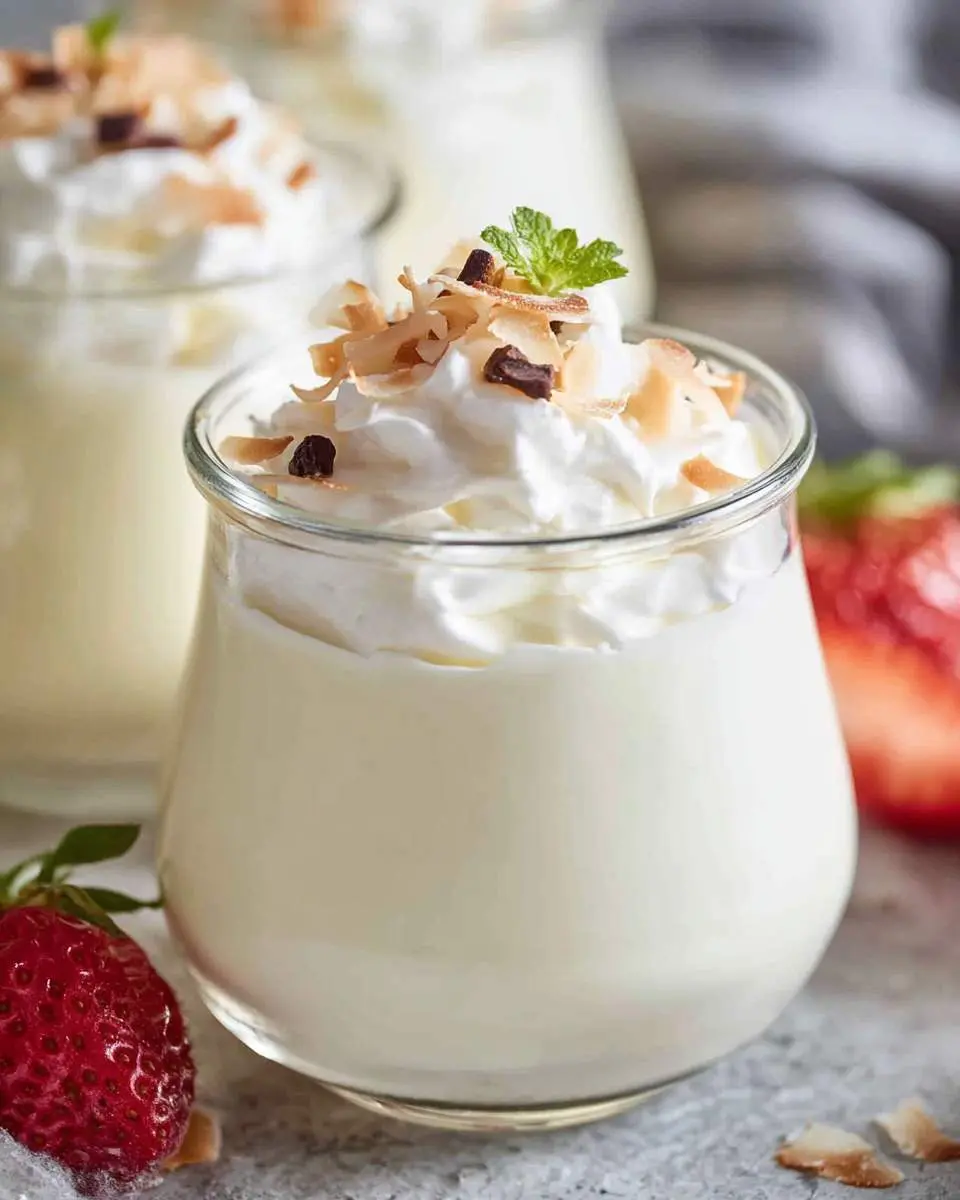
Coconut Cream Mousse
Ingredients
Equipment
Method
Notes
Conclusion
I keep a can of coconut milk in my fridge now, always. Not because I plan to make coconut cream mousse, but because I want to be ready for the moment I need something extraordinary without much effort. Some recipes earn that permanent spot. This one did. If coconut desserts speak to you, my coconut bundt cake carries that same warmth into a completely different form. Try them both. Tell me which one wins.
Follow us on Social Media : Pinterest