
I remember the very first time I tasted truly amazing coconut shrimp. The crunch, the sweet and savory notes, that irresistible creamy sauce – it was an experience that stuck with me. This dish quickly became my ultimate comfort food, reminding me of special family dinners and celebrations, particularly when it was the star Chinese Coconut Shrimp.
For years, I found myself chasing that perfect, restaurant-quality flavor right in my own kitchen. I tried recipe after recipe, hoping to recreate the magic of a good Chinese buffet. Most fell short, missing that authentic creamy richness.
Finally, after countless attempts and a few culinary detours, I cracked the code! Today, I'm so excited to share my secret to a show-stopping dish that will transport you straight to your favorite take-out spot.
What You Need to Make This Recipe
Getting that iconic creamy, slightly sweet, and tangy flavor of Chinese Coconut Shrimp isn't about a huge list of fancy items; it really comes down to a few stars. For me, good quality shrimp makes all the difference, but the true game-changer is the cream of coconut – not to be confused with coconut milk! That thick, sweet base is what gives the sauce its decadent body, perfectly balancing out a hint of lemon and a dash of white pepper to create a flavor profile that’s simply unforgettable, just like when I'm making other seafood dishes.

How to Make Chinese Coconut Shrimp
When I make this dish, I always start by getting the shrimp perfectly prepped; a good pat dry is essential for that golden-brown crisp. As they sizzle in the pan, a sweet aroma starts to fill my kitchen, hinting at the deliciousness to come.
Then, the magic truly happens when I combine the creamy coconut base ingredients. I whisk until it's smooth and velvety, watching it thicken ever so slightly, ready to envelop every succulent piece of shrimp.
The final moment is tossing those perfectly cooked shrimp into that luxurious sauce, ensuring each one is beautifully coated. This transforms them into a dish that's truly special, much like my favorite coconut shrimp with lime chili dip.
Pro Tips
Don't overcook the shrimp: Shrimp cook incredibly fast, usually just 2-3 minutes per side. Overcooking makes them rubbery, and nobody wants tough Chinese Coconut Shrimp.
Toast your coconut flakes (if using): If you're adding any shredded coconut for garnish, a quick toast in a dry pan brings out a much richer, nutty flavor and a beautiful golden color. It really elevates the dish.
Balance the sauce: The key to this creamy sauce is tasting as you go. You might need a tiny bit more lemon for brightness or a touch more sugar for sweetness, depending on your cream of coconut, to hit that perfect spot.
My Secret Trick: Adding a splash of condensed milk to the sauce gives it an unparalleled silky texture and a touch of extra sweetness that mimics that true buffet-style richness you crave.

How to Store Chinese Coconut Shrimp
- Store any leftover Chinese Coconut Shrimp in an airtight container in the refrigerator for up to 2-3 days.
- For reheating, gently warm the shrimp in a non-stick pan over low heat, or microwave in short bursts, adding a tiny splash of water or coconut milk to prevent drying out and help the sauce re-emulsify.
- I don't typically recommend freezing this dish, as the texture of the shrimp and the creamy sauce can change significantly upon thawing, becoming less appealing.
Nutritional Benefits
While we often enjoy Chinese Coconut Shrimp for its incredible flavor, it's worth noting some of the goodness hidden within. Shrimp themselves are an excellent source of lean protein and essential minerals like selenium and iodine, which are vital for thyroid health. The coconut, especially if you're using unsweetened flakes or moderate amounts of cream, also contributes healthy fats and some fiber.

FAQs
Can I make this Chinese Coconut Shrimp spicier?
Absolutely! If you enjoy a little heat, I suggest adding a pinch of red pepper flakes or a tiny dash of sriracha to the sauce mixture. You could also garnish with finely chopped fresh chilies right before serving for a fresh, vibrant kick.
What is the difference between cream of coconut and coconut milk?
Cream of coconut is a much thicker, sweeter product, often found in the cocktail mixer aisle, whereas coconut milk is thinner and unsweetened. Using cream of coconut is crucial for the rich, dessert-like sweetness and creamy texture of this particular dish.
Can I use fresh shrimp instead of frozen?
Yes, absolutely! Fresh shrimp are fantastic in this recipe. Just ensure they are properly peeled, deveined, and thoroughly patted dry before cooking. This ensures they cook evenly and achieve a lovely texture when finished.
What can I serve with Chinese Coconut Shrimp?
This dish pairs beautifully with a simple bowl of steamed jasmine rice to soak up all that luscious sauce. For a lighter meal, I sometimes serve it alongside some quick-sautéed greens like bok choy or steamed broccoli florets. It creates a well-rounded and satisfying meal.
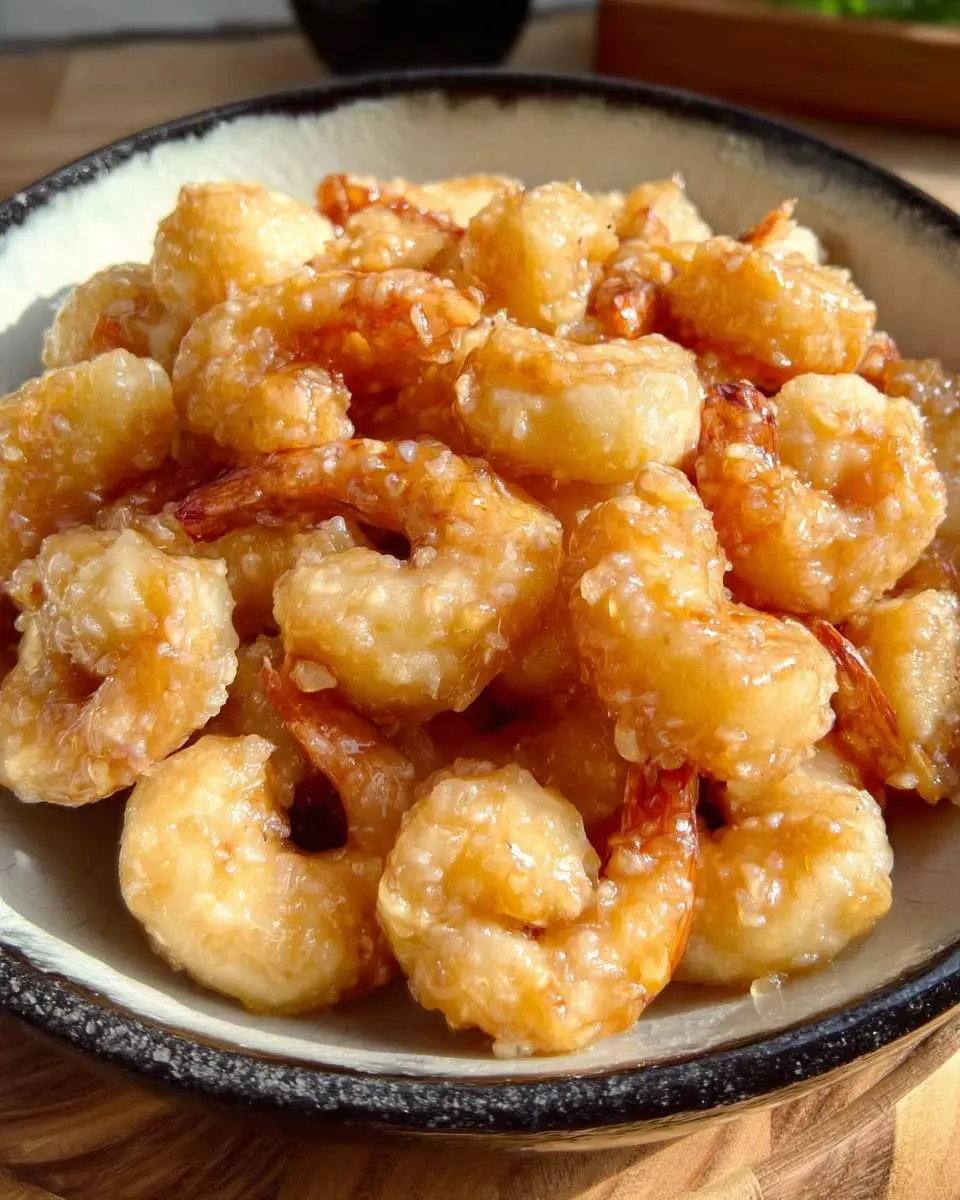
Chinese Coconut Shrimp
Ingredients
Equipment
Method
Notes
Conclusion
Bringing this glorious Chinese Coconut Shrimp into your home kitchen is such a rewarding experience. I truly hope you fall in love with its sweet, creamy flavors as much as I have. There’s nothing quite like recreating those beloved restaurant dishes, and this one consistently earns rave reviews. Don't be afraid to experiment a little and make it your own! It’s a wonderful addition to any meal, perhaps alongside some honey walnut shrimp.