
The first time I tasted something that made me stop mid-bite and close my eyes, it was bruschetta on a crusty baguette in a tiny trattoria in Boston’s North End. That explosive combination of ripe tomatoes, sharp garlic, and grassy olive oil haunted me for years. So when I found myself with a mountain of summer tomatoes and no patience for toasting dozens of bread slices, I did what any reasonable home cook would do. I turned that iconic appetizer into a bruschetta pasta salad, and honestly, I haven’t looked back since.
My grandmother used to make what she called “Italian picnic salad” for every family gathering, though hers was mostly mayonnaise and elbow macaroni. I think about her whenever I bring this version to potlucks now. The way people hover around the bowl, sneaking bites before it’s even officially served, reminds me of how her dishes would disappear before the prayer ended. Some recipes just carry that kind of gravitational pull.
This dish has become my signature contribution to summer gatherings, and I’ve refined it through countless iterations. If you’re building a repertoire of crowd-pleasing salads, you might also love my salmon cobb salad for something heartier. But let’s talk about what makes this particular combination so irresistible.
Why Tomatoes and Basil Deserve the Spotlight
The heart of any bruschetta pasta salad lives and dies by its tomatoes, and I’m unapologetically particular about mine. I wait all year for August heirlooms, the ones that smell like earth and sunshine and practically collapse under their own weight. Their juices become part of the dressing, creating this silky tomato-olive oil emulsion that coats every piece of pasta. The basil matters just as much. I grow mine in a pot by my kitchen door, and the difference between those peppery, just-picked leaves and the sad refrigerated packets at the grocery store is the difference between a dish that sings and one that whispers. Fresh mozzarella adds that milky counterpoint, and I always reach for the pearls. They distribute perfectly, giving you that creamy pull in every bite without the knife-work of slicing a log. If seafood salads are more your speed, my shrimp cobb salad uses a similar fresh approach with a completely different protein.

How to Make Bruschetta pasta salad
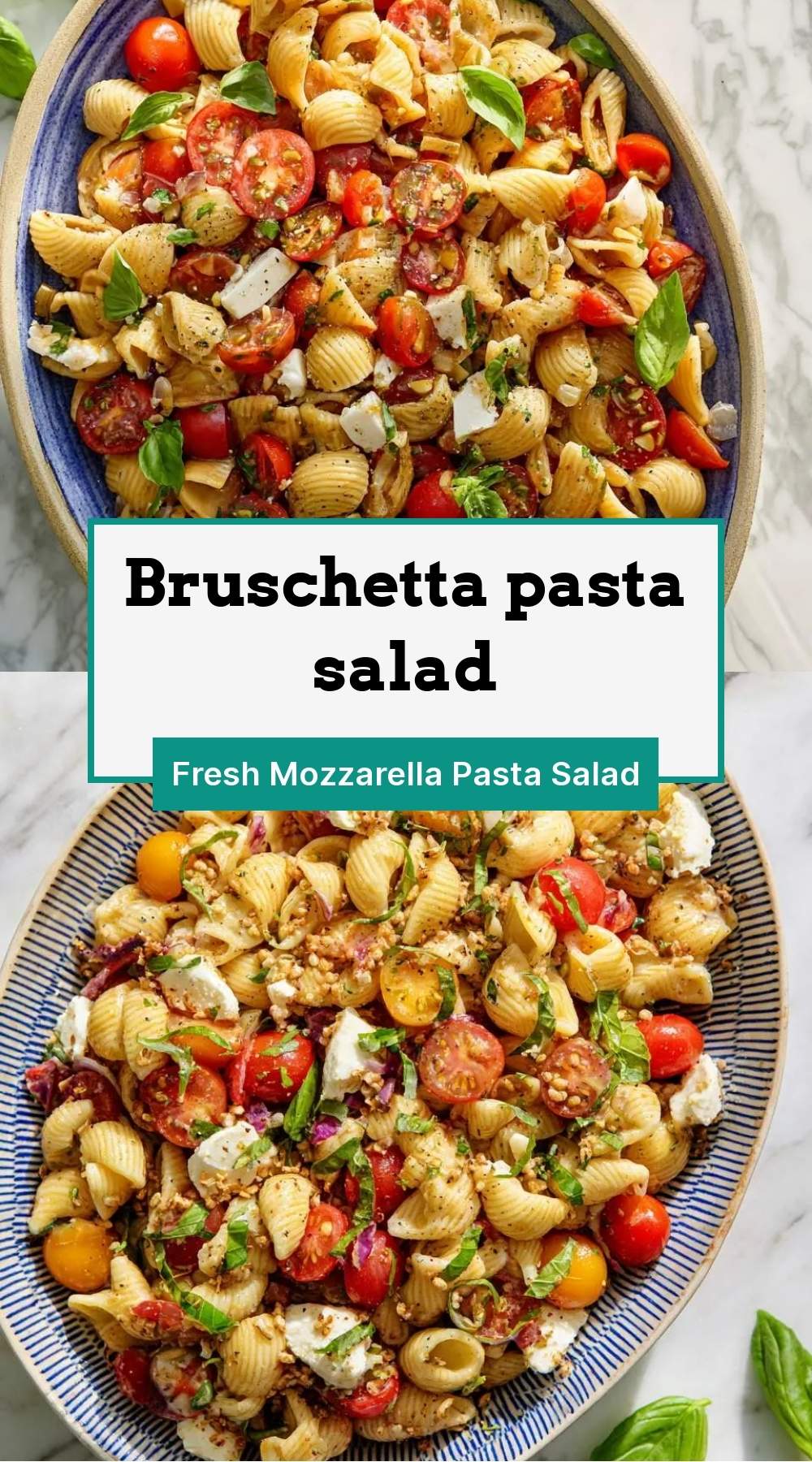
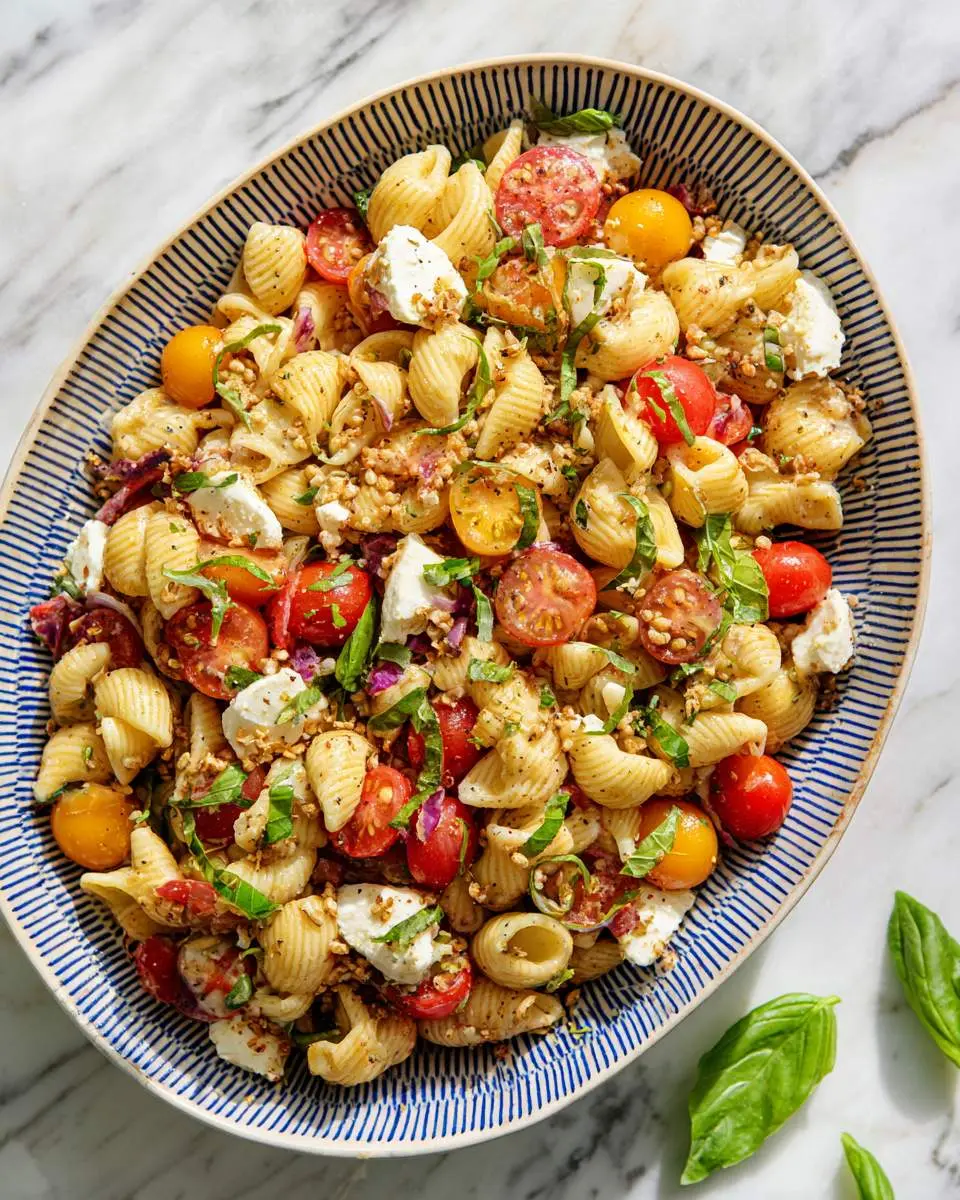
I start this process the moment my pasta water hits a rolling boil, because timing matters more than you’d think. The pasta needs to cook just past al dente, enough that it can absorb the dressing without turning mushy. I use small shapes. Orecchiette or cavatappi work beautifully, their curves catching bits of tomato and cheese. While the pasta bubbles, I dice my tomatoes aggressively, letting them macerate in a bowl with minced garlic, salt, and a splash of balsamic. This is where the magic happens. The salt draws out the tomato water, creating a pool of intense, savory liquid that will become your dressing base. When the pasta’s ready, I drain it but never rinse. That starchy surface clings to flavor in a way cold water would wash away. I toss the hot pasta directly with the tomato mixture, watching as the heat slightly wilts the basil I tear by hand. The mozzarella goes in last, when everything’s cooled to room temperature. I learned this the hard way. Hot pasta turns those delicate pearls rubbery. For another pasta salad that celebrates Italian simplicity, my caprese pasta salad uses a similar technique with a different flavor profile.
What Three Attempts Taught Me About This Dish
My first try was a watery disaster. I salted the tomatoes but didn’t drain any of the liquid, and by hour two, the pasta was swimming. Now I reserve that precious tomato water separately, adding it back only if the salad needs moisture. The second attempt taught me about garlic timing. Raw minced garlic can overwhelm everything, so I let it sit in the tomato juices for at least fifteen minutes. The acid tames the harshness, leaving behind pure savory depth. My third revelation came with the oil. Extra virgin olive oil is non-negotiable, but the amount matters more than the brand. Too little and the salad tastes lean and sad. Too much and it pools at the bottom of the bowl, greasy and unappealing. I found my sweet spot at three tablespoons per pound of pasta, added in two stages. My Secret Trick: I save a cup of the starchy pasta water and use it to bloom my minced garlic before it ever touches the tomatoes. The heat unlocks the garlic’s sweetness without the raw bite, and the starch helps emulsify the dressing into something that clings instead of slides. This one step transformed my bruschetta pasta salad from good to the dish people request by name.

How to Store Bruschetta pasta salad
- Refrigerate in an airtight container for up to 3 days. The flavors actually improve after the first 24 hours as the garlic mellows and permeates the pasta.
- Store at 40°F or below. I use glass containers to prevent any tomato acid from reacting with metal.
- Do not freeze. The fresh tomatoes and mozzarella will weep and separate upon thawing, creating a watery, unpleasant texture.
- To refresh before serving, let sit at room temperature for 20 minutes, then toss with a fresh drizzle of olive oil and a handful of torn basil. The cold dulls flavors, so this step is essential.
- If the pasta has absorbed too much dressing, add a splash of reserved tomato liquid or a teaspoon of balsamic vinegar to wake it back up.
Why This Recipe Earns Its Place in My Regular Rotation
I keep coming back to this bruschetta pasta salad because it satisfies on multiple levels without demanding much from me. The tomatoes deliver lycopene and vitamin C in their most delicious form, while the olive oil brings those heart-healthy monounsaturated fats that make Mediterranean eating patterns so well-regarded. But honestly, I make it because it makes me feel capable and generous. It travels well, feeds many, and tastes like summer even when I’m eating leftovers at my desk in January. That combination of practical and pleasurable is rare, and I don’t take it for granted.
FAQs
Can I make this pasta salad ahead of time?
Absolutely, and I actually prefer it that way. Prepare everything except the mozzarella and final basil addition up to 24 hours ahead. The tomatoes and garlic need time to marry, and the pasta absorbs incredible flavor overnight. Add the cheese and fresh herbs just before serving to preserve their delicate textures and bright appearance.
What pasta shape works best here?
I reach for shapes with curves and crevices. Orecchiette, cavatappi, or even small shells trap the tomato pieces and dressing in ways that long strands simply cannot. Avoid tiny shapes like orzo that clump together, or massive ones like rigatoni that dominate each bite. The goal is harmony between pasta and topping in every forkful.
How do I prevent my pasta salad from getting watery?
Salting and draining your tomatoes is essential, but don’t discard that liquid. I set a fine-mesh strainer over a bowl and let the diced tomatoes drain for thirty minutes. The collected juice becomes part of my dressing, so nothing goes to waste. Also, ensure your pasta is completely cooled before adding cheese, as heat releases moisture that pools at the bottom.
Can I add protein to make this a complete meal?
Grilled chicken or white beans transform this into substantial dinner territory. I particularly love adding chickpeas that I’ve crisped in a hot skillet with olive oil and smoked paprika. They echo the rustic Italian roots of the dish while adding satisfying protein and textural contrast to the soft pasta and tomatoes.
Bruschetta Pasta Salad
Ingredients
Equipment
Method
Notes
Conclusion
This bruschetta pasta salad has earned its permanent spot in my summer cooking rotation through sheer reliability and genuine deliciousness. I hope it finds a place in your kitchen too, adapting to your preferences and becoming something you proudly bring to gatherings. For another pasta salad that celebrates fresh flavors, explore my pesto pasta salad. Happy cooking.
Follow us on Social Media : Pinterest