
The first time I smelled ginger and garlic hitting hot oil in my kitchen, I knew I was onto something. That sharp, aromatic punch filled the whole house, and my husband wandered in asking what was for dinner. I told him we were having baked Asian rockfish, and he looked skeptical. rockfish isn’t exactly a household name in most American kitchens.
That night changed everything. The fish came out of the oven with this lacquered, caramelized glaze that made it look like something from a restaurant. We sat at the table in silence for the first few bites, which in my house means success. Now it’s the dish I make when I want to feel like I actually know what I’m doing in the kitchen.
I’ve been on a real Asian-inspired seafood kick lately. Last week I threw together some avocado and tuna tapas for a lazy Sunday lunch, and that got me thinking about how simple ingredients can feel special when you treat them right. This recipe follows that same philosophy.
The Soy-Ginger Glaze That Makes This Fish Sing
The real magic here happens in the marinade. I use low-sodium soy sauce as the base. regular soy sauce will overwhelm the delicate fish and leave you thirsty all night. Fresh ginger is non-negotiable; the jarred stuff tastes flat and sad. I grate it on a microplane until my fingers sting a little, and that effort pays off in the final dish. A touch of sesame oil at the end rounds everything out with this warm, nutty depth that makes baked Asian rockfish feel complete. If you’re new to cooking whole fish, grilled swordfish taught me a lot about trusting the timing and not fussing too much.
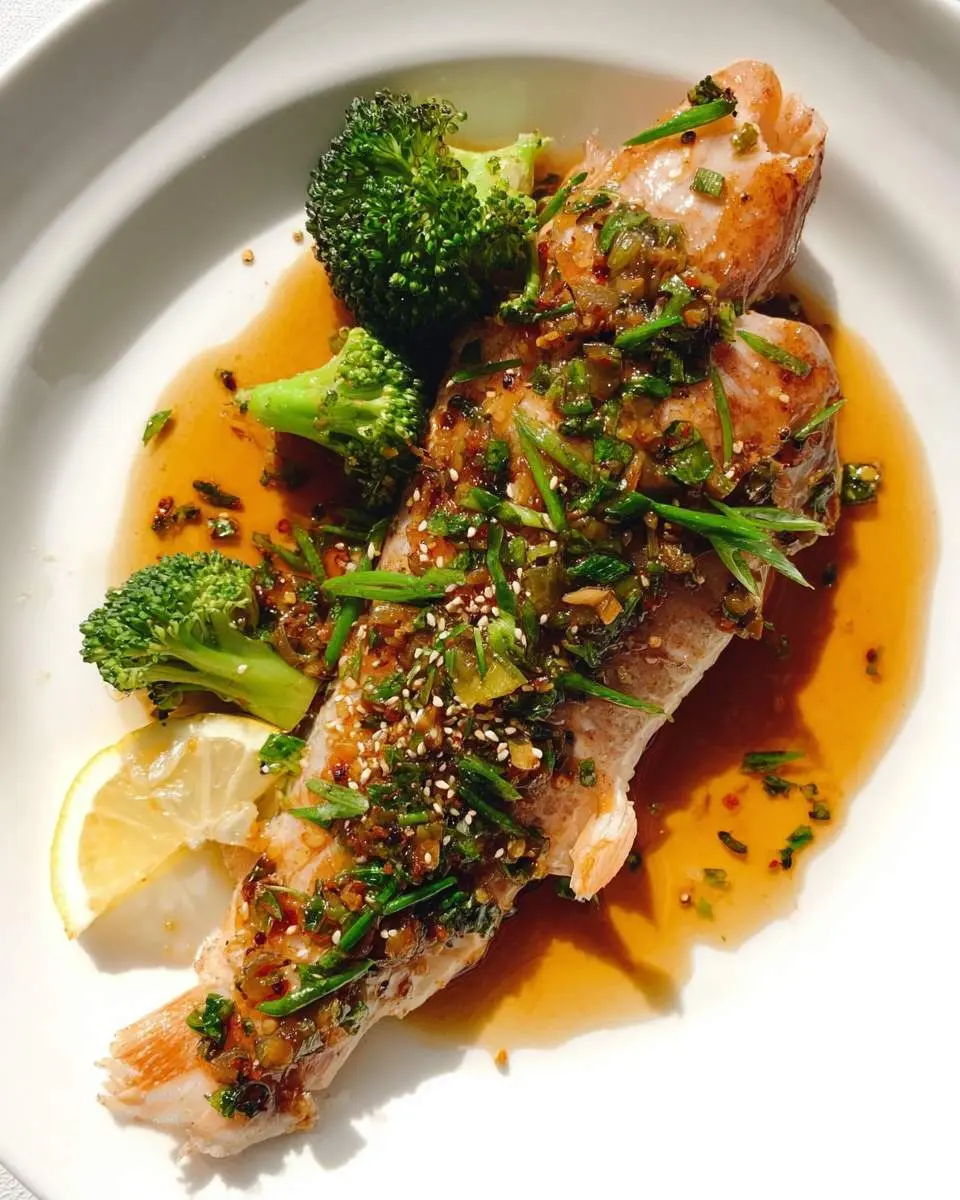
How to Make Baked Asian Rockfish
I start by patting the rockfish completely dry with paper towels. This step feels tedious but skipping it means steamed, sad fish instead of that slightly crisp, glazed exterior we’re after. The marinade comes together in a bowl while the oven preheats. I whisk soy sauce, grated ginger, minced garlic, a spoonful of honey, and a splash of rice vinegar until it looks glossy and smells like a Chinatown kitchen.
The fish goes into a shallow baking dish, and I pour about half the marinade over it, saving the rest for basting. Into a 400-degree oven it goes, and here’s where you need to pay attention. Around the 12-minute mark, your kitchen will start smelling incredible. that’s your cue to pull it out and spoon the reserved glaze over the top. Back in for another 8-10 minutes, and you’ll see the edges start to caramelize and turn sticky. That’s the moment. The fish should flake easily with a fork but still look moist. I learned a lot about timing and glaze techniques from making miso glazed salmon. that recipe taught me patience pays off.
What I Learned After Making This Four Times
My first attempt was overdone because I trusted the timer instead of my eyes. Rockfish cooks fast, and every fillet is slightly different. Now I start checking at 18 minutes total, no matter what the recipe says.
Room temperature fish matters more than I thought. Cold fillets straight from the fridge take longer to cook through, which means the glaze can burn before the center is done. I set mine on the counter for 20 minutes while I prep everything else.
My Secret Trick: I broil the fish for exactly 90 seconds at the very end. This creates these little blistered, almost charred spots on the glaze that taste like the best part of teriyaki. Watch it like a hawk though. 30 seconds too long and you’ll have smoke.
For baked Asian rockfish specifically, I learned that scoring the skin lightly in a crosshatch pattern helps the glaze penetrate deeper and creates more of those crispy edges everyone fights over.
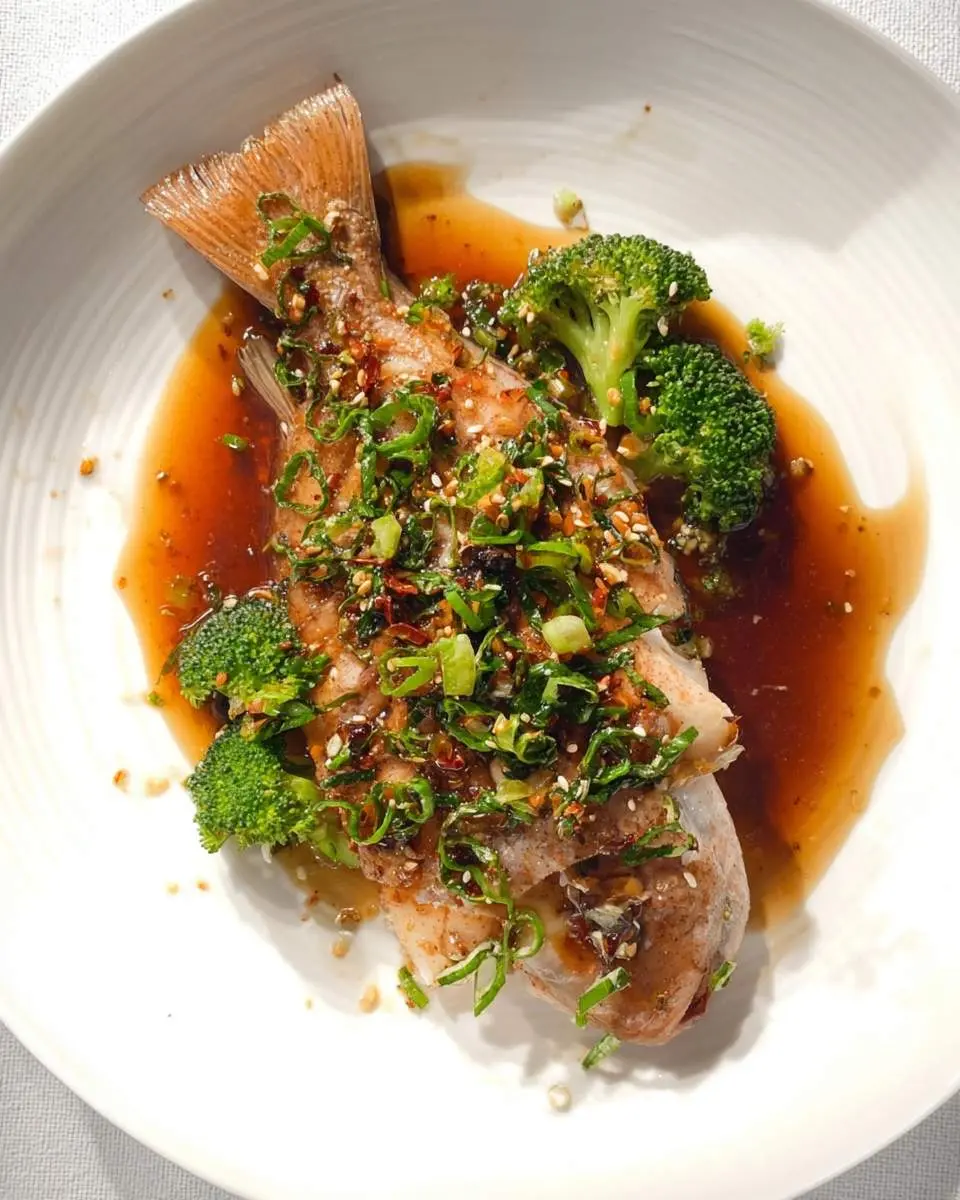
How to Store Baked Asian Rockfish
- Refrigerate leftovers in an airtight container within 2 hours of cooking
- Store for up to 2 days maximum. the glaze gets sticky and the texture suffers after that
- Keep at 40 degrees F or below in the coldest part of your fridge
- Freeze only if absolutely necessary: wrap tightly in plastic then foil, up to 1 month
- Reheat in a 300-degree oven covered loosely with foil for 10-12 minutes
- Never microwave. it turns the glaze gummy and the fish rubbery
Why This Recipe Works for Busy Weeknights
Rockfish is a lean, mild white fish that takes on flavor without fighting back, which makes it perfect for bold marinades. The ginger and garlic in this dish aren’t just for taste. they bring actual compounds that support digestion and reduce inflammation. One fillet of baked Asian rockfish delivers about 20 grams of protein with barely any saturated fat, and the minimal oil keeps calories reasonable without sacrificing satisfaction. I feel good feeding this to my family, and they feel good eating it.
FAQs
Can I use frozen rockfish for this recipe?
Yes, but thaw it completely first and pat it extremely dry. Frozen fish releases more water during cooking, which dilutes the glaze and prevents proper caramelization. I thaw mine overnight in the fridge, then let it sit on paper towels for 30 minutes before marinating.
What can I substitute for rockfish?
Cod, halibut, or sea bass work beautifully with the same timing and technique. Avoid oily fish like mackerel or salmon. they compete with the ginger-soy flavors instead of complementing them. The marinade actually works on chicken thighs too if you’re feeding someone who won’t eat fish.
Why did my glaze burn in the oven?
The honey in the marinade caramelizes quickly at high heat. If your oven runs hot or your fillets are thin, start checking at 15 minutes total. You can also tent loosely with foil for the first half of cooking, then remove it to let the glaze set and darken.
Is this recipe spicy?
Not as written, but you can add heat easily. I sometimes stir a teaspoon of sriracha or a pinch of red pepper flakes into the marinade. My kids prefer it mild, so I add chili oil at the table for the adults. Baked Asian rockfish adapts well to whatever heat level your family enjoys.
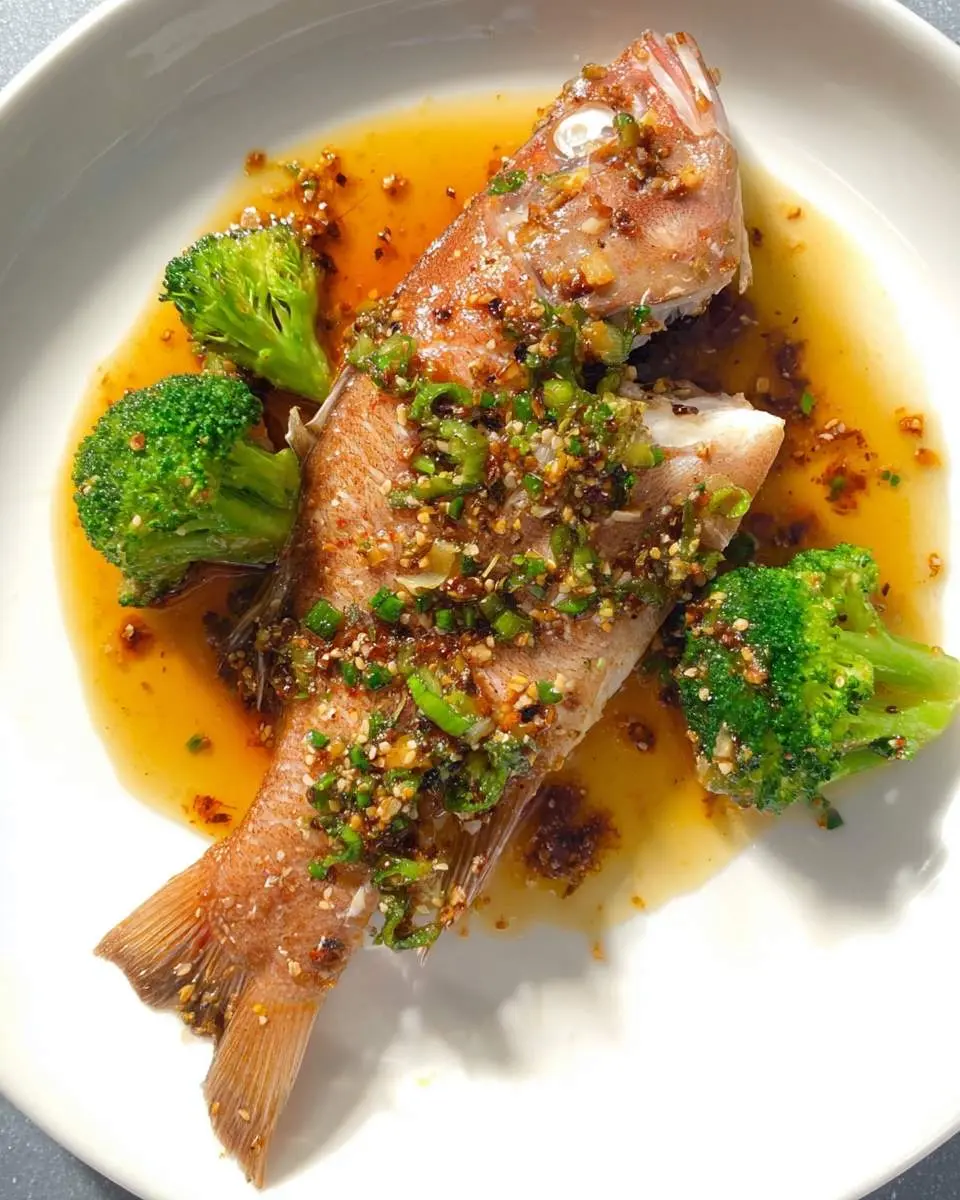
Baked Asian Rockfish
Ingredients
Equipment
Method
Notes
Conclusion
This is the kind of recipe that makes me feel like a better cook than I actually am. The ingredients are humble, the technique is forgiving, and the result always feels special. If you’re looking to branch out from your usual salmon routine, grilled red snapper with salsa verde was my gateway into exploring more whole fish recipes. Give this baked Asian rockfish a try this week. I think you’ll surprise yourself.
Follow us on Social Media : Pinterest