
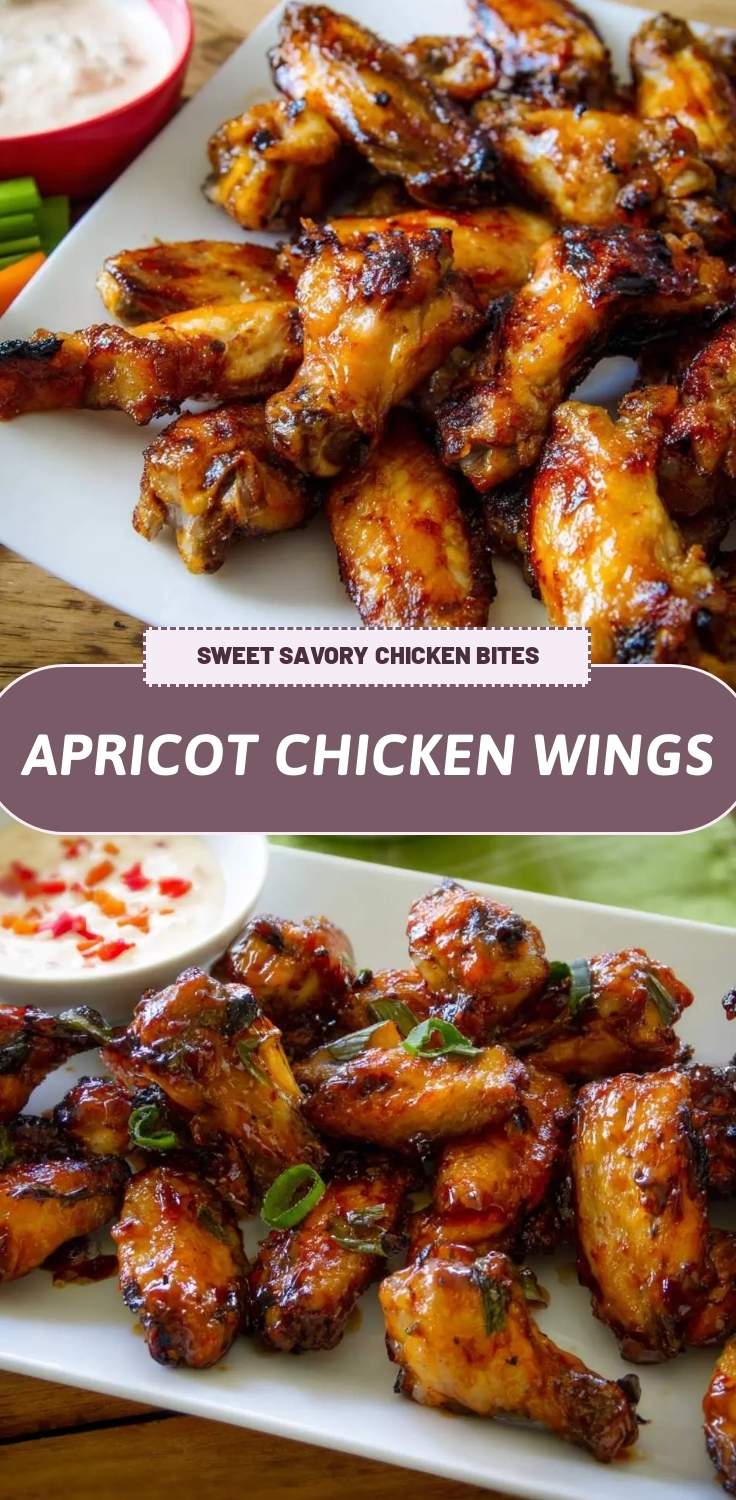
The first time I pulled a batch of these from my air fryer, the smell stopped my husband mid-conversation. That sticky-sweet glaze caramelizing on crispy skin, the faint tang of vinegar cutting through the fruit. I knew immediately this would become a permanent fixture in my recipe rotation. I am talking about apricot chicken wings, and I need you to understand they are nothing like the sad, soggy takeout versions you might be picturing.
My grandmother kept a jar of apricot preserves in her pantry that she swore by for everything from thumbprint cookies to pork roasts. I never quite got the hype until I started experimenting with chicken wings last fall. Now I keep three jars on hand at all times, just in case the craving hits.
This recipe came together after I ruined a batch of overly complicated Asian-fusion wings and needed something simpler, something honest. If you are new to fruit-based glazes, my apricot chicken post walks through the basics of balancing sweet and savory.
Why Apricot Preserves and Soy Sauce Belong Together
The magic here happens in the contrast. Apricot preserves bring a concentrated stone-fruit sweetness that does not read as dessert-y, especially when you spike it with soy sauce and rice vinegar. I use low-sodium soy so the salt does not bully the fruit. Fresh ginger is non-negotiable for me. it wakes everything up. The wings themselves need to be thoroughly dried before they hit the air fryer basket; moisture is the enemy of that shattering crisp skin we are after. For another example of how mushrooms can transform poultry, see my chicken and morel mushroom combination.

How to Make Apricot Chicken Wings
I start by patting the wings aggressively with paper towels. this step feels tedious but trust me, it is the difference between crisp and chewy. The air fryer preheats while I whisk together the glaze, which takes all of ninety seconds. The wings go in naked first, no sauce yet, because we need to render that fat and build a foundation. At the halfway mark, when the skin is just starting to blister and the kitchen smells like roasting chicken, I pull them out and toss them in the apricot mixture. Back they go, and now you watch. The glaze bubbles and darkens at the edges, turning lacquered and sticky. The sound changes from a gentle whir to a more insistent sizzle. That is when you know. For a different glaze approach, my teriyaki chicken wings use a similar two-stage cooking method.
What I Learned After Burning the First Batch
Patience with the glaze is everything. Apricot preserves have a high sugar content, and sugar burns fast. I learned to lower the temperature slightly for the final glazing phase and to shake the basket every few minutes so no single wing gets too much direct heat.
The second mistake I made was using preserves with large fruit chunks. They never fully break down and leave awkward pockets of jam on the finished wings. I now seek out smooth, seedless apricot preserves specifically.
Third discovery: these actually taste better after a ten-minute rest. The glaze sets, the skin stays crisp, and you do not burn your mouth. Worth the wait.
My Secret Trick: I add a teaspoon of white miso to the glaze. It deepens the savory backbone without making the wings taste fermented or funky. just more complex, more memorable.

How to Store Apricot Chicken Wings
- Refrigerate in an airtight container for up to 3 days. the glaze will soften the skin slightly but the flavor holds beautifully
- Freeze cooked wings in a single layer on a baking sheet first, then transfer to a freezer bag for up to 2 months. prevents them from freezing into a solid block
- Reheat from frozen at 375°F in the air fryer for 8-10 minutes, shaking halfway through. the glaze reactivates and gets sticky again
- Avoid microwave reheating if you value crispy skin at all
Why This Recipe Works for Weeknight Reality
Each serving of apricot chicken wings delivers a solid protein punch without the heavy breading of traditional fried wings. The apricot itself contributes vitamin A and a modest amount of fiber, while the air fryer method keeps added fat minimal. I appreciate that I can serve these to guests who are avoiding gluten without announcing it as a special diet dish. they just taste like something I spent more time on than I actually did.
FAQs
Can I use fresh apricots instead of preserves?
Fresh apricots will not work here. they contain too much water and not enough concentrated sugar. The preserves have been cooked down and stabilized, which is what allows the glaze to thicken and cling. If you must substitute, look for apricot jam or even peach preserves in a pinch, but expect a slightly different texture.
Why are my wings not getting crispy?
Almost always, moisture is the culprit. I cannot stress enough how important it is to dry the wings thoroughly with paper towels before cooking. Also, do not overcrowd the basket. air needs to circulate around each wing. If you stack them, they steam each other instead of crisping.
Can I make these in a conventional oven?
Yes, though you will sacrifice some of that shattering crispness. Bake on a wire rack set over a baking sheet at 425°F for 35-40 minutes, flipping once. Apply the glaze in the final 10 minutes and watch carefully to prevent burning. The texture will be more roasted than fried.
How spicy are these wings?
As written, they are not spicy at all. the heat level is family-friendly. I sometimes add a pinch of red pepper flakes to the glaze for myself, but the base recipe leans sweet-savory. If you want real fire, toss the finished wings with your favorite hot sauce or add sriracha directly to the apricot mixture.

Apricot Chicken Wings
Ingredients
Equipment
Method
Notes
Conclusion
I hope you give these apricot chicken wings a chance to surprise you the way they surprised me. Simple ingredients, honest technique, and a result that feels special without being fussy. If you are craving something with more smoke and char, my BBQ chicken wings might be your next project.
Follow us on Social Media : Pinterest