
The first time I scraped the bottom of my food processor and tasted that silky, pale green spread, I actually laughed out loud. It was July, my counter was buried under a mountain of garden zucchini, and I had just discovered zucchini hummus by pure desperation. No chickpeas in the pantry, three hungry kids circling like sharks, and somehow this impromptu swap became the dip I now crave more than the original.
My grandmother would have been horrified. She made her hummus the same way for sixty years, soaking dried chickpeas overnight, hand-peeling each one while watching her soap operas. I still remember the sound of her ceramic bowl against the counter, the rhythm of her wooden spoon. When I called to tell her about my zucchini version, she went silent for a long moment, then asked if I was eating enough protein. But she also asked for the recipe.
What I love most is how this dish solves two problems at once. It transforms the zucchini glut every gardener faces into something genuinely exciting. If you are also drowning in summer squash, I have been there too, and my vegetarian stuffed zucchini is another lifesaver from those desperate August days.
The Ingredients That Make This Zucchini Hummus Work
The raw zucchini is the quiet hero here, not just a filler. When blended with tahini, it becomes almost impossibly creamy without any heaviness. I use small to medium zucchini, the kind that still snap when you bend them, because the oversized ones carry too much water and can turn your hummus soupy. The tahini matters enormously. I have tried this with that separated, bitter jar from the back of my fridge, and with fresh, pourable tahini from the Middle Eastern market. The difference is the difference between something you politely nibble and something you eat with a spoon at midnight. A generous squeeze of lemon and a small clove of garlic raw, not roasted, give this version its bright, almost grassy punch. For another vegetable-forward appetizer that disappears fast, my bell pepper nachos have saved many of my summer gatherings.
How to Make Zucchini Hummus
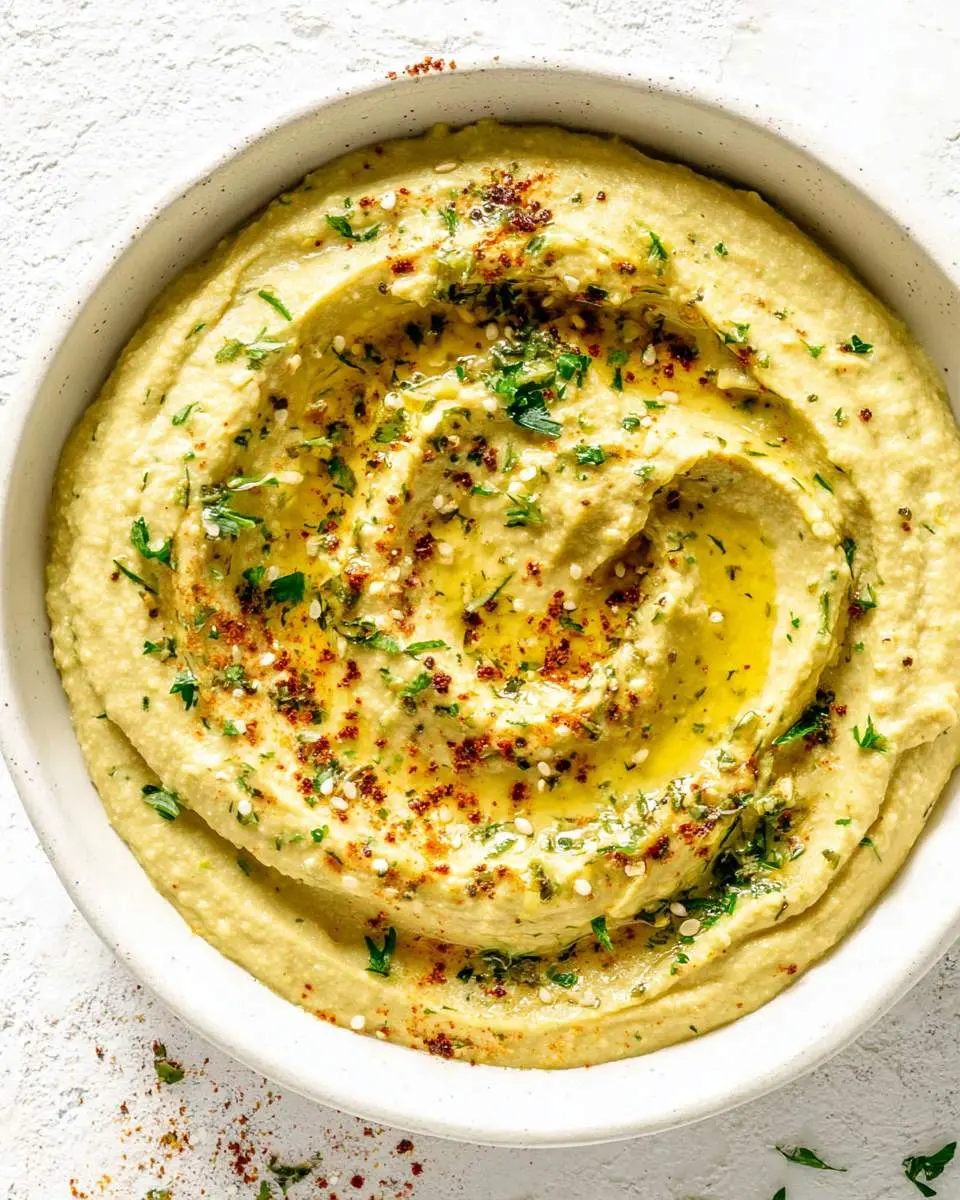
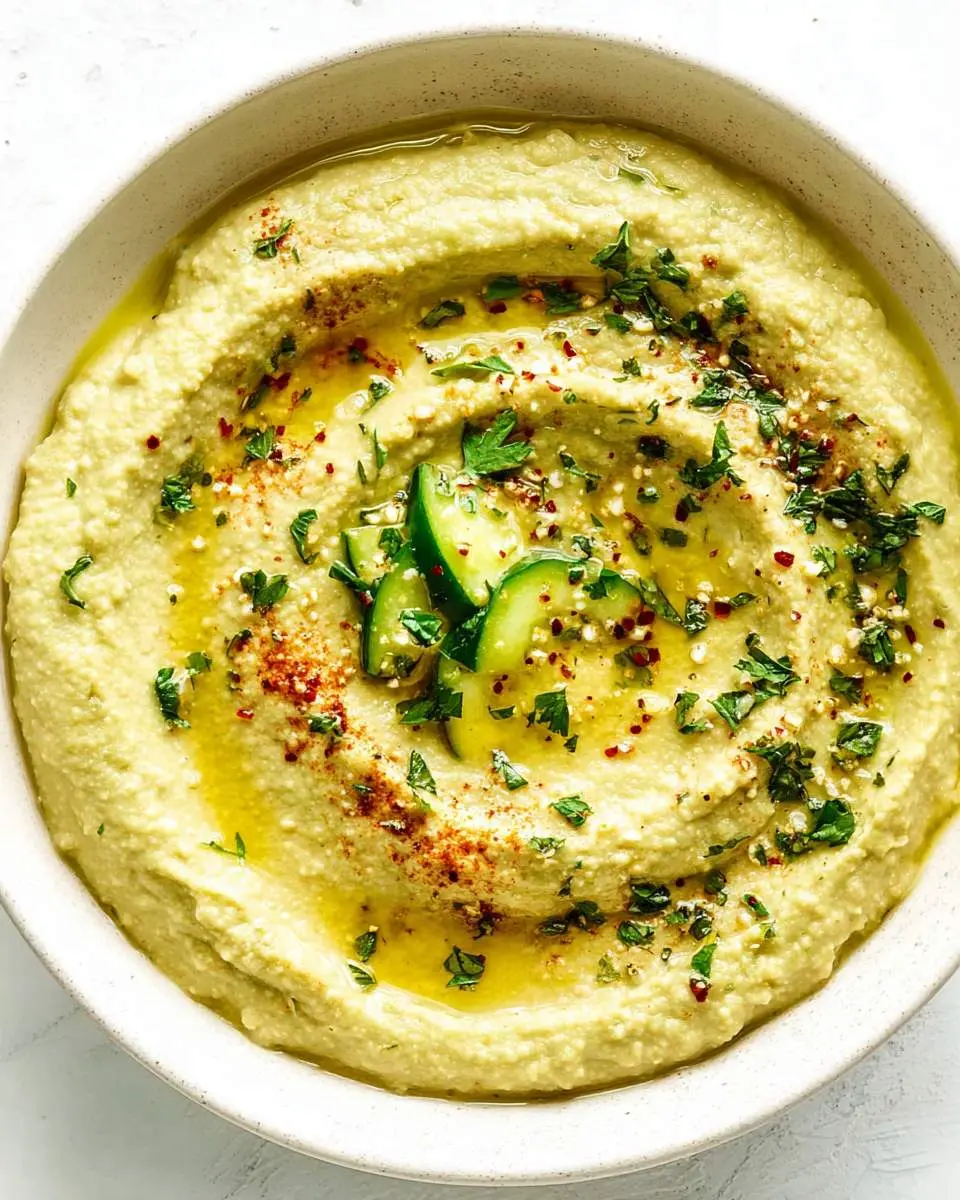
I start by grating the zucchini on the large holes of a box grater, then I squeeze it mercilessly. This is non-negotiable. I twist it in a clean kitchen towel until my hands ache, watching the pale green water stain the fabric. The drier the zucchini, the creamier your final texture. Into the food processor it goes with the tahini, lemon juice, garlic, and a slow drizzle of olive oil while the machine runs. The sound changes from chunky to smooth, a low hum that tells you magic is happening. I stop and scrape twice, minimum, because the tahini loves to hide in the corners. Taste at this stage. It will seem too sharp, too garlicky, too something. It needs thirty minutes in the refrigerator for the flavors to marry and mellow into that addictive balance. The color is beautiful, pale sage green, nothing like the beige hummus we all grew up with. If you want another way to celebrate summer squash, my zucchini fritters are what I make when I want something crispy and warm instead.
What I Learned After Making This Five Times in One Week
My first batch was a watery disaster because I trusted the zucchini too much. Now I squeeze until the towel feels almost dry, then I squeeze again. The texture reward is worth the forearm workout. I also learned that room temperature tahini blends more smoothly than cold. I set my jar on the counter while I prep everything else, and the difference in silkiness is immediately obvious.
Garlic intensity varies wildly. That first clove from a fresh head can be nuclear, while the last cloves are mild. I always start with half a clove, blend, taste, and add more if my eyes are not watering slightly. This is personal preference territory, but err on the side of caution.
Salt needs time to dissolve and distribute. What tastes perfectly seasoned immediately will taste under-seasoned after chilling. I add a pinch more than I think I need, then adjust the next morning if I am eating leftovers.
My Secret Trick: I save a few tablespoons of the zucchini water I squeezed out, and if my hummus thickens too much in the refrigerator, I stir in a teaspoon at a time until it loosens back to that perfect dippable consistency. This liquid has subtle flavor and body that plain water or oil cannot replicate.
How to Store Zucchini Hummus
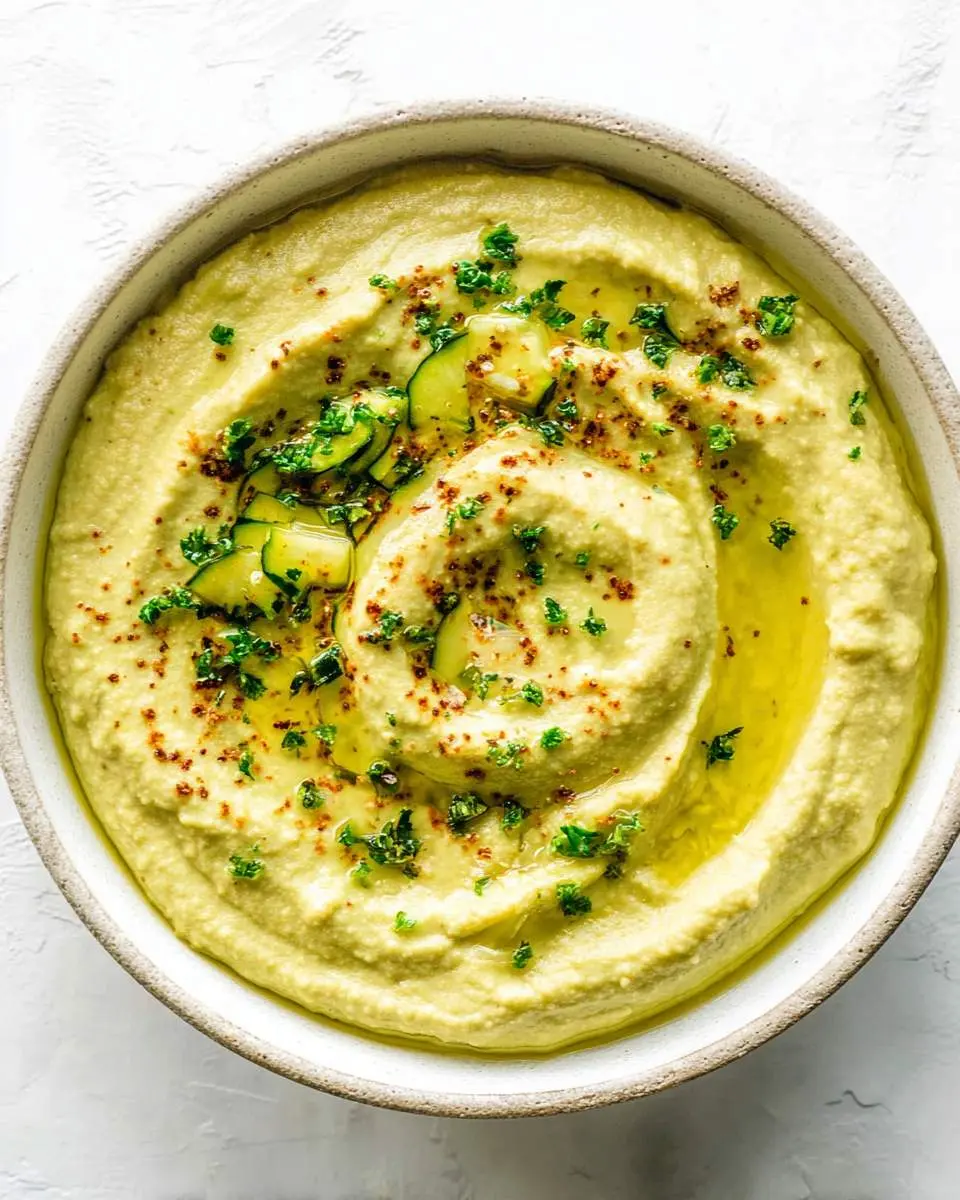
- Refrigerate in an airtight glass container for up to 4 days. The surface may darken slightly; stir before serving.
- Press plastic wrap directly onto the surface before sealing the lid to minimize oxidation and keep the color fresher.
- Freezing is not recommended. The high water content in zucchini causes separation and grainy texture upon thawing.
- Bring to room temperature for 20 minutes before serving for the best flavor and spreadability.
Why This Zucchini Hummus Fits My Lighter Eating Days
One cup of this spread contains roughly half the calories of traditional chickpea hummus, which matters to me on days when I want to eat an embarrassing amount of dip. The zucchini contributes meaningful hydration and a gentle dose of potassium, while the tahini brings calcium and that satisfying richness that keeps me full. I am not counting macros or following a plan, but I notice how I feel after eating this versus heavier snacks. Lighter, more energized, still completely satisfied. That is enough data for me.
FAQs
Can I roast the zucchini instead of using it raw?
Roasting changes the character completely. The flavor becomes sweeter and deeper, more like baba ganoush than hummus. I have tried it, and while delicious, it loses that fresh, bright quality I love. If you do roast, drain the cooked zucchini extremely well and expect a darker, richer spread.
Why did my hummus turn out watery?
Insufficient squeezing is almost always the culprit. Zucchini is 95 percent water, and your food processor cannot fix what your towel should have removed. Squeeze until you think you are done, then squeeze once more. The towel should feel damp, not soaked.
Can I make this without tahini?
You can substitute sunflower seed butter for allergy reasons, but the flavor profile shifts significantly. The earthy, slightly bitter complexity of tahini is part of what makes this recipe satisfying. Without it, you have a nice zucchini spread, but not quite the same experience.
How long does zucchini hummus last compared to regular hummus?
Because it lacks the preservative qualities of cooked chickpeas, this version is more delicate. I trust it for four days maximum in the refrigerator, where traditional hummus might stretch to a week. The raw zucchini continues to release moisture, so stir before each use.
Zucchini Hummus
Ingredients
Equipment
Method
Notes
Conclusion
This zucchini hummus has earned its place in my permanent rotation, not as a chickpea replacement, but as its own distinct pleasure. It is what I make when my garden overwhelms me and when I want something that feels indulgent without weighing me down. For another simple skillet solution to summer squash abundance, my sauteed zucchini mushrooms and onions comes together in ten minutes and pairs beautifully with almost any protein.
Follow us on Social Media : Pinterest