
The first time I tasted ube, I was standing in a tiny bakery in Los Angeles, watching a woman behind the counter scoop vivid purple frosting onto a sponge cake. I had no idea what I was in for. That nutty, vanilla-meets-coconut flavor haunted me for weeks, and when I finally brought ube halaya home, I found myself spooning it straight from the jar at midnight. Ube champorado was inevitable after that. my Filipino breakfast obsession colliding with my new purple yam addiction.
My grandmother made traditional champorado with tablea and evaporated milk, the kind that stains your spoon dark brown and leaves you craving salty dried fish on the side. I never told her about my ube experiments while she was alive. Some part of me worried she’d think I was messing with something sacred. But the morning I finally got this recipe right, I swear I could smell her cocoa in the steam rising from my pot, and I knew she’d understand. Some flavors are meant to evolve.
This is not a quick weekday breakfast, and I won’t pretend it is. It demands your attention at the stove, your patience as the rice slowly surrenders its starch. What you get is worth every stir: a bowl so creamy and vividly colored it feels like dessert disguised as comfort food. If you need something faster for your chocolate cravings, my Oreo stuffed brownies come together in half the time.
The Ingredients That Make Purple Rice Porridge Possible
Glutinous rice is non-negotiable here. regular rice will never give you that spoon-coating, almost pudding-like texture that defines real champorado. I use Japanese sweet rice, which I find more reliably sticky than the Thai varieties at my local market. The ube halaya is where your flavor lives; homemade is transcendent if you have the time, but the jarred kind from Filipino grocery stores works beautifully if you choose one with actual ube in the ingredients, not just purple food coloring. Coconut milk brings everything together, adding a subtle richness that makes evaporated milk taste thin by comparison. For another ube-forward treat, try my dessert nachos when you want something playful.
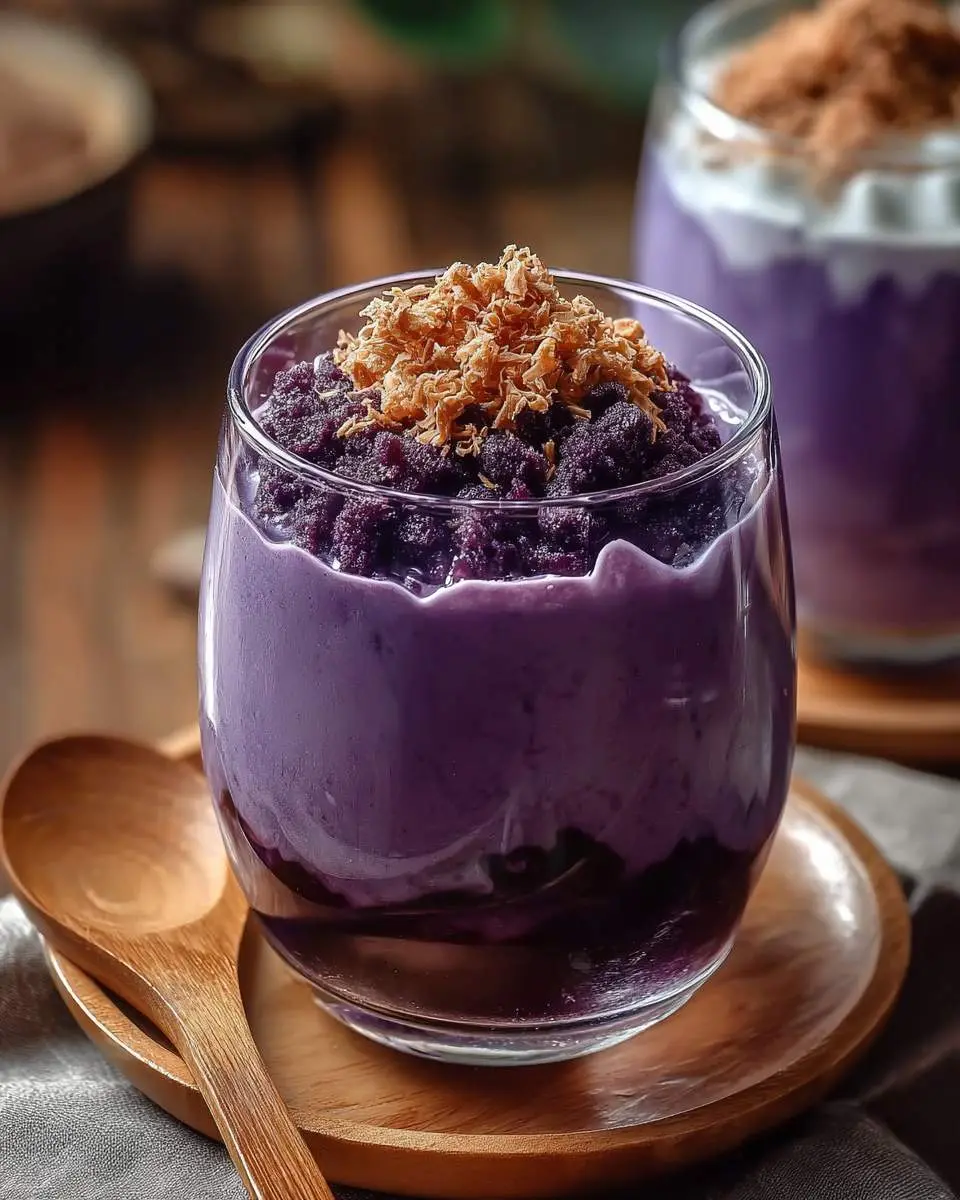
How to Make Ube champorado
I start by rinsing my glutinous rice until the water runs almost clear, then I let it soak while I gather everything else. The rice goes into cold water first, not hot. this is crucial for even cooking. and I bring it up slowly, watching as the grains begin to cloud the liquid with their starch. Around the twenty-minute mark, the transformation starts: what was watery becomes silky, and the wooden spoon begins to leave trails that don’t immediately disappear. That’s when I stir in the ube halaya, and the color blooms instantly, turning the pot a shade of lavender that deepens to royal purple as it cooks down. The coconut milk goes in last, off the heat, because boiling it will make the fats separate and leave you with an oily sheen instead of that integrated creaminess. The smell at this stage is intoxicating. toasted coconut, sweet earthiness, something almost floral that I can’t quite name. If you are as ube-obsessed as I’ve become, my ube brownies use the same flavor in a completely different texture.
What I Learned After Three Attempts at the Perfect Texture
My first batch was soup. I had trusted the timing in a traditional champorado recipe, not accounting for how the ube halaya thins the mixture. Now I cook until the spoon stands up slightly when I plunge it in. think loose oatmeal, not soup. The second failure was grainy ube; I learned to whisk the halaya with a splash of warm coconut milk before adding it to the pot, creating a smooth slurry that incorporates without clumping. Temperature control matters more than I expected. A hard boil will explode sticky rice against your stove and create scorched spots that taste bitter no matter how much you stir. My Secret Trick: I save a quarter cup of the starchy cooking liquid before adding the ube, then use it to thin the porridge at the end if needed. this preserves the intensity of flavor that water would dilute.
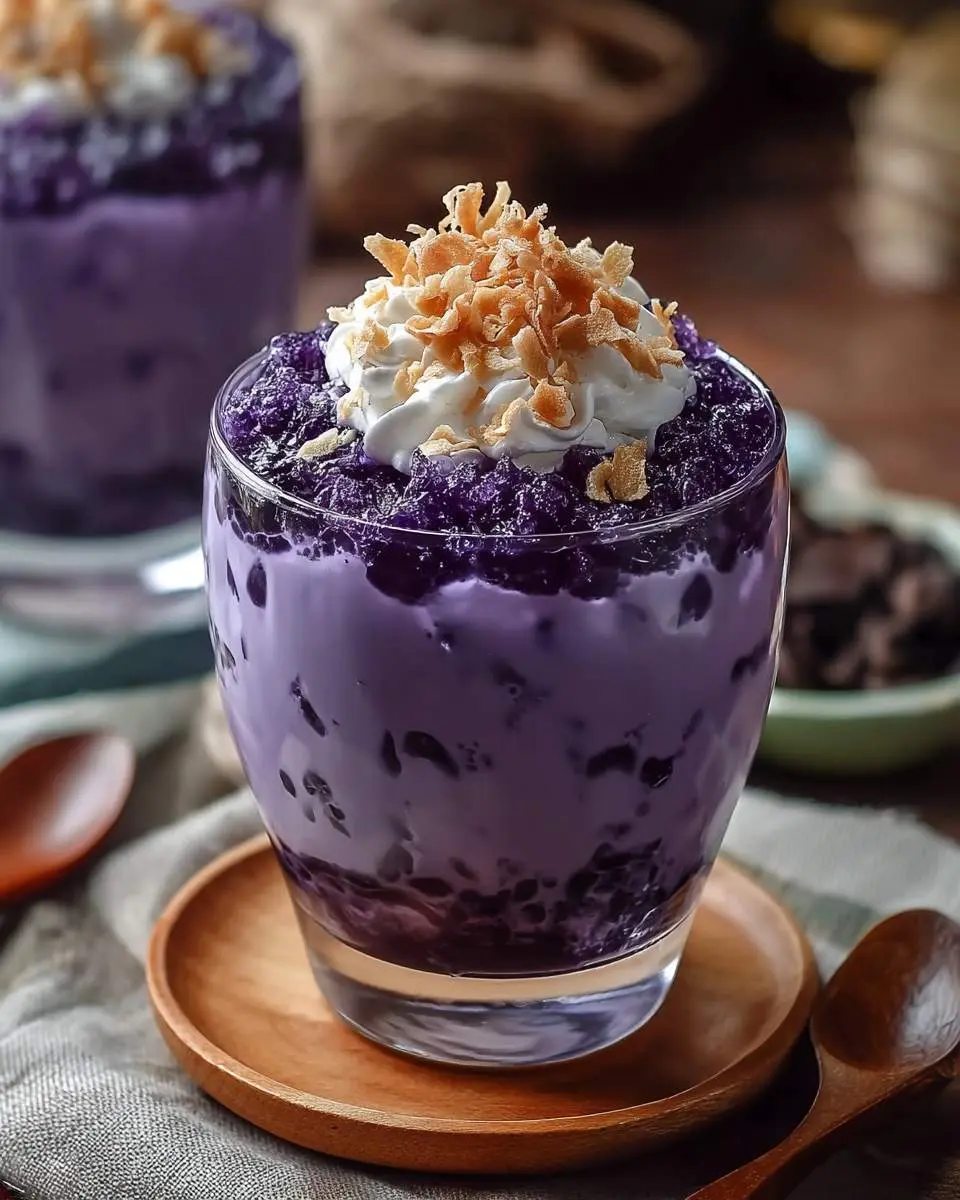
How to Store Ube champorado
- Refrigerate in an airtight container for up to 3 days; the porridge will thicken considerably as it cools
- Freeze in individual portions for up to 1 month; thaw overnight in the refrigerator before reheating
- Reheat gently on the stovetop over medium-low heat, adding 2-3 tablespoons of coconut milk or water per cup of porridge to restore creaminess
- Microwave reheating works in 30-second bursts with stirring between; expect some separation that smooths out with vigorous stirring
- Do not store at room temperature for more than 2 hours due to the coconut milk content
Why This Purple Breakfast Actually Sustains Me
Glutinous rice gets a bad reputation as empty calories, but it provides slow-releasing energy that carries me through heavy writing mornings better than any pastry ever has. The ube itself brings anthocyanins. those same purple pigments in blueberries. along with a decent dose of potassium and fiber that you would never guess from something this dessert-like. Coconut milk adds lauric acid, which my body seems to process as sustained fuel rather than the crash-and-burn of refined sugar. Ube champorado is indulgence with genuine staying power, the rare sweet breakfast that does not leave me hungry by ten.
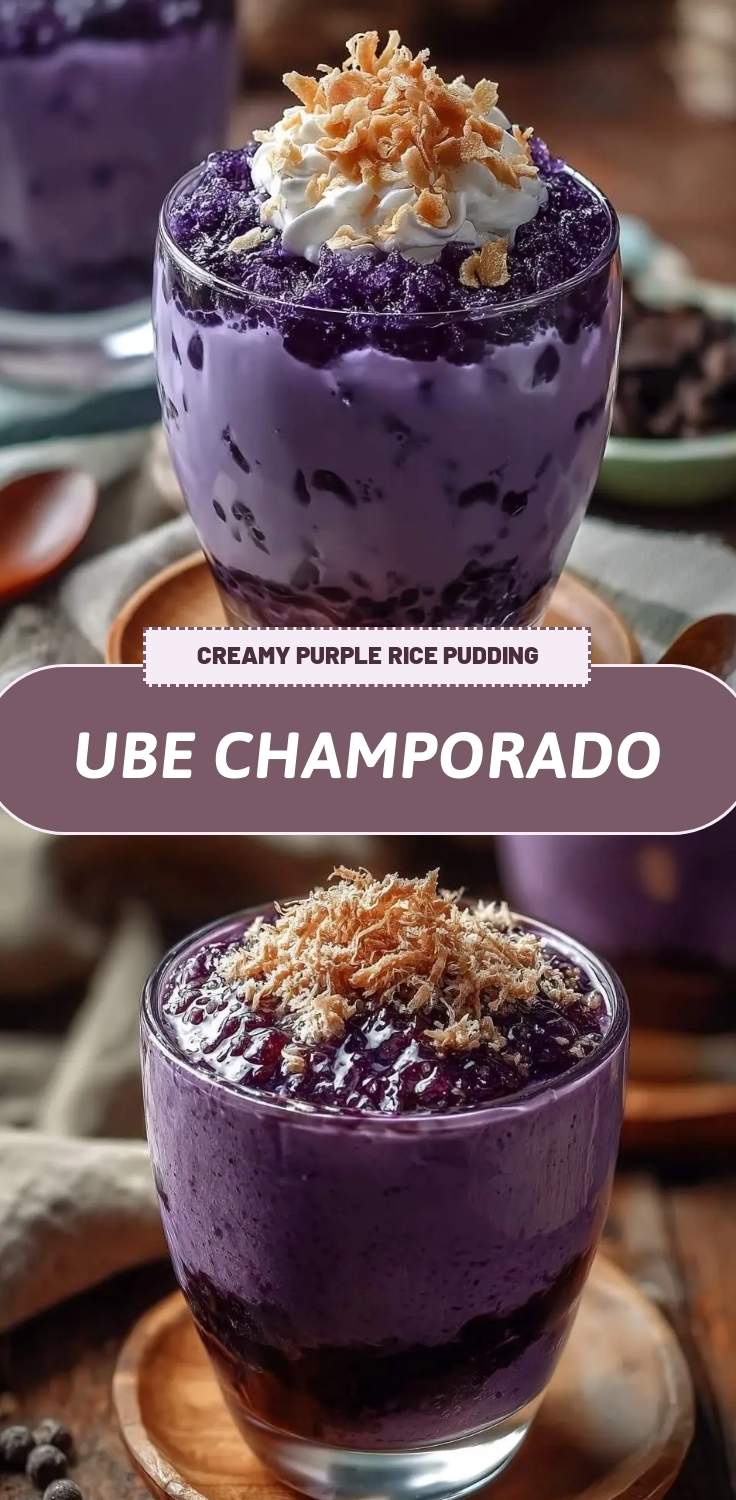
FAQs
Can I use regular rice instead of glutinous rice?
No, and I learned this the hard way. Regular rice lacks the amylopectin starch that creates champorado’s characteristic sticky, creamy texture. You will end up with purple rice soup that never thickens properly. If you cannot find glutinous rice labeled as such, look for sweet rice or mochigome. same grain, different names depending on the brand.
Where do I find ube halaya if I do not live near a Filipino grocery?
Online retailers carry several reputable brands, though shipping costs can sting. Some Asian grocery stores stock it in the freezer section rather than shelves. I have also seen it appearing in mainstream supermarkets with robust international aisles, usually near the coconut milk and curry pastes. Call ahead and ask for purple yam jam or ube spread.
Why did my champorado turn out gray instead of purple?
This happened to me when I used ube extract instead of actual halaya. Artificial coloring breaks down with heat and acid, shifting toward muddy tones. Real ube halaya maintains its color because the pigments are bound in the actual yam fiber. Check your ingredient list. ube should appear before sugar and definitely before any color additives.
Is this served hot or cold?
Traditional champorado is eaten warm, and I prefer ube champorado that way too. the aromas bloom better, and the texture stays luxuriously spoonable. That said, I have eaten leftovers straight from the refrigerator on desperate afternoons, and it becomes almost like rice pudding. Try it both ways and decide for yourself.
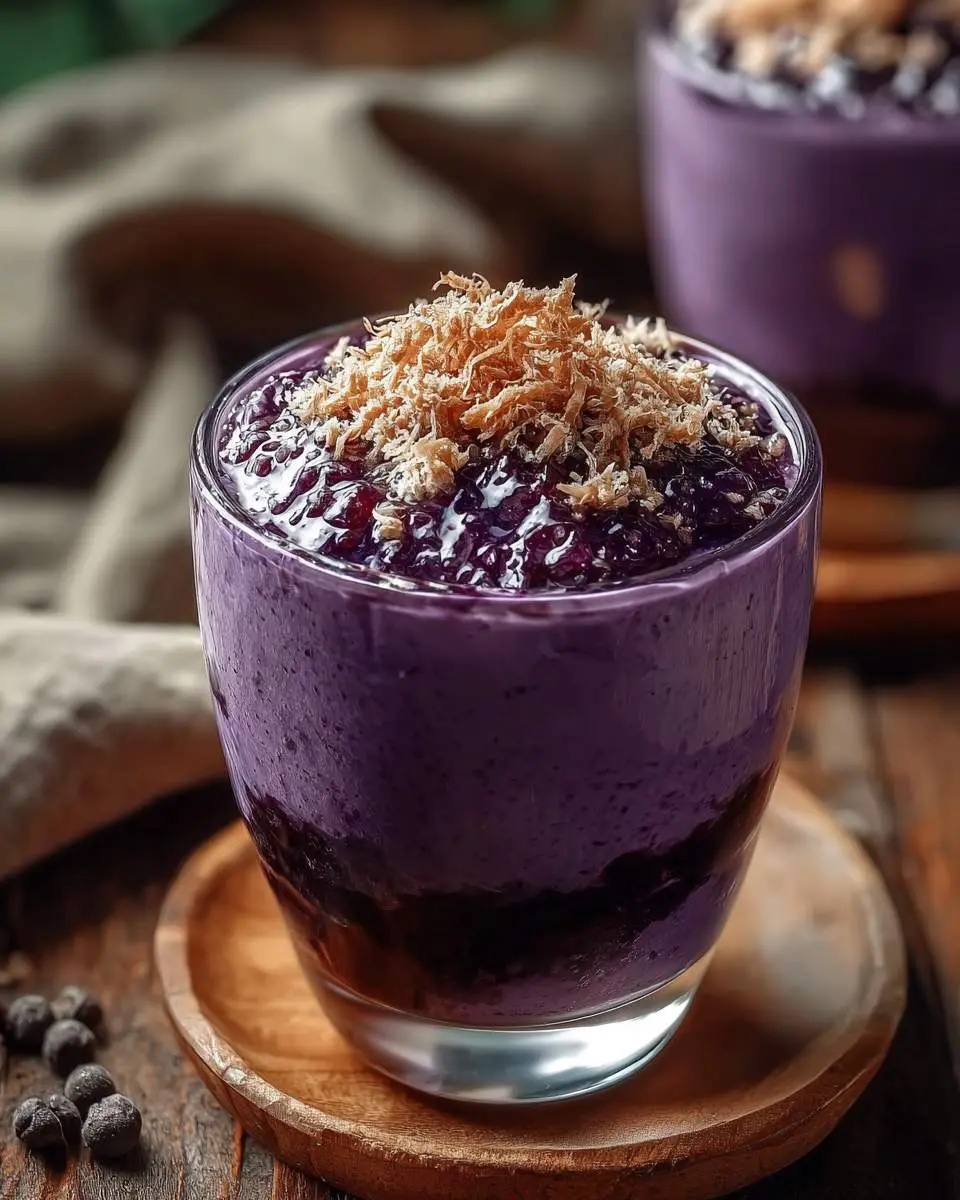
Ube Champorado
Ingredients
Equipment
Method
Notes
Conclusion
I make ube champorado now when I need to slow down, when the world feels too fast and I want to stand at a stove and stir something until it transforms. It connects me to flavors I am still learning, to a heritage I am honoring in my own way. If you try it, tell me what memories it stirs for you. For another Filipino dessert that rewards patience, my Filipino mango float layers familiar flavors in unexpected ways.
Follow us on Social Media : Pinterest