
The first time I made slow cooker carnitas, my kitchen filled with this smell that stopped my husband mid-step on his way to the garage. He just stood there, sniffing like a bloodhound, asking what on earth was happening in that crockpot. Eight hours of low heat had transformed a cheap pork shoulder into something that made our whole house feel like a tiny taqueria had opened in our suburban Ohio kitchen.
My abuela never owned a slow cooker. She did her carnitas in a massive copper pot, standing watch for hours while the pork bubbled in its own fat. I loved those Sundays, but I do not have her patience or her mornings free. When I discovered I could get ninety percent of that flavor while actually leaving my house to run errands, I felt like I had hacked some secret family code. The first bite took me straight back to her kitchen table, even though I had been at the grocery store three hours earlier.
This recipe has become my weekend ritual now. I throw everything together Saturday morning, and by dinner we have enough tender pork to feed us through Sunday tacos, Monday nachos, and Tuesday burrito bowls. If you are new to hands-off cooking, my slow cooker chicken cacciatore was my gateway recipe too.
The Pork Shoulder and Citrus That Make This Work
The boneless pork shoulder is non-negotiable here. I have tried leaner cuts, and they turn stringy and sad. You need that fat to slowly render and essentially braise the meat in its own juices. The orange is my quiet magic ingredient. I squeeze fresh juice over everything, then tuck the spent halves right into the pot. As those rinds soften over eight hours, they release oils that make the finished pork taste brighter, almost floral. Fresh oregano matters too. Dried works in a pinch, but the real leaves hold up to the long cook and leave these tiny green flecks throughout the meat that make every bite more interesting. My slow cooker chicken tikka masala taught me that slow heat can do remarkable things to aromatics.
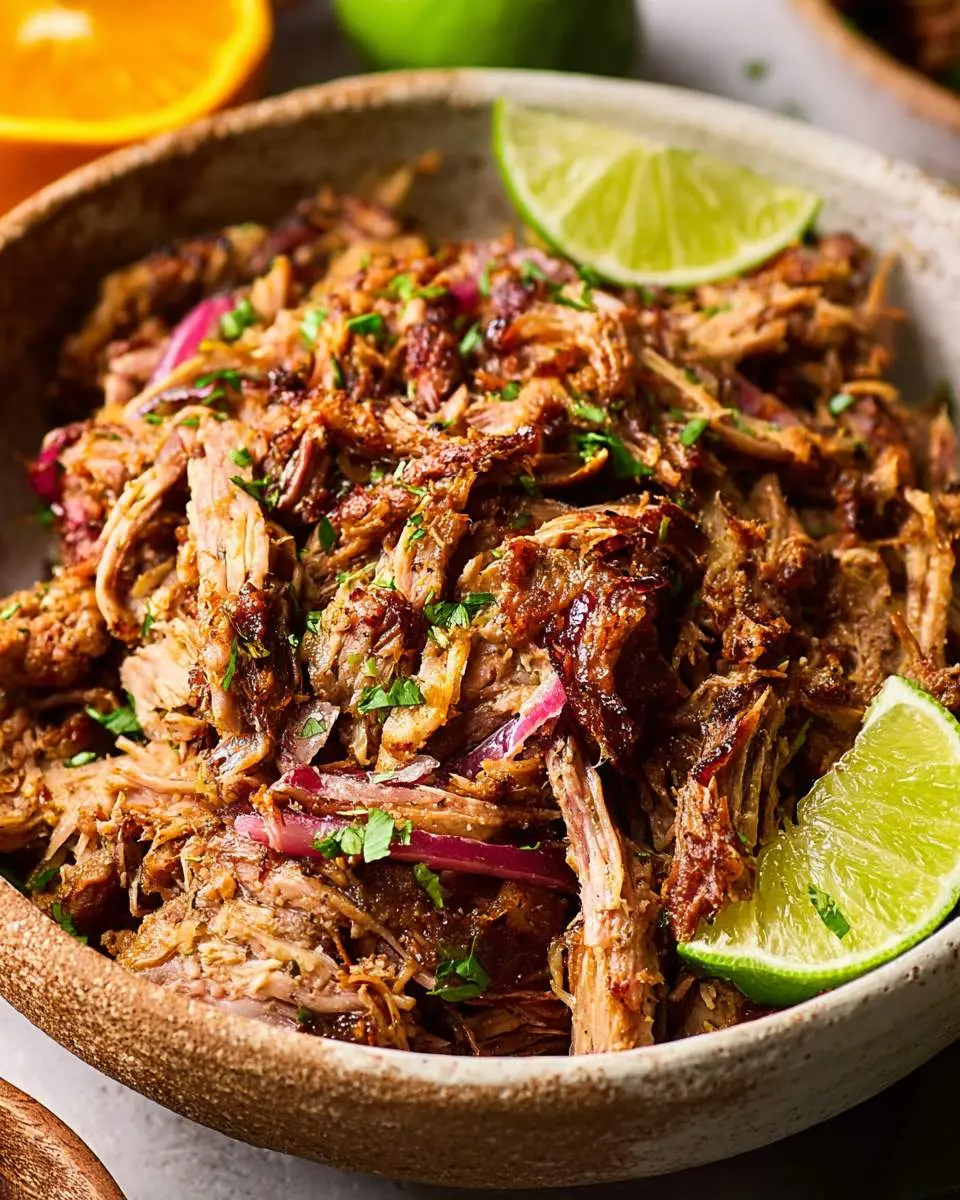
How to Make slow cooker carnitas
I start by rubbing the pork all over with a paste of garlic, cumin, and salt. The kitchen already smells good, and nothing has even hit the heat yet. I sear the shoulder in a screaming hot skillet for maybe four minutes per side. This step is optional, but I never skip it. That caramelized crust dissolves into the cooking liquid and deepens everything. Into the slow cooker it goes, fat side up, with the orange juice, those spent orange halves, onion chunks, and a bay leaf that I have been holding onto for six months specifically for this.
The first four hours, nothing much happens. The kitchen stays quiet. Around hour five, I start hearing gentle bubbling if I walk close enough. By hour seven, the smell has invaded every room. I lift the lid and the pork has sunk into itself, surrounded by this thin, fragrant broth that looks almost like weak tea. I shred it right there with two forks, and the meat falls apart with no resistance. The real decision comes next. I spread the shredded pork on a sheet pan and broil it for eight minutes. Those edges crisp and darken. The contrast between the crunchy bits and the tender center is what separates good carnitas from the ones you remember for years. My crockpot tacos al pastor use a similar broiler finish that I borrowed from this method.
What I Learned Making This Five Times in One Month
Do not skip the resting period after shredding. I know the broiler step feels like the finish line, but letting the pork sit in its juices for ten minutes allows the meat to reabsorb some of that cooking liquid. Your tacos stay moist instead of drying out by the third bite.
The cooking liquid is liquid gold. I strain it and keep it in a jar. Reheating leftover carnitas in a skillet with a splash of this broth brings them back to life in a way that microwave steam never could.
Cut your orange peels thick. I made the mistake of using a microplane once, thinking more surface area meant more flavor. The pith turned bitter over eight hours. Thick chunks of peel give you the oils without the harshness.
My Secret Trick: I save the rendered fat that rises to the top of my stored cooking liquid. A teaspoon of this pork fat in a hot skillet before reheating creates the most incredible crust on leftover carnitas. It is like frying them in their own concentrated essence.
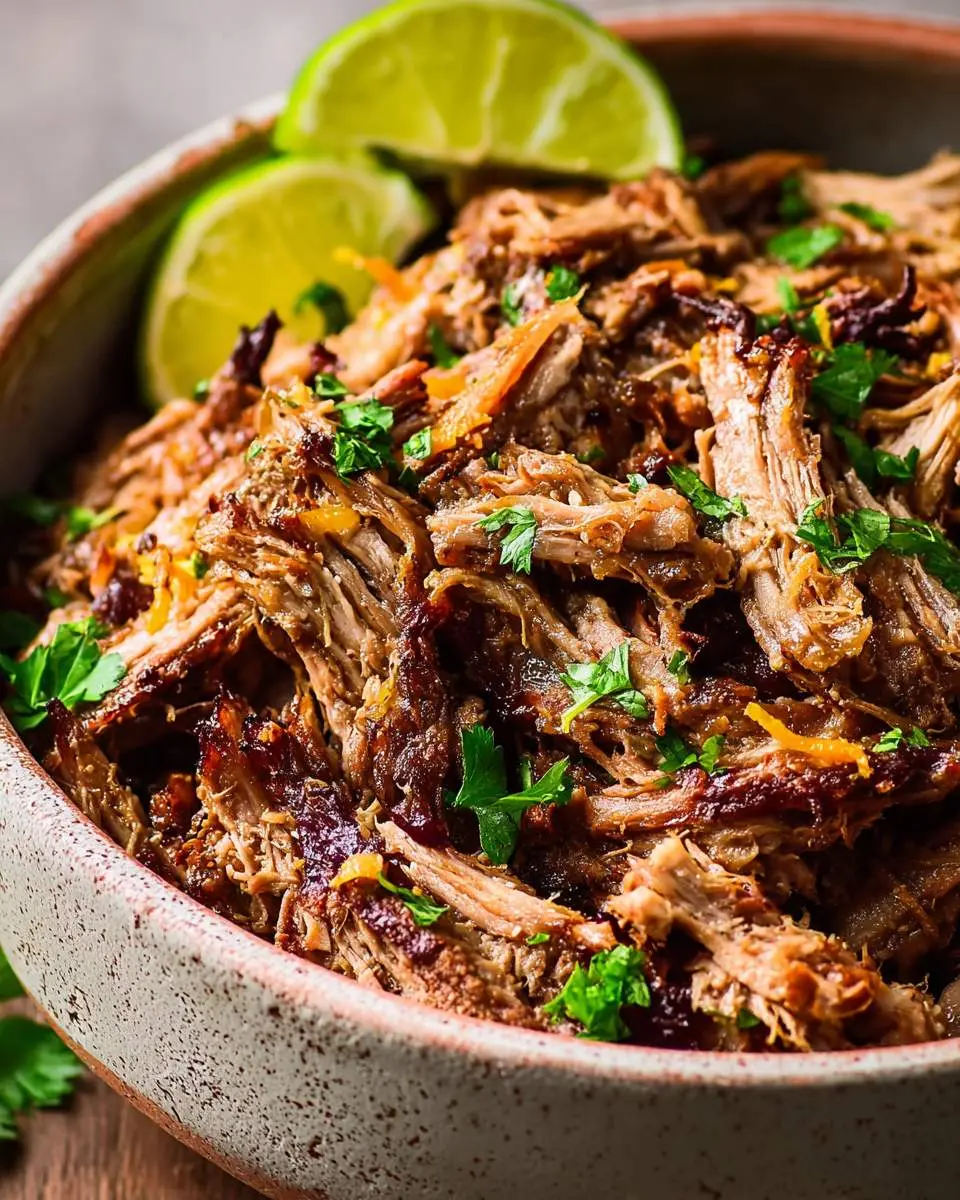
How to Store slow cooker carnitas
- Refrigerate in an airtight container with a few spoonfuls of cooking liquid poured over the top. Keeps for 4 days at 40°F or below.
- Freeze in portion-sized containers or heavy-duty freezer bags, pressed flat. Lasts 3 months frozen. Thaw overnight in refrigerator.
- Reheat in a hot skillet with reserved cooking liquid, not the microwave. Medium-high heat for 4-5 minutes creates the best texture.
- Store cooking liquid separately in a jar. The fat will solidify on top and protect the broth below for up to 1 week refrigerated.
Why This Recipe Works for Busy Weeks
Slow cooker carnitas delivers serious protein without demanding your attention. Pork shoulder is one of the most affordable cuts in the case, and the long cook breaks down collagen into gelatin, which supports joint health in a way that quick-cooked meats simply cannot. The orange provides actual vitamin C, which your body needs to absorb the iron in the pork. I am not calling this health food, but I am saying it feeds my family well without the premium price tag of pre-cooked options.
FAQs
Can I use pork loin instead of shoulder?
Pork loin will work, but I do not recommend it. The lack of fat means dry, stringy meat after eight hours. If shoulder is unavailable, pork butt is the same cut with a different name. Bone-in shoulder works beautifully too, just add an extra hour to the cook time.
Why are my carnitas not crispy?
The slow cooker alone cannot create crispness. You need that final broiler step. Spread the shredded meat in a single layer, do not crowd the pan, and watch closely. The line between perfect and burnt is about ninety seconds.
Can I make this overnight?
Yes, and I do this often. Start it before bed on low, wake up to a house that smells incredible. Shred and broil in the morning, then refrigerate for dinner. The flavors actually improve with a day of rest.
What should I do with leftover cooking liquid?
Strain it and use as a base for soup, rice, or beans. I freeze it in ice cube trays for quick flavor bombs. The solidified fat on top makes incredible refried beans or roasted vegetables.
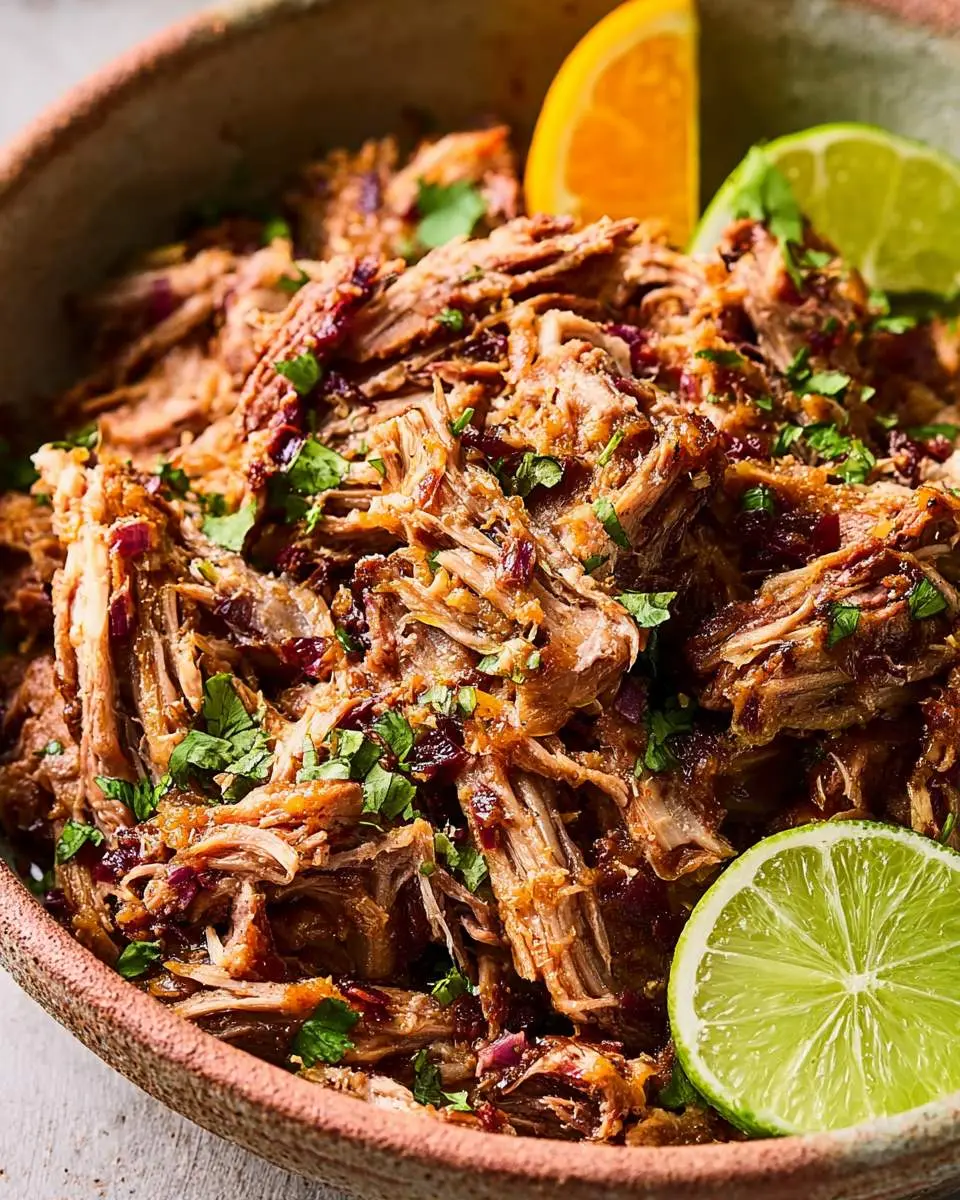
Slow Cooker Carnitas
Ingredients
Equipment
Method
Notes
Conclusion
I hope you make these slow cooker carnitas this weekend and find yourself standing over the pot, sneaking bites before dinner like I always do. Some recipes earn their place in your rotation through pure reliability. This one earned mine through flavor that transports me somewhere else entirely. For another hands-off Mexican classic, my slow cooker beef barbacoa uses the same set-it-and-forget-it method with equally stunning results.
Follow us on Social Media : Pinterest