
The first time I tasted real pina colada ice cream, I was standing on a humid sidewalk in San Juan, watching the sun disappear behind pastel buildings. That frozen spoonful hit me with something I still cannot fully describe. pineapple so bright it tasted like sunshine, coconut so creamy it felt like a secret. I came home obsessed with recreating that exact moment, and after months of testing, my Ninja Creami finally delivered something worthy of that memory.
My grandmother used to make pineapple upside-down cake for every summer birthday, but she never trusted ice cream machines. She would have been suspicious of the Creami, I think. all that noise and spinning. Yet I found myself talking to mine like a collaborator, begging it to transform my frozen block into something silky. When it finally worked, I sat on my kitchen floor at midnight, eating straight from the pint, and thought about how she would have laughed at me.
If you are new to frozen desserts in this machine, I recommend starting with something simpler like this cherry sorbet to learn the basics. But if you are ready for tropical vacation in a pint, keep reading.
The Ingredients That Make This Pina Colada Ice Cream Sing
Full-fat coconut milk is non-negotiable here. I tried light once and ended up with something icy and sad, like a snow cone that gave up. The fat carries the pineapple flavor and creates that luxurious mouthfeel you remember from beachside stands. I use frozen pineapple chunks rather than fresh because the freezing process breaks down cell walls, intensifying the sweetness and helping everything blend smoothly. A splash of rum extract provides that unmistakable cocktail note without the alcohol interfering with freezing; real rum works too, but you need less or your base stays soft. I also fold in toasted coconut flakes at the end for texture that crackles between bites. For another tropical direction, this carrot ice cream uses similar creamy techniques with unexpected results.
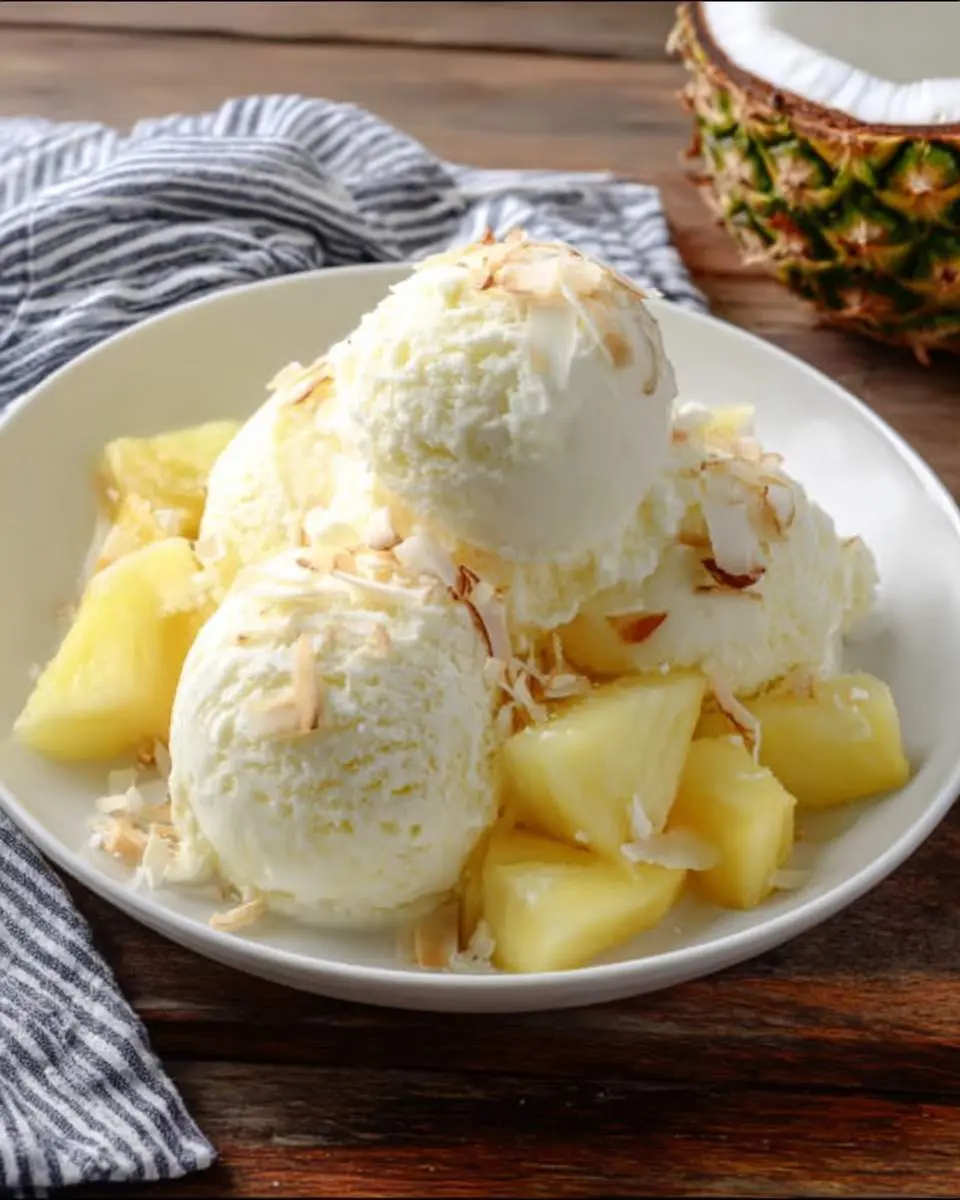
How to Make Pina Colada Ice Cream
Everything starts the day before, which tests my patience every single time. I blend coconut milk, frozen pineapple, a touch of honey, and that rum extract until it looks like a smoothie thick enough to hold a spoon upright. The mixture goes into a Creami pint container, and here is where I always hold my breath. freeze it flat, at least 24 hours, no cheating with a tilted freezer drawer.
The next afternoon, I run the container under warm water for exactly thirty seconds, then lock it into the Creami. The machine screams to life, grinding through that rock-hard block, and I watch through the lid as something miraculous happens. First pass produces a crumbly texture, almost like Dippin Dots, which always disappoints me momentarily. But then I add a tablespoon of coconut cream and hit respin, and suddenly. suddenly. it transforms. The sound changes, softer and creamier, and when I lift the lid, I see actual ice cream, swooping into ribbons that hold their shape.
The smell hits me every time: toasted sugar and tropical fruit and something almost floral from the coconut. I fold in those toasted flakes by hand, working quickly before everything melts, and then I force myself to freeze it for one more hour. That last step is torture, but it firms everything enough to scoop properly. For a simpler pineapple-only version, this pineapple sorbet skips the coconut entirely.
What I Learned After Three Batches of Pina Colada Ice Cream
My first attempt failed because I used room-temperature pineapple. The extra water created ice crystals that no amount of respinning could fix. now I freeze my chunks solid before blending, even if they came from a bag already frozen. The second disaster involved overloading the pint; I thought more volume meant more ice cream, but the Creami needs headspace to work its blade magic properly.
I also discovered that honey crystallizes differently than sugar, creating a slightly chewy texture I actually prefer, though maple syrup works for vegan friends. The rum extract needs to be added sparingly. too much and you get something that tastes like sunscreen smells.
My Secret Trick: I save a few tablespoons of the blended base before freezing and stir them into the finished ice cream as a “soft serve” layer. It creates this beautiful swirl of textures, dense and fluffy together, that makes every spoonful unpredictable.
Finally, I learned to trust my ears. The Creami sounds different when the mixture is ready. a deeper, more satisfied hum rather than the strained whine of struggling blades.
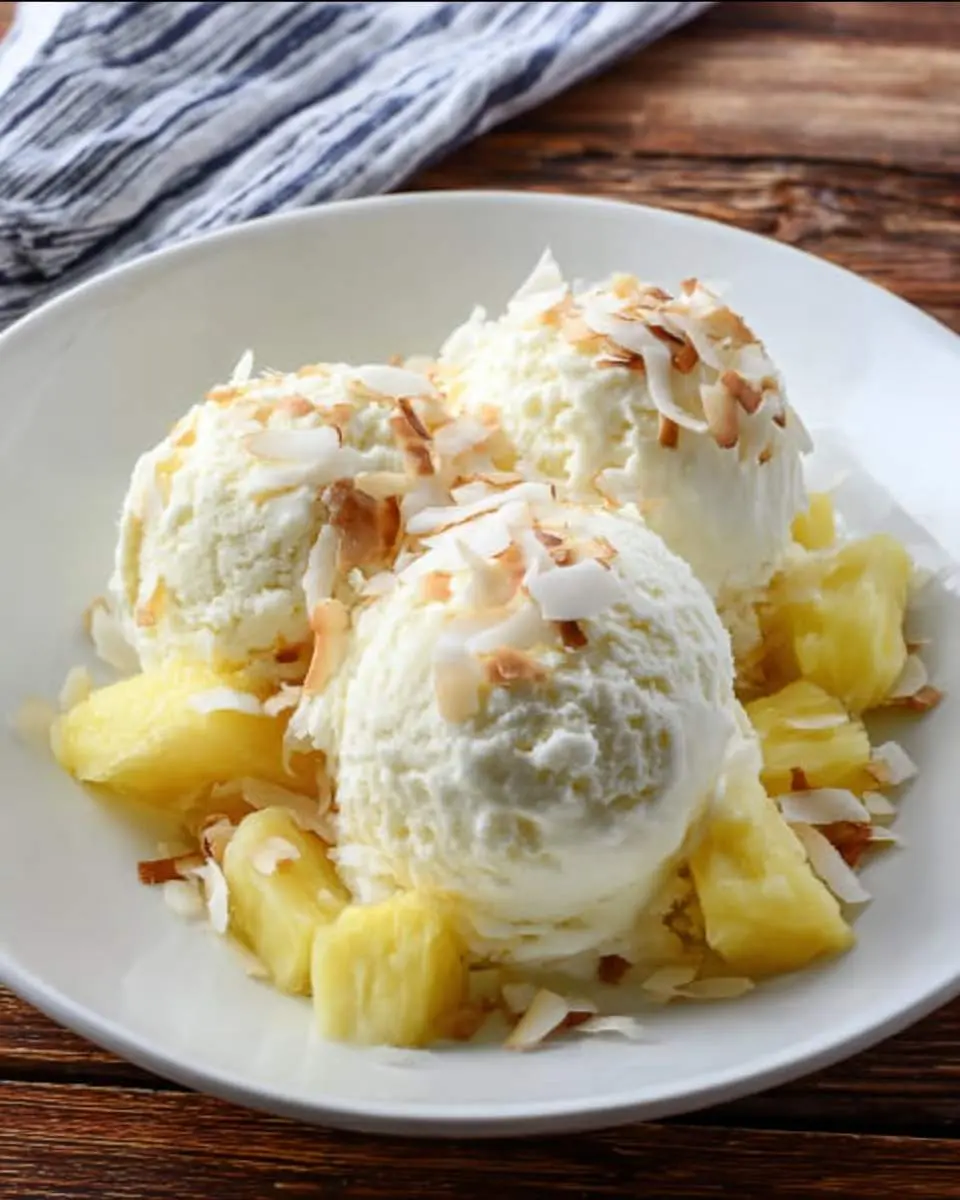
How to Store Pina Colada Ice Cream
- Store in the original Creami pint with the lid pressed firmly on top for up to 2 weeks in the freezer at 0 degrees F or below
- For longer storage, transfer to a freezer-safe airtight container with plastic wrap pressed directly onto the surface to prevent ice crystals
- If the ice cream becomes too hard after extended freezing, let it sit at room temperature for 5-7 minutes before scooping
- Do not store in the refrigerator. the texture will collapse into soup within hours
- To refresh leftover ice cream that has become icy, return it to a Creami pint and respin with 1 tablespoon of liquid
Why This Pina Colada Ice Cream Works for My Summer Goals
I started making this pina colada ice cream during a month when I was trying to reduce processed sugar without feeling deprived. The pineapple provides genuine sweetness that needs only a drizzle of honey to amplify, and the coconut fat satisfies in a way that prevents the empty craving cycle I get from store-bought pints. Each serving delivers actual fruit and medium-chain triglycerides from the coconut, which means I am not just eating empty calories. I am fueling afternoon walks and evening reading sessions with something that feels indulgent but sits light in my stomach.
FAQs
Can I make this without a Ninja Creami?
You can use a high-powered blender or food processor, but the texture will differ significantly. Freeze the base in ice cube trays, then blend the cubes with additional coconut cream until smooth. The result is closer to soft serve and requires immediate serving, as it lacks the aeration and density the Creami achieves through its blade system.
Why does my ice cream turn out icy instead of creamy?
Ice crystals form when too much water is present in your base. Use full-fat coconut milk rather than light versions, freeze your pineapple solid before blending, and avoid adding fresh fruit or juice after the initial freeze. The respin function with added fat is essential for breaking down those crystals.
Is there a way to make this recipe dairy-free and vegan?
This pina colada ice cream is naturally dairy-free as written, since coconut milk replaces cream. Simply substitute maple syrup or agave for the honey to make it fully vegan. Check your rum extract label, as some brands contain trace dairy derivatives, though most are alcohol-based and plant-derived.
How ripe should my pineapple be?
Look for pineapple with golden skin and a sweet fragrance at the base. Underripe fruit tastes sharp and vegetal, while overripe pineapple ferments quickly and creates off-flavors. If using frozen store-bought chunks, choose brands without added syrup to control sweetness yourself.
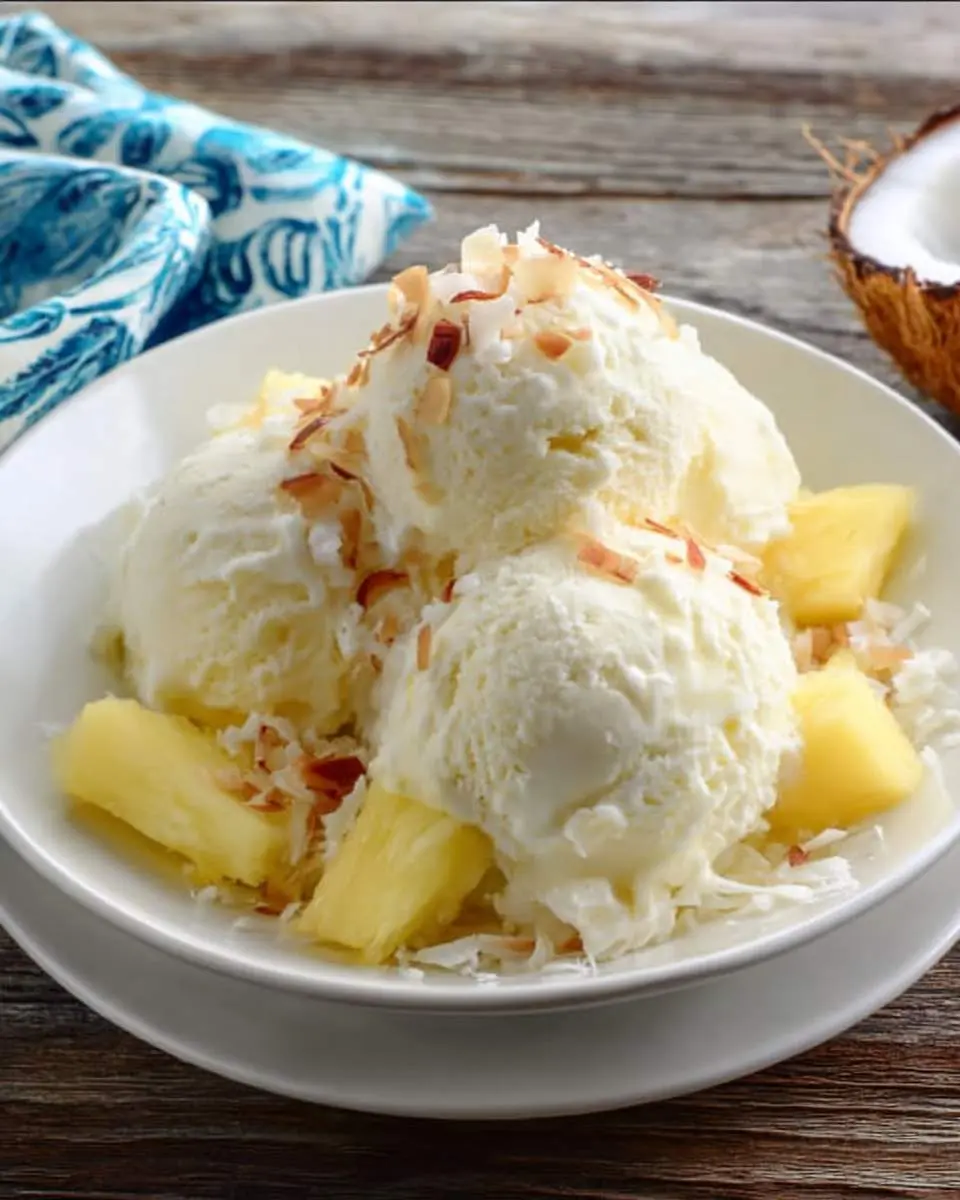
Pina Colada Ice Cream
Ingredients
Equipment
Method
Notes
Conclusion
I keep making this pina colada ice cream even when summer fades, because some flavors deserve year-round presence. The Creami has become my accomplice in small joys, turning frozen blocks into something that makes me close my eyes and remember warm places. If tropical coconut desserts speak to you, this coconut lime ice cream carries similar vacation energy with a sharper edge.
Follow us on Social Media : Pinterest
