
The first time I tasted mango mousse cake, I was sitting on a sun-bleached porch in Florida, watching my aunt slice into something that looked like sunshine had been captured and chilled. That silky texture, that intense mango flavor that somehow tasted more like mango than an actual mango. I never forgot it. Years later, I finally cracked the code in my own kitchen, and now this is the dessert my friends request by name.
My obsession started with a failed attempt at a French bakery classic. I over-whipped the cream, under-sweetened the fruit, and ended up with something closer to mango soup. But that disaster taught me what I really wanted: a mousse that holds its shape on a fork but melts the moment it hits your tongue. The kind of dessert that makes people close their eyes when they take the first bite.
This version comes from three years of tweaking, testing on willing neighbors, and one memorable dinner party where the entire cake disappeared in twelve minutes. If you are craving something tropical and elegant, I think you will love where this leads. For another stunning layered dessert, I have been loving this pistachio raspberry cake lately.
The Ingredients That Make This Mousse Sing
Great mango mousse cake lives or dies by three things: the fruit, the cream, and the gelatin. I use Ataulfo mangoes when I can find them. the honey mangoes from Mexico. because their fiberless flesh blends into silk and their sweetness means I can use less sugar. Heavy cream must be cold, straight from the back of your fridge, or it will never whip to the soft peaks that give this cake its cloud-like body. The gelatin is my insurance policy; without it, you have a delicious puddle instead of sliceable layers. I have learned to bloom it in cool water first, never hot, or you get those rubbery bits that ruin everything. If you want a simpler fruit dessert to practice with, this apple dump cake recipe builds similar skills without the pressure.
How to Make Mango Mousse Cake
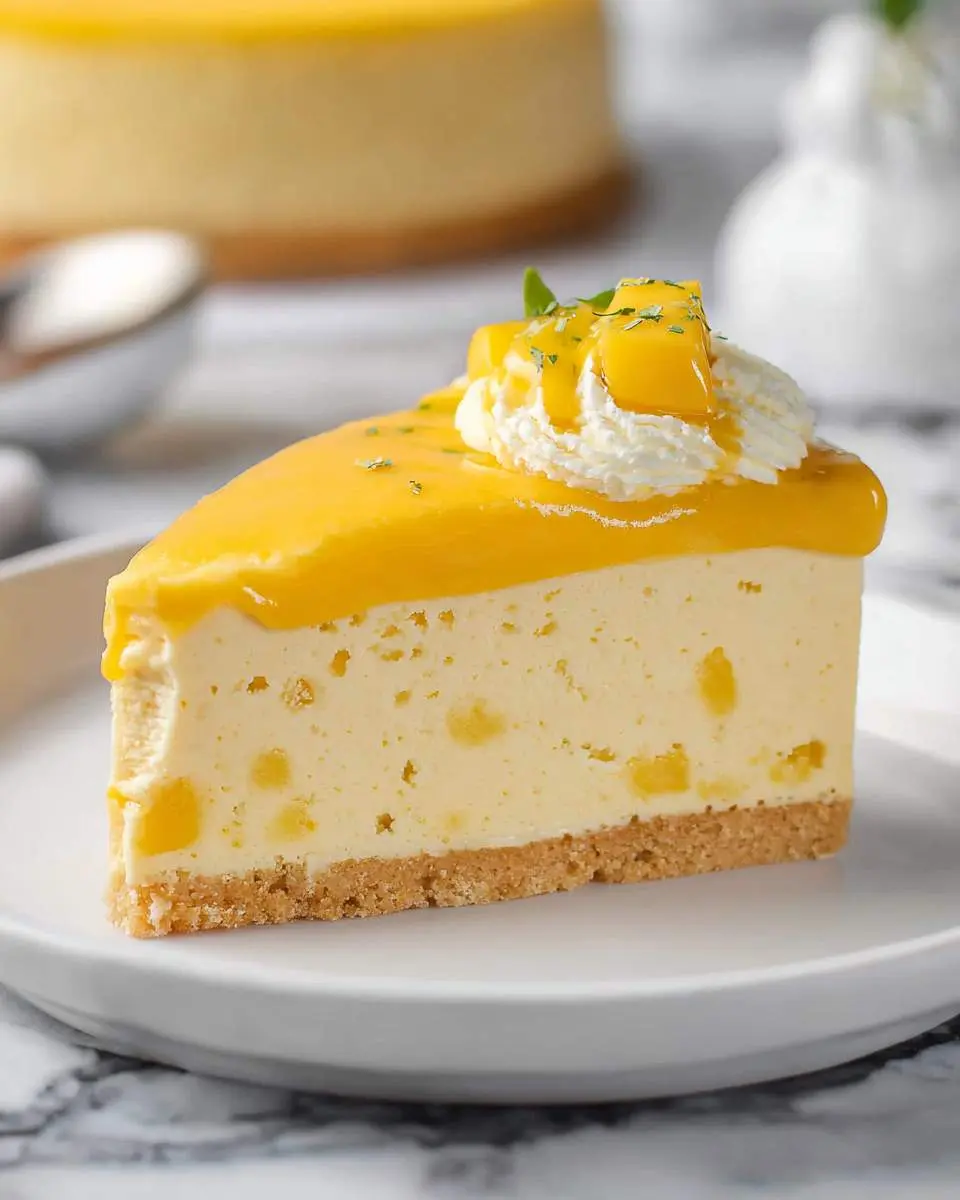
I always start the night before, which sounds fussy but saves my sanity. The sponge cake base needs to cool completely, and I have learned that warm cake turns mango mousse into a soggy mess. While it bakes, your kitchen fills with this faint vanilla warmth that makes everyone wander in asking what is coming.
The mousse itself is where the magic happens. I puree the mangoes until they are completely smooth, then whisk in the bloomed gelatin while the fruit is still room temperature. too hot and the gelatin dies, too cold and it seizes into lumps. Folding in the whipped cream feels like the most important three minutes of the entire process. I use a rubber spatula and cut through the center, turn the bowl, repeat, watching for that moment when the streaks disappear but the mixture still feels like it might collapse if I blink wrong.
Assembly is surprisingly forgiving. I line my springform pan with acetate so the sides peel away clean, layer sponge and mousse and sponge again, then let the refrigerator do the real work overnight. The hardest part is waiting. For another mango dessert that taught me patience, this mango coconut cake was my gateway recipe.
What I Learned Making This Four Times
My first tip is about the mangoes themselves: never use frozen and thawed fruit for the mousse layer. The ice crystals rupture the cell walls, and you end up with watery puree that refuses to set properly, no matter how much gelatin you add. Fresh is non-negotiable here.
I also stopped refrigerating my mixing bowl for the cream. Everyone says to do it, but I found that a room temperature bowl actually gives me more control. the cream whips slightly slower, which means I can catch it at exactly soft peaks before it turns to butter.
For the cleanest slices, I run my knife under hot water and wipe it dry between every single cut. Cold mousse plus warm blade equals those Instagram-worthy layers that make people think you bought this from a professional.
My Secret Trick: I save about half a cup of the mango puree before folding in the cream, then swirl it on top of the finished cake in thin ribbons. It creates this marbled effect that looks intentional and artistic, even when the rest of my assembly was slightly crooked.
How to Store Mango Mousse Cake
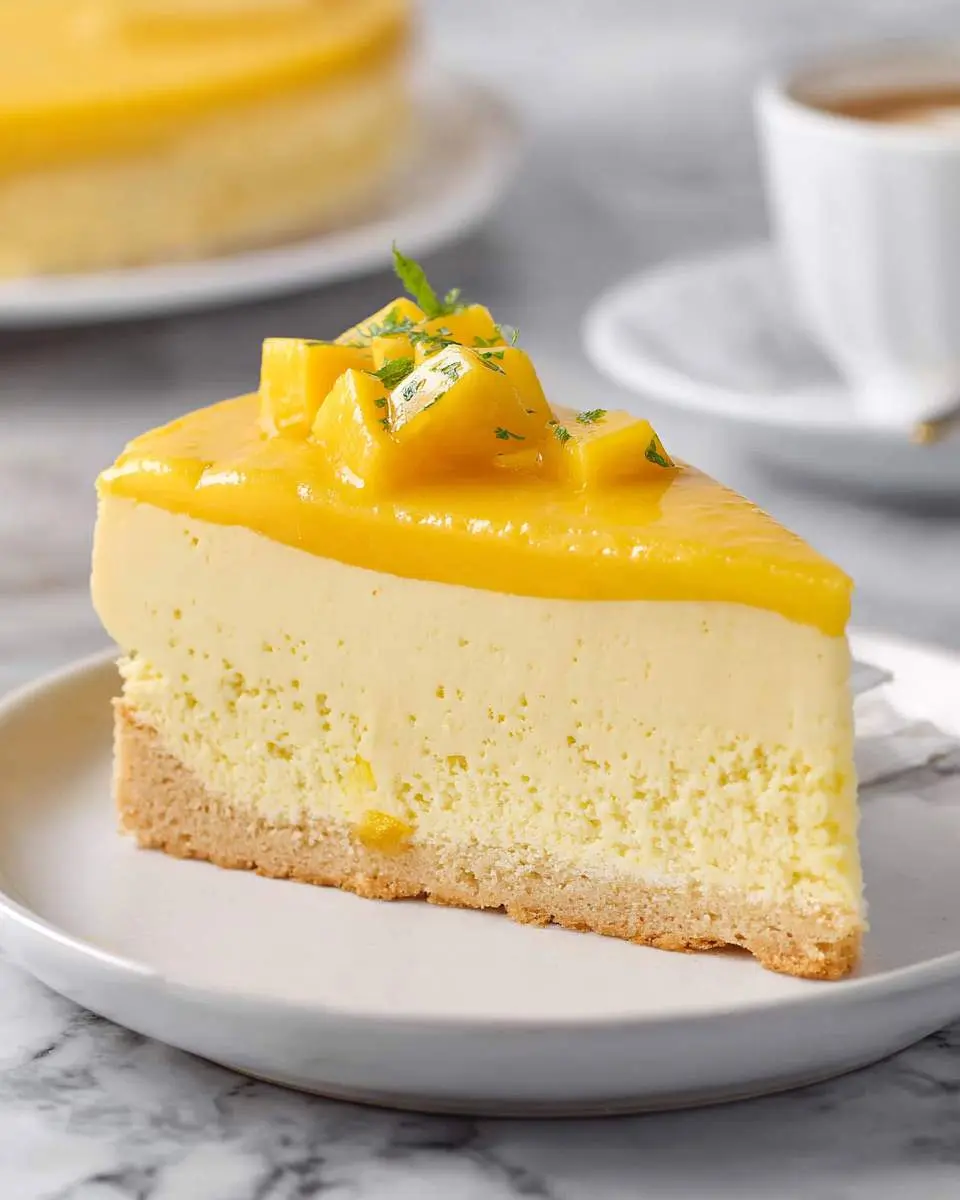
- Refrigerate covered loosely with plastic wrap for up to 4 days; the mousse stays perfect but the sponge softens slightly after day 2
- Store in the coldest part of your fridge, not the door, to maintain the mousse structure
- Freeze individual slices wrapped in plastic then foil for up to 1 month; thaw overnight in the refrigerator, never at room temperature
- Do not microwave to rewarm; the gelatin will weep and separate, ruining the texture completely
Why This Dessert Feels Like a Vacation
Every slice of mango mousse cake delivers real vitamin C from all that fresh fruit. about a quarter of your daily needs in one generous piece. The eggs in the sponge add protein that keeps this from being the sugar crash you might expect. I love that I can serve something that feels completely indulgent while knowing my body is actually getting something worthwhile. The natural sugars in ripe mangoes mean I use less added sweetener than most layer cakes, and the fat from the cream helps your body absorb all those fat-soluble nutrients in the fruit.

FAQs
Can I make this without gelatin?
You can substitute agar-agar, but the ratio is not one-to-one. I use about two-thirds the amount of agar powder, and I boil it with the mango puree for two full minutes to activate it. The texture will be slightly firmer and more jello-like, less silky than the original, but still delicious.
Why did my mousse separate into layers?
This happens when the gelatin sets too quickly, usually because your mango puree was too cold when you added the bloomed gelatin. Next time, let the puree sit at room temperature for fifteen minutes after blending, and work faster when folding in the cream.
Can I use canned mango pulp?
I have tried it, and honestly, it works in a pinch. Look for Indian brands like Alphonso pulp, which has better flavor than the syrupy cocktail cans. Reduce any added sugar in the recipe by half, since the canned stuff is already sweetened.
How far in advance can I assemble this cake?
Mango mousse cake actually needs at least eight hours in the refrigerator to set properly, so making it the day before is ideal. I have pushed it to two days ahead, and the flavor actually improves as the sponge absorbs moisture from the mousse.
Mango Mousse Cake
Ingredients
Equipment
Method
Notes
Conclusion
This mango mousse cake has become my signature bring-along for summer gatherings, the thing people now expect to see when I walk through the door. I hope it becomes that for you too. the recipe you are known for, the one that makes people ask for your secrets. If you want another showstopper with the same fruit, this mango crepe cake is where I turn when I have extra ripe mangoes and a free afternoon.
Follow us on Social Media : Pinterest