
My childhood kitchen was always a hub of activity, especially when the weather turned chilly. There’s something incredibly comforting about a simmering pot on the stove, filling the home with warmth and promise. This Hearty Korean Winter Soup (Sogogi Mu Guk) transports me right back to those cherished moments, offering a delicious embrace on even the coldest days. It’s truly a soulful meal, much like a hearty beef barley stew that sticks to your ribs.
I remember helping my grandmother meticulously chop vegetables, the air thick with the aroma of garlic and ginger, knowing that the flavors would deepen into something truly magical. These are the recipes that truly nourish, not just the body, but the spirit too.
This Korean Winter Soup recipe is designed to be both incredibly hearty and wonderfully low-stress, perfect for busy families. My secret for a rich broth? Don’t rush the simmering!
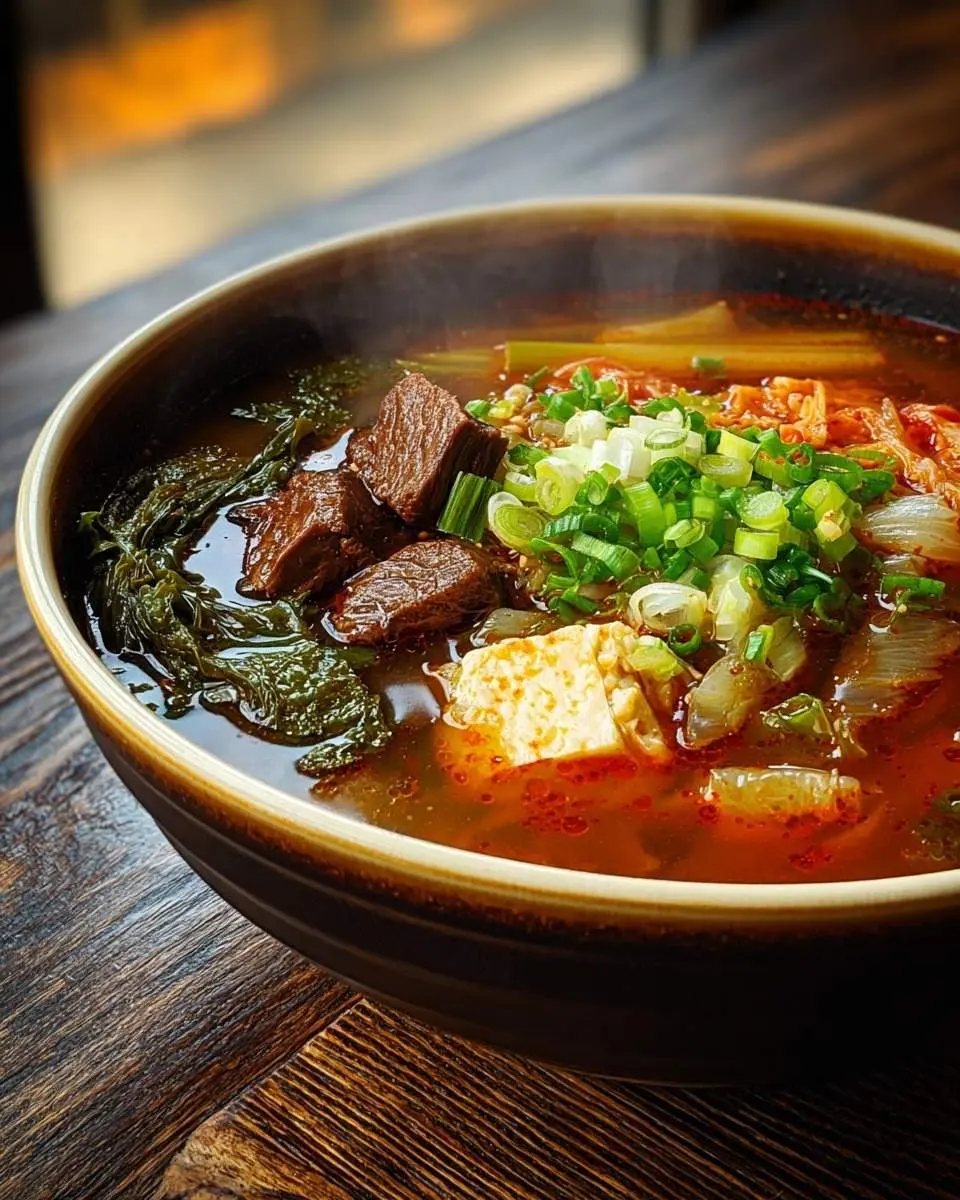
What You Need to Make This Recipe
Crafting this cozy Korean Winter Soup involves a beautiful blend of humble ingredients that transform into something extraordinary. The star is definitely the tender beef brisket and the crisp Korean radish, which sweetens and softens beautifully in the broth. Just like how I love the fresh ingredients in a comforting chicken poblano soup, this dish thrives on fresh garlic and ginger for that aromatic depth. The full list of ingredients and precise measurements can be found in the recipe card below.
How to Make Korean Winter Soup
Making this Korean Winter Soup is a rewarding process, bringing together simple steps for a deeply flavorful result. You’ll start by preparing your beef until it’s perfectly tender, then move on to sautéing the aromatics and fresh vegetables. This builds the foundation of the broth before everything simmers together. It’s a comforting, hands-on process that reminds me of preparing a rich italian sausage tortellini soup for a special family dinner, ensuring every spoonful is packed with goodness.

Pro Tips for Making This Korean Winter Soup
Getting the most out of your Korean Winter Soup is all about a few simple tricks I’ve picked up over the years. My top tip is to really take your time browning the beef initially; it adds an incredible depth of flavor to the broth. Don’t be afraid to taste and adjust the seasonings as it simmers—that’s how you make it truly your own!
My Secret Trick: I always sear the beef brisket well before adding water. This creates a beautiful crust and locks in the savory juices, giving your Korean Winter Soup a much richer, more robust base. It makes all the difference!
Fun Variations for Korean Winter Soup
One of the joys of home cooking is the freedom to adapt recipes to your family’s tastes. This Hearty Korean Winter Soup is incredibly versatile! I often adjust it based on what I have on hand, much like how I get creative with french onion short rib stew.
- Spice Level: For those who love a bit more kick, increase the gochugaru (Korean chili flakes) or add a touch more gochujang. For a milder soup, simply reduce or omit them.
- Vegetable Boost: Feel free to add other root vegetables like carrots or even potatoes during the last 30 minutes of cooking. Enoki mushrooms are also a wonderful addition for an extra textural element.
- Protein Swap: While beef is traditional, you can certainly try this recipe with pork shoulder or even a firm white fish for a different flavor profile. Adjust cooking times accordingly.
What to Serve With Korean Winter Soup
This comforting Korean Winter Soup is a meal in itself, but a few simple sides can truly elevate the experience. I love serving it with a warm bowl of freshly steamed white rice – it’s perfect for soaking up every last bit of that delicious, savory broth.
- A simple side of kimchi is always a must for a traditional Korean meal; its fermented tang provides a lovely contrast to the rich soup.
- Blanched spinach seasoned with sesame oil and garlic makes for a refreshing and healthy green accompaniment.
- A sprinkle of toasted sesame seeds over the top just before serving adds a beautiful nutty aroma and a slight crunch.
My practical tip: Always have a variety of banchan (small side dishes) ready! They make any meal feel special.

How to Store Korean Winter Soup
Leftover Korean Winter Soup is just as delicious, if not more so, the next day as the flavors deepen! You can store it in an airtight container in the refrigerator for up to 3-4 days. For longer storage, freeze it in individual portions for up to 2-3 months.
When reheating, I always do it gently on the stovetop over medium-low heat. This allows the flavors to meld beautifully without overcooking the ingredients. Add a splash of water or broth if it’s too thick. My personal tip: Reheating slowly brings the dish back to life, preserving its wonderful texture and aroma!
Nutritional Benefits
This Hearty Korean Winter Soup is packed with goodness, making it a fantastic choice for a family meal. With tender beef, it’s a wonderful source of protein, while the Korean radish and other vegetables provide essential vitamins and fiber, contributing to a truly nourishing and comforting dish for any lifestyle.
FAQs
Can I make Korean Winter Soup vegetarian?
While traditional Korean Winter Soup uses beef, you can absolutely adapt it! Use a rich vegetable broth as the base and add plant-based proteins like firm tofu or a variety of mushrooms. The key is to build deep, savory flavors with aromatics like garlic and ginger.
What kind of radish should I use for this soup?
For an authentic Korean Winter Soup, it’s best to use Korean radish (mu), which is large, white, and has a slightly sweet and peppery flavor. If you can’t find it, daikon radish is a good substitute, though it might be a bit milder.
Can I prepare this soup in advance?
Absolutely! This Korean Winter Soup is an excellent make-ahead meal. You can prepare it a day or two in advance and store it in the refrigerator. The flavors often deepen and become even more robust after sitting overnight, making it perfect for busy weeknights.
How spicy is this Korean Winter Soup?
The spice level of this Korean Winter Soup is quite adaptable. The recipe uses gochugaru and gochujang, which provide a moderate, warming heat. You can easily adjust the amounts to suit your family’s preference, making it milder for kids or spicier for those who love a kick.
Hearty Korean Winter Beef & Radish Soup (Sogogi Mu Guk)
Ingredients
Equipment
Method
Notes
Conclusion
This Hearty Korean Winter Soup (Sogogi Mu Guk) is more than just a recipe; it’s a bowl of warmth, comfort, and nourishment. It embodies my philosophy of creating meals that are both delicious and approachable for busy families. I truly hope this recipe brings as much joy and comfort to your table as it does to mine. Happy cooking!
Follow us on Social Media : Pinterest