
The first time I smelled that sweet-savory glaze caramelizing on hot metal, I was standing in a cramped yakitori bar in Tokyo at midnight. Smoke curled around paper lanterns while salarymen laughed over beer and grilled chicken on sticks. That memory haunted me for years until I finally cracked the code at home, and now this Japanese Chicken Yakitori lives in my regular rotation.
My husband still talks about that trip, how we ate until we couldn’t move and stumbled back to our tiny hotel room smelling like charcoal and soy. I wanted to recreate that feeling without the plane ticket or the specialized grill. The air fryer turned out to be the unexpected hero here, giving me those blistered edges and sticky glaze without setting off my smoke alarm.
What I love most is how this dish transforms humble chicken thighs into something that feels special enough for guests but easy enough for a Tuesday. If you are craving more Asian-inspired finger foods, I have been obsessed with these Thai Basil Beef Rolls lately too.
The Building Blocks of That Glaze
The magic of Japanese Chicken Yakitori lives in three bottles on my counter: soy sauce, mirin, and sake. Mirin brings that subtle sweetness and helps the glaze cling instead of running off into the drip tray. I use chicken thighs cut against the grain because breast meat dries out before the outside gets that lacquered look I crave. Fresh scallions threaded between pieces aren’t just pretty, they char into something almost creamy that balances the salty-sweet meat. For another appetizer that celebrates simple ingredients, check out these Broccoli Cheese Rounds.
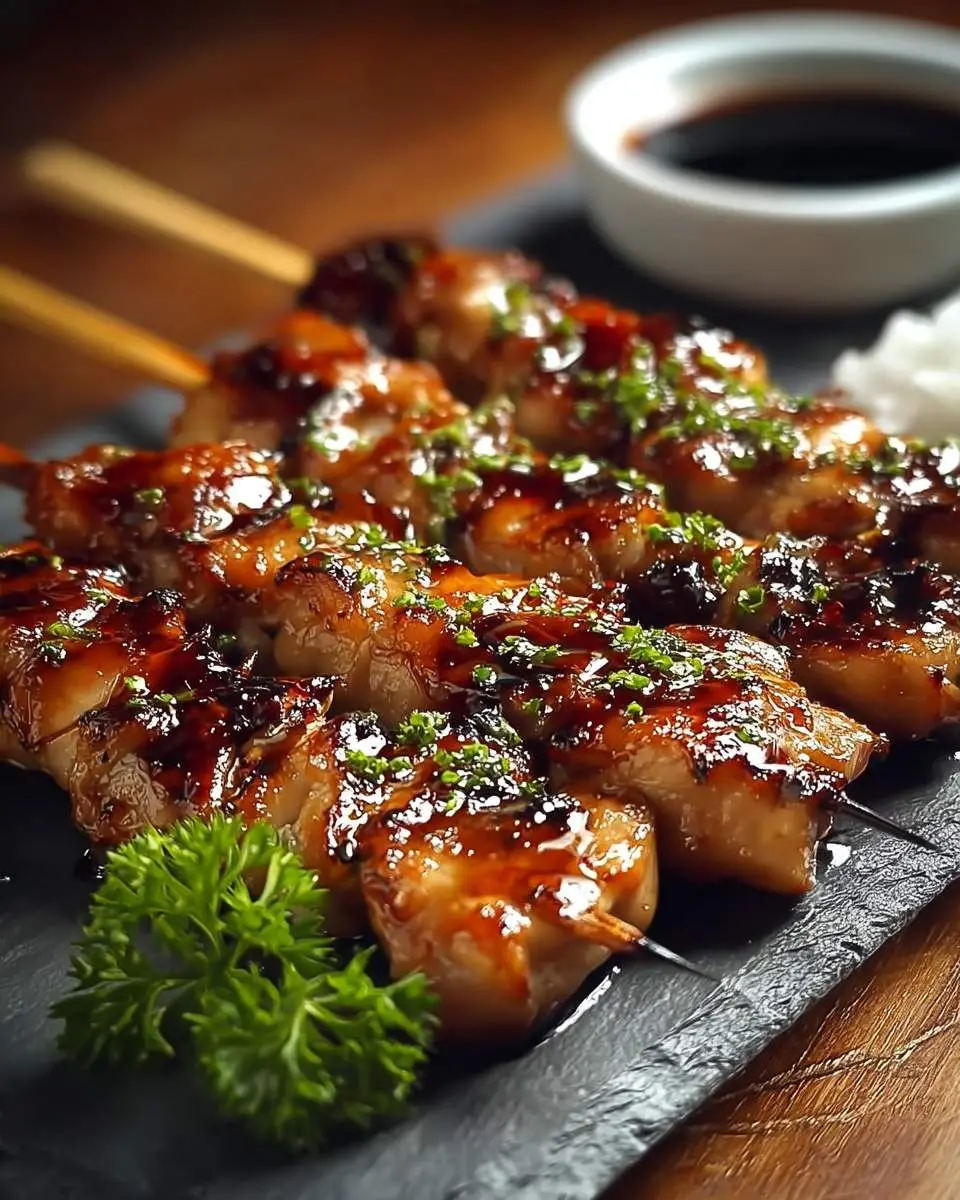
How to Make Japanese Chicken Yakitori
I start by cutting cold chicken into rough one-inch chunks, then let them sit in the glaze for at least thirty minutes though overnight is where the real flavor happens. The air fryer basket gets a light oil spray while I thread meat onto soaked skewers, packing them loosely so hot air can circulate. The first five minutes at 380 degrees are about rendering fat and building color, then I brush on reserved glaze every few minutes like I’m painting lacquer on wood. You will hear the sizzle intensify as sugars caramelize, and that smell, that transportative smell, fills the kitchen. The final two minutes under high heat create those dark, almost burnt spots that taste like the best street food memory. If you need a quick weeknight dinner after this, my Air Fryer Pita Pizza saves me constantly.
What I Learned After Burning Three Batches
My first attempts taught me that patience with the glaze pays off. Brushing too early causes burning before the chicken cooks through, so I wait until the meat is nearly done. Cutting uniform pieces matters more than I expected, uneven chunks mean some dry out while others stay raw in the center. I also discovered that letting the chicken rest five minutes after cooking allows juices to redistribute instead of running onto the plate. My Secret Trick: I save a tablespoon of glaze and mix it with a splash of rice vinegar for a final drizzle that brightens everything with acidity. Japanese Chicken Yakitori demands this finishing touch.
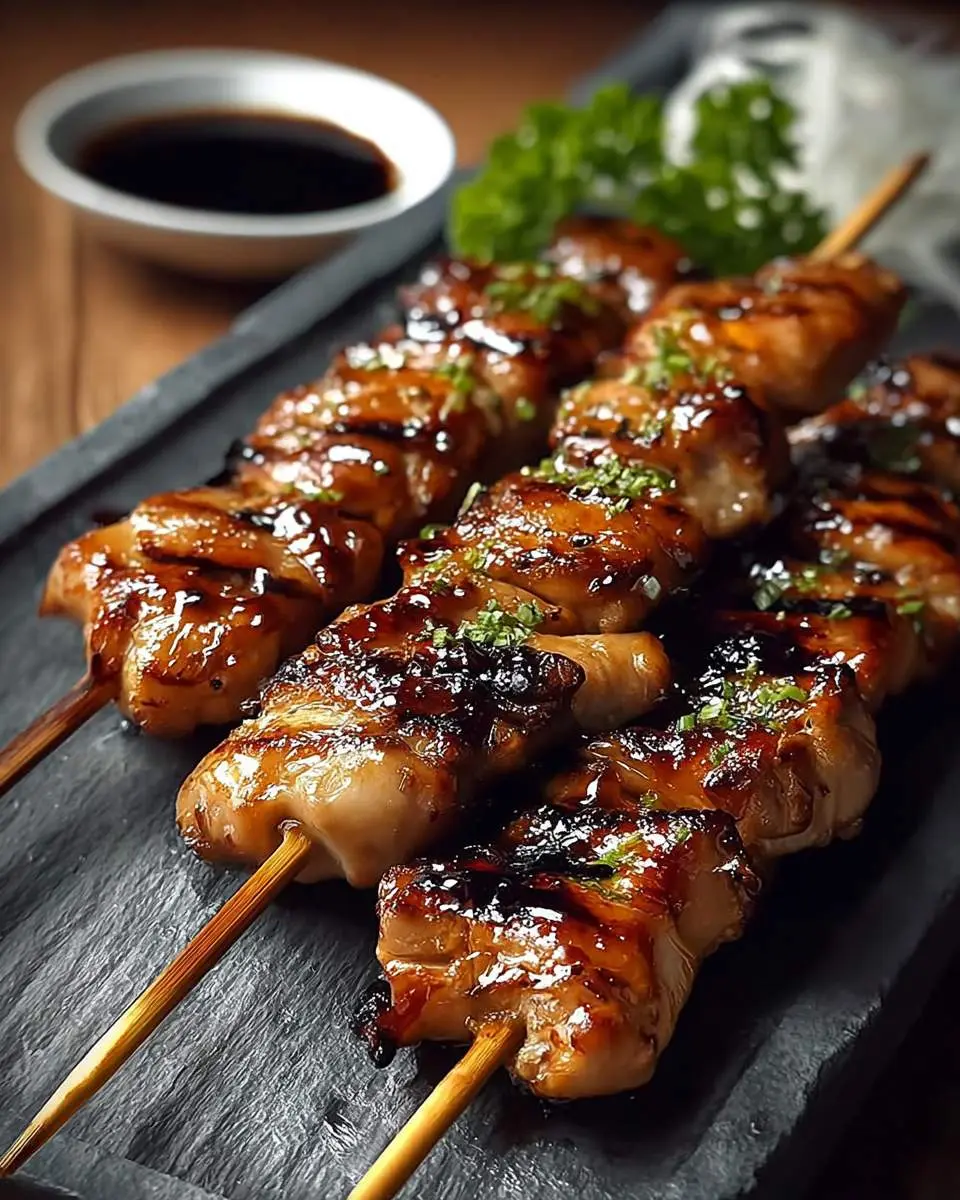
How to Store Japanese Chicken Yakitori
- Refrigerate cooled skewers in an airtight container for up to 3 days, glaze and all
- Freeze raw marinated chicken in the glaze for up to 2 months, thaw overnight before skewering
- Reheat in the air fryer at 350 degrees for 4-5 minutes, brushing with fresh glaze halfway through
- Do not microwave, the texture turns rubbery and the glaze separates unattractively
Why This Recipe Fits My Weeknight Goals
Japanese Chicken Yakitori delivers serious protein without the heavy feeling of fried appetizers. Chicken thighs provide more iron and flavor than white meat, while the minimal oil in the air fryer keeps things lighter than traditional grilling methods. The scallions contribute actual vegetable content and that charred allium flavor satisfies cravings for something indulgent without derailing sensible eating.
FAQs
Can I use chicken breast instead of thighs?
Breast works but requires more attention. Cut slightly larger pieces and reduce cooking time by two minutes to prevent drying. The glaze will still caramelize beautifully, though the final texture lacks the juicy richness that makes thighs so satisfying on a stick.
What can I substitute for sake in the glaze?
Dry white wine or additional mirin with a splash of water both work. Avoid cooking wine with salt added, it throws off the balance. I have used plain rice vinegar in a pinch, though the glaze becomes more tangy than traditional.
Do I really need to soak the skewers?
Yes, or they scorch and sometimes splinter into your food. Ten minutes in warm water suffices, though I often soak them while the chicken marinates. Metal skewers eliminate this step but conduct heat and can burn fingertips when turning.
Why did my glaze burn before the chicken cooked?
The sugar content caramelizes quickly at high heat. Brush glaze only in the final minutes of cooking, or reduce air fryer temperature by 25 degrees and extend time. Japanese Chicken Yakitori rewards patience more than intensity.
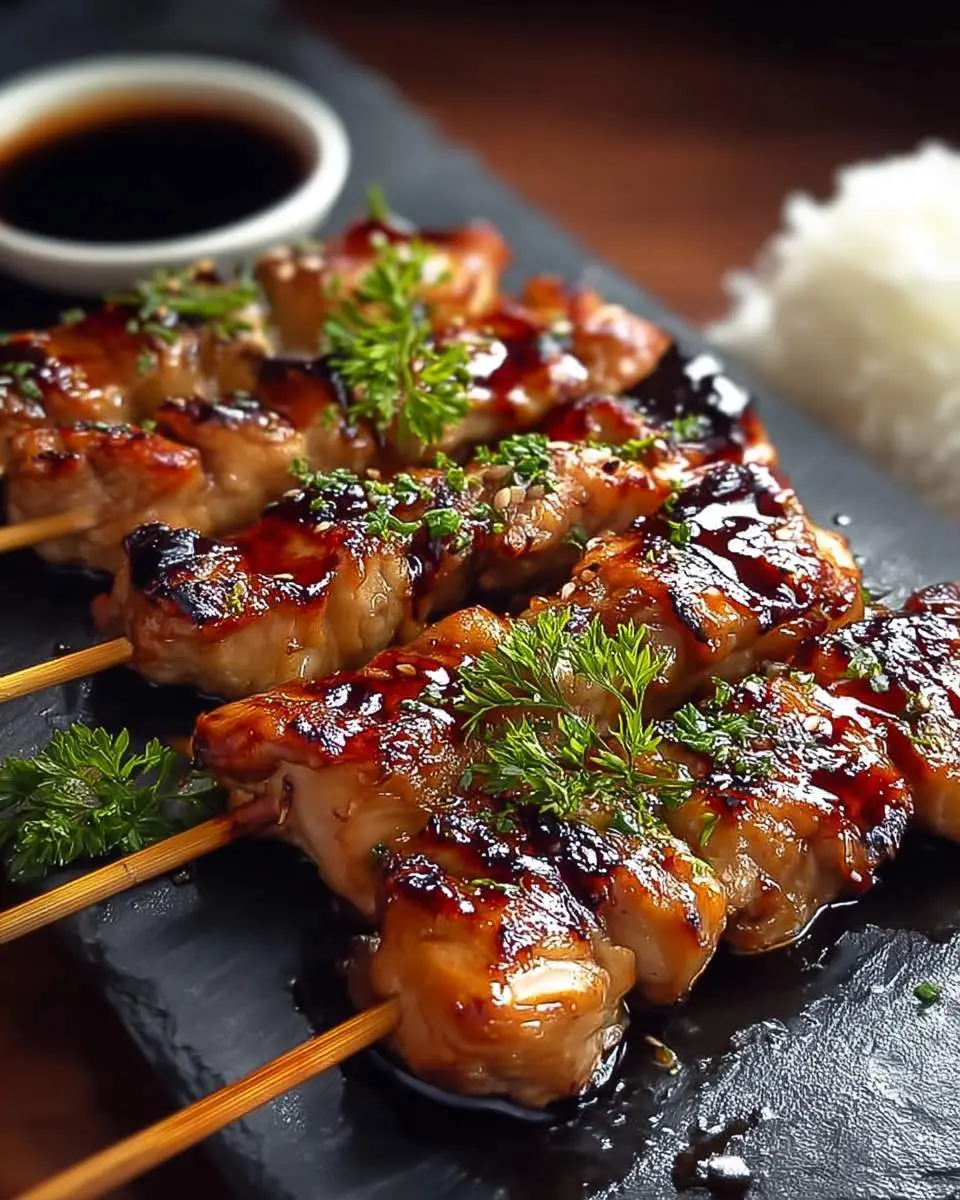
Japanese Chicken Yakitori
Ingredients
Equipment
Method
Notes
Conclusion
This recipe brought Tokyo into my Midwest kitchen, and I hope it transports you somewhere delicious too. Make it for someone you love, or just for yourself on a night that needs something special. For a sweet finish, try my Air Fryer Pineapple and complete the experience.
Follow us on Social Media : Pinterest