
The scent of sizzling butter and garlic hitting a hot pan instantly transports me. There’s something incredibly satisfying about cooking a perfect cast iron steak right on the stovetop; it feels like culinary magic.
I remember the first time I really mastered this technique. It was a weeknight, and I was craving something truly special, something that felt like a restaurant meal without leaving my kitchen.
The joy of slicing into that beautifully seared crust to reveal a tender, juicy interior? That’s a feeling I want everyone to experience, and it’s surprisingly simple to achieve at home.
What You Need to Make This Recipe
For truly excellent results, starting with a thick-cut steak, like a ribeye or New York strip, makes all the difference; its marbling renders beautifully for a rich flavor and tender texture. A heavy cast iron pan is non-negotiable for that incredible crust we’re aiming for, creating that perfect sear that makes a good cast iron steak unforgettable. Don’t forget high-smoke-point oil and good quality butter – they’re essential for achieving that restaurant-quality finish without burning.
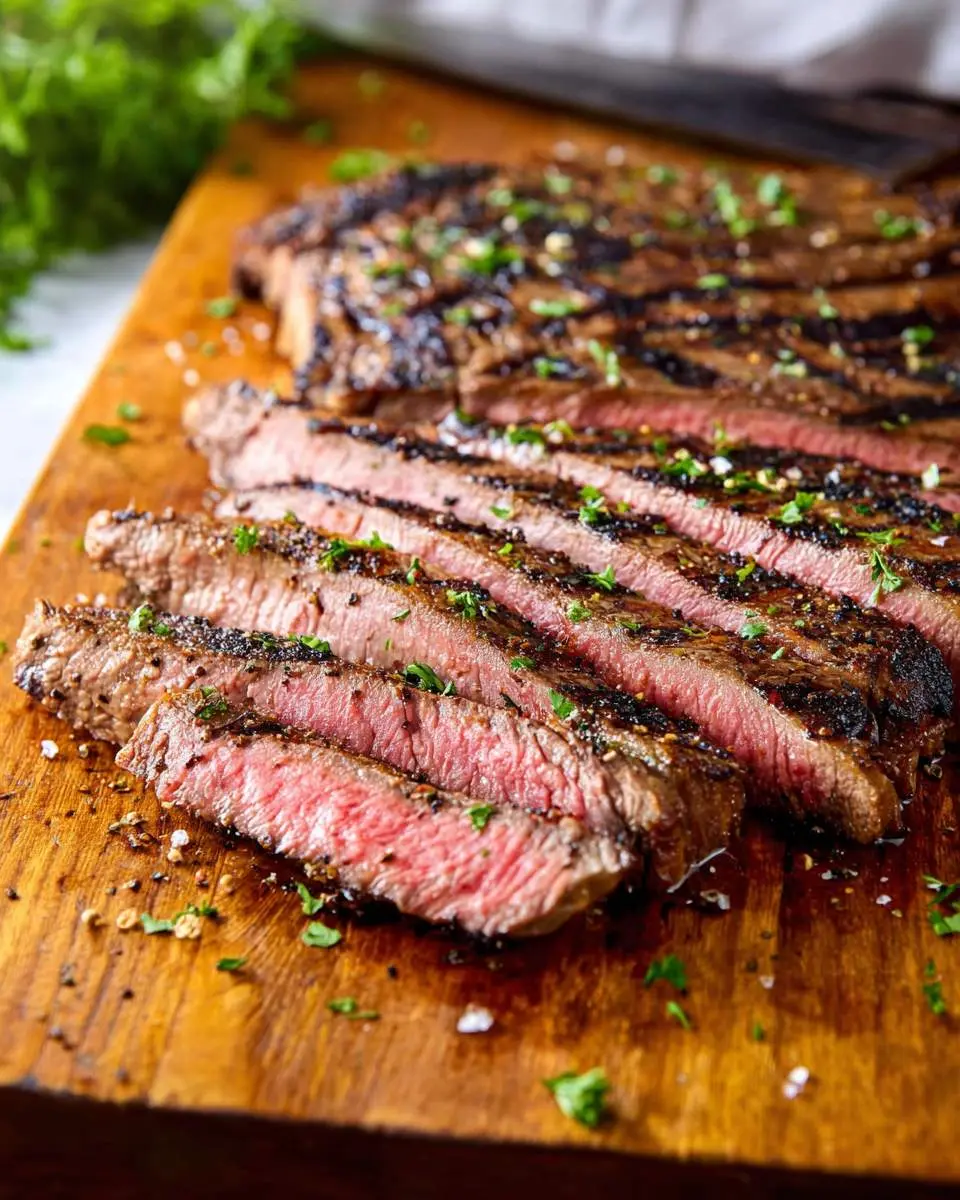
How to Make Cast Iron Steak
The magic begins by getting your cast iron pan screaming hot; you’ll see wisps of smoke, and that’s your cue to lay your seasoned steak down. Immediately you’ll hear that glorious sizzle, a sound that promises a perfect crust, and it’s truly one of my favorite kitchen moments.
After a few minutes, when it’s beautifully browned, I often flip it, then add butter, garlic, and herbs, spooning that fragrant, bubbling mixture over the steak as it finishes cooking – it’s such a simple step but infuses incredible depth of flavor. It’s a bit of a dance, watching for that perfect medium-rare, ensuring every side gets kissed by the heat, a process far more artful than just cooking some beef.
Pro Tips
To get that deep, irresistible crust, make sure your steak is completely dry before it hits the pan; any moisture will steam instead of sear, preventing that gorgeous brown.
Always bring your steak to room temperature for at least 30-60 minutes before cooking; this allows for more even cooking from edge to center, preventing a gray band around your perfectly cooked meat.
My Secret Trick: Don’t crowd the pan! Cook steaks one at a time if necessary, as overcrowding drops the pan temperature and leads to steaming, not searing, ruining your crust and preventing a stellar cast iron steak.
Resting your steak for at least 5-10 minutes after cooking is crucial; it allows the juices to redistribute, ensuring every bite is incredibly tender and moist instead of running out onto your cutting board.

How to Store Cast Iron Steak
- For fridge storage, let your steak cool completely, then place it in an airtight container. It will stay delicious for up to 3-4 days at 40°F (4°C).
- To freeze, wrap individual portions tightly in plastic wrap, then foil, or place in freezer-safe bags. It’ll be good for up to 2-3 months at 0°F (-18°C).
- Reheating is best done gently: use a low oven (around 250°F / 120°C) until warmed through, or slice and quickly sear in a hot pan for a minute or two to avoid overcooking.
Nutritional Benefits
Beyond the incredible flavor, a well-prepared cast iron steak offers some great nutritional perks. Beef is an excellent source of high-quality protein, which is essential for muscle repair and overall body function. It also provides important micronutrients like iron, vital for energy, and B vitamins, contributing to a healthy metabolism, making it a robust addition to your meal rotation.

FAQs
What kind of steak is best for cast iron?
I find a thicker cut, like a ribeye or New York strip, works wonderfully because it allows for a beautiful sear on the outside while maintaining a juicy, tender interior. The marbling in these cuts renders nicely, adding so much flavor.
How do I get a good crust on my steak?
The key is a very hot cast iron pan and a dry steak. Ensure your pan is smoking slightly before adding the meat. Don’t move the steak for the first few minutes; let that Maillard reaction work its magic.
How long should I cook my steak in cast iron?
For a medium-rare steak (my favorite!), I typically cook a 1.5-inch thick cut for about 3-4 minutes per side, then baste for a minute or two. Always use a meat thermometer to ensure it reaches your desired doneness, usually 130-135°F for medium-rare.
Can I cook a frozen steak in a cast iron pan?
Surprisingly, yes! Cooking a frozen cast iron steak can actually result in a fantastic crust and a more evenly cooked interior, though it will take a bit longer. Just pat it dry and sear, then finish in the oven if needed.
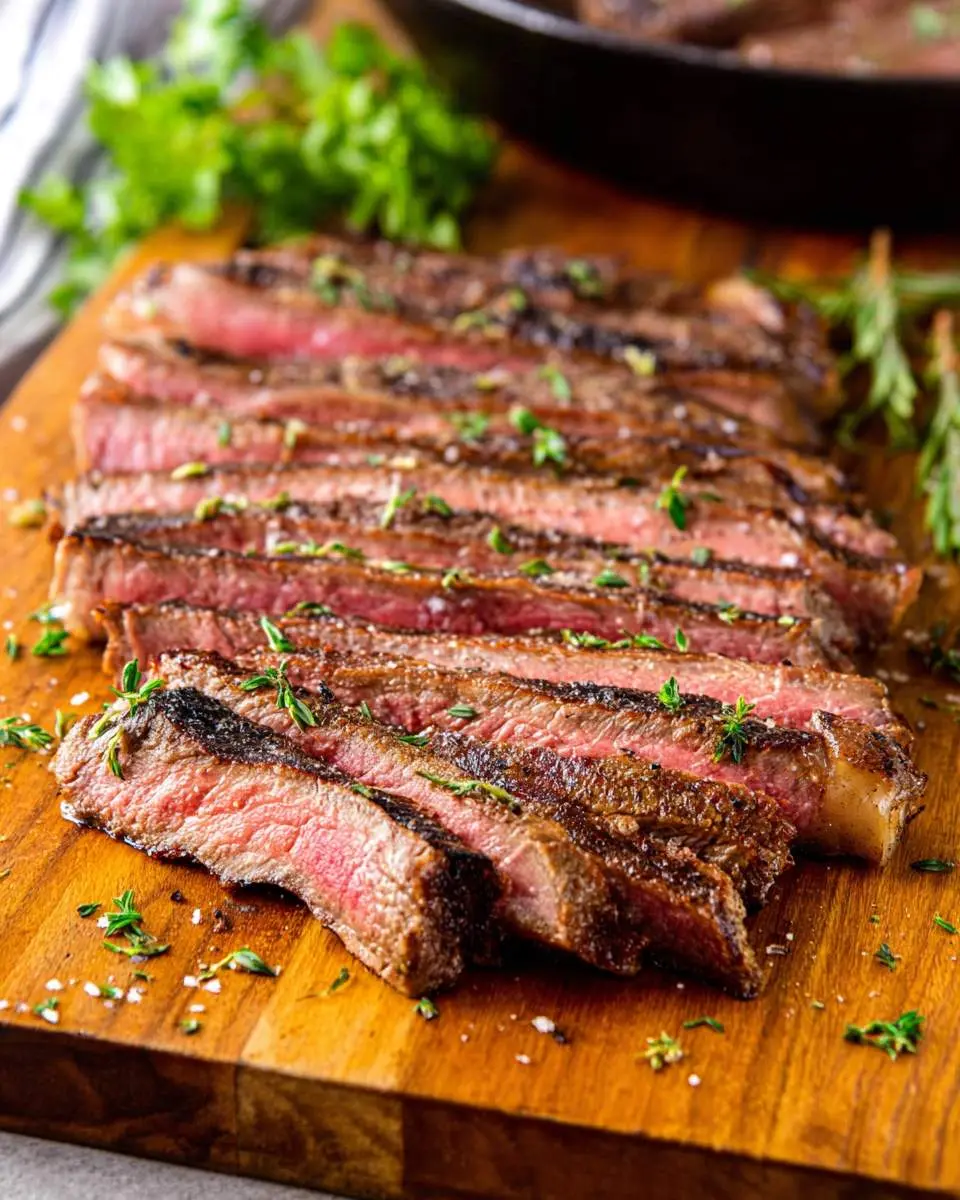
Cast Iron Steak
Ingredients
Equipment
Method
Notes
Conclusion
There’s truly nothing quite like the satisfaction of serving a perfectly cooked cast iron steak, knowing you created that restaurant-quality meal right in your own kitchen. I really hope you give this method a try and discover the joy of that crispy sear and tender interior for yourself. It’s a game-changer for weeknight dinners, and trust me, it’s far easier than whipping up turkey meatballs from scratch.