
The first time I made apricot crisp, I stood at my kitchen counter with a bowl of slightly bruised farmers market apricots and no real plan. I wanted something warm and jammy with a crunchy lid, something that would make my whole house smell like summer. That impromptu experiment became my go-to dessert for July evenings when the sun stays up too late and you need an excuse to turn on the oven.
My grandmother never wrote her recipes down, but I remember her crisps had this magical quality where the fruit turned almost custardy underneath while the top stayed shatteringly crisp. I spent three summers trying to replicate that texture. The breakthrough came when I stopped treating the fruit and the topping as separate projects and started thinking about how they talk to each other in the oven.
If you are working with a smaller batch of fruit, I have a mini version that works beautifully for two people. But this full-sized apricot crisp is what I make when friends are coming over and I want to look like I planned ahead.
Why Apricots and Oats Belong Together
The magic here starts with fruit that actually tastes like something. Apricots have this fleeting window where they are soft enough to bake but still hold a little tartness against the brown sugar. I use rolled oats in the topping because they create those craggy, irregular clusters that stay crunchy even after a day in the fridge. A touch of almond extract in the filling was a late addition that changed everything, it bridges the gap between the stone fruit and the buttery oats in a way that makes people pause mid-bite and ask what that flavor is. For another take on this combination, my apricot cobbler uses a different topping technique worth exploring.

How to Make Apricot Crisp
I start by halving the apricots and tossing them with sugar while the oven preheats. This twenty-minute rest draws out juices that become the sauce, and I have learned not to rush it. The topping comes together in one bowl, cold butter cut into flour and oats until the mixture looks like wet sand with some larger pebbles scattered through. That irregular texture is what creates the crunch.
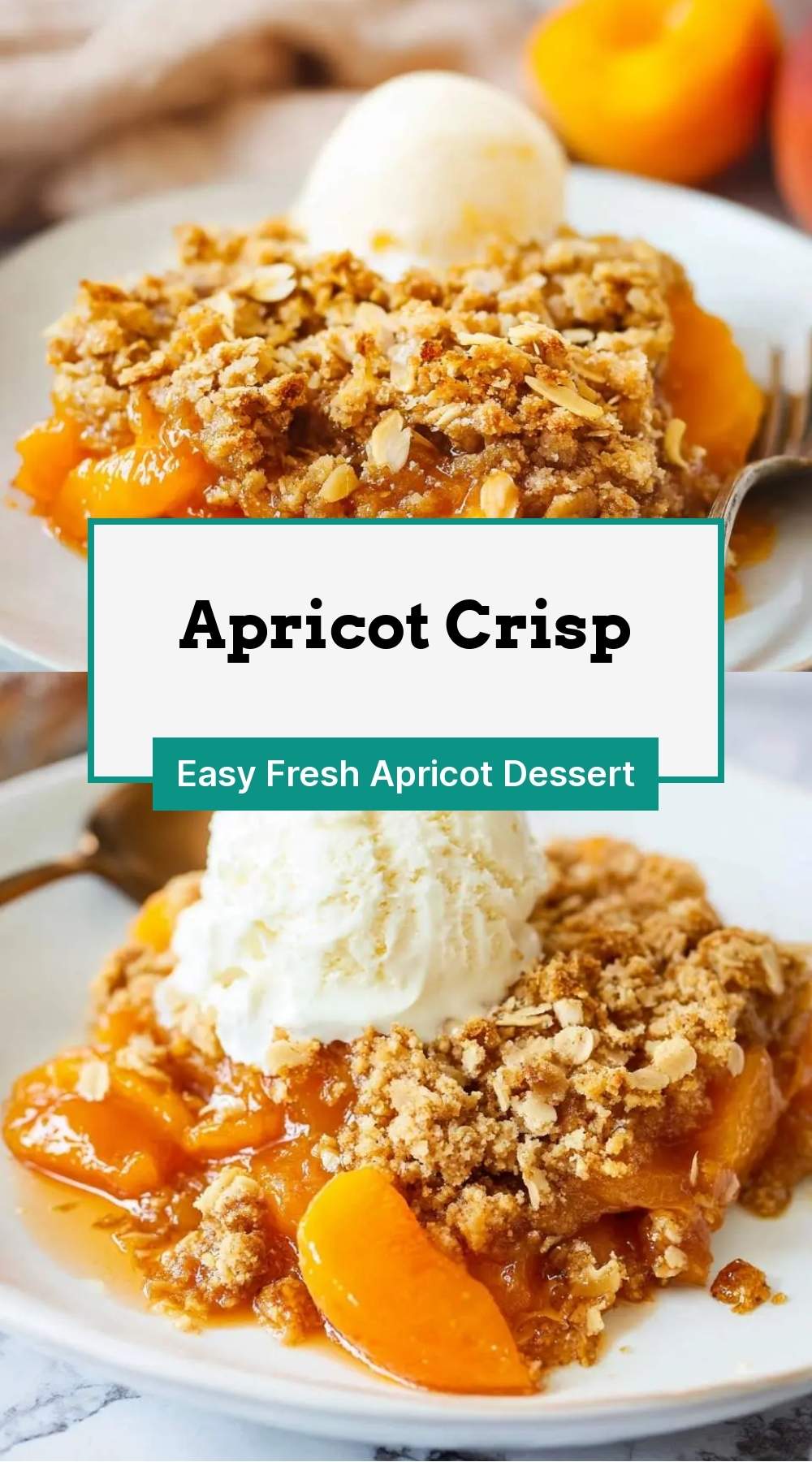
Into a buttered dish goes the fruit, then the topping scattered in clumps rather than pressed flat. The oven does the real work here. At twenty minutes, the smell turns from raw sugar to something caramel and floral. By forty minutes, the edges bubble thick and slow, and the top has gone from pale gold to deep amber with darker spots where the oats caught. I let it rest for fifteen minutes before serving, that waiting period lets the juices settle so you do not have soup on the plate. If you prefer a hand-held version, these apricot crisp bars use the same technique in a different form.
What I Learned Making This Three Times
My first attempt was too sweet and the topping turned soggy by morning. Here is what actually matters. Use apricots that give slightly when pressed but are not mushy, overripe fruit collapses into mush and throws off the liquid ratio. Do not skip the cornstarch, even if your fruit looks dry, apricots release more moisture than you expect once they hit heat.
Toast your oats for five minutes before mixing the topping. This extra step deepens the flavor and helps the crunch survive storage. When you add the butter, work quickly with your fingertips and stop while you still see some larger flakes, over-mixing creates a uniform crumble that bakes up dense.
My Secret Trick: I grate a quarter teaspoon of fresh ginger into the fruit filling. It disappears completely but adds a warmth that makes people lean in for another bite without knowing why.
This apricot crisp rewards patience in ways that simpler desserts do not.

How to Store Apricot Crisp
- Refrigerate covered tightly with foil or in an airtight container for up to 4 days
- Do not store at room temperature longer than 2 hours due to the moisture content
- Freeze individual portions wrapped in plastic then foil for up to 2 months
- Reheat refrigerated portions at 350°F for 15 minutes uncovered to restore crunch
- Microwave reheating works but softens the topping, use 30-second intervals
Why This Recipe Fits a Summer Routine
Fresh apricots bring fiber and vitamins A and C, but the real benefit here is satisfaction without heaviness. This apricot crisp uses less sugar than most fruit desserts because the fruit itself carries so much flavor. The oat topping adds whole grain fiber that keeps you full longer than a standard crumble made with all flour. I serve it with plain yogurt for breakfast sometimes, and nobody complains.
FAQs
Can I use canned apricots instead of fresh?
Drain them thoroughly and reduce the sugar by half, since canned fruit is packed in syrup. Pat the pieces dry with paper towels to remove excess moisture, or your filling will be soupy.
Why did my topping come out soggy?
Usually this means the butter was too warm when you mixed it, or the fruit was overripe and released too much liquid. Next time, chill your butter until firm and check that your apricots still have some structure.
Can I make this gluten-free?
Yes, substitute a one-to-one gluten-free flour blend for the all-purpose flour in the topping. The oats should be certified gluten-free. The texture will be slightly more delicate but still delicious.
What is the best way to tell when apricot crisp is done baking?
Look for thick, slow bubbles around the edges and a topping that is deep golden with some darker brown spots. The fruit should feel soft when you press gently through the topping with a spoon.

Apricot Crisp
Ingredients
Equipment
Method
Notes
Conclusion
This apricot crisp has become my summer signature, the thing I bring to potlucks and make for neighbors who need a little sweetness. The best recipes are the ones that feel like discoveries, and this one still surprises me every time. When peach season hits, I switch to grilled peaches using a similar approach.
Follow us on Social Media : Pinterest