
The first time I tasted lemon cheesecake, I was seventeen and convinced all desserts needed to come from a hot oven. My aunt set down this impossibly pale, cloud-like slice that jiggled slightly when she moved the plate. One bite and I understood: some magic happens in the cold, not the heat. That memory stayed with me for years, and eventually led me to perfect my own no-bake lemon cheesecake. the kind that tastes like sunshine trapped in cream.
I make this when summer refuses to let me turn on the oven. Last August, I brought it to my neighbor’s porch gathering while the temperature hovered at ninety-four degrees. We sat on her steps, passing forks back and forth, watching the fireflies emerge while the cheesecake slowly disappeared. Nobody asked for the recipe that night. they were too busy eating. but three people texted me before noon the next day.
This version has become my signature. It requires patience more than skill, and rewards you with something that feels far more impressive than the effort involved. If chocolate is more your mood, my no-bake chocolate cheesecake follows a similar method with equally stunning results.
Why Cream Cheese and Lemon Juice Need Each Other
The foundation here is full-fat cream cheese that has truly softened. not microwaved into submission, but left on the counter until it yields to a gentle press. This matters because cold cream cheese fights the sugar, leaving you with tiny lumps that never quite disappear. Fresh lemon juice does more than flavor; its acidity tightens the cream cheese structure just enough to help the cheesecake hold its shape without gelatin. I zest directly over the bowl, watching the bright oils mist the surface. The crust demands graham crackers with real honey sweetness, not the bland store-brand variety. For another eggless dessert that relies on chemistry rather than heat, these eggless Nutella brownies taught me how much texture depends on ingredient ratios.
How to Make No-Bake Lemon Cheesecake
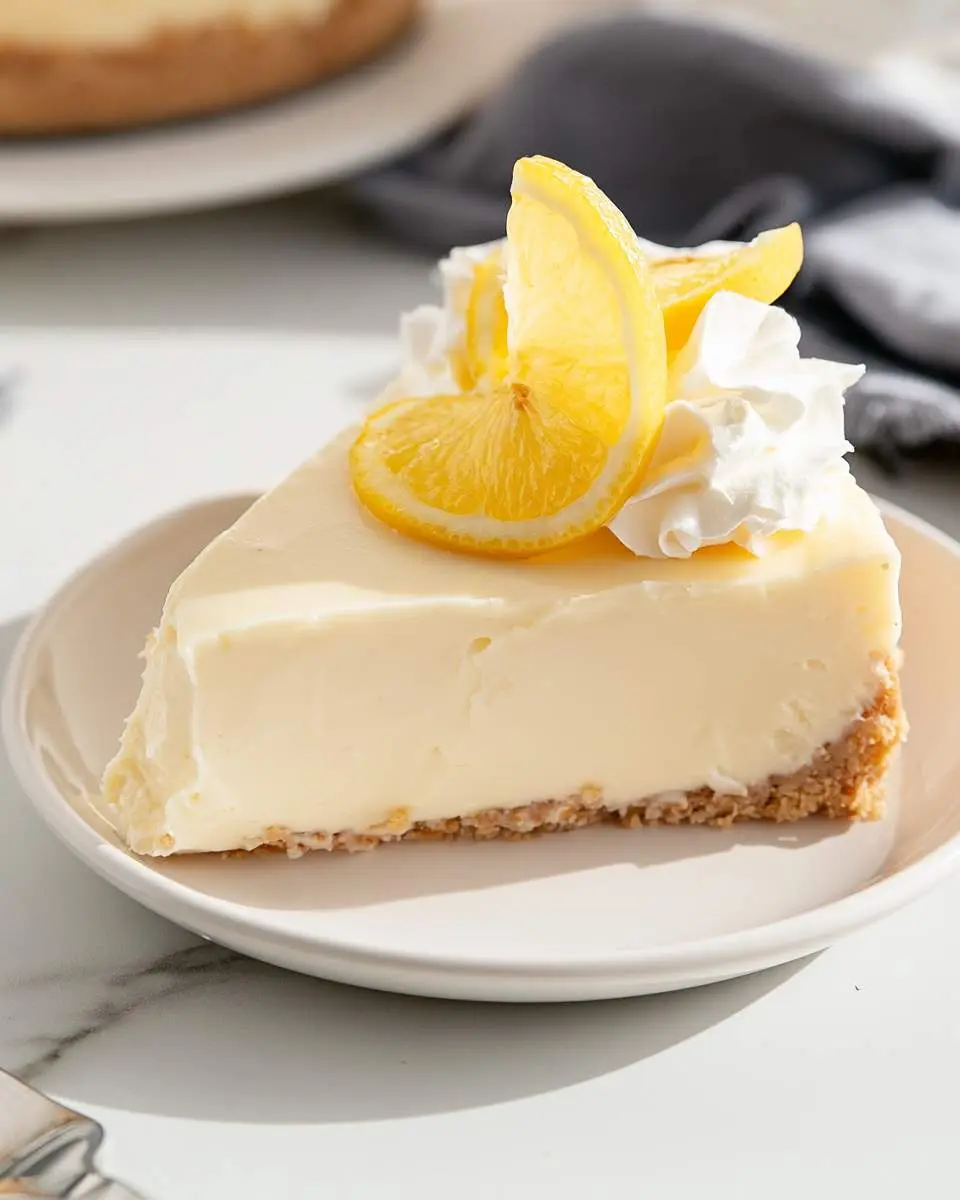
I start with the crust because it needs time to firm up while I work on the filling. Crushing graham crackers by hand. not in a food processor. gives me better control over the texture. I want sandy, not powdery, with some larger crumbs for crunch. The melted butter hits the crumbs and I stir until it looks like wet sand that holds together when squeezed. Pressing it into the pan requires patience; I use the flat bottom of a measuring cup, working from the center outward, building a slight wall up the sides.
The filling comes together in stages. I beat the cream cheese alone first, scraping the bowl twice, until it looks like thick frosting with no visible grain. Then sugar, then the lemon zest and juice, each addition fully incorporated before the next. The heavy cream gets whipped separately to stiff peaks. this is where I stop and check the texture, because over-whipped cream turns grainy and ruins the silkiness I’m after. Folding the cream into the cream cheese mixture feels like the crucial moment; I use a rubber spatula, cutting through the center and turning the bowl, preserving as much air as possible.
Pouring the filling over the chilled crust, I smooth the top with an offset spatula, then tap the pan firmly against the counter three times. This releases hidden air bubbles that would otherwise leave craters in the finished surface. The hardest part follows: waiting. Four hours minimum in the refrigerator, though overnight transforms the texture from good to unforgettable. If citrus desserts are your weakness, my no-bake orange creamsicle cheesecake uses the same technique with a completely different mood.
What Went Wrong My First Two Attempts
My initial no-bake lemon cheesecake slumped dramatically when sliced, pooling into a delicious but shapeless puddle. I had rushed the cream cheese softening, and the filling never developed the structure it needed. Now I set my cream cheese out the night before, every time, no exceptions.
I also learned that lemon juice quantity is not negotiable. Too little and the cheesecake tastes flat, merely sweet. Too much and the acid begins to curdle the dairy, creating a grainy texture that no amount of whipping fixes. I measure carefully, then taste the filling before adding the cream, adjusting in tiny increments.
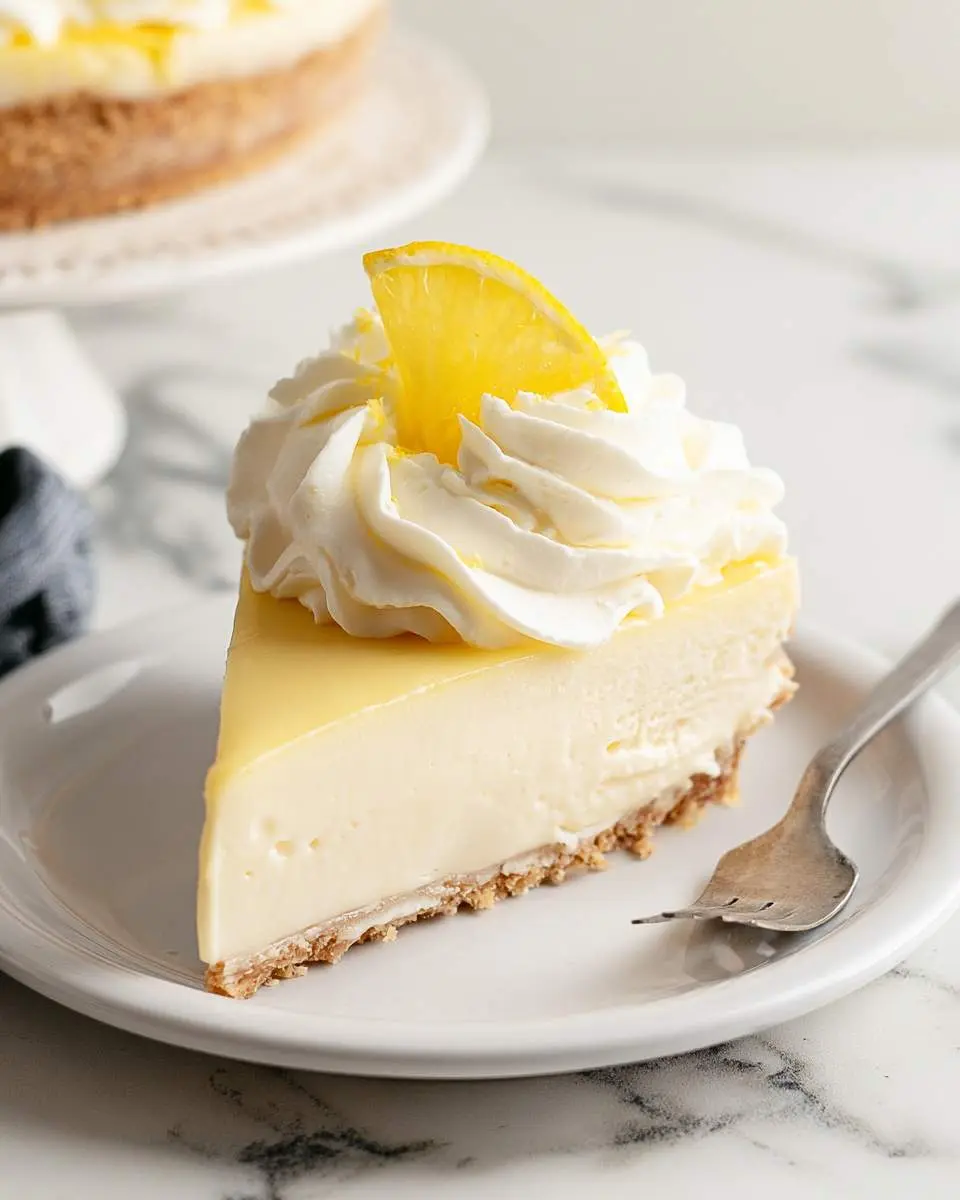
My Secret Trick: I reserve two tablespoons of the whipped cream before folding, then pipe decorative rosettes on top just before serving. This hides any imperfections in the surface and signals to guests that something special awaits.
Finally, springform pan preparation matters more than I expected. A single layer of parchment on the bottom prevents sticking, but I also run a thin knife around the edge before releasing the springform. The cheesecake should detach cleanly, maintaining those straight sides that make slicing so satisfying.
How to Store No-Bake Lemon Cheesecake
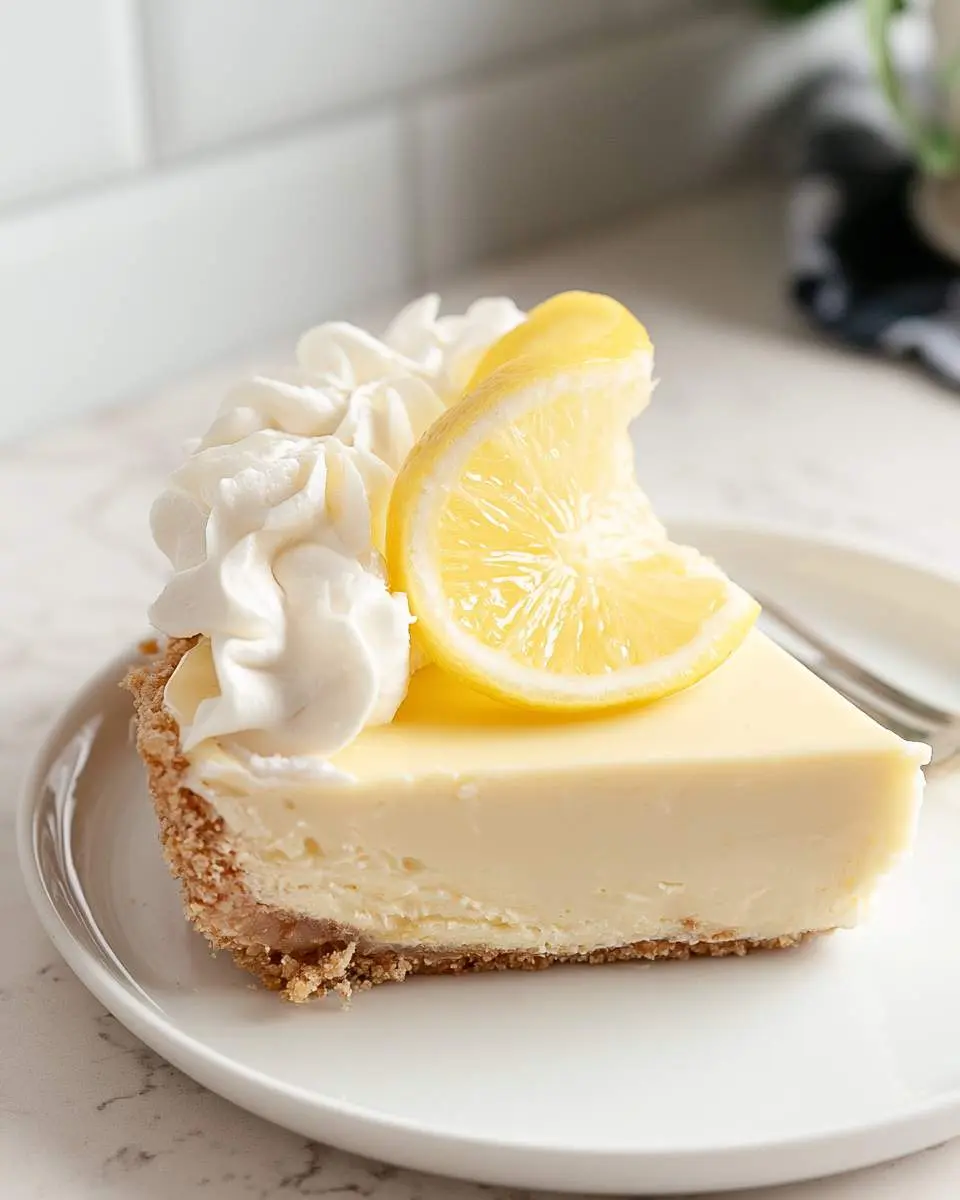
- Refrigerate uncovered for the first hour to allow the surface to set, then cover loosely with plastic wrap for up to 5 days
- Store in the coldest part of your refrigerator, ideally at 38°F or below, to maintain firm texture
- Freeze individual slices wrapped in plastic then foil for up to 3 months; thaw overnight in the refrigerator
- Never leave at room temperature longer than 2 hours; the cream cheese base softens quickly in warm environments
- Slice with a hot, clean knife, wiping between cuts for the neatest presentation
Why This Cheesecake Fits a Lighter Summer Routine
Despite its luxurious texture, this no-bake lemon cheesecake avoids the heaviness of traditional baked versions. The absence of eggs and the generous proportion of fresh citrus means each bite finishes clean rather than cloying. Lemon provides actual vitamin C, and using less sugar than conventional recipes keeps the brightness forward rather than buried under sweetness. I reach for this when I want dessert that satisfies without the weighted feeling that often follows richer treats.
FAQs
Can I use bottled lemon juice instead of fresh?
Fresh lemon juice makes a noticeable difference in brightness and complexity. Bottled juice often contains preservatives that mute the flavor, and it lacks the aromatic oils in fresh zest. If you must substitute, increase the zest quantity to compensate for the flatness.
Why did my cheesecake turn out runny?
Soft cream cheese and under-whipped heavy cream are the usual culprits. Cream cheese must be fully room temperature to incorporate properly, and heavy cream needs to reach stiff peaks before folding. Insufficient chilling time also prevents proper setting.
Can I make this in a regular pie plate instead of a springform pan?
A deep-dish pie plate works, though serving becomes trickier. The first slice may crumble slightly without the springform’s removable side. Chill thoroughly and use a sharp knife run under hot water for cleanest cuts.
How far in advance can I prepare this for a party?
This no-bake lemon cheesecake actually improves with time, making it ideal for entertaining. Prepare up to two days ahead, keeping it refrigerated until serving. The flavors meld and the texture sets more completely, so your advance planning becomes an advantage rather than a compromise.
No-Bake Lemon Cheesecake
Ingredients
Equipment
Method
Notes
Conclusion
I hope this no-bake lemon cheesecake finds its way to your table soon. It has rescued my summer gatherings more times than I can count, proving that extraordinary desserts do not require extraordinary effort. For another citrus-forward favorite that travels the baked route, my key lime cheesecake offers a tangier, more intense variation on this theme.
Follow us on Social Media : Pinterest